Mechanical Engineering
-
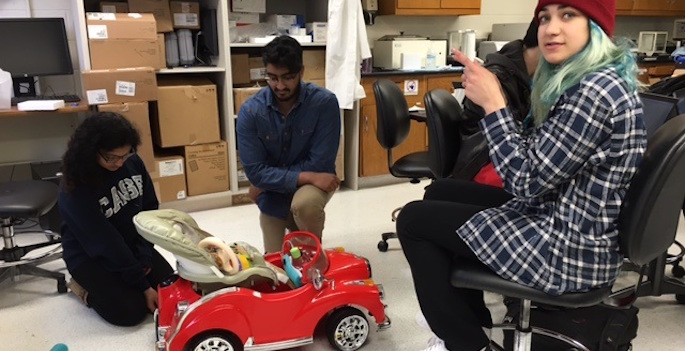
Biomedical engineering undergrads retrofit toy car for toddler’s special needs
Undergraduates taking Amanda Lowery’s Material Manipulations course have redesigned a toy car so a two-year-old with cerebral palsy can drive it. Read MoreApr 4, 2016
-

How to make electric vehicles that actually reduce carbon
Scientists from Vanderbilt and George Washington universities have worked out a way to make electric vehicles that not only are carbon neutral but carbon negative. Read MoreMar 2, 2016
-

Cotton candy machines may hold key for making artificial organs
Vanderbilt engineers have modified a cotton candy machine to create complex microfluidic networks that mimic the capillary system in living tissue and have demonstrated that these networks can keep cells alive and functioning in an artificial three-dimensional matrix. Read MoreFeb 8, 2016
-
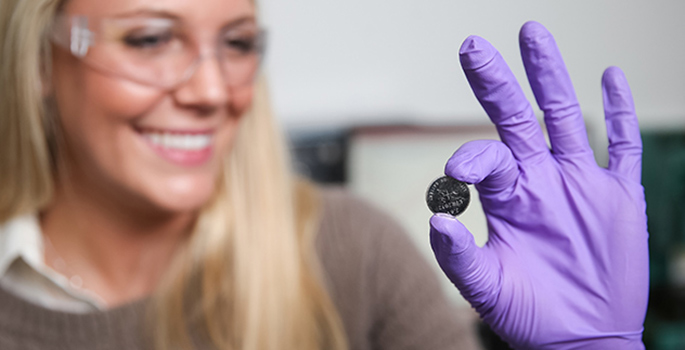
Quantum dots made from fool’s gold boost battery performance
Vanderbilt engineers have discovered that adding quantum dots made from fool's gold to the electrodes of standard lithium batteries can substantially boost their performance. Read MoreNov 11, 2015
-

Media advisory: Area Girl Scouts to earn ‘Engineering Day’ patches at Vanderbilt workshop Oct. 3
Area Girl Scouts will have the opportunity to earn their “Engineering Day” patches at an event hosted by Vanderbilt University engineering students on Saturday, Oct. 3. Read MoreOct 1, 2015
-
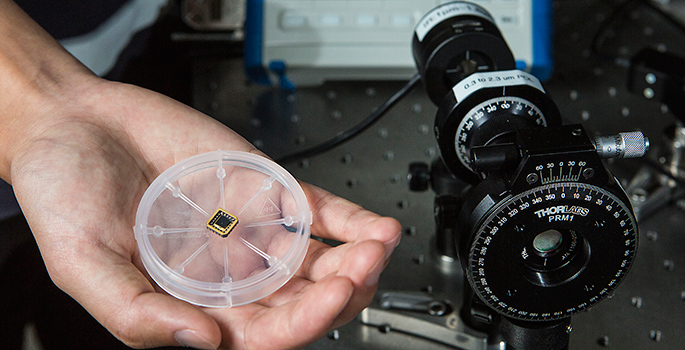
First circularly polarized light detector on a silicon chip
Invention of the first integrated circularly polarized light detector on a silicon chip opens the door for development of small, portable sensors that could expand the use of polarized light for drug screening, surveillance, etc. Read MoreSep 22, 2015
-

Zelik, team discover hip, foot muscles more important to walking than previously thought
In his effort to develop better prosthetic limbs, Karl Zelik had to start with deciphering more clearly how muscles function in walking. His path not only led to a better way of quantifying human locomotion, but also to the discovery that muscles around the hip and in the foot are more important to walking than previously thought. Read MoreJul 13, 2015
-

A VU Inside: Engineer uses cotton candy to build artificial blood vessels
Vanderbilt University mechanical engineer Leon Bellan is creating artificial human blood vessels using cotton candy and gelatin. Read MoreMar 27, 2015
-
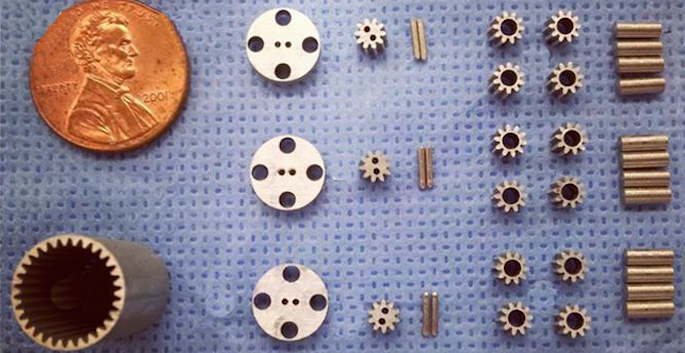
Sophisticated application of magnetic force enhances laparoscopic surgery
A team of Vanderbilt engineers is using magnetic force to design new and improved instruments for minimally invasive surgery. Read MoreMar 2, 2015
-

‘Stretched’ cells promote cancer
Mechanical stress appears to be a critical factor in activating normal tissue-associated fibroblasts to generate cancer-associated fibroblasts. Read MoreFeb 19, 2015
-

Vanderbilt team builds miniature capsule robots, heads to NSF I-Corps
Pietro Valdastri, assistant professor of mechanical engineering and electrical engineering, and postdoctoral scholar Ekawahyu Susilo will begin Valdastri’s second run as principal investigator in the NSF I-Corps program as they explore the commercial potential of modular open-source architecture for building capsule robots. Read MoreJan 13, 2015
-

How the hummingbird achieves its aerobatic feats
The most detailed aerodynamic simulation of hummingbird flight conducted to date demonstrates that it achieves its aerobatic abilities through a unique set of aerodynamic forces. Read MoreNov 21, 2014
-

Vanderbilt researchers’ work passes computing society’s test of time
Vanderbilt computer scientists have been awarded the Conference on Embedded Networked Sensor Systems' Test of Time Award, given to papers making long-lasting academic and practical impacts that were published at least 10 years ago. Read MoreNov 13, 2014
-

Vanderbilt team examines human factors in nuclear power plant operations
A multidisciplinary Vanderbilt team with deep experience in improving patient safety and technology usability has received a three-year, $800,000 Department of Energy grant to help nuclear power plant operators better perform their jobs. Read MoreNov 13, 2014
-
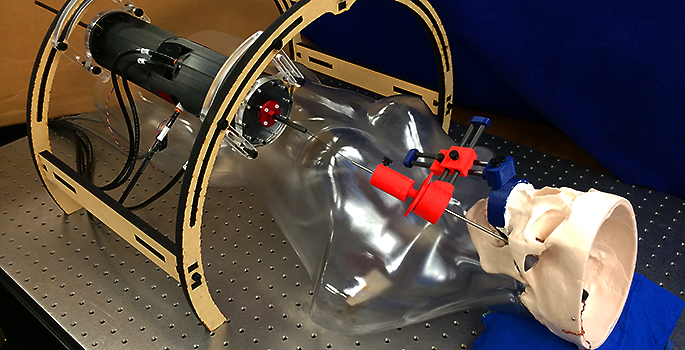
Brain surgery through the cheek
Vanderbilt engineers have developed a surgical robot designed to perform brain surgery by entering through the cheek instead of the skull. Read MoreOct 15, 2014
-

Research Roundup, Summer 2014
Private Property and Government Inaction | Probiotic Could Prevent Obesity | Freedom from Power Cords | Pickiness Doesn’t Always Pay Read MoreSep 26, 2014
-
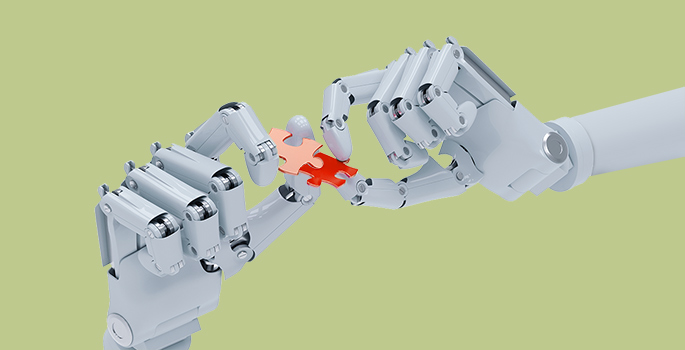
Two Vanderbilt projects showcased at SmartAmerica Challenge EXPO
Two Vanderbilt engineers participated in the SmartAmerica Challenge EXPO in Washington D.C. Read MoreJun 12, 2014
-
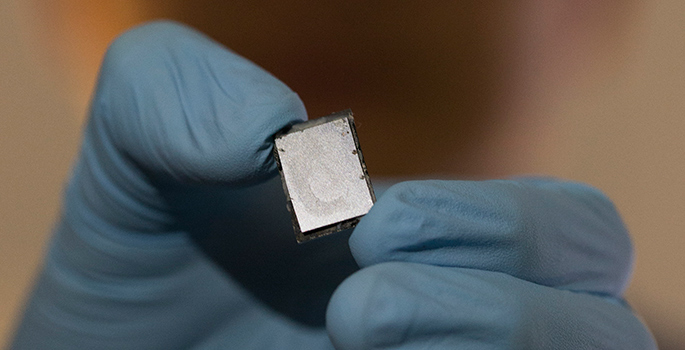
Liberating devices from their power cords
A new type of supercapacitor brings us a step closer to a day when everything from cell phones to electric vehicles will no longer need separate batteries. Read MoreMay 19, 2014
-
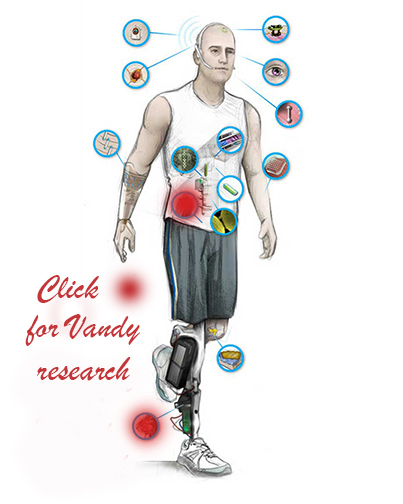
Two Vanderbilt projects featured in new NIBIB “Bionic Man” web tool
The prosthetics research of Michael Goldfarb is featured in "The NBIB Bionic Man," an interactive web tool that helps students and the public learn about innovative federally-funded biomedical research. Read MoreMay 6, 2014
-

Engineer alumnus proud to be part of sophisticated robot, test chamber project
Joe Clement, BE’97, a senior engineer with Kansas City-based MRIGlobal, is helping develop a human-like robot designed to provide data on the effectiveness of protective military gear against exposure to dangerous chemicals. Read MoreMar 4, 2014