Mechanical Engineering
-
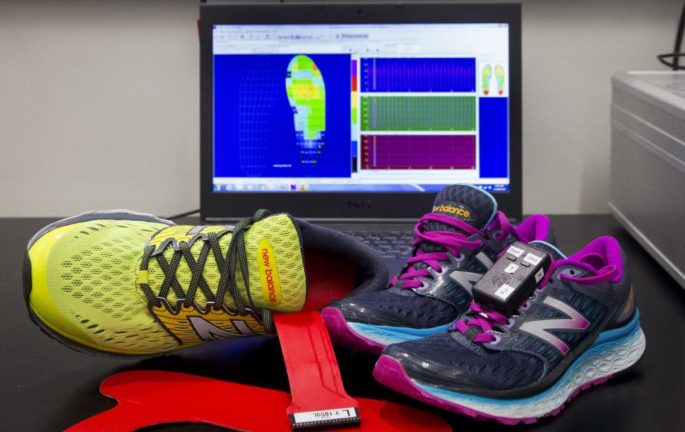
Stress fractures and running wearables: The mistake that could mean injuries
Working with an orthopedic specialist who advises the NFL Players Association, Assistant Professor of Mechanical Engineering Karl Zelik discovered that sensors only measuring the impact of the foot hitting pavement tell users little about the forces on bones that lead to stress fractures. Read MoreJan 17, 2019
-
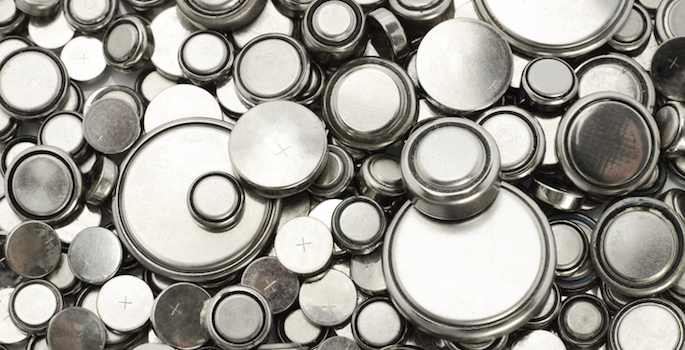
Safe solid-state lithium batteries herald ‘paradigm shift’ in energy storage
Kelsey Hatzell studied the performance of a promising electrolyte for solid-state lithium batteries under real-world conditions. Read MoreJul 19, 2018
-
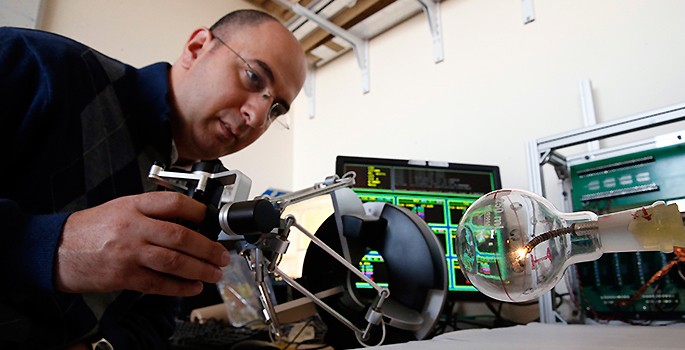
Getting robotic surgical tools from the lab to the operating room
Nabil Simaan’s Advanced Robotics and Mechanism Applications Laboratory at Vanderbilt leads the way in advancing several robotics technologies for medical use, including miniature robots for single small-incision, cochlear implant and minimally invasive throat surgeries. Read MoreMay 8, 2018
-

‘Smart cane’ could one day help flag gait problems, falling risks more quickly
Falling is no joke when you're a senior citizen or have other balance issues. Vanderbilt engineers are working on a 'smart cane' that could help physical therapists spot and treat problems sooner. Read MoreFeb 12, 2018
-

Hyperlens crystal capable of viewing living cells in unprecedented detail
A fundamental advance in the quality of an optical material used to make hyperlenses makes it possible to see features on the surface of living cells in greater detail than ever before. Read MoreDec 11, 2017
-
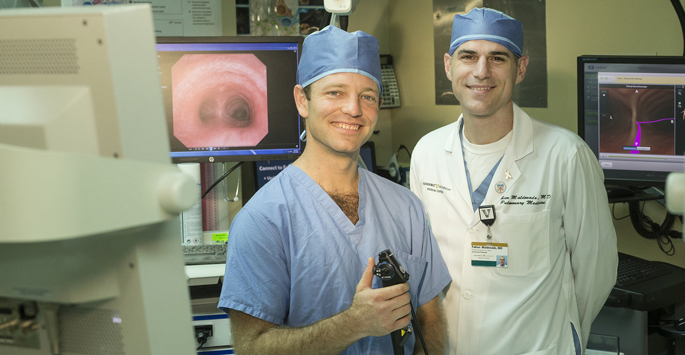
Team to develop steerable robotic needle for biopsies
Collaboration between a mechanical engineer at Vanderbilt University and a pulmonologist at Vanderbilt University Medical Center (VUMC) has resulted in a National Institutes of Health (NIH) R01 grant that will be used to develop a steerable robotic needle to safely biopsy hard-to-reach lung nodules. Read MoreOct 26, 2017
-

Ultrathin device harvests electricity from human motion
A new energy harvesting system developed at Vanderbilt University can generate electrical current from the full range of human motions and is thin enough to embed in clothing. Read MoreJul 21, 2017
-

Cotton candy capillaries lead to circuit boards that dissolve when cooled
Leon Bellan made a dissolving circuit board that, so far, just turns on an LED light. Its potential applications are far more promising. Read MoreJun 26, 2017
-
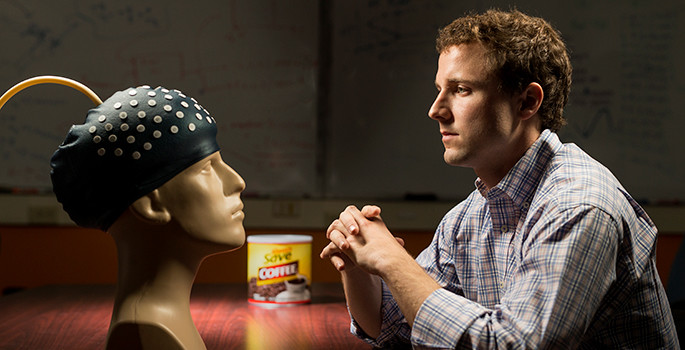
How six cups of ground coffee can improve nose, throat surgery
Vanderbilt engineers have designed a “granular jamming cap” filled with coffee grounds that can improve the accuracy of the sophisticated “GPS” system that surgeons use for nose and throat surgery. Read MoreJun 20, 2017
-
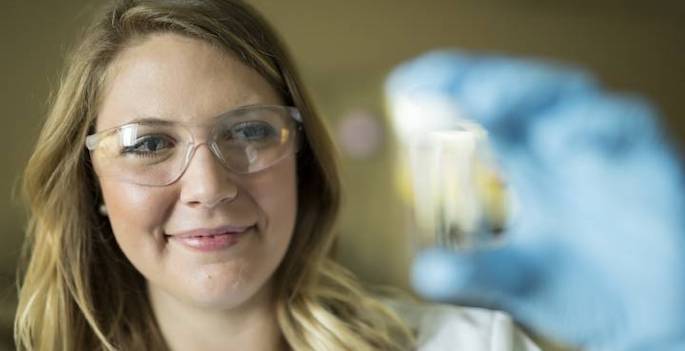
Novel nanotube approach earns grad student coveted spot in ORNL innovation program
An interdisciplinary materials science graduate student has been selected for a prestigious entrepreneurship program at Oak Ridge National Laboratory to scale and commercialize a revolutionary method of carbon nanotube production. Read MoreMay 22, 2017
-
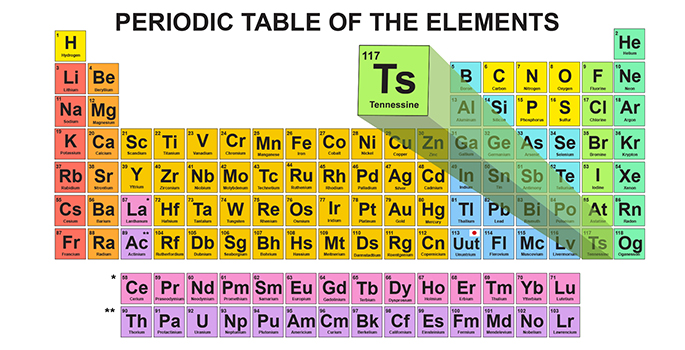
Research that ruled in 2016: Readers’ favorite stories
Artificial kidneys, gay-straight alliances and junkyard batteries captured readers' attention in 2016. Read MoreDec 16, 2016
-

Weird Science: Kit Parker’s breakthrough work on artificial hearts and brain injuries
Expect the unexpected when you walk into Kit Parker’s biophysics lab at Harvard. From cuttlefish skin camouflage to cotton candy machines used for wound dressings, his science is anything but ordinary. In fact, the young scientists inside are just as likely to be playing with crayons to visualize solutions… Read MoreDec 5, 2016
-
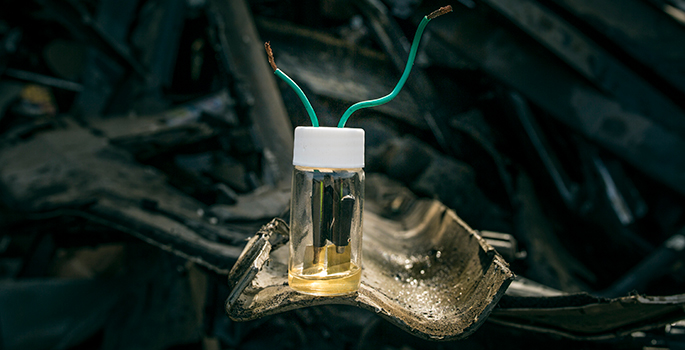
Making high-performance batteries from junkyard scraps
Vanderbilt researchers have discovered how to make high-performance batteries using scraps of metal from the junkyard and household chemicals. Read MoreNov 2, 2016
-

Using virtual reality to help teenagers with autism learn how to drive
A team of engineers and psychologists have developed a virtual reality driving simulator designed to help teenagers with autism spectrum disorder learn to drive, a key skill in allowing them to live independent and productive lives. Read MoreJul 21, 2016
-

Senior Design team uses lasers to cut waste in credit card production
Vanderbilt seniors have designed a new method that improves the accuracy of magnetic strip placement during the manufacture of payment cards. Read MoreApr 4, 2016
-
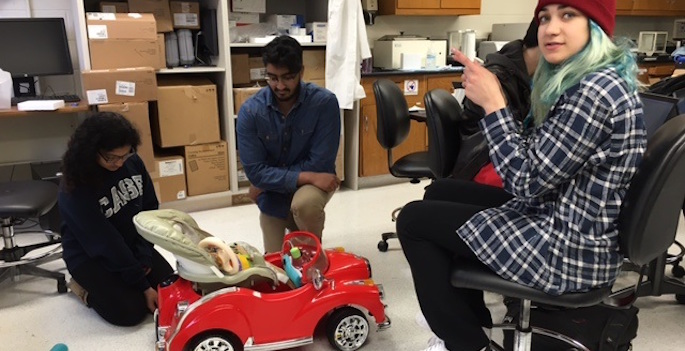
Biomedical engineering undergrads retrofit toy car for toddler’s special needs
Undergraduates taking Amanda Lowery’s Material Manipulations course have redesigned a toy car so a two-year-old with cerebral palsy can drive it. Read MoreApr 4, 2016
-

How to make electric vehicles that actually reduce carbon
Scientists from Vanderbilt and George Washington universities have worked out a way to make electric vehicles that not only are carbon neutral but carbon negative. Read MoreMar 2, 2016
-

Cotton candy machines may hold key for making artificial organs
Vanderbilt engineers have modified a cotton candy machine to create complex microfluidic networks that mimic the capillary system in living tissue and have demonstrated that these networks can keep cells alive and functioning in an artificial three-dimensional matrix. Read MoreFeb 8, 2016
-
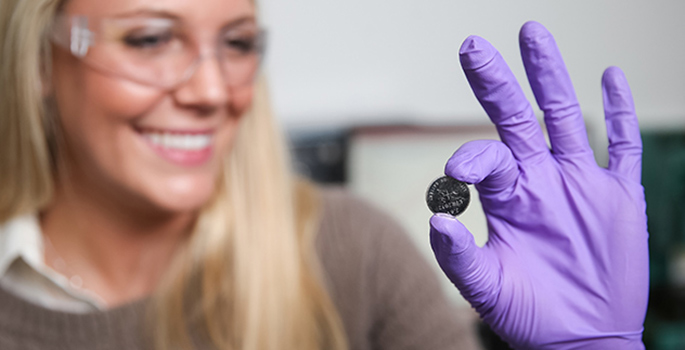
Quantum dots made from fool’s gold boost battery performance
Vanderbilt engineers have discovered that adding quantum dots made from fool's gold to the electrodes of standard lithium batteries can substantially boost their performance. Read MoreNov 11, 2015
-
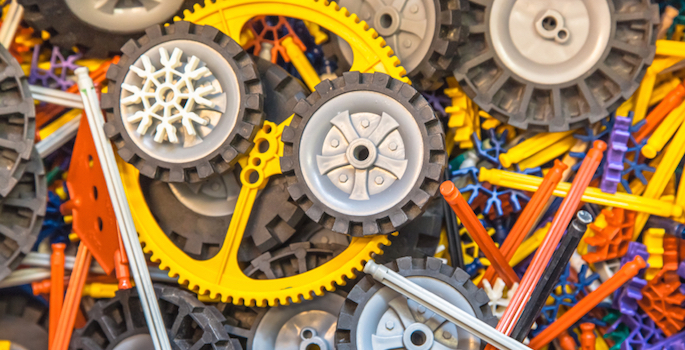
Media advisory: Area Girl Scouts to earn ‘Engineering Day’ patches at Vanderbilt workshop Oct. 3
Area Girl Scouts will have the opportunity to earn their “Engineering Day” patches at an event hosted by Vanderbilt University engineering students on Saturday, Oct. 3. Read MoreOct 1, 2015