Imported-post
-

Study finds similar success rates with two devices for breathing tube placement
Two devices for placing a breathing tube during critical illness had similar success rates for intubation on the first attempt, according to a study published Dec. 8 in JAMA. Read MoreDec 15, 2021
-
Immune landscape in adrenal cancer
The profile of immune-related gene expression and tumor-infiltrating immune cells in adrenocortical cancer suggests targets for new treatment strategies. Read MoreDec 14, 2021
-

Oral microbes and gastric cancer
Studies in three large population cohorts that include Asian, African American and European American people support a role for the oral microbiota — the collection of microbial species in the mouth — in gastric cancer development. Read MoreDec 13, 2021
-

“Supermeres” may carry clues to cancer, Alzheimer’s disease and COVID-19
Vanderbilt researchers have discovered a nanoparticle released from cells, called a “supermere,” which contains enzymes, proteins and RNA associated with multiple cancers, cardiovascular disease, Alzheimer’s disease and even COVID-19. Read MoreDec 10, 2021
-
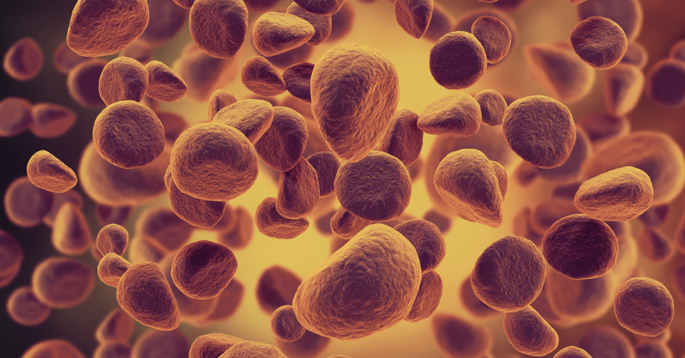
Cell signaling targets in leukemia
Vanderbilt researchers identified a critical role for IL-1beta signaling in leukemia cells with a certain mutation, suggesting this pathway may be a good target for novel treatments. Read MoreDec 9, 2021
-
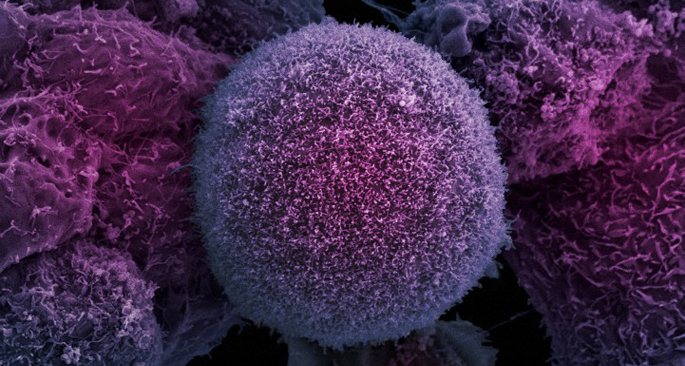
Prostate cancer treatment regret
Vanderbilt researchers suggest that to reduce treatment-related regret for men with localized prostate cancer, treatment preparation should focus on shared decision-making and aligning patient expectations with treatment toxicity. Read MoreDec 9, 2021
-

International study supports dupilumab for treatment of moderate-to-severe asthma in children
In a late-stage clinical trial, the biologic agent dupilumab reduced the rate of severe asthma attacks and improved lung function and asthma control for children ages 6 to 11 with moderate-to-severe asthma, offering a new option to these patients. Read MoreDec 8, 2021
-
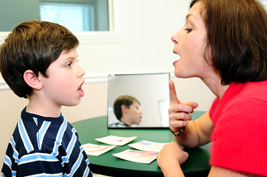
Gene discoveries give new hope to people who stutter
New research shows the potential to identify therapeutic directions that could improve outcomes for people who stutter. Read MoreDec 2, 2021
-
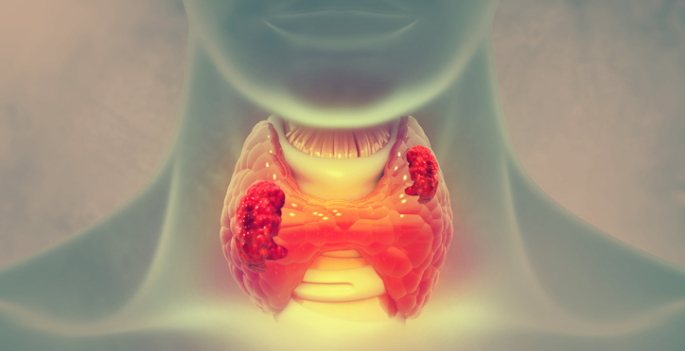
Thyroid cancer paper lands national recognition
Researchers in the Endocrine Neoplasia Research Laboratory at Vanderbilt University Medical Center have received national recognition for their work to discover better treatments for thyroid cancer. A paper describing their lab work was awarded first place in the Basic Science category at the 2021 Cancer Research Competition. Read MoreDec 2, 2021
-
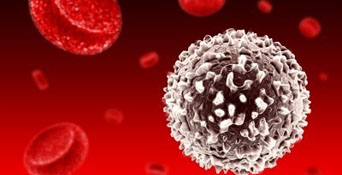
Study links depression scores, white blood cell count
Researchers across four health care systems, including Vanderbilt University Medical Center, have found that increased depression polygenic scores are associated with increased white blood cell count, highlighting the importance of the immune system in the etiology of depression. Read MoreDec 2, 2021
-

Vanderbilt engineer leads DARPA project to enable AI machines to gain, share knowledge
Kolouri wins $1M DARPA grant to investigate AI cooperative lifelong learning A Vanderbilt engineering professor is leading part of an international initiative to create advanced artificial intelligence programs that will enable machines to learn progressively over a lifetime and share those experiences with each other. Researchers hope the technology will allow machines to reuse information,... Read MoreDec 2, 2021
-

Study provides new insight into how antidepressant drugs work
A study by Vanderbilt researchers sheds light on how current antidepressant drugs work and suggests a new drug target in depression. Read MoreDec 1, 2021
-
Vanderbilt engineers’ Science paper reviews scope of atomically thin membranes for subatomic separations
A paper by Vanderbilt engineers that explores the scope to scale up the sizes of atomically thin membranes and their potential use in applications relating to energy, microscopy, and electronics is published in the journal Science. Authors Piran R. Kidambi, assistant professor of chemical and biomolecular engineering, Pavan Chaturvedi, postdoctoral scholar in the Department of... Read MoreDec 1, 2021
-
New study reveals breakthrough tool to show how much exoskeletons reduce back injury risk
A study led by researchers from Vanderbilt University’s Center for Rehabilitation Engineering and Assistive Technology reveals a breakthrough tool to assess the effect of exoskeletons on injury risk. The tool, called Exo-LiFFT, is an interactive calculator that will help companies looking for ways to overcome workforces struggling with musculoskeletal injuries, missed work, and accelerated retirement... Read MoreNov 30, 2021
-
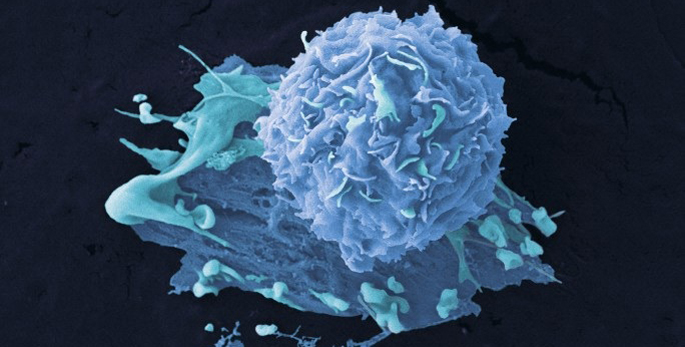
‘Multi-omics’ reveals treatment option for breast cancer subtype
by Bill Snyder In a multidisciplinary collaboration, researchers at Vanderbilt University Medical Center and the University of Miami Miller School of Medicine have identified a subtype of triple-negative breast cancer (TNBC) that appears to be able to escape detection by the immune system and evade immunotherapy. Their report, published Nov. 1 in the journal... Read MoreNov 18, 2021
-
Headband device suitable for use at home with young ADHD patients
Vanderbilt biomedical engineering professor has developed a prototype headband to measure brain activity that could have widespread application in studying and ultimately treating ADHD and other neurological disorders. The device is lightweight, portable, and inexpensive to construct. Prototype components cost less than $250, compared to costs exceeding $10,000 for commercial systems. Audrey Bowden, associate professor... Read MoreNov 16, 2021
-
Headband device suitable for use at home with young ADHD patients
Vanderbilt biomedical engineering professor has developed a prototype headband to measure brain activity that could have widespread application in studying and ultimately treating ADHD and other neurological disorders. The device is lightweight, portable, and inexpensive to construct. Prototype components cost less than $250, compared to costs exceeding $10,000 for commercial systems. Audrey Bowden, associate professor... Read MoreNov 16, 2021
-

AI predicts 24-hour hospital discharge
Vanderbilt researchers used a machine learning algorithm and data from more than 26,000 hospital stays to predict who would and would not be discharged over the next 24 hours. Read MoreNov 16, 2021
-
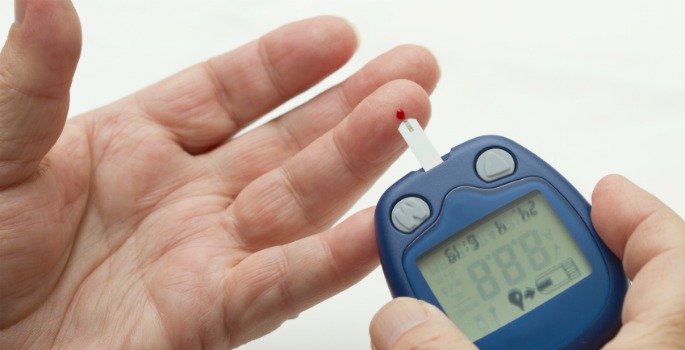
New way to bEET insulin resistance
Signaling molecules called EETs could improve insulin resistance, a primary risk factor for Type 2 diabetes and cardiovascular disease, Vanderbilt researchers have discovered. Read MoreNov 11, 2021
-
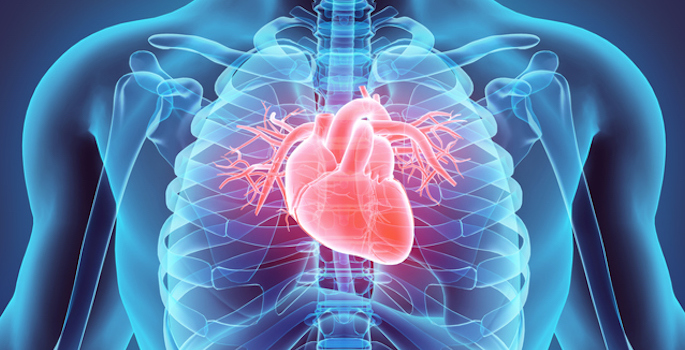
The challenge of rejection
Minimizing variation in how rejection is diagnosed and creating standardized surveillance protocols may help inform best practices in pediatric heart transplants. Read MoreNov 10, 2021