Imported-post
-

Multicenter team seeks to create at-home artificial lung system
Vanderbilt team to focus on engineering, testing the device by Matt Batcheldor Vanderbilt University Medical Center will share in an $8.7 million federal grant to create an artificial lung system that patients with incurable lung disease can use at home. The Department of Defense Congressionally Directed Medical Research Program (CDMRP) grant will fund research to create... Read MoreFeb 24, 2022
-
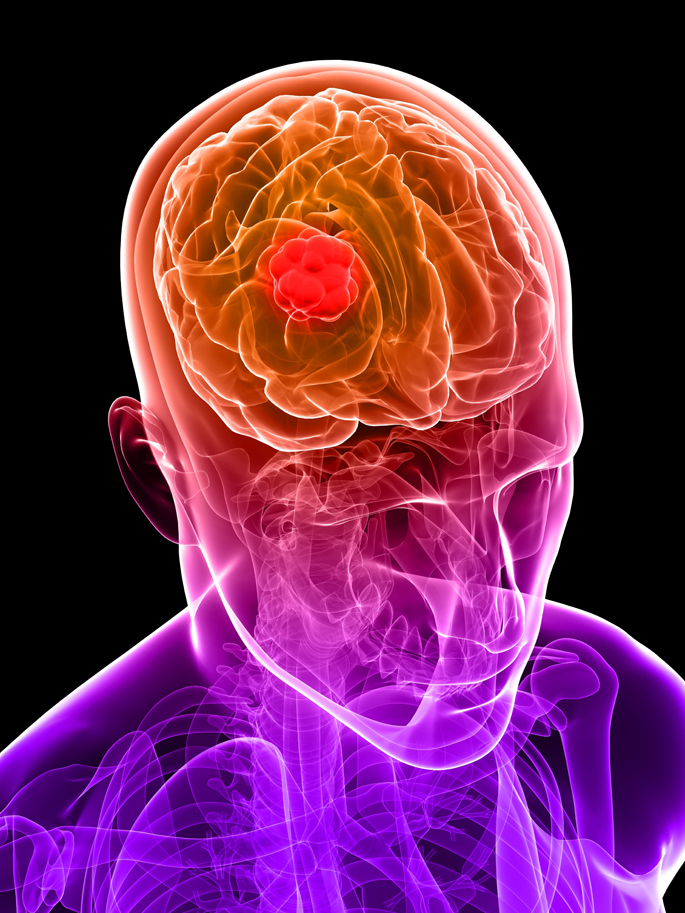
Predicting brain cancer outcome
Red blood cell distribution width has prognostic value for many diseases, but it was not associated with overall survival in patients with glioblastoma, Vanderbilt researchers found. Read MoreFeb 15, 2022
-

New insights into hypothalamic obesity
A common Type 2 diabetes treatment being tested for hypothalamic obesity had unexpected results on weight loss and total energy expenditure, Vanderbilt researchers report. Read MoreFeb 10, 2022
-
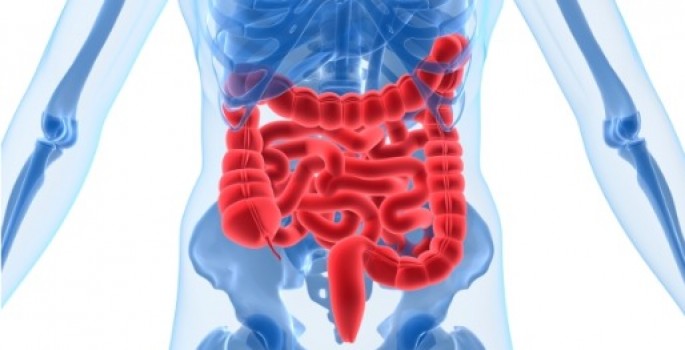
Diverticulitis surgery: guidelines needed
Surgical removal of the colon for recurrent diverticulosis varies by geographic region and is associated with surgeon and hospital factors; stronger national guidelines are needed, Vanderbilt researchers report. Read MoreFeb 10, 2022
-

Gene variants increase risk of kidney failure in Black veterans with COVID-19: study
Gene variants increased the risk of acute kidney injury and death in veterans of African ancestry who were hospitalized with COVID-19, possibly explaining some health disparities associated with COVID-19. Read MoreFeb 10, 2022
-
Vanderbilt and CDC research shows third vaccine dose key to preventing omicron hospitalization
Vanderbilt research shows that two doses of an mRNA COVID-19 vaccine result in lower effectiveness for preventing hospitalization for the omicron variant than previous variants. However, importantly, a third (“booster”) vaccine dose significantly improves protection against omicron hospitalization up to 86%. Read MoreFeb 9, 2022
-
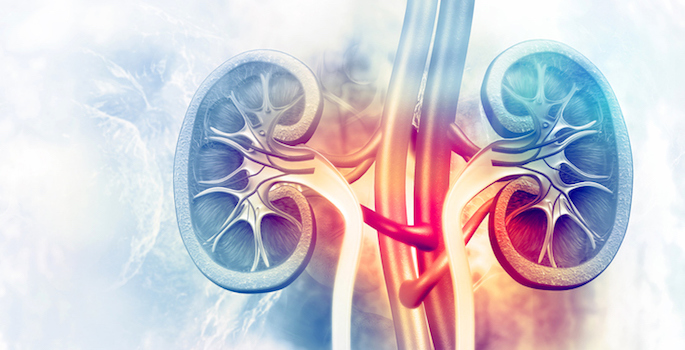
VUMC study raises hope for improving treatment of kidney disease
Vanderbilt research has revealed an important mechanism in the kidney by which a cell surface receptor known as DDR1 fans the flames of inflammation and fibrosis that ultimately lead to kidney failure. Read MoreFeb 2, 2022
-
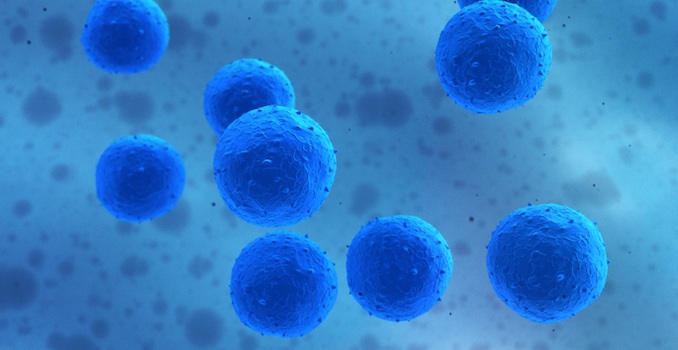
Accelerating podocyte production
A new method developed by Vanderbilt researchers to generate kidney cells from stem cells offers a faster and less expensive way to make these valuable tools for studying kidney diseases. Read MoreFeb 1, 2022
-

Impact of digital health interventions
Vanderbilt researchers test and recommend statistical approaches to study the association between engagement with digital health interventions and clinical outcomes. Read MoreJan 31, 2022
-
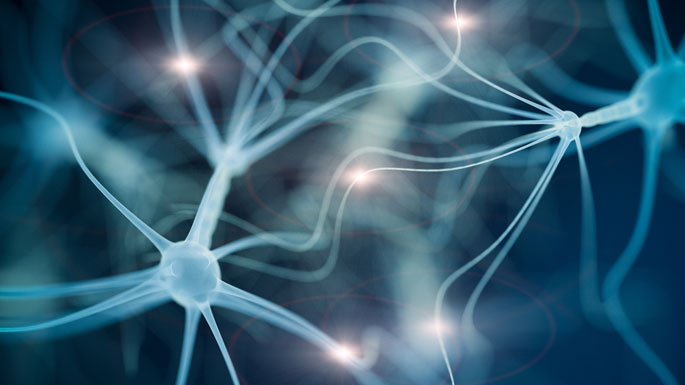
White matter and psychosis
The microstructure of white matter in the brain could be an important risk marker for psychosis, Vanderbilt researchers have discovered. Read MoreJan 27, 2022
-

Impaired neutrophils in autoimmunity
Vanderbilt researchers help answer the question of why patients with autoimmune diseases like lupus are more susceptible to bacterial infections: their neutrophils have impaired antibacterial activity. Read MoreJan 27, 2022
-
Breakthrough measurements/theory of vibrating atoms in nanostructures ushers in new class of technology
Vanderbilt researchers Sokrates Pantelides and Joshua Caldwell are part of an international collaboration that has demonstrated a new way to manipulate and measure subtle atomic vibrations in nanomaterials. This breakthrough could make it possible to develop customized functionalities to improve on and build new technologies. Sokrates Pantelides (Vanderbilt University) Joshua Caldwell (Vanderbilt University) Electron beams... Read MoreJan 26, 2022
-
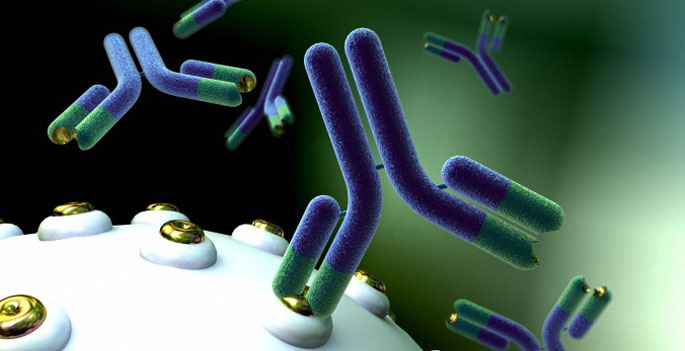
Omicron evades some but not all monoclonal antibodies: study
A new study found that several, but not all, of the human monoclonal antibodies used clinically to prevent patients from becoming severely ill from COVID-19 may not be protective against the Omicron variant now sweeping across the United States. Read MoreJan 20, 2022
-
New method enhances efforts to identify drug repurposing targets
Researchers at Vanderbilt University Medical Center have developed a new method for identifying drugs for the repurposing trials that can lead to new indications for drugs already in use. Read MoreJan 20, 2022
-
Study identifies molecular trigger of severe injury-induced inflammatory response
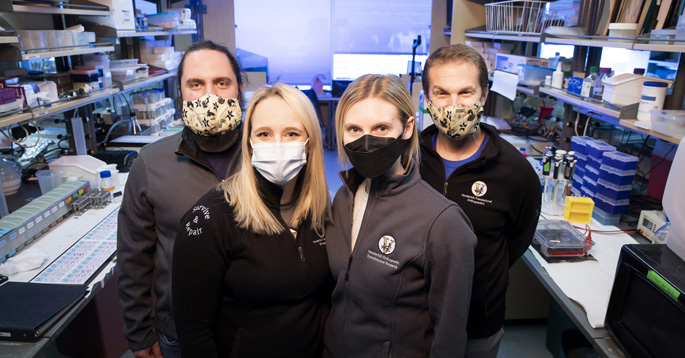
Vanderbilt researchers have discovered that early inappropriate activation of the enzyme plasmin caused by severe injury is a trigger of systemic inflammatory response syndrome and resulting organ failure. Read MoreJan 19, 2022
-

Ensuring the “best possible” medication history
About 80% of hospital admission electronic records were missing a drug prescribed to an older adult, Vanderbilt researchers found, highlighting the need for a multipronged approach to address medication discrepancies and support safe prescribing practices. Read MoreJan 18, 2022
-
H. pylori, lipid loss and stomach cancer
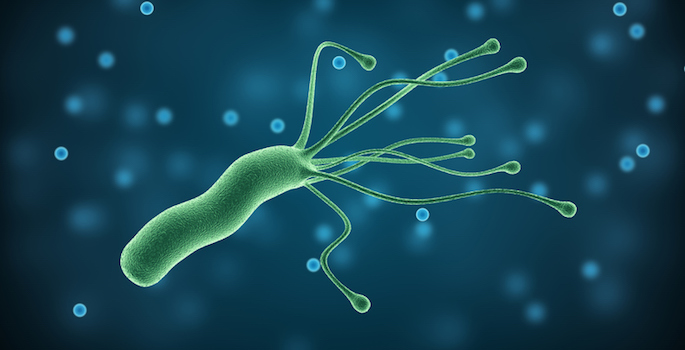
H. pylori infection — a strong risk factor for stomach cancer — changes the composition of stomach lipids, which could offer new biomarkers for detecting premalignant changes, Vanderbilt researchers discovered. Read MoreJan 17, 2022
-
Vanderbilt biostatisticians launch Cancer-Immu data portal for predicting response to immune checkpoint blockade immunotherapy
A new data portal called Cancer-Immu established by a team of Vanderbilt University Medical Center biostatisticians can help cancer clinicians and researchers predict which patients will respond to immune checkpoint inhibitors. Read MoreJan 14, 2022
-
The role of integrins in kidney “integrity”
Receptors called integrins play a critical role in maintaining the structure of the kidney, Vanderbilt researchers have discovered. Read MoreJan 13, 2022
-
Salmonella overcomes host resistance
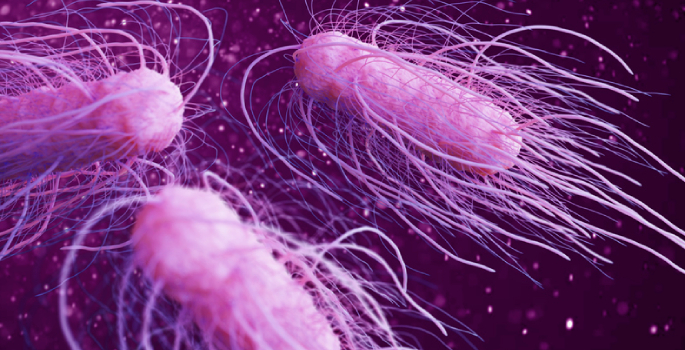
The invading pathogen Salmonella, a common cause of food poisoning, can change its metabolism to overcome host resistance to its colonization. Read MoreJan 13, 2022