Featured Research
-

The surprising link between social responsibility disclosure and profits
A study out of Vanderbilt University found that corporations that make social responsibility disclosures beyond the norm tend to make more money. Read MoreSep 18, 2013
-

Making mixed-income housing work for the poor
Mixed-income neighborhoods help improve the safety and wellbeing of low-income residents, but cannot relieve deeply entrenched poverty or provide upward mobility without additional social services and supports, say Peabody and University of Chicago researchers in a new report. Read MoreSep 17, 2013
-

VU study identifies DNA changes in drug-resistant cancer cells
Vanderbilt investigators have combined next-generation sequencing technologies and bioinformatics analyses to screen for genome-wide genetic mutations associated with drug resistance in a series of lung cancer cell lines. Read MoreSep 12, 2013
-

Vanderbilt Magazine: How to study a skeleton
Tiffiny Tung, associate professor of anthropology, is on familiar terms with the dead. She may not know their names, but she can tell you a surprising amount of information about how they lived—and even, on occasion, how they died. Read MoreSep 11, 2013
-

LAPOP: Jamaicans feeling more secure as relations with police improve
Vanderbilt researchers are finding that Jamaicans are feeling more confidence in their local police as they report decreasing incidences of bribe solicitation. Read MoreAug 22, 2013
-

A brighter method for measuring the surface gravity of distant stars
Astronomers have found a clever new way to slice and dice the flickering light from a distant star in a way that reveals the strength of gravity on its surface. Read MoreAug 21, 2013
-

Tennessean op-ed: Solar energy is still in shadows
More can be done with sun-powered electricity source, writes Dennis Hall, vice provost for research, dean of the Graduate School, professor of physics and professor of electrical engineering. Read MoreAug 20, 2013
-
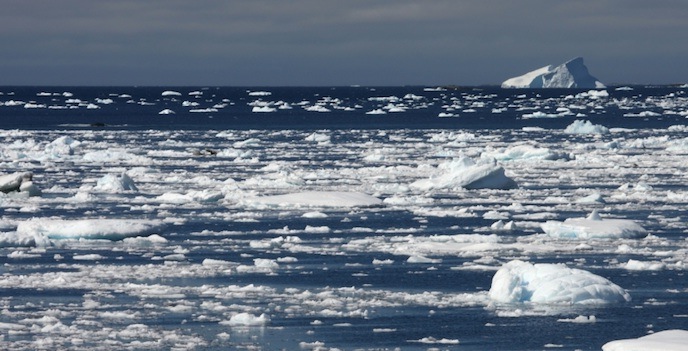
Argonne National Laboratory: Dissolving brittle stars hint at implications of ocean acidification
Scientists at Vanderbilt University and the New York Health Department say colonies of Antarctic brittle stars may be especially vulnerable to the effects of ocean acidification. Read MoreAug 20, 2013
-

Op-ed: Prekindergarten research can help chart best way to help impoverished kids
Research can help policymakers and educators make the best decisions on how to assist low-income children exceed in school from an early age. Read MoreAug 9, 2013
-

‘Yo-yo dieting’ inflames fat tissue
Gaining and losing weight during “yo-yo dieting” may contribute to an exaggerated immune response in fat tissue that increases metabolic dysfunction more than steady weight gain alone. Read MoreAug 9, 2013
-
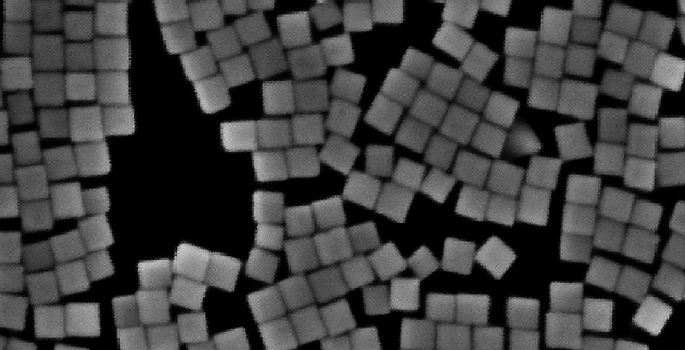
Size matters in nanocrystals’ ability to release gases
More efficient catalytic converters on autos, improved batteries and more sensitive gas sensors are some of the potential benefits of a new system that can directly measure the manner in which nanocrystals adsorb and release hydrogen and other gases. Read MoreAug 6, 2013
-

Are protests in Brazil just the beginning?
Protests may spread from Brazil to other Latin American nations with similar conditions, says a report from Vanderbilt University’s Latin American Public Opinion Project (LAPOP). Read MoreAug 5, 2013
-

Vanderbilt scientists discover potential new way to treat anxiety
Chemically modified inhibitors of the COX-2 enzyme relieve anxiety behaviors in mice by activating natural “endocannabinoids” without gastrointestinal side effects, Vanderbilt University scientists will report next week. Read MoreAug 5, 2013
-

Peabody education experts available for back-to-school stories
As schools nationwide prepare for the new academic year, education experts from Vanderbilt University’s Peabody College of education and human development are available for back-to-school interviews on a variety of topics. Read MoreAug 1, 2013
-

Cognitive complaints, Alzheimer’s risk studied
A study of cognitive complaints in older adults showed that memory concerns from both the patient and an informant was most predictive of converting to Alzheimer’s disease or dementia within three years. Read MoreAug 1, 2013
-
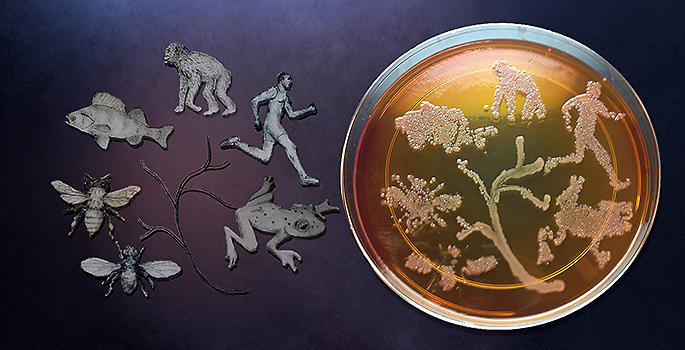
Microbes can influence evolution of their hosts
A new study provides the first direct evidence that microbes can contribute to the origin of new species by reducing the viability of hybrids produced between males and females of different species. Read MoreJul 18, 2013
-
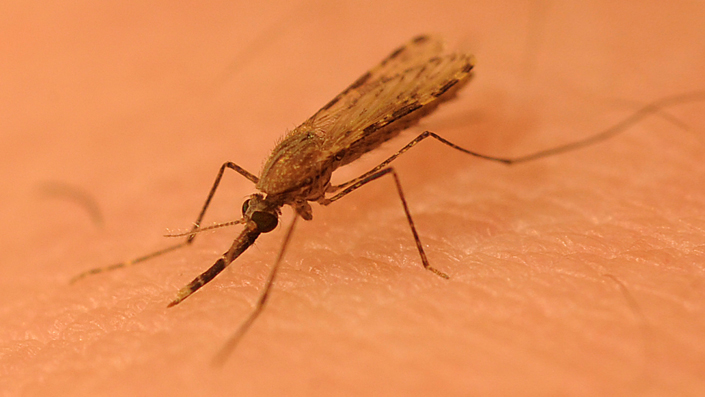
Wall Street Journal: Who gets more mosquito bites?
It is peak mosquito season, and while some lucky outdoor venturers seem unperturbed by the tiny insects, others appear to be relentlessly assaulted. Laurence Zwiebel, Cornelius Vanderbilt Professor of Biological Sciences, explains the most common culprits. Read MoreJul 17, 2013
-

LAPOP: Politically tolerant people use social media
A study by Vanderbilt University's Latin American Public Opinion Project shows that the use of social media for political purposes in the Americas can be an effective complement to conventional forms of political engagement. Read MoreJul 15, 2013
-

Early spatial reasoning predicts later creativity and innovation, especially in STEM fields
A new Peabody study found that early spatial ability – the skill required to mentally manipulate 2D and 3D objects – predicts the development of new knowledge, and especially innovation in science, technology, engineering and mathematics (STEM) domains, above and beyond more traditional measures of mathematical and verbal ability. Read MoreJul 15, 2013
-
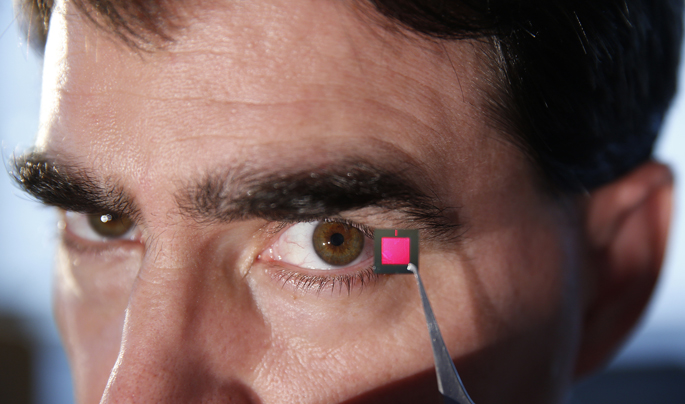
Project seeks to create ‘bioartificial’ kidney
Nephrologist William Fissell IV, M.D., associate professor of Medicine and Biomedical Engineering, is intent on creating and mass-producing an implantable bioartificial kidney that can transform quality of life and prospects for survival for people with chronic kidney disease who would otherwise be forced onto dialysis. Read MoreJul 11, 2013