Eric Skaar
-

Lighting up iron levels
A new probe enables iron imaging in living animals, providing a unique tool for studying iron’s contributions to health and disease. Read MoreJan 11, 2018
-

Excess dietary manganese increases risk of staph infection in heart
Too much dietary manganese — an essential trace mineral found in leafy green vegetables, fruits and nuts — promotes infection of the heart by the bacterium Staphylococcus aureus (“staph”). Read MoreSep 21, 2017
-

Investigators use light to kill microbial ‘vampires’
On July 24 Vanderbilt scientist Eric Skaar, Ph.D., MPH, summarized his group’s latest paper in a tweet: “If S. aureus is going to drink our blood like a vampire, let's kill it with sunlight.” Read MoreJul 27, 2017
-

New institute to focus on immune system
Vanderbilt University Medical Center (VUMC) is launching a new institute to coordinate initiatives among the rapidly evolving disciplines of infection biology, immunology and inflammatory diseases. Read MoreJun 29, 2017
-

VUMC investigators find pathogens work together to infect host
Pseudomonas aeruginosa and Staphylococcus aureus — two pathogens that frequently co-infect the lungs of patients with cystic fibrosis — appear to cooperate with each other, Vanderbilt investigators have discovered. When pseudomonas is starved for metal by the host, it shuts down the production of factors that would normally kill staph, promoting a co-infection. Read MoreNov 3, 2016
-
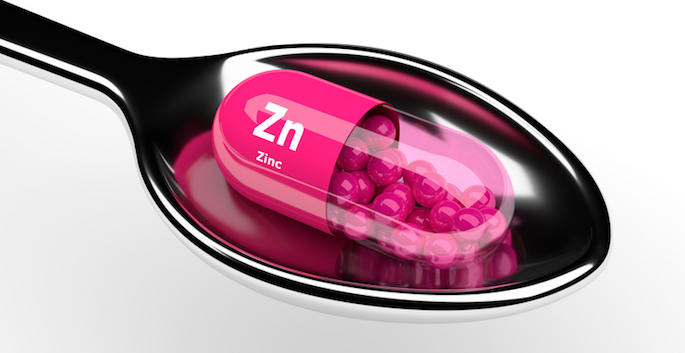
Study shows excess dietary zinc worsens C. diff infection
Too much dietary zinc increases susceptibility to infection by Clostridium difficile — “C. diff” — the most common cause of hospital-acquired infections. Read MoreSep 26, 2016
-
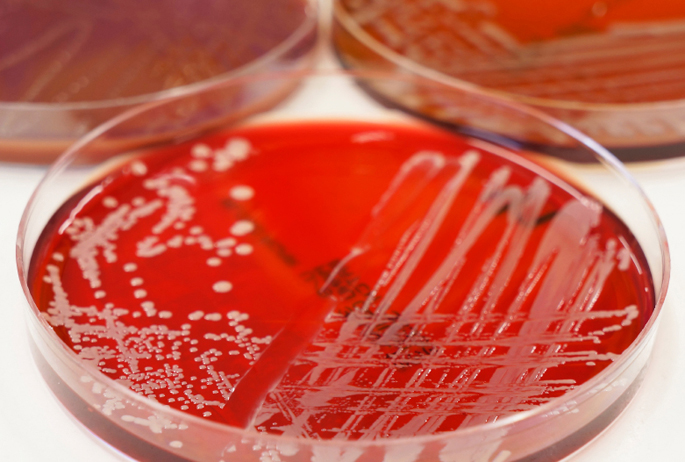
Detect and defend against pathogens
Understanding factors, such as the receptor TLR9, that detect and defend against pathogens may lead to therapeutic approaches that promote an effective immune response to treat infections. Read MoreNov 4, 2015
-

Skaar receives American Asthma Foundation award
Eric Skaar, Ph.D., MPH, the Ernest W. Goodpasture Professor of Pathology, has received a Scholar Award from the American Asthma Foundation (AAF). Read MoreAug 6, 2015
-

Skaar elected to American Academy of Microbiology
Eric Skaar, Ph.D., MPH Eric Skaar, Ph.D., MPH, the Ernest W. Goodpasture Professor of Pathology, has been elected to fellowship in the American Academy of Microbiology. Skaar is one of seven current Vanderbilt faculty members who are AAM fellows. The 2,400-member academy is an… Read MoreMar 19, 2015
-

Research Roundup, Winter 2015
Bacterial Bullies |Nurses Staying in Workforce Longer |A Reassessment of Minority-Serving Colleges | Vice–Virtue Bundles Read MoreDec 23, 2014
-

Physician-scientist is dream job for Vanderbilt’s Cassat
Jim Cassat, M.D., Ph.D., a pediatric infectious disease specialist who joined the Vanderbilt faculty this summer, loves taking care of children with bone infections and doing research to understand the host-pathogen interactions during these invasive infections. Read MoreDec 4, 2014
-
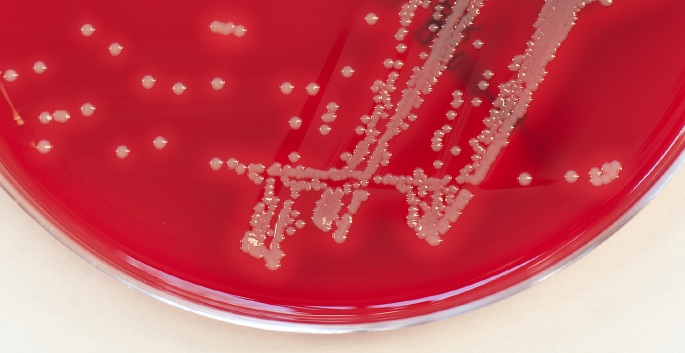
Staph ‘gangs’ share nutrients during infection: study
Antibiotic-resistant bacteria can share resources to cause chronic infections, Vanderbilt investigators have discovered. The findings shed light on a long-standing question in infectious diseases and may inform new treatment strategies. Read MoreOct 16, 2014
-
Anthrax bacteria’s signaling systems
Vanderbilt researchers have identified a new signaling system that anthrax bacteria uses to infect its host. Read MoreApr 15, 2014
-

Vanderbilt awarded $16.5 million agreement to determine how toxic agents affect human cells
Vanderbilt University has been awarded a Cooperative Agreement with the Defense Advanced Research Projects Agency and the Army Research Office that is worth up to $16.5 million over five years. Read MoreMar 3, 2014
-
Studies outline new model for staph bone infections
Osteomyelitis, a debilitating bone infection most frequently caused by Staphylococcus aureus (“staph”) bacteria, is particularly challenging to treat. Read MoreJun 20, 2013
-

Antibacterial protein’s molecular workings revealed
Vanderbilt investigators report new insights to the workings of calprotectin, an immune system protein that “starves” bacterial pathogens of the metal nutrients they require. Read MoreFeb 21, 2013
-
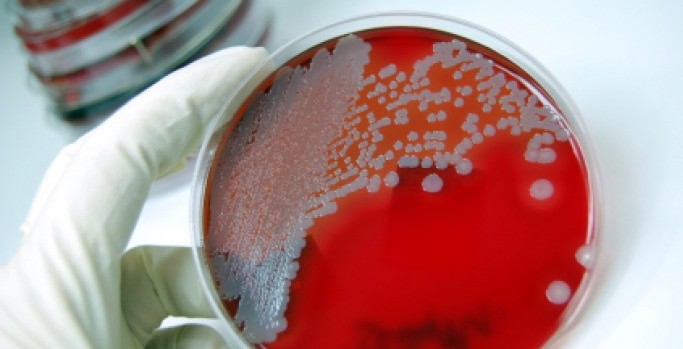
Zinc: a new antibiotic target?
It may be possible to fight hospital-acquired pathogens like Acinetobacter baumannii by targeting the bacterium’s need for the nutrient metal zinc. Read MoreJan 17, 2013
-
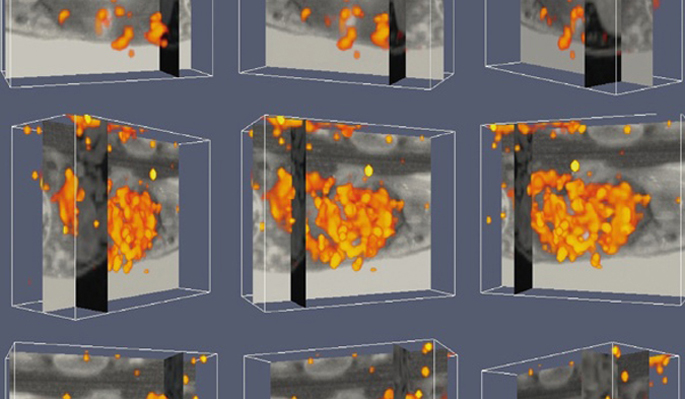
Team creates new view of body’s infection response
A new 3-D view of the body’s response to infection — and the ability to identify proteins involved in the response — could point to novel biomarkers and therapeutic agents for infectious diseases. Read MoreAug 9, 2012
-

Starvation diet kills staph bacteria
The antibiotics of the future could take a page from the immune system’s playbook – and “starve” bacteria of the nutrients they need. Read MoreAug 26, 2011