Department Of Physics And Astronomy
-
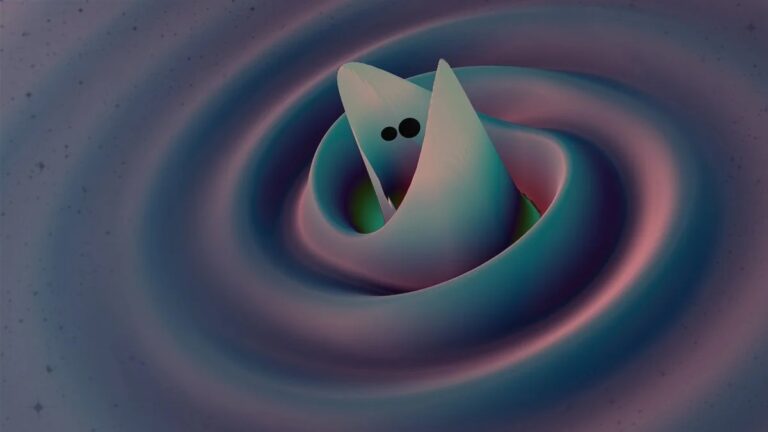
On the 10-year anniversary of the first gravitational wave detection, A&S astrophysicists lead the way in discoveries
On September 14, 2015, at 4:51 a.m. Central Time, scientists witnessed something no human had ever seen before: two black holes colliding. These black holes, which were 29 and 36 times the mass of the sun, respectively, had been circling each other for millions of years. Their rotations became increasingly faster until they eventually collided and became a single black hole. Since then, scientists have had numerous breakthroughs that deepen our understanding of the universe, and researchers in the College of Arts and Science have been at the forefront, shaping the scientific field of black holes and gravitational waves. Read MoreOct 23, 2025
-

Simons Foundation awards $8 million grant to uncover secrets of black holes and strong gravity
Over the next four years, Assistant Professor of Physics and Astronomy Alex Lupsasca will lead a Vanderbilt team in a multidisciplinary, multi-institutional collaboration funded by an $8 million grant from the Simons Foundation with a focus on black holes and strong gravity. Read MoreSep 4, 2025
-
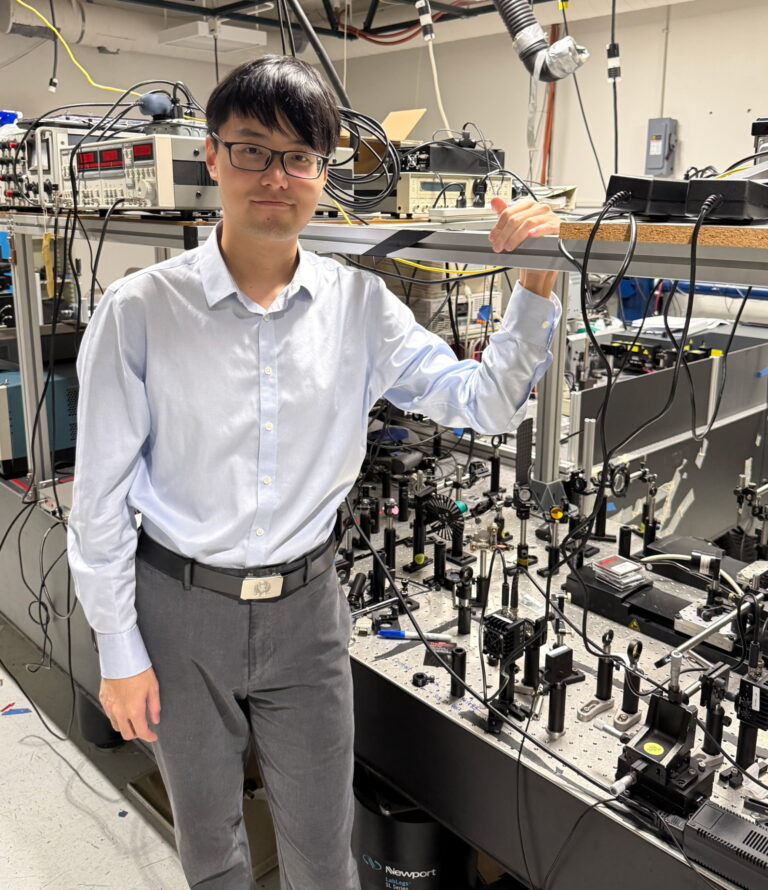
Metal and semiconductor particles could transform health and safety technologies
Ultra-thin layers of gold and copper sulfide developed by Vanderbilt doctoral student Yueming Yan with Associate Professor of Chemistry Janet Macdonald and Stevenson Professor of Physics Richard Haglund could revolutionize medical imaging and environmental sensing. The energy exchange between the metal and semiconductor particles—resonant energy transfer—can convert infrared light into visible and ultraviolet colors. The nanoscale films "could replace bulky optical sensors with flexible, wearable or even implantable devices, thus transforming health and safety technologies." Read MoreAug 7, 2025
-

Scientists discover new evidence of intermediate-mass black holes
While we know that intermediate-mass black holes should exist, little is known about their origins or characteristics—they are considered the rare “missing links” in black hole evolution. However, four new studies have shed new light on the mystery. The research was led by a team in the lab of Assistant Professor of Physics and Astronomy Karan Jani, who also serves as the founding director of the Vanderbilt Lunar Labs Initiative. Read MoreJun 12, 2025
-

Growing academically and personally through undergraduate research
Undergraduate research is a defining experience at Vanderbilt, providing students the opportunity to think critically, apply their knowledge, and engage in the scientific process. However, students also grow in unexpected ways beyond just technical skills they learn in the lab. Read MoreApr 23, 2025
-
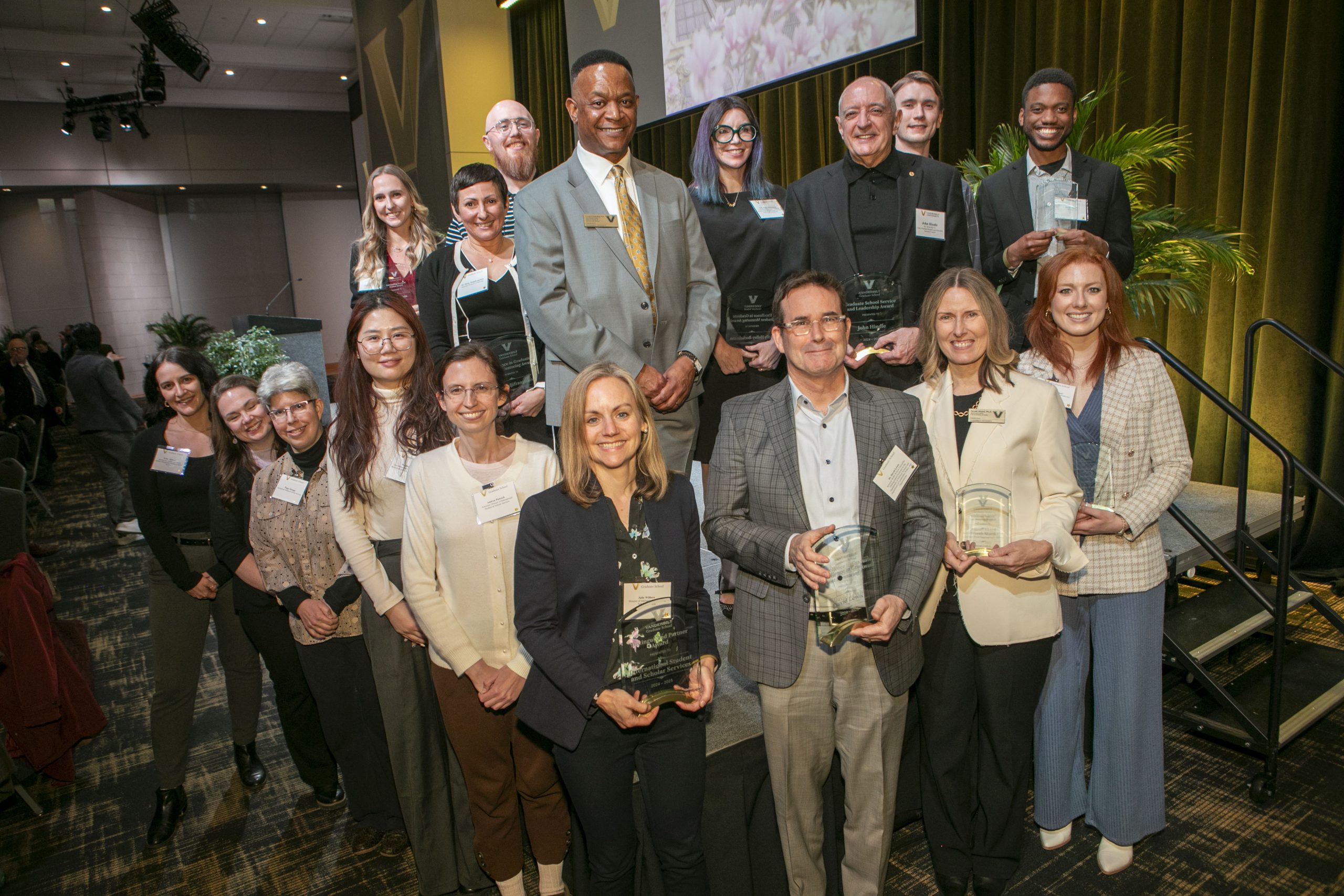
Graduate School recognizes excellence among students, faculty at Honors Banquet
The third annual Honors Banquet commemorated excellence in academics, leadership and innovation among Graduate School students and faculty. On March 20, the banquet was held to honor and reflect on remarkable achievements in research and creative expression from the more than 50 graduate programs and departments represented in the Graduate School. Read MoreApr 14, 2025
-
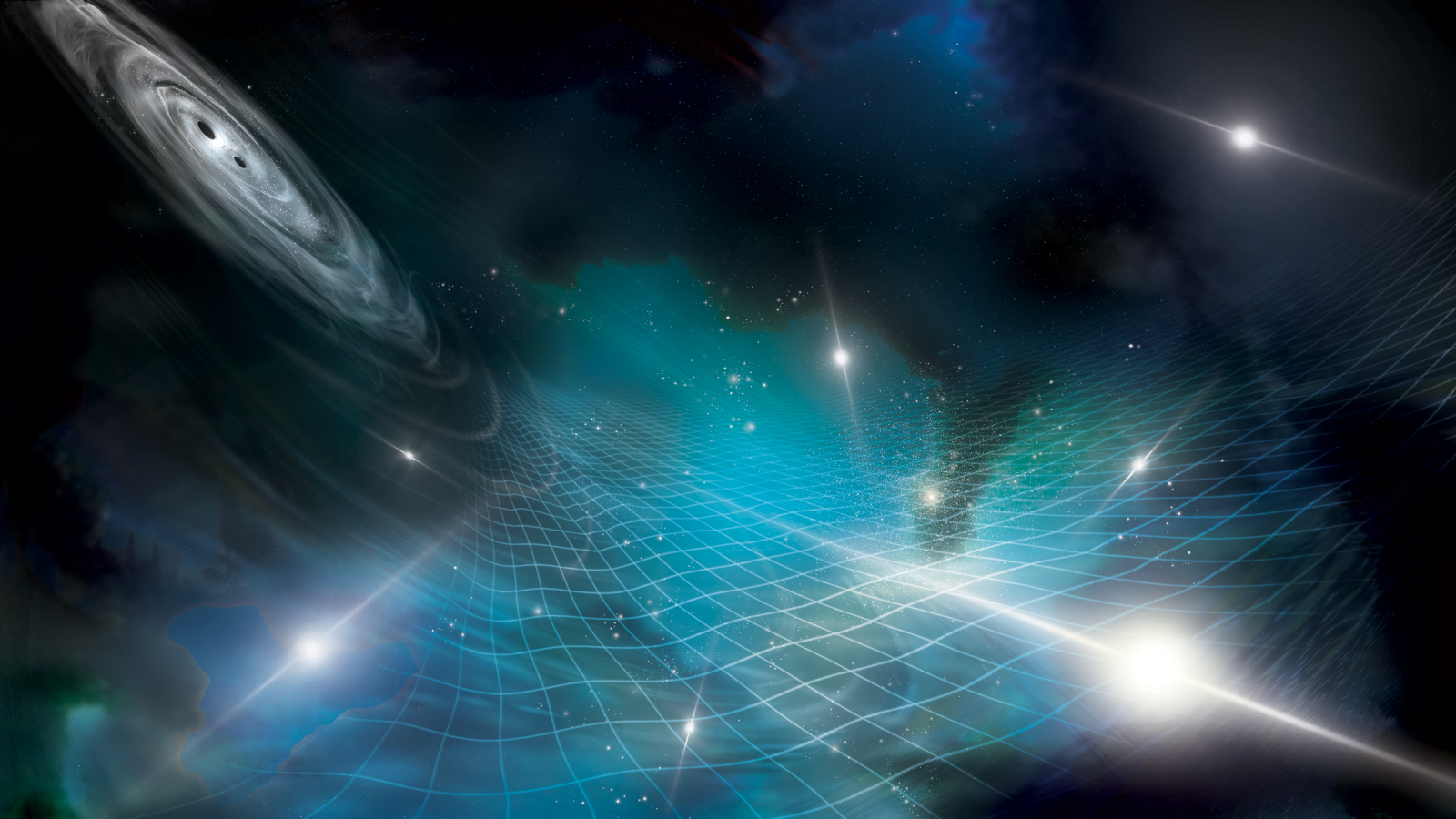
Vanderbilt’s AI for New Messengers fellowship drives breakthrough in black hole detection
Hunting for black holes sounds like the premise of a new Hollywood blockbuster, but at Vanderbilt University, Assistant Professor of Physics and Astronomy Karan Jani works with students in a lab to do exactly that. Last year, Jani’s group at the Department of Physics and Astronomy, along with the university’s Data Science Institute, jointly launched the AI for New Messengers postdoctoral fellowship. The fellowship, one of the first of its kind in the U.S., seeks to apply AI techniques to analyze data from cosmic events (such as black hole collisions) using information from the Nobel Prize–winning Laser Interferometer Gravitational-Wave Observatory (LIGO) experiment. Read MoreSep 25, 2024
-

Stephen Taylor appointed to NASA’s Laser Interferometer Space Antenna mission
Taylor is one of only six scientists nationwide appointed to the LISA team, a joint mission between the European Space Agency and NASA. LISA is a space-based gravitational wave detector constructed of three spacecraft separated by millions of miles in a triangle shape as big as the sun. Read MoreSep 19, 2024
-
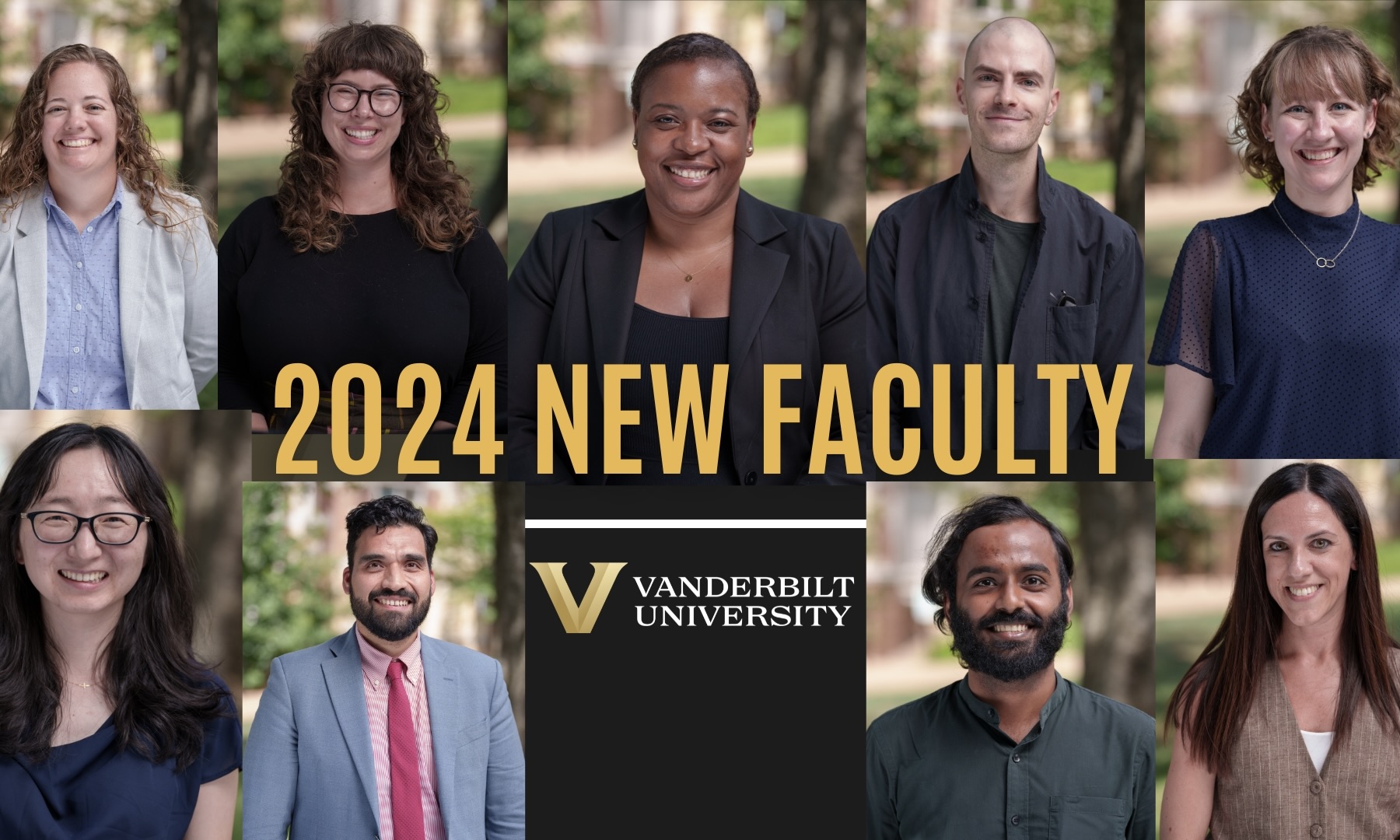
NEW FACULTY: Vanderbilt’s new faculty explain their transformative research
Meet some of our new faculty members and learn about their fascinating research. Read MoreSep 4, 2024
-
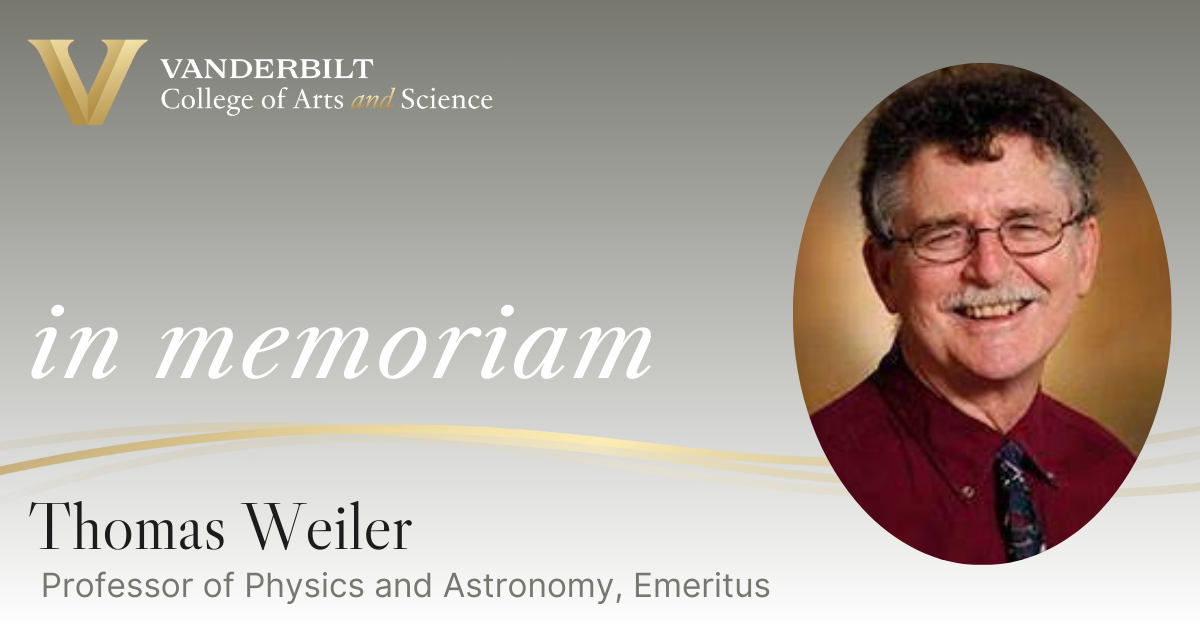
Thomas Weiler, emeritus professor of physics and astronomy, has died
Thomas Weiler, professor of physics and astronomy, emeritus, died December 17, 2023, after enduring a progressive neurodegenerative variant of Parkinson’s disease. He was 74. Read MoreJan 29, 2024
-
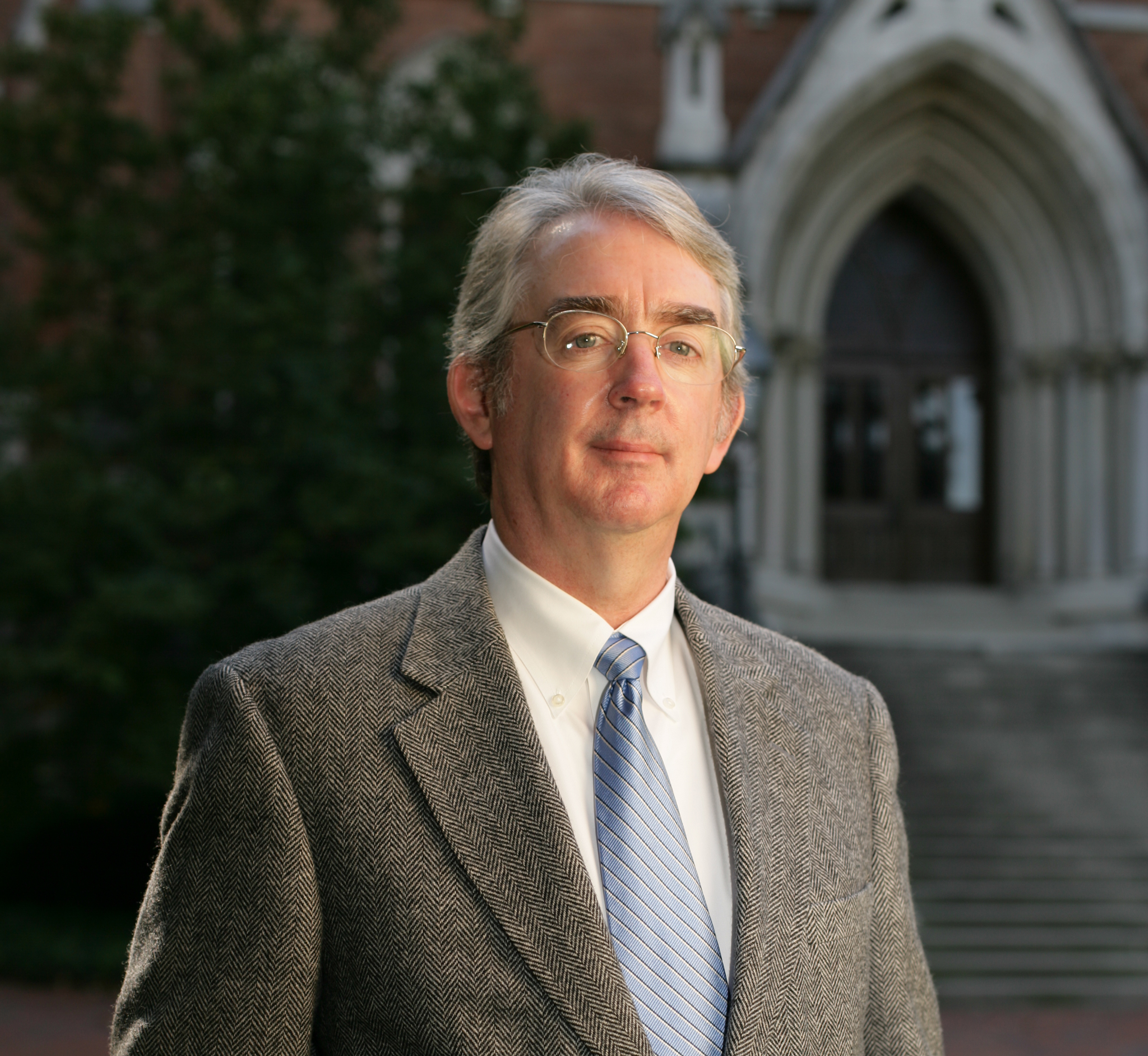
Dennis G. Hall, dean emeritus, professor and Vanderbilt’s first associate provost for research, has died
Dennis G. Hall, Vanderbilt’s first associate provost and later vice provost for research, dean emeritus of the Graduate School, professor emeritus of physics and professor emeritus of electrical engineering and computer science, died Jan. 6 in Nashville. Read MoreJan 16, 2024
-
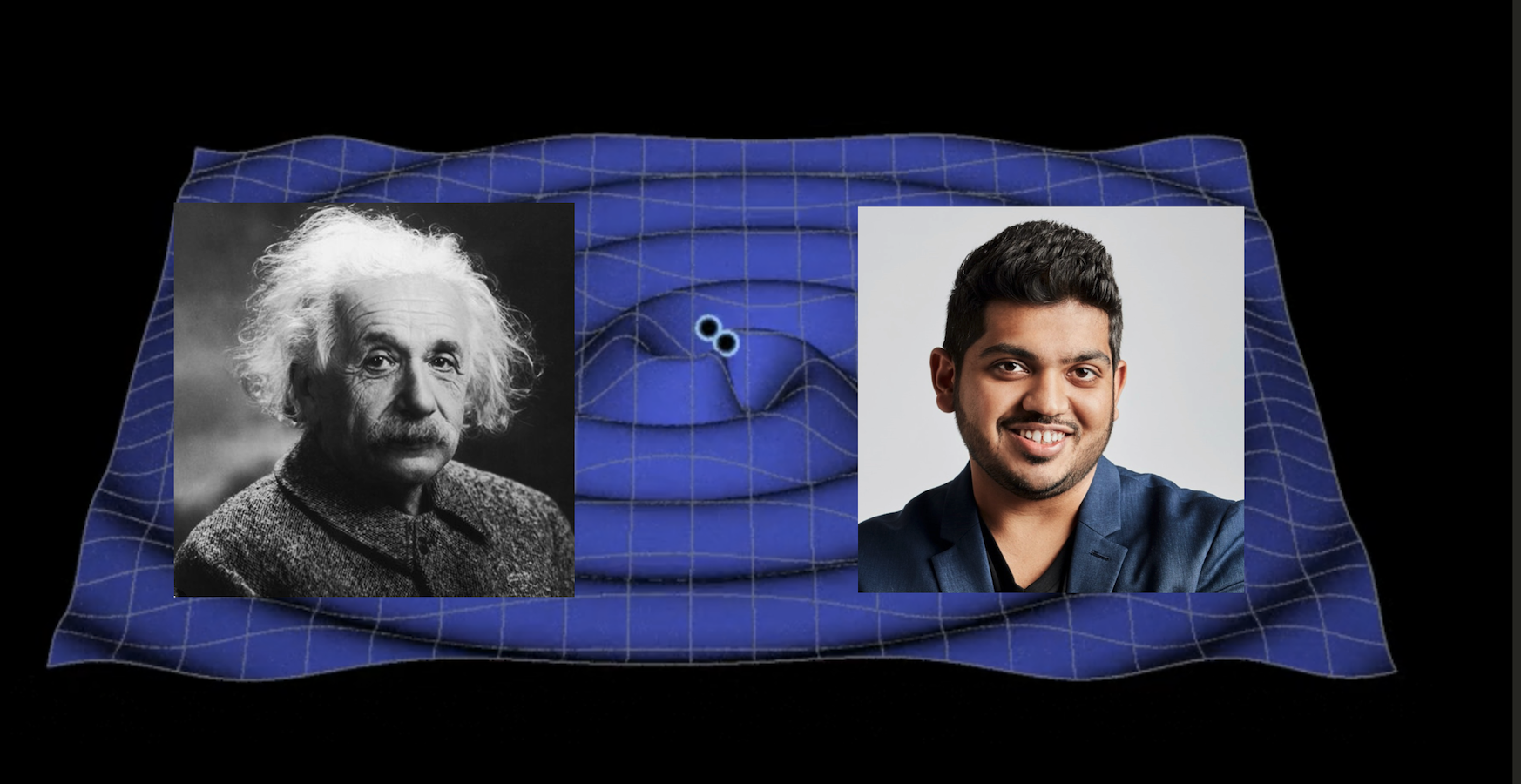
Scientist who helped prove Einstein theory opens doors to black holes for students with diverse majors
Vanderbilt astrophysicist Karan Jani helped prove Einstein's theory of relativity as it relates to black holes and gravitational waves. Learn how he's using his expertise to teach undergrads with diverse majors who are eager to learn about space. Read MoreJun 26, 2023
-
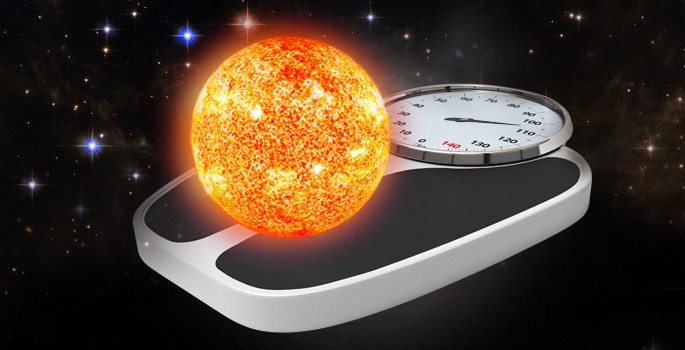
Better way to weigh millions of solitary stars
Astronomers have come up with a new and improved method for measuring the masses of millions of solitary stars, especially those with planetary systems. Read MoreDec 14, 2017
-
The Limits of Free Speech?
Watch video of a panel discussion about the limits of free speech, especially on college campuses. Moderated by John M. Seigenthaler, former news anchor for NBC, MSNBC and Al Jazeera America. Panelists include: Haka Mitchell, Executive Director of Rocketship Nashville; Norman Tolk, Vanderbilt Professor of Physics and liaison for the… Read MoreOct 10, 2016
-
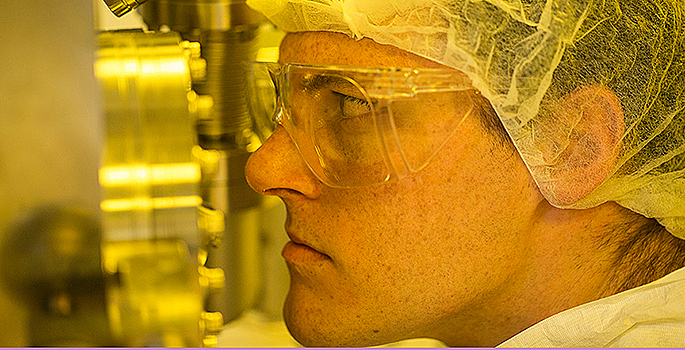
Nanoscale optical switch breaks miniaturization barrier
An ultra-fast and ultra-small optical switch has been invented that could advance the day when photons replace electrons in the innards of consumer products ranging from cell phones to automobiles. Read MoreMar 13, 2014
-
Predicting cancer’s response to therapy
Researchers are developing imaging methods to predict patient outcome early in the course of chemotherapy for breast cancer – to allow clinicians to adjust therapy for patients who are not responding. Read MoreJun 24, 2013
-
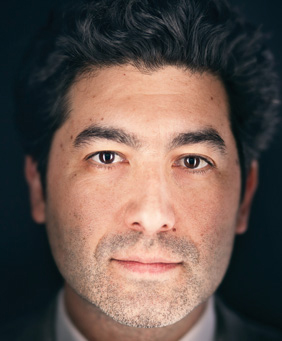
How Vanderbilt became the nation’s top producer of minority Ph.D recipients in physics, astronomy and materials science
Not long after he arrived at Vanderbilt nine years ago, Keivan Stassun, professor of astronomy, began building on a newly forged alliance with Fisk University, a historically black college just two miles from the Vanderbilt campus, in an effort to increase the number of African Americans, Latinos, Native Americans… Read MoreFeb 18, 2013
-
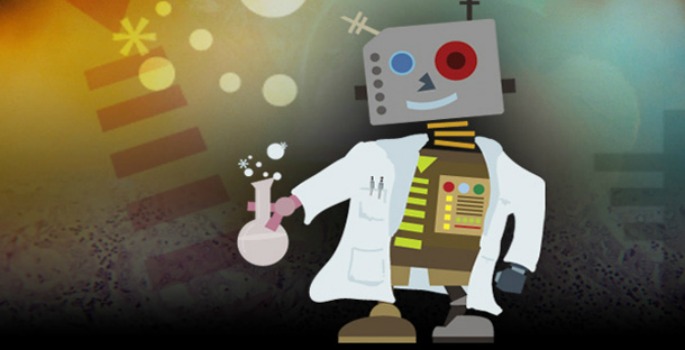
Robot biologist solves complex problem from scratch
A team of scientists has taken a major step toward developing robot biologists. They have shown that their system, the Automated Biology Explorer, can solve a complicated biology problem from scratch. Read MoreOct 13, 2011
-
Osher spring term has invigorating curriculum for older learners
The spring term 2011 of the Osher Lifelong Learning Institute at Vanderbilt offers a diverse offering of non-credit classes for older adults with shared interests. Read MoreMar 10, 2011
-
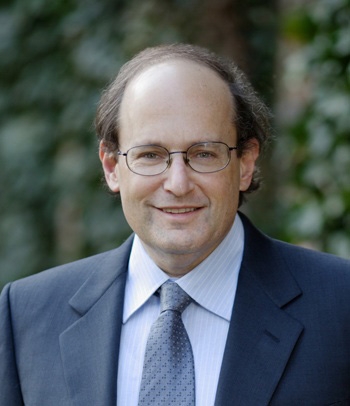
Inflationary universe subject of public lecture
Cosmologist Paul Steinhardt (Photo courtesy of Paul Steinhardt) Today, the idea that the universe expanded dramatically for a period of time after its birth in the Big Bang is one of the cornerstones of modern cosmology. However, Paul Steinhardt, the Albert Einstein Professor of Science at Princeton University,… Read MoreMar 4, 2011