Department Of Medicine
-

Salt, immune cells and hypertension
Excess dietary salt activates immune cells to induce inflammation and hypertension, supporting current recommendations for low sodium consumption. Read MoreAug 20, 2020
-
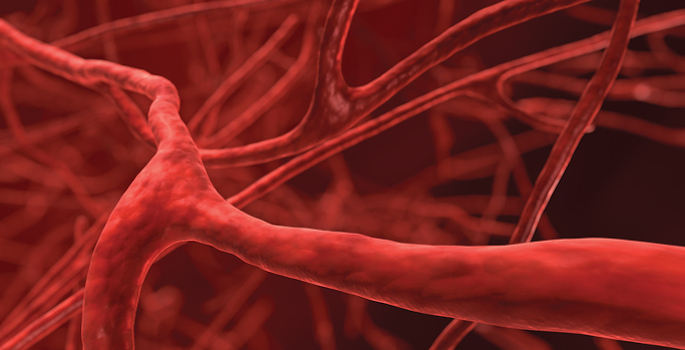
A “torque” for tumor blood vessels
Vanderbilt scientists have discovered a new target for normalizing tumor blood vessels to improve cancer immunotherapies. Read MoreAug 20, 2020
-
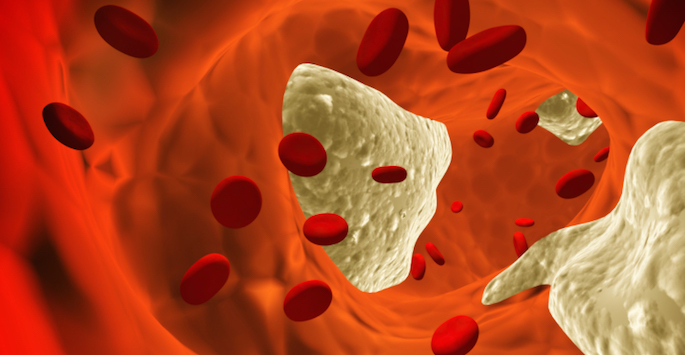
‘Scavenger’ molecule may point to new atherosclerosis treatment
A small-molecule “scavenger” that reduces inflammation and formation of atherosclerotic plaque in blood vessels in mice potentially could lead to a new approach for treating atherosclerosis in humans, according to researchers at Vanderbilt University Medical Center. Read MoreAug 20, 2020
-

A step toward cancer prevention
A computational technique that combines the effect of multiple genomic variants has the potential to identify high-risk individuals for cancer prevention. Read MoreAug 10, 2020
-

Appendix cancer survival in young patients varies by race: study
Appendiceal cancer — cancer of the appendix — is a rare malignancy that is usually found during surgery for acute appendicitis. Although the rate of appendectomies has been stable over the last two decades, the incidence of malignant appendiceal cancer increased 232% in the United States. Read MoreAug 6, 2020
-
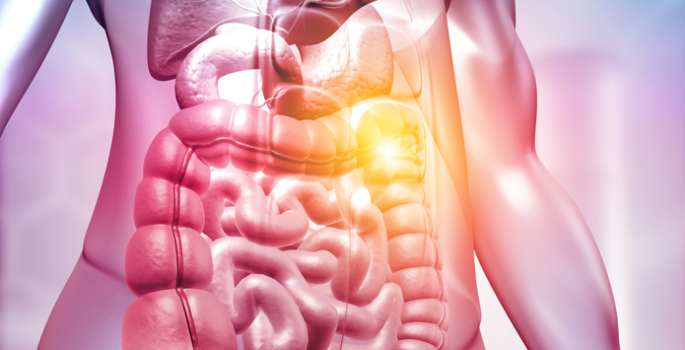
Study gauges specific site stomach cancer risks among ethnic groups
Non-white Americans, especially Asian Americans, are at disproportionately higher risk for gastric cancer compared to non-Hispanic white Americans. A new study breaks down this risk according to specific ethnicities and locations within the stomach. Read MoreAug 6, 2020
-
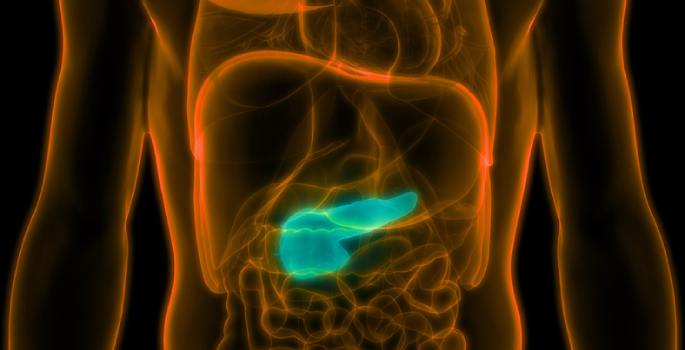
Pseudoislet system expected to advance pancreas and diabetes research
The multicellular, 3-D structure of human pancreatic islets — the areas of the pancreas containing hormone-producing or endocrine cells — has presented challenges to researchers as they study and manipulate these cells’ function, but Vanderbilt University Medical Center researchers have now developed a pseudoislet system that allows for much easier study of islet function. Read MoreJul 30, 2020
-
Protein study may be key to treating fibrotic diseases
A protein linked to amyotrophic lateral sclerosis (ALS), a progressive neurological disease that causes muscle weakness, may be a key to treating fibrotic disease of the kidneys and other organs, researchers at Vanderbilt University Medical Center reported recently. Read MoreJul 30, 2020
-

Soy food, metabolism and the microbiome
Consumption of soy foods may shape the microbiome and protect against hypertension only in individuals with soy-responsive microbiota, Vanderbilt researchers have discovered. Read MoreJul 27, 2020
-
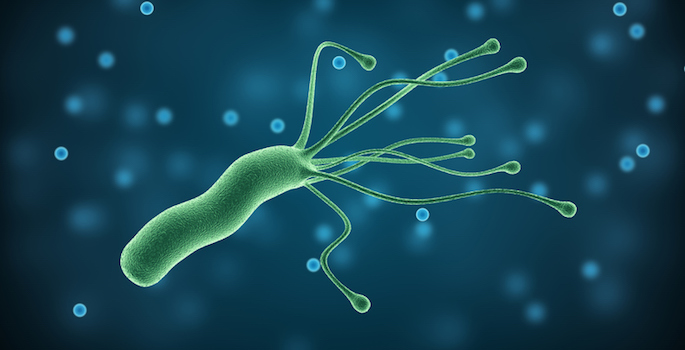
Stomach bug hit-and-run
The H. pylori machinery that “injects” an oncoprotein into stomach cells contributes to the development of gastric cancer, Vanderbilt researchers demonstrate. Read MoreJul 23, 2020
-

Kripalani to lead Center for Health Services Research
Sunil Kripalani, MD, MSc, professor of Medicine at Vanderbilt University Medical Center, has been appointed director of the Vanderbilt Center for Health Services Research. Read MoreJul 9, 2020
-
New clues to lung-scarring disease may aid treatment
Scientists at Vanderbilt University Medical Center and the Translational Genomics Research Institute (TGen) in Phoenix, Arizona, have discovered previously unreported genetic and cellular changes that occur in the lungs of people with pulmonary fibrosis (PF). Read MoreJul 8, 2020
-
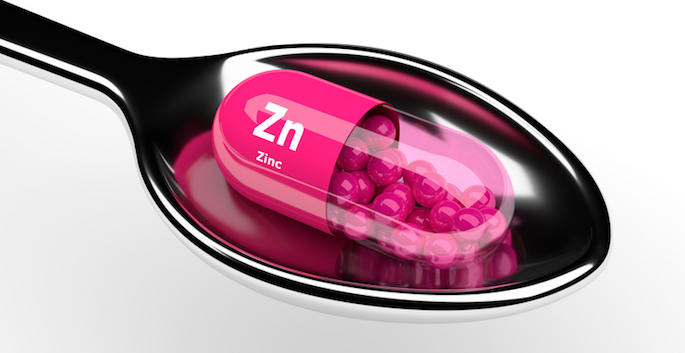
Study finds zinc doesn’t reduce mortality, other health risks, for heavy alcohol users living with HIV/AIDS
Zinc supplementation did not reduce mortality, cardiovascular risk, levels of inflammation or microbial translocation among people with heavy alcohol use living with HIV/AIDS, according to a Vanderbilt-led study. Read MoreJun 24, 2020
-
Robotic technology speeds arrhythmia gene classification
Vanderbilt University Medical Center investigators have used high-throughput robotic technology to rapidly study and classify variations in a gene linked to heart rhythm disorders and cardiac conditions. Read MoreJun 12, 2020
-
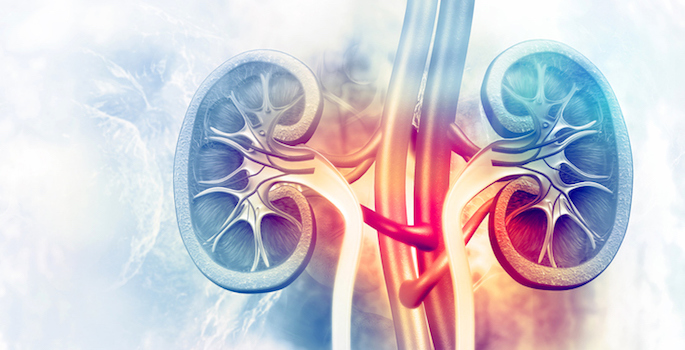
Protecting the injured kidney
Leslie Gewin and colleagues have upended conventional dogma about Wnt/beta-catenin signaling in the kidney, finding that it protects against chronic kidney disease rather than promoting it. Read MoreJun 4, 2020
-
Potential new cancer target
Vanderbilt researchers have discovered the involvement of a certain type of adenosine receptor in mediating signaling that supports tumor growth and metastasis. Read MoreJun 4, 2020
-
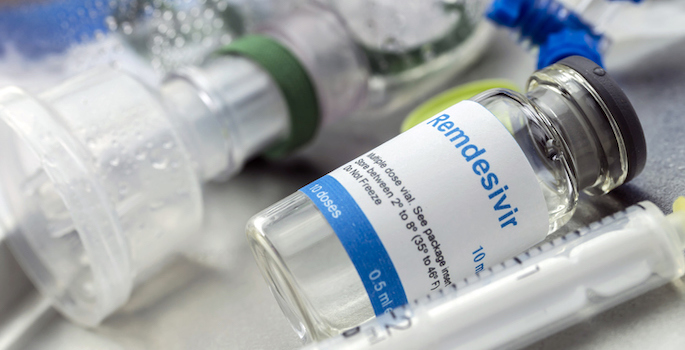
Remdesivir helps reduce COVID-19 recovery time: study
The investigational antiviral drug remdesivir can shorten the time to recovery in adults hospitalized with COVID-19, according to preliminary results of a clinical trial published last month in The New England Journal of Medicine. Read MoreJun 4, 2020
-
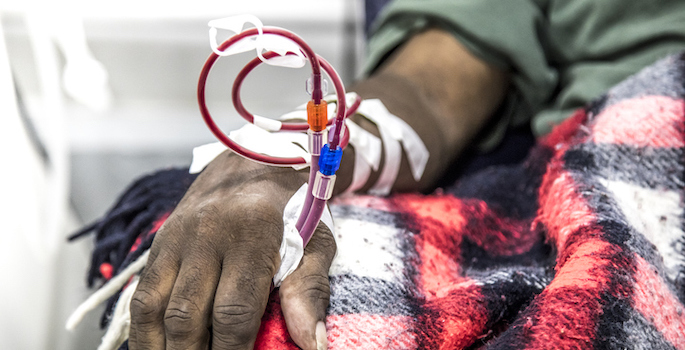
Implant one day may replace dialysis
Vanderbilt researchers used pharmacological manipulations to increase salt and water transport by kidney cells grown in culture, a step necessary for realizing an implantable artificial kidney device. Read MoreMay 18, 2020
-

Study to determine rate of novel coronavirus infection in U.S. children
Researchers at Vanderbilt University Medical Center are leading a nationwide study to determine the rate of novel coronavirus infection in U.S. children and their families. Read MoreMay 14, 2020
-

The role of diet in esophageal cancer
New findings suggest that dietary calcium and magnesium affect the risk of esophageal cancer; if confirmed in interventional studies, they could inform dietary modifications to reduce the burden of this cancer. Read MoreMay 4, 2020