David Weintraub
-
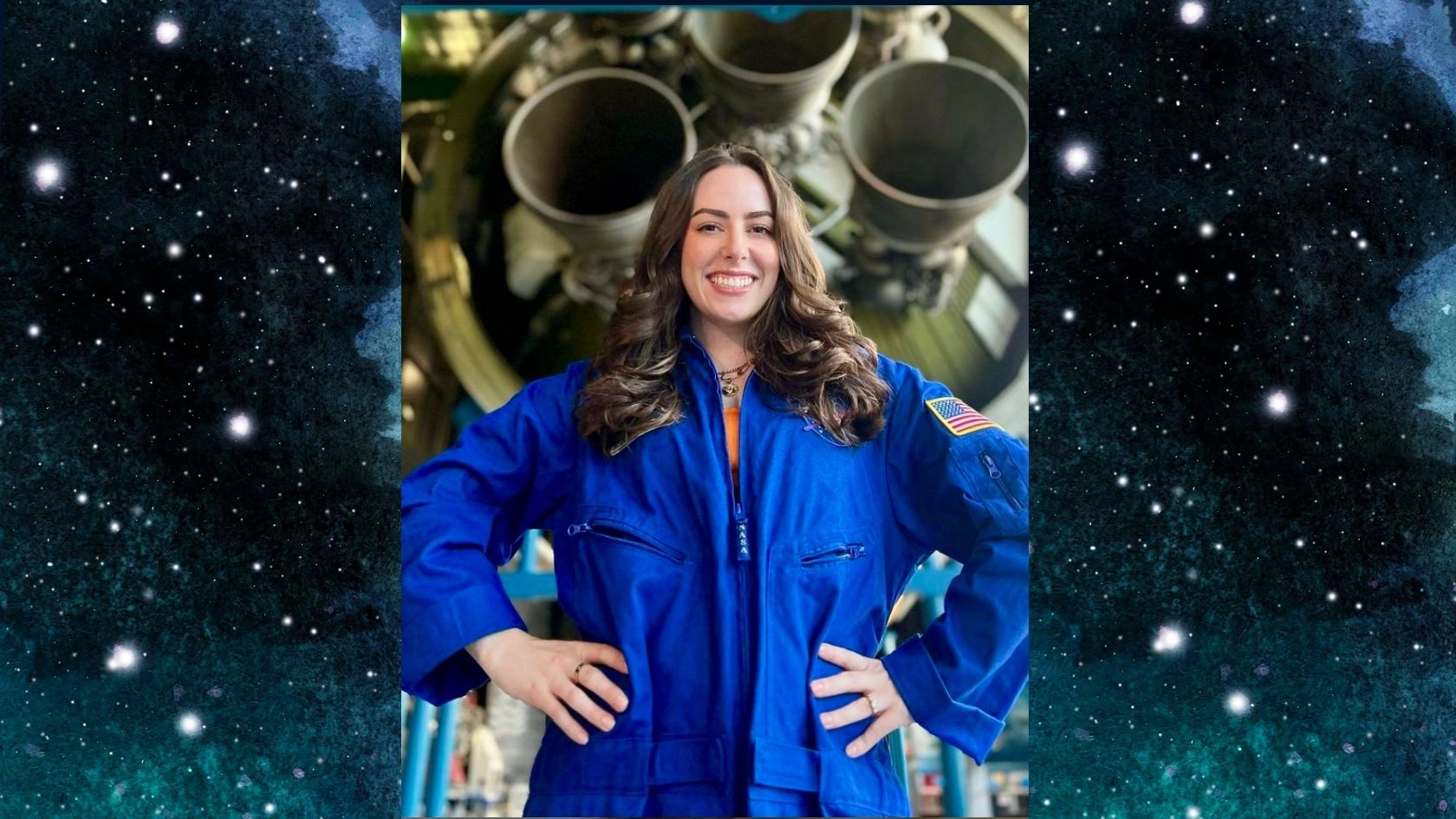
Alexandra Doten, BA’18, turns love of astronomy into TikTok triumph
See how Alexandra Doten, BA'18 is turning her love for all things space into a social media adventure. Read MoreJan 31, 2024
-

Vanderbilt Magazine: Consider the Martians
Scientists need to confirm whether life exists on Mars before sending humans, according to Professor of Astronomy David Weintraub. Read MoreOct 7, 2018
-

Consider the Martians: Scientists need to confirm whether life exists on Mars before sending humans
Before we go further and send humans to Mars, we need to know if doing so could trigger the extinction of existing life on the planet, writes Professor of Astronomy David Weintraub. Read MoreSep 6, 2018
-

Op-ed: Is your religion ready to meet E.T.?
"No matter which (a)theistic background informs your theology, you may have to wrestle with the data astronomers will be bringing to houses of worship in the very near future," writes astronomy professor David Weintraub for The Conversation. Read MoreDec 2, 2014
-
VUCast: E.T. phone God?
In the latest VUCast: A Vanderbilt astronomer looks at how different religions may handle alien life; why early Earth may not have been as “hellish” as first thought; and check out the national baseball championship bling! Watch now. Read MoreSep 29, 2014
-

A revolution in astronomy: How we came to know what we know
Science has progressed from wild speculation about Earth’s planetary neighbors—including how they formed and whether they are inhabited—to a better understanding of our celestial neighborhood, David Weintraub, professor of astronomy, writes in "Scientific American." Read MoreOct 14, 2013
-
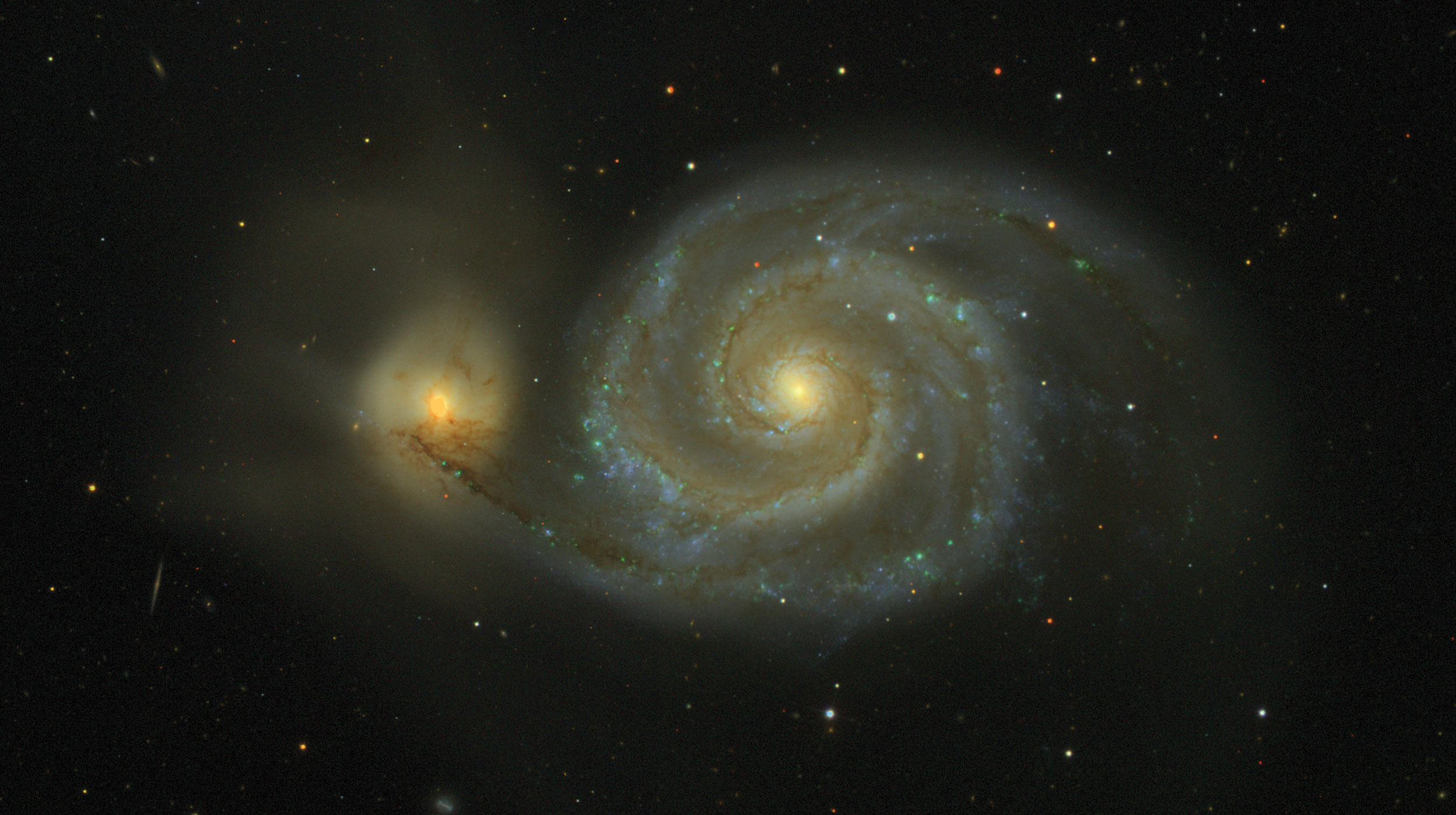
Largest 3-D Map of Universe Released to Public
Stargazers, rejoice: The largest-ever 3-D map of the universe has been released to the public. The new map contains images of 200 million galaxies. Read MoreJan 11, 2013
-

Newborn star’s spots confirm stellar growth theory
The latest observations of a newly born star have found that it has a pair of spots on its surface that are heated to more than one million degrees. The presence of these spots confirms a theory for how stellar infants grow advanced by Professor of Astronomy David Weintraub and a colleague. Read MoreJul 10, 2012
-
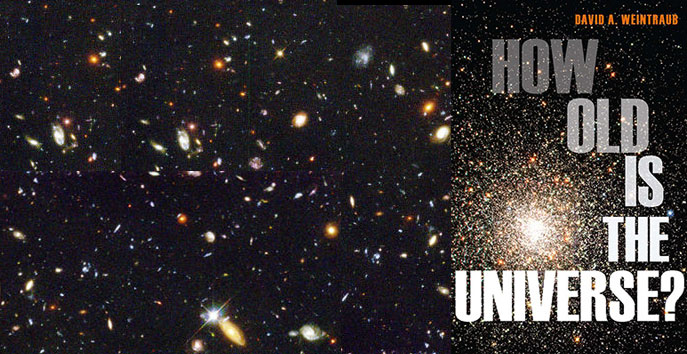
Listen: Making astronomy meaningful
Professor of Astronomy David Weintraub wanted his students to remember more of what they learned in his introductory class than the answers to typical questions on a quiz show. That was a strong impetus for his book How Old Is The Universe? It strives to make astronomy understandable… Read MoreOct 25, 2011
-
Taking introductory astronomy beyond Jeopardy and Trivial Pursuit
Astronomer David Weintraub has given introductory astronomy a “CSI” format by following the scientific evidence that gives us the age of the universe and has put this in a popular science book. Read MoreOct 7, 2011
-
How old is the universe? (part 6)
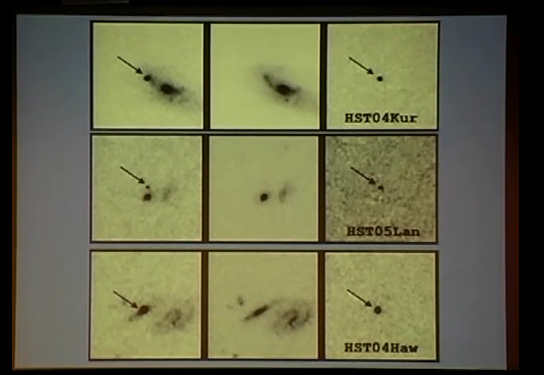
Watch video of Vanderbilt Professor David A. Weintraub speaking April 27 on “How Old is the Universe?” as part of the Osher Lifelong Learning Institute. David A. Weintraub is professor of astronomy, director of the Communication of Science & Technology program, and director of Undergraduate Studies for Department of Physics… Read MoreApr 28, 2011
-
How old is the universe? (part 5)
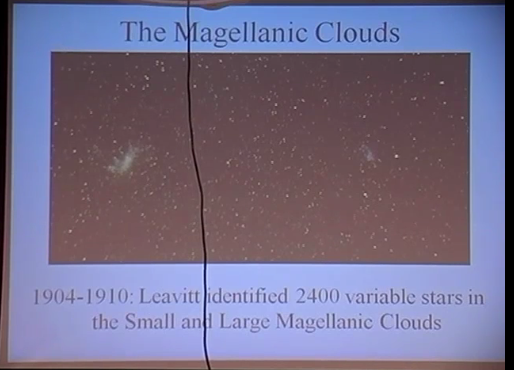
Watch video of Vanderbilt Professor David A. Weintraub speaking April 20 on “How Old is the Universe?” as part of the Osher Lifelong Learning Institute. David A. Weintraub is professor of astronomy, director of the Communication of Science & Technology program, and director of Undergraduate Studies for Department of Physics… Read MoreApr 21, 2011
-
How old is the universe? (part 4)
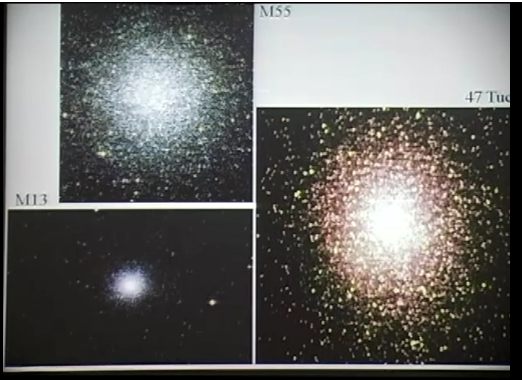
Watch video of Vanderbilt Professor David A. Weintraub speaking April 13 on “How Old is the Universe?” as part of the Osher Lifelong Learning Institute. David A. Weintraub is professor of astronomy, director of the Communication of Science & Technology program, and director of Undergraduate Studies for Department of Physics… Read MoreApr 14, 2011
-
How old is the universe? (part 3)
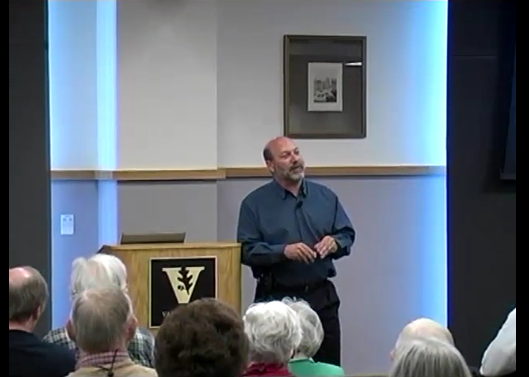
Watch video of Vanderbilt Professor David A. Weintraub speaking April 6 on “How Old is the Universe?” as part of the Osher Lifelong Learning Institute. David A. Weintraub is professor of astronomy, director of the Communication of Science & Technology program, and director of Undergraduate Studies for Department of Physics… Read MoreApr 11, 2011
-
How old is the universe? (part 2)
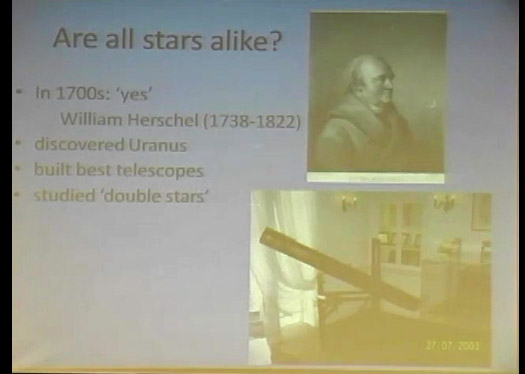
Watch video of Vanderbilt Professor David A. Weintraub speaking March 30 on “How Old is the Universe?” as part of the Osher Lifelong Learning Institute. David A. Weintraub is professor of astronomy, director of the Communication of Science & Technology program, and director of Undergraduate Studies for Department of Physics… Read MoreMar 31, 2011
-
How old is the universe? (part 1)
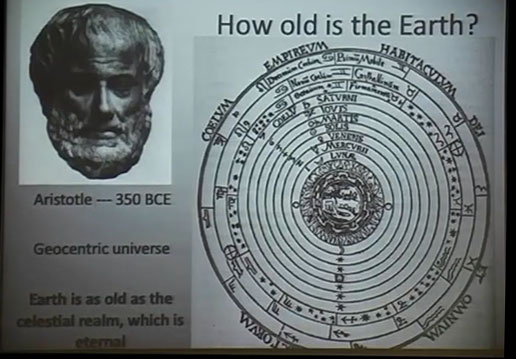
Watch video of Vanderbilt Professor David A. Weintraub speaking March 23 on “How Old is the Universe?” as part of the Osher Lifelong Learning Institute. David A. Weintraub is professor of astronomy, director of the Communication of Science & Technology program, and director of Undergraduate Studies for Department of Physics… Read MoreMar 24, 2011
-

Osher spring term has invigorating curriculum for older learners
The spring term 2011 of the Osher Lifelong Learning Institute at Vanderbilt offers a diverse offering of non-credit classes for older adults with shared interests. Read MoreMar 10, 2011
-
Two-Part Stellar Nights program at Vanderbilt Dyer Observatory examines age of universe
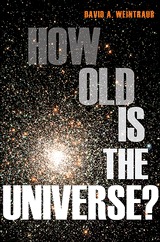
March 8th and May 3rd lectures open to the public Vanderbilt University Professor of Astronomy David A. Weintraub will present a two-part lecture series titled “How Old is the Universe?” at the Vanderbilt Dyer Observatory. The first lecture will take place on Tuesday, March 8, and the second lecture… Read MoreFeb 15, 2011
-
Vanderbilt’s role in largest digital sky image
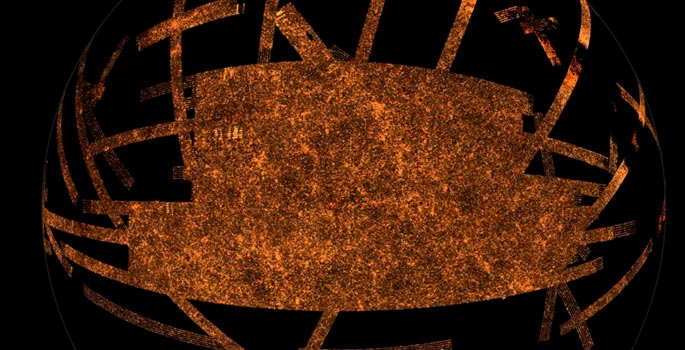
The Sloan Digital Sky Survey-III collaboration, which includes Vanderbilt University, has resulted in a picture of the sky so big that it would take 500,000 high-definition TVs to view it at full resolution. The color image contains more than a trillion pixels and covers about one-third of the entire sky. Read MoreJan 13, 2011