Biomedical Engineering
-

Vanderbilt engineering professor receives over $2 million in funding for genome sequencing research
Maizie (Xin) Zhou, assistant professor of biomedical engineering and computer science, is the recipient of a $1.9 million award from the National Institutes of Health. She has also received $120,000 from Complete Genomics, a leader in human genome sequencing. The Maximizing Investigators’ Research Award (MIRA)(R35) from the National Institute of General Medical Sciences (NIH) will... Read MoreDec 15, 2022
-
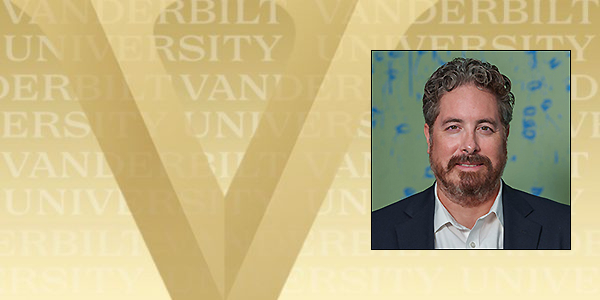
Michael R. King named National Academy of Inventors Fellow
Vanderbilt University engineering professor Michael R. King has been elected a fellow of the National Academy of Inventors, the highest professional distinction accorded solely to academic inventors. Read MoreDec 8, 2022
-

Michael R. King named National Academy of Inventors Fellow
Vanderbilt University engineering professor Michael R. King has been elected a fellow of the National Academy of Inventors. The NAI Fellows Program recognizes academic inventors who have created or facilitated outstanding inventions that make a tangible impact on quality of life, economic development, and the welfare of society. Election to NAI Fellow is the highest... Read MoreDec 8, 2022
-
Vanderbilt study finds that diabetes may hasten breast cancer tumor growth and stiffness
While diabetes is already associated with an increased risk of developing breast cancer, a new Vanderbilt study published in Science Advances on November 18 indicates that presence of the disease may increase tumor growth and stiffness. Researchers also found that diabetes treatments could reduce the tumor growth and stiffness to levels comparable with non-diabetic ones.... Read MoreNov 18, 2022
-
VISE affiliate receives prestigious NIH award for her research on Alzheimer’s Disease
Biomedical engineering doctoral student Sarah Goodale has been awarded a National Institute on Aging Transition to Postdoc Fellowship for her proposed work on investigating fatigue and sleep disturbance symptoms in Alzheimer’s Disease and their relationship with functional and structural properties of the brain and intellectual decline. The National Institutes of Health NIA F99/K00 award supports... Read MoreNov 3, 2022
-
Engineering researcher Catie Chang harnesses the power of computational analysis to gain new insights into how the brain works
Advances in neuroimaging over the past 25 years have ushered in nothing short of a revolution in technology for understanding the human brain. These new technologies have opened broad vistas for scientists, from being able to pinpoint regions of the brain responsible for various functions and behaviors to targeting new treatments for illnesses ranging from... Read MoreOct 27, 2022
-
Vanderbilt researchers provide hope with innovative breast cancer vaccine
As a child, Jenna Dombroski was at her grandfather’s bedside when cancer took his life. A scientist, he was her inspiration. Years later, the Vanderbilt University Ph.D. student and National Science Foundation Graduate Research Fellow is honoring him by leading the development of what appears to be a promising treatment for breast cancer metastasis, and... Read MoreOct 27, 2022
-
Audrey Bowden receives NIH funding to develop point-of-care detection of jaundice in newborns
Audrey Bowden, Dorothy J. Wingfield Phillips Chancellor’s Faculty Fellow and associate professor of biomedical and electrical engineering, has won a grant from the National Institute of Biomedical Imaging and Bioengineering to develop a novel noninvasive smartphone-integrated device to provide accurate, point-of-care detection of jaundice in newborns of all skin tones. Audrey Bowden Newborns have immature... Read MoreOct 13, 2022
-

High blood pressure may accelerate bone aging according to new study led by Vanderbilt biomedical engineering graduate student
When high blood pressure was induced in young mice, they had bone loss and osteoporosis-related bone damage comparable to older mice, according to new research presented at the American Heart Association’s Hypertension Scientific Sessions 2022 conference. Read MoreSep 7, 2022
-
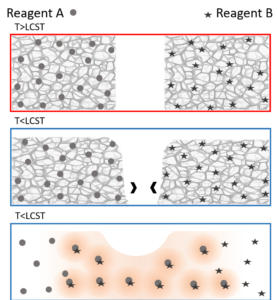
Vanderbilt research shows how a gel that “melts” at cold temperatures can be used to start chemical reactions
A new study by Vanderbilt researchers demonstrates the ability to initiate chemical reactions by cooling materials instead of heating them. Read MoreAug 29, 2022
-
Vanderbilt research shows how a gel that “melts” at cold temperatures can be used to start chemical reactions
A new study by Vanderbilt researchers demonstrates the ability to initiate chemical reactions by cooling materials instead of heating them— a counterintuitive process that could open new vistas for applications ranging from monitoring shipping conditions to developing smart clothing that guards against dangerously low temperatures. The paper, published in August by the journal RSC Advances,... Read MoreAug 29, 2022
-
Nanoparticles boost anti-cancer immunity
by Bill Snyder The growth of epithelial ovarian cancer, one of the most lethal malignancies, is associated with the presence of tumor-associated macrophages (TAMs), white blood cells that can block the anti-cancer activity of the immune system and immunotherapy. Fortunately, TAMs can be “repolarized,” converted from immunosuppressive tumor-promoters to inflammatory tumor-fighters. Now, Associate Professor of Pharmacology Fiona Yull,... Read MoreAug 16, 2022
-
Cynthia Reinhart-King is Senior Associate Dean for Research in School of Engineering
Cynthia Reinhart-King, Cornelius Vanderbilt Professor of Engineering and professor of biomedical engineering, has accepted the position of Senior Associate Dean for Research. Her appointment comes as Associate Dean for Research and John R. Hall Professor of Chemical Engineering Peter Cummings steps down and has announced his retirement. Reinhart-King is a cellular bioengineer who is a leader... Read MoreJul 1, 2022
-
Three engineering faculty win Vanderbilt grants to support early-stage pioneering research
Three engineering faculty members have received grants to support the early stages of pioneering research projects identified as likely candidates for further funding from federal, foundation and industry sponsors. Spring 2022 Seeding Success Grants were awarded to 14 faculty and are the second cycle of the internal early investment funding initiative. The grants, awarded to faculty spanning the... Read MoreJun 29, 2022
-
Engineering doctoral student is Vanderbilt’s first recipient of Rabi Young Investigator Award
Vanderbilt engineering graduate student Sai Abitha Srinivas received the I.I. Rabi Young Investigator Award at the 2022 meeting of the International Society for Magnetic Resonance in Medicine, held May 7-12 in London. This award is recognition for her work to improve image quality in portable MRI systems with minimal passive shielding that could reduce the... Read MoreJun 3, 2022
-
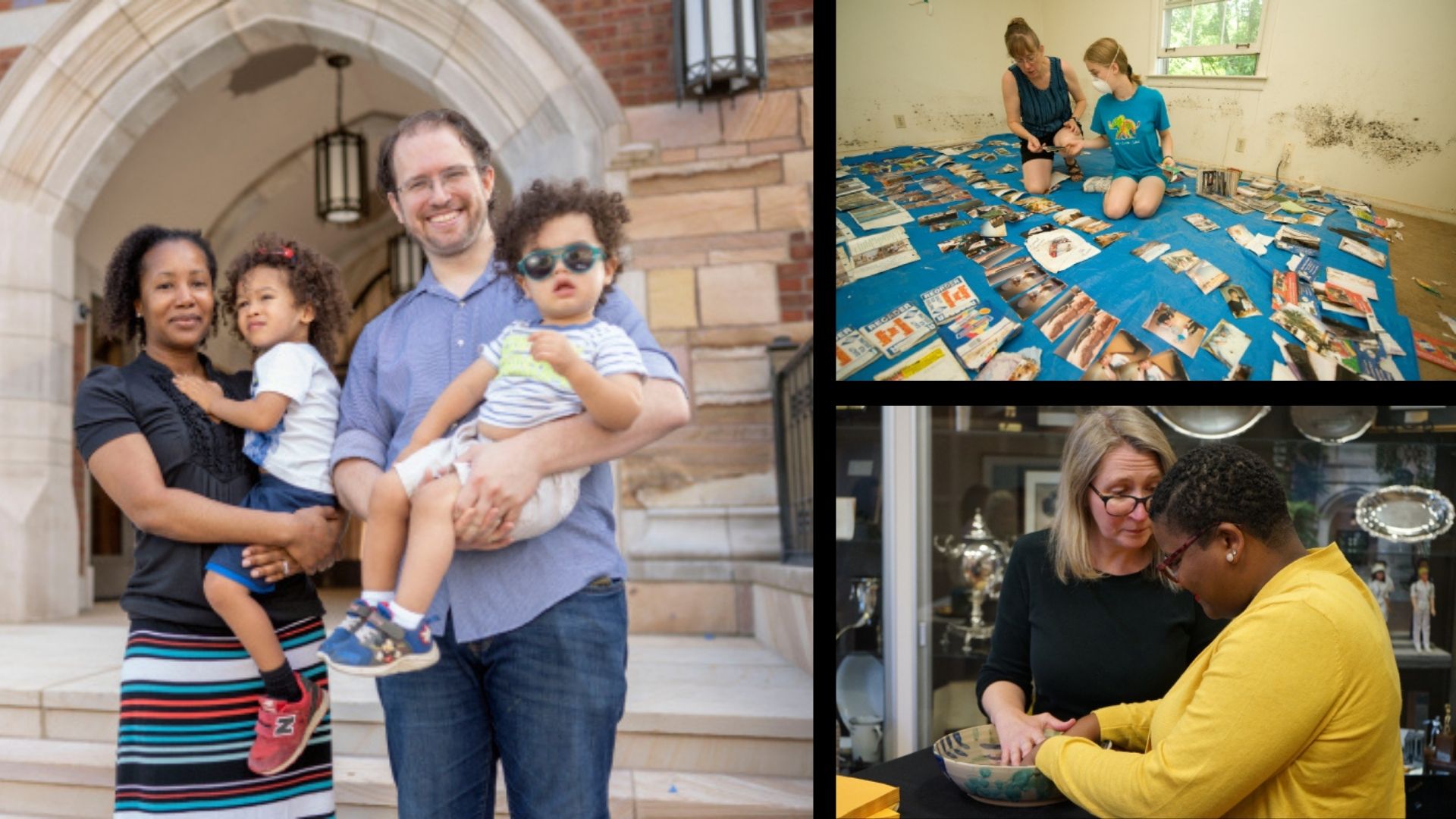
Moms who research moms: Spotlighting VU research on motherhood
They say motherhood is the toughest job you’ll ever love. That’s true for this group of Vanderbilt researchers, who’ve built successful careers around researching various aspects of parenthood while raising their own children. Read MoreMay 5, 2022
-
Nineteen engineering students awarded prestigious NSF Graduate Research Fellowships
Biomedical engineering nets more than any BME department in the country with 10 Sixteen engineering graduate students have been awarded a highly competitive government-funded National Science Foundation Graduate Research Fellowship. Three engineering undergraduate students also received NSF fellowships. NSF Fellows receive a three-year annual stipend of $34,000 along with a $12,000 allowance for tuition and fees... Read MoreApr 29, 2022
-
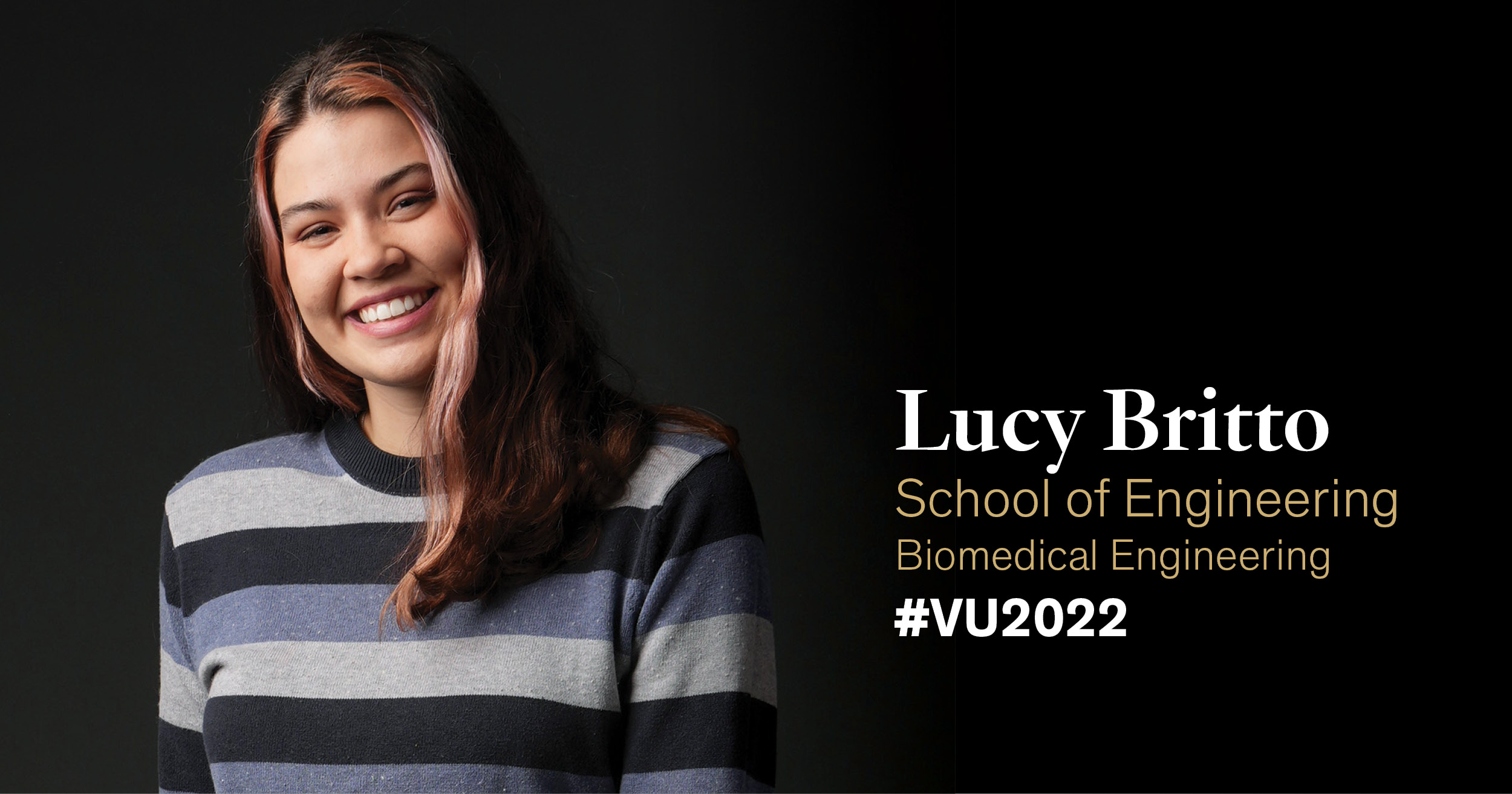
Class of 2022: Lucy Britto broadens access to biomedical science community through mentoring
When digging into a scientific challenge, biomedical engineering major Lucy Britto aims to do more than solve a problem. She also wants to open doors to the scientific community by helping others understand the solution and broadening access for traditionally underrepresented groups. Read MoreApr 26, 2022
-
International collaboration reveals how the human brain evolved to harness abstract thought
By Marissa Shapiro THE IDEA The human brain is organized in functional networks—connected brain regions that communicate with each other through dedicated pathways. That is how we perceive our senses, how the body moves, how we are able to remember the past and plan for the future. The “default mode” network is the part of... Read MoreApr 12, 2022
-
International collaboration reveals how the human brain evolved to harness abstract thought
By Marissa Shapiro THE IDEA The human brain is organized in functional networks—connected brain regions that communicate with each other through dedicated pathways. That is how we perceive our senses, how the body moves, how we are able to remember the past and plan for the future. The “default mode” network is the part of... Read MoreApr 12, 2022