Biomedical Engineering
-
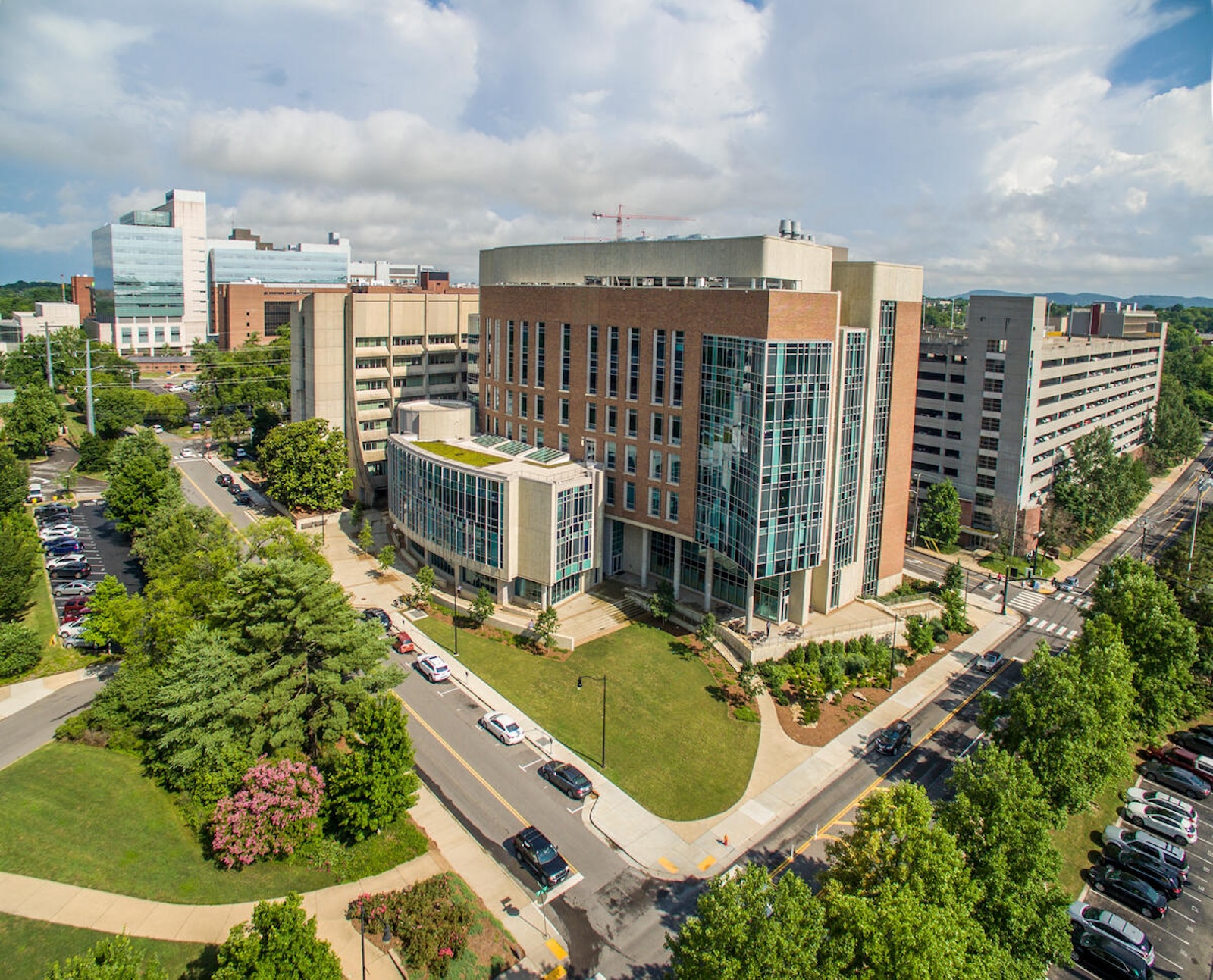
Vanderbilt consortium receives award to use AI-enhanced technology to target motor neuron diseases
Vanderbilt NeuroCline, a consortium of researchers from Vanderbilt Health and Vanderbilt University, has received a prestigious award to explore using artificial intelligence to find new drug targets for amyotrophic lateral sclerosis (ALS), the most common form of motor neuron disease. Read MoreMay 28, 2026
-
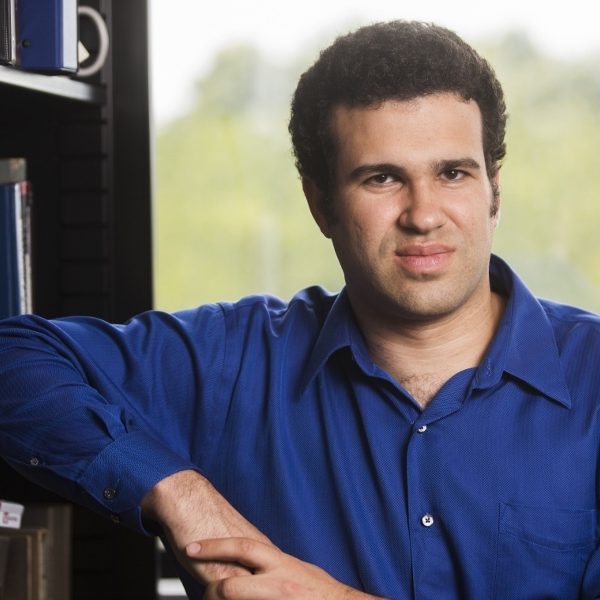
Innovative drug delivery mechanism triggered by cooling could provide targeted pain relief
While using an ice pack to ease pain is nothing new, a Vanderbilt team has taken the concept high-tech. Associate Professor Leon Bellan leads the group that has developed a cold-triggered “depot”—an implantable device that releases medication from within the body on demand. This shows promise on two fronts: Patients can release the medication simply by putting an ice pack over the implant, and locally effective NSAID drugs can be used instead of more addictive opioids. Read MoreDec 4, 2025
-
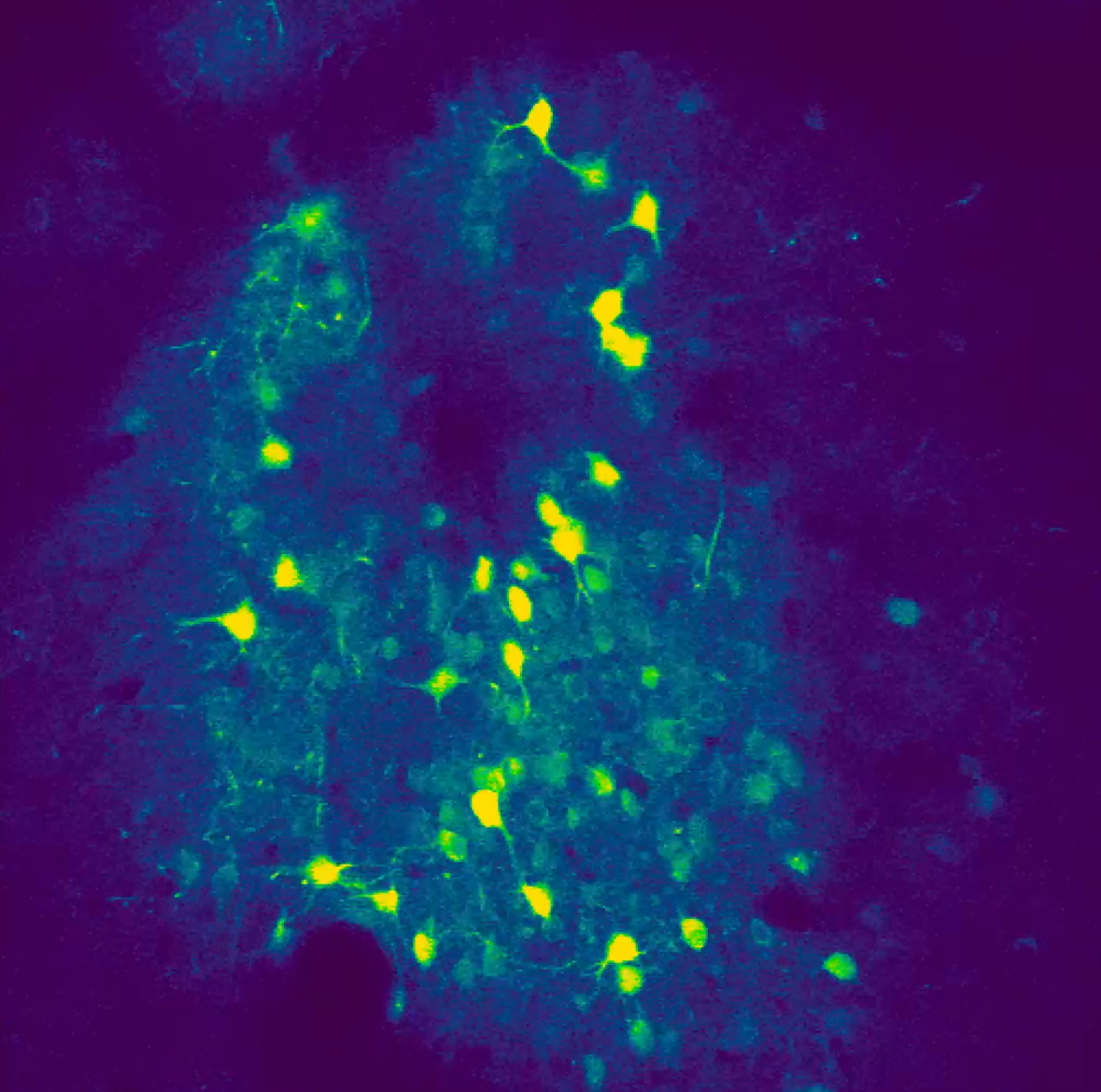
Novel technology in Gonzales Lab helps better understand brain activity, disorders
Much of the human brain is still a mystery, largely because it’s pretty difficult to see what’s going on in there. Assistant Professor Daniel Gonzales and the team in his lab are working to make that easier. They’re using experimental platforms that record brain activity with unprecedented precision on all levels. It works on everything from whole-brain networks to individual synapses—tiny gaps between brain cells that are one-tenth the width of a human hair. “We can … really detail pictures of brain activity during learning,” Gonzales said. “And then we can apply that to study diseases that degrade learning.” Read MoreOct 10, 2025
-

Researchers receive $1.2 million NSF grant to develop smart microscope system
Vanderbilt researchers have received a $1.2 million grant from the National Science Foundation to develop a smart microscope system that uses artificial intelligence to help scientists better understand how cells behave, particularly in diseases like cancer. Read MoreJul 17, 2025
-

Breakthrough study shows how brain-to-computer ‘electroceuticals’ can help restore cognition
Just like electrical stimulation of heart muscles can restore a regular heartbeat, new research led by Thilo Womelsdorf suggests that "electroceutical" intervention in the brain can improve memory and other cognitive functions wrought by behavioral health disorders and diseases like Alzheimer's and Parkinson's. Womelsdorf, professor of psychology and biomedical engineering at the Vanderbilt Brain Institute, said, “For these cognitive disabilities, brain-computer interfaces promise to become next-generation electroceutical treatment options.” Read MoreJul 10, 2025
-
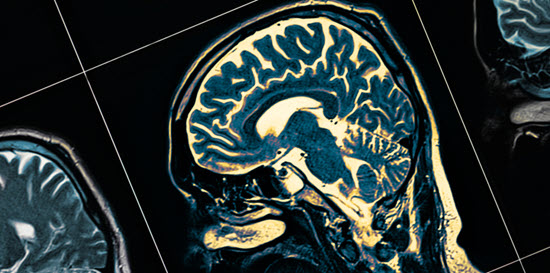
Vanderbilt researchers at forefront of global collaboration that advances preclinical imaging with diffusion MRI
Three seminal articles published in Magnetic Resonance in Medicine mark a landmark achievement in preclinical imaging science. These works, authored by an international consortium of 58 scientists, including Vanderbilt University’s Kurt Schilling, Bennett Landman, Adam Anderson, and Kevin Harkins, offer comprehensive guidelines for using diffusion magnetic resonance imaging (dMRI) in preclinical research. Read MoreFeb 6, 2025
-
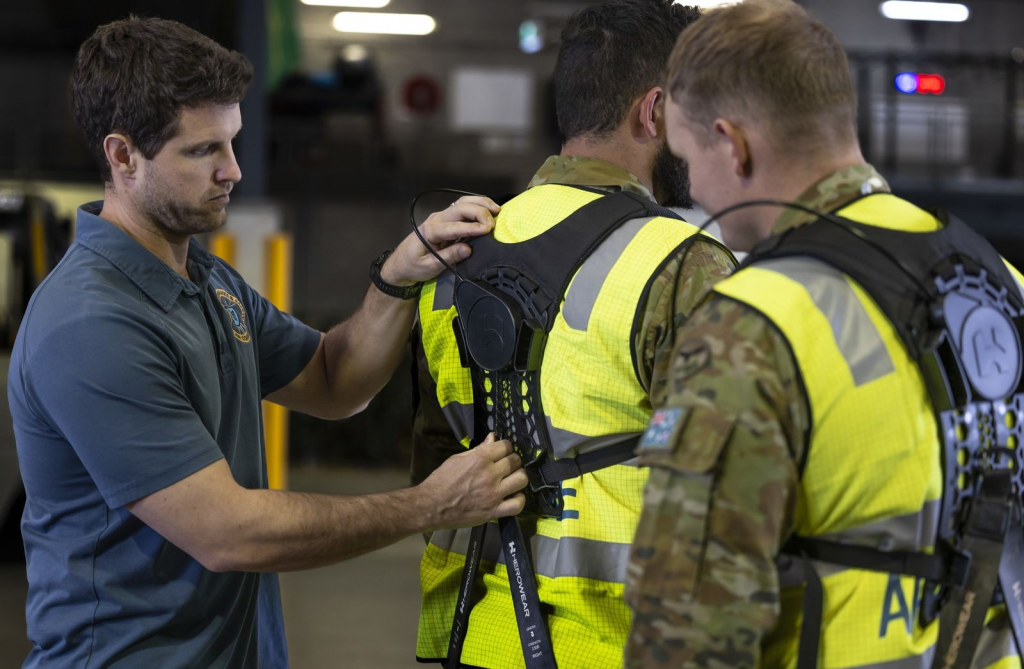
Royal Australian Air Force rolls out hundreds of exosuits created by Vanderbilt spin-off company to reduce back injuries
A back-relieving exosuit designed by HeroWear, a Nashville-based workforce wearable technology company, was co-founded by Karl Zelik, associate professor of mechanical and biomedical engineering and physical medicine and rehabilitation, and two alumni, is continuing to show its effectiveness with the Royal Australian Air Force ordering hundreds of additional suits and eyeing larger expansion. Read MoreOct 3, 2024
-

Michael Miga appointed director of the Vanderbilt Institute for Surgery and Engineering
Harvie Branscomb Professor Michael I. Miga has been appointed director of the Vanderbilt Institute for Surgery and Engineering (VISE). Miga is a co-founder of VISE with Cornelius Vanderbilt Professor of Engineering Benoit Dawant, whom he succeeds. Read MoreSep 24, 2024
-
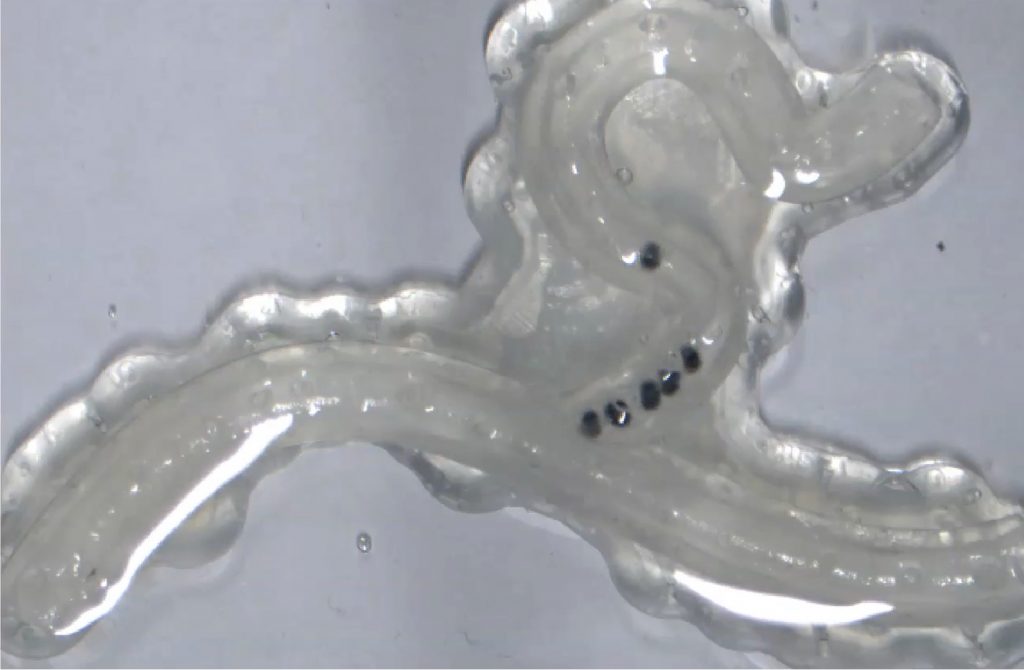
Novel technology enabling sampling of liquids in confined spaces could aid early detection of cancer
Vanderbilt researchers have developed technology for sampling body liquids in tortuous and narrow spaces that could lead to early detection of diseases like cancer. Read MoreSep 12, 2024
-
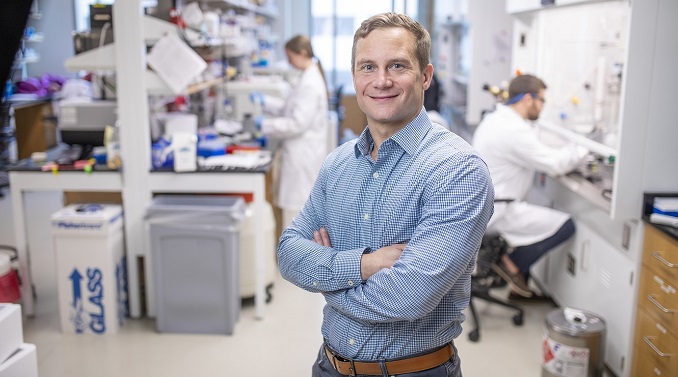
New nanoparticles boost immune system in mice to fight skin, breast cancer
Vanderbilt researchers have developed a set of nanoparticles that stimulate the immune system in mice to fight cancer and may eventually do the same in humans. Read MoreJul 25, 2024
-
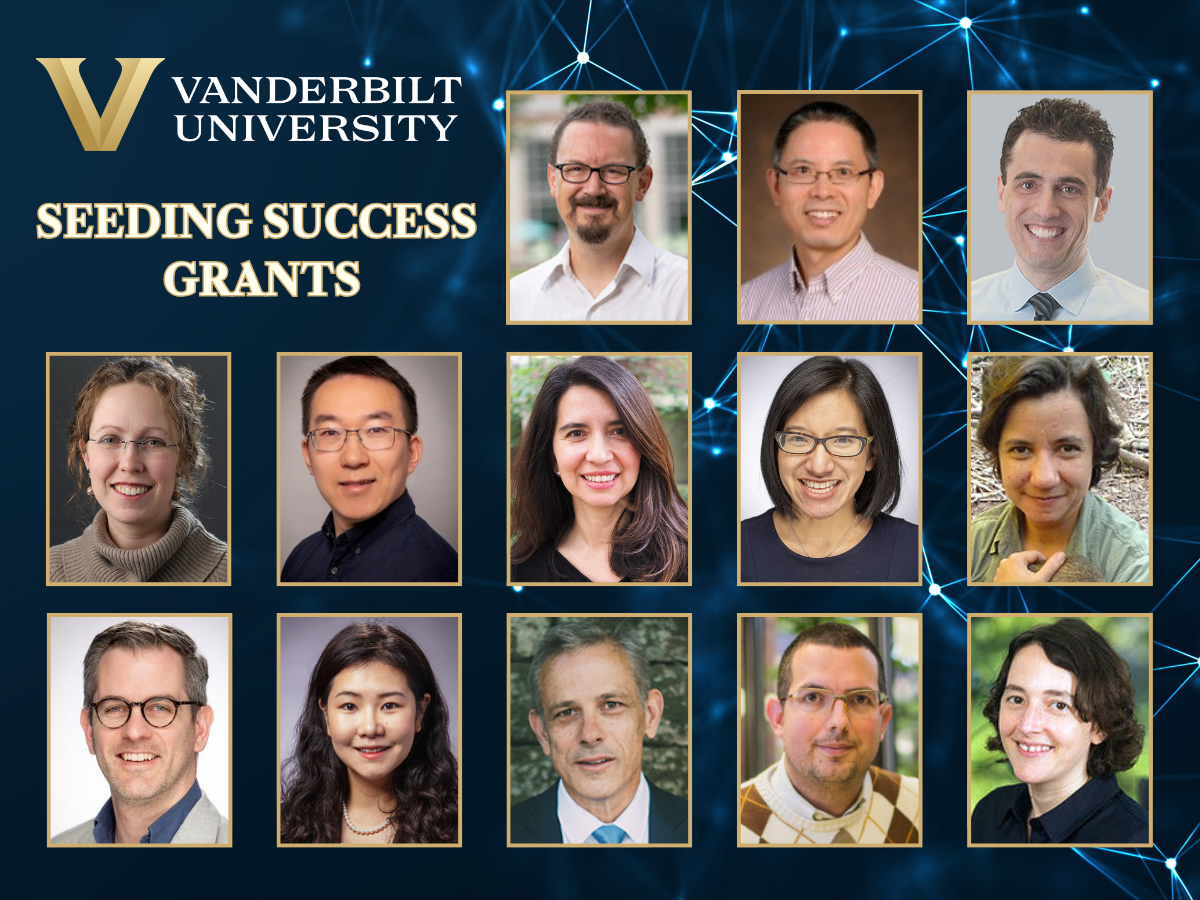
Vanderbilt names spring 2024 Seeding Success Grant awards
Thirteen innovative projects across seven colleges and schools have been selected for the spring 2024 round of Seeding Success internal grants. The Office of the Vice Provost for Research and Innovation announced the recipient list on May 31. Read MoreJun 25, 2024
-

NSF names 34 Vanderbilt students and alumni as 2024 graduate research fellows
The prestigious fellowship program assists exceptional graduate students pursuing research-based master’s and doctoral degrees across various fields, including science, technology, engineering, mathematics, STEM education and social sciences supported by NSF. Read MoreJun 17, 2024
-

Robotic device restores wavelike muscular function involved in processes like digestion, aiding patients with compromised organs
A team of Vanderbilt researchers has developed a wirelessly activated device that mimics the wavelike muscular function in the esophagus and small intestine responsible for transporting food and viscous fluids for digestion. Read MoreJun 7, 2024
-

WATCH: These Class of 2024 students use ‘dare to grow’ passion to help others
Meet members of the Class of 2024 with a unique passion and perspective on how to live out the Dare to Grow motto. Read MoreApr 26, 2024
-

CLASS OF 2024: Schyler Rowland finds a home in the lab, collaborating to fight diseases
WATCH: Learn how biomedical engineering major Schyler Rowland says mentors have inspired her future in fighting diseases Read MoreMar 1, 2024
-
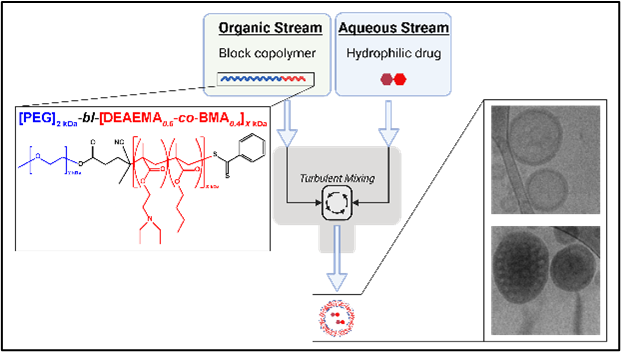
Researchers develop new nanoparticle to boost immune system
Vanderbilt researchers have developed a new nanoparticle that can more effectively get drugs inside of cells to boost the immune system and fight diseases like cancer. Read MoreFeb 27, 2024
-

New NIH grant funds novel brain network approach to improve epilepsy surgery
A multidisciplinary group of investigators from Vanderbilt University Medical Center, Vanderbilt University, and the University of Pennsylvania received a $3.2 million grant to develop novel brain network-based measures to guide surgical decisions and improve outcomes in the field of epilepsy surgery. Read MoreJan 18, 2024
-

New NIH grant funds novel brain network approach to improve epilepsy surgery
A multidisciplinary group of investigators from Vanderbilt University Medical Center, Vanderbilt University, and the University of Pennsylvania received a $3.2 million grant to develop novel brain network-based measures to guide surgical decisions and improve outcomes in the field of epilepsy surgery. Epilepsy is a debilitating neurological disorder where seizures are often resistant to medications, but... Read MoreJan 18, 2024
-
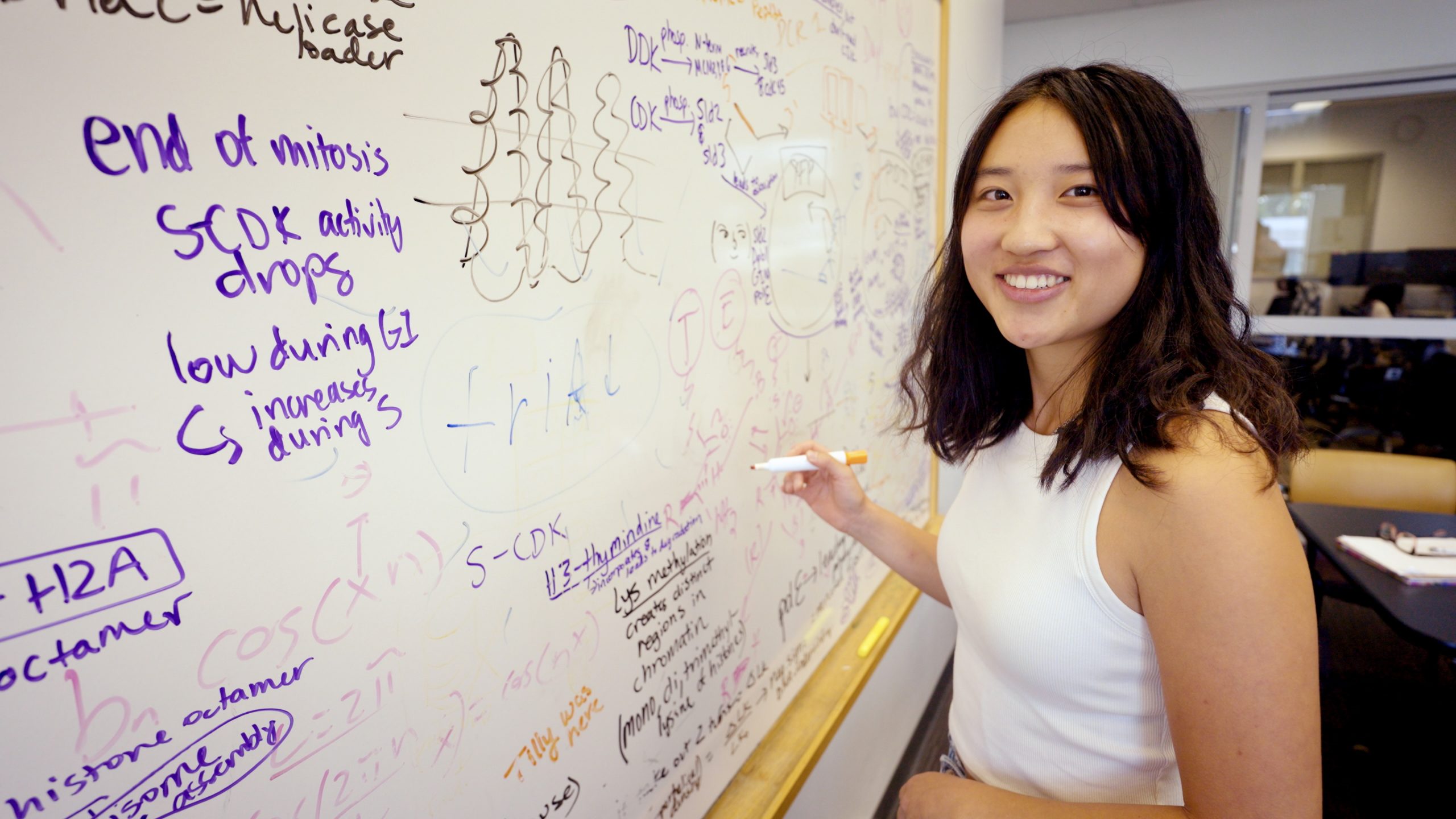
WATCH: Computer science major helps fight infectious diseases with AI-focused Immersion Vanderbilt project
WATCH: Today’s fight against infectious diseases is being waged in the computer lab as much as the wet lab. Using artificial intelligence and machine learning, Vanderbilt researchers and students like School of Engineering undergraduate Karen Pu are expanding the power of computer modeling to identify mutating viruses—and potentially improve vaccines. Read MoreOct 17, 2023
-
Computer science major helps fight infectious diseases with AI-focused Immersion Vanderbilt project
By Amy Wolf Today’s fight against infectious diseases is being waged in the computer lab as much as the wet lab. Using artificial intelligence and machine learning, Vanderbilt researchers and students like School of Engineering undergraduate Karen Pu are expanding the power of computer modeling to identify mutating viruses—and potentially improve vaccines. Karen Pu, class... Read MoreOct 17, 2023