Biological Sciences
-

These days, fecal transplantation is no joke
Fecal transplants are increasingly being used to treat certain human illnesses and more scientists have begun to research the transplants' effects in animals. Read MoreJul 12, 2016
-
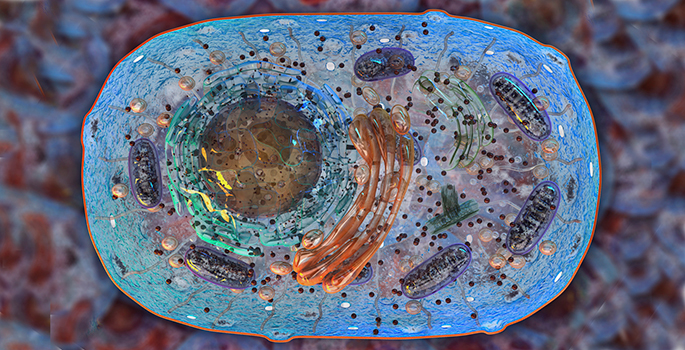
When mitochondrial genes act up
A team of Vanderbilt scientists have identified some of the methods that mutant mitochondrial DNA use to circumvent the molecular mechanisms that cells use to regulate mitochondrial activity. Read MoreJul 12, 2016
-
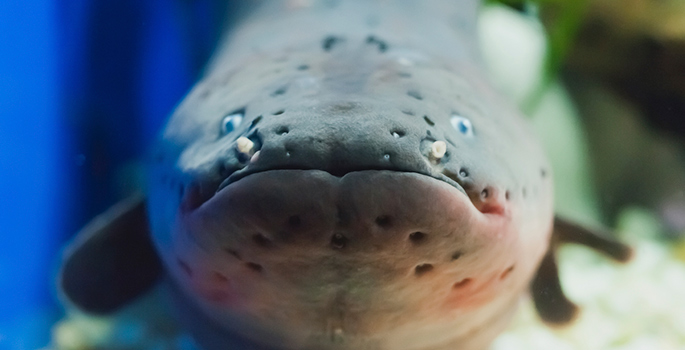
Electric eels make leaping attacks
Vanderbilt biologist Kenneth Catania has accidentally discovered that electric eels can make leaping attacks that dramatically increase the strength of the electric shocks they deliver. In doing so, Catania has confirmed a 200-year-old observation by famous 19th-century explorer and naturalist Alexander von Humboldt. Read MoreJun 6, 2016
-
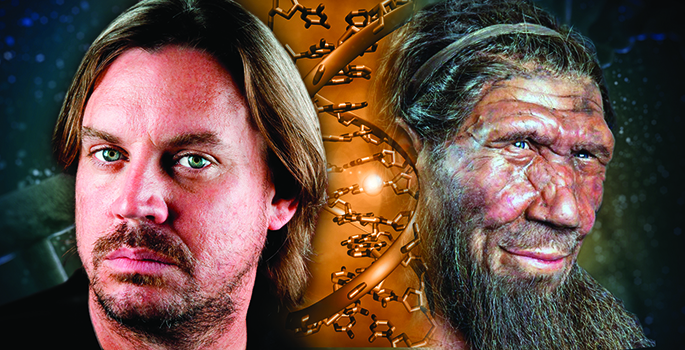
Neanderthal DNA has subtle but significant impact on human traits
The first study that directly compares Neanderthal DNA in the genomes of a significant population of adults of European ancestry with their clinical records confirms that this archaic genetic legacy has a subtle but significant impact on modern human biology. Read MoreFeb 11, 2016
-
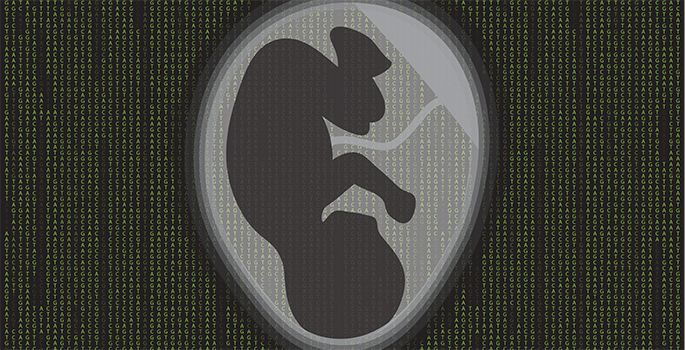
New online tool created to tackle complications of pregnancy and childbirth
An interdisciplinary team of biologists and medical researchers have created a new platform, which they call GEneSTATION specifically designed to leverage the growing knowledge of human genomics and evolution to advance scientific understanding of human pregnancy and translate it into new treatments for the problems that occur when this complex process goes awry. Read MoreNov 11, 2015
-
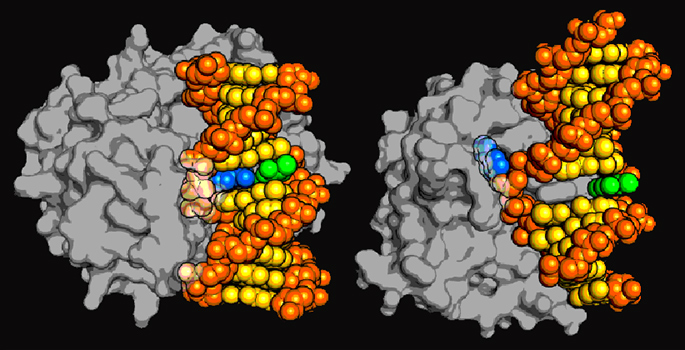
New class of DNA repair enzyme discovered
A new class of DNA repair enzyme has been discovered which demonstrates that a much broader range of damage can be removed from the double helix in ways that biologists did not think were possible. Read MoreOct 29, 2015
-
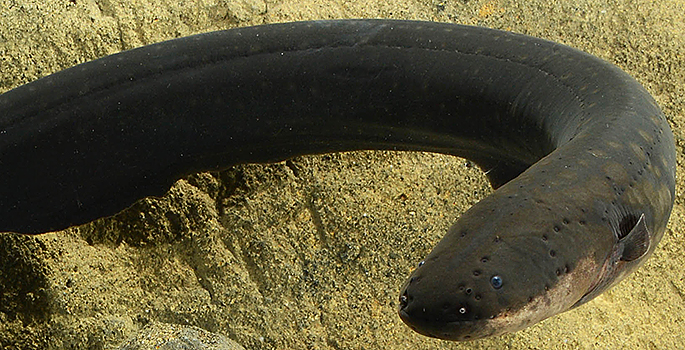
Electric eel: most remarkable predator in animal kingdom
Recent research by Vanderbilt University biologist Ken Catania of the electric eel has revealed that it is not primitive creature that it has been portrayed as. Instead, it has a sophisticated control of the electrical fields it generates that makes it one of the most remarkable predators in the animal kingdom. Read MoreOct 28, 2015
-
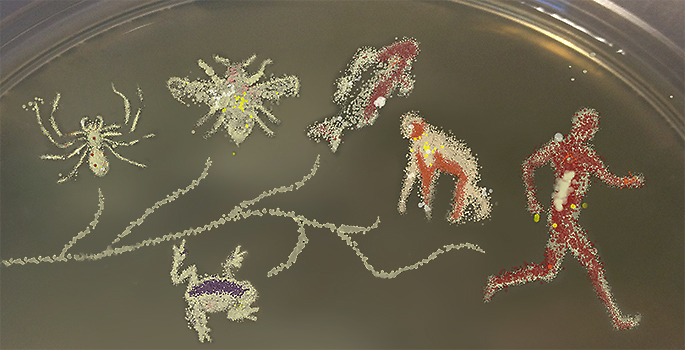
The pronoun ‘I’ is becoming obsolete
Recent microbiological research has shown that plants and animals, including humans, are not autonomous individuals but are holobionts: biomolecular networks that consist of visible hosts plus millions of invisible microbes. Read MoreAug 19, 2015
-
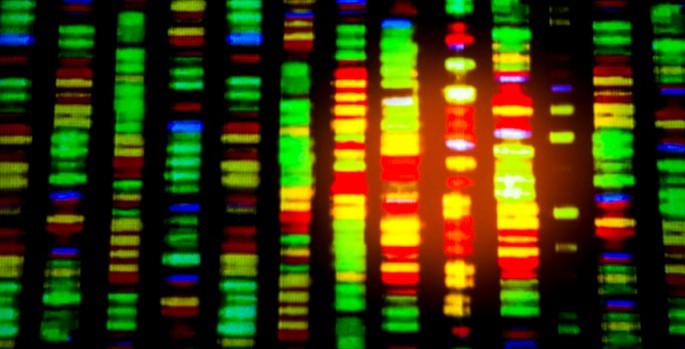
Study reveals how protein helps cells tolerate DNA damage
Vanderbilt and Stanford investigators have discovered how a protein that's part of the DNA replication "machinery" helps cells tolerate DNA damage. Read MoreJul 16, 2015
-
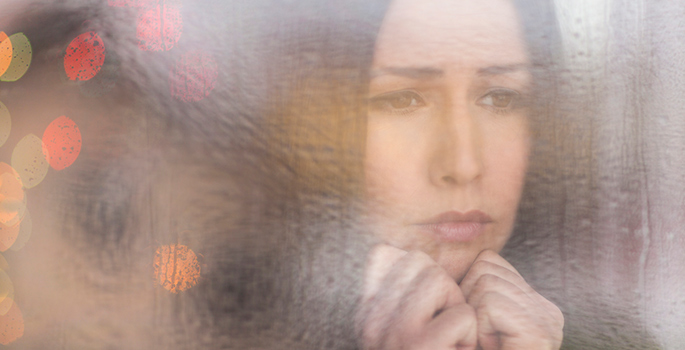
Locating the brain’s SAD center
Vanderbilt biologists have localized the seasonal light cycle effects that drive seasonal affective disorder to a small region of the brain called the dorsal raphe nucleus. Read MoreMay 7, 2015
-
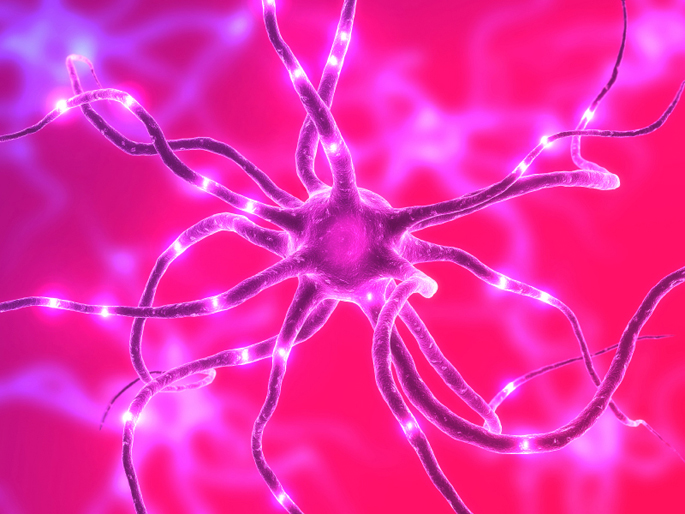
New player in neuronal communication
Vanderbilt researchers have discovered a novel mechanism for the development of dendritic spines – sites of nerve cell communication. Read MoreMay 1, 2015
-

New insight into how brain makes memories
Vanderbilt researchers have identified the role that a key protein associated with autism and the co-occurrence of alcohol dependency and depression plays in forming the spines that create new connections in the brain. Read MoreApr 23, 2015
-
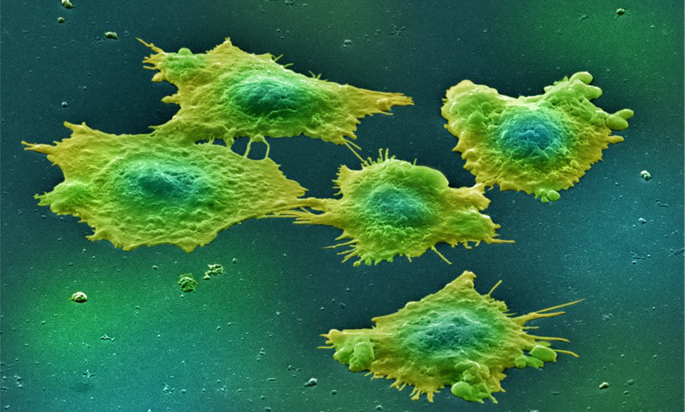
‘Stretched’ cells promote cancer
Mechanical stress appears to be a critical factor in activating normal tissue-associated fibroblasts to generate cancer-associated fibroblasts. Read MoreFeb 19, 2015
-

Circadian clock – Angelman syndrome link established
Vanderbilt biologists have found a direct link between the biological clock and Angelman syndrome, a neurogenetic disorder that occurs in more than one in every 15,000 live births. The link may provide a valuable way to judge the effectiveness of the first experimental drugs under development for treating the syndrome. Read MoreFeb 5, 2015
-
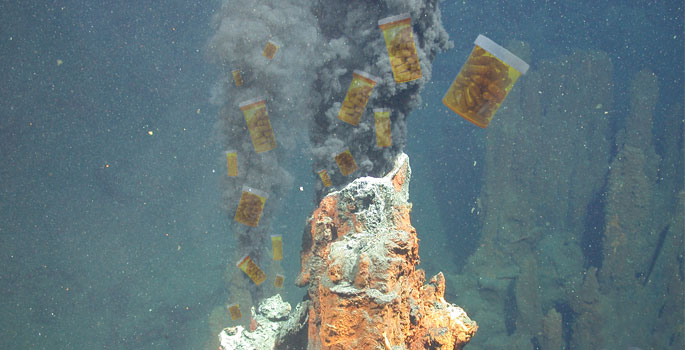
Life’s extremists may be an untapped source of antibacterial drugs
A family of single-celled organisms that thrive in environments too extreme for most other species to survive may be an untapped source of new antibacterial drugs. Read MoreNov 21, 2014
-

Vanderbilt’s neurovascular chip project moves into new phase
Vanderbilt researchers will play a key role in the second phase of the federal "tissue chip for drug screening" program. Read MoreNov 18, 2014
-
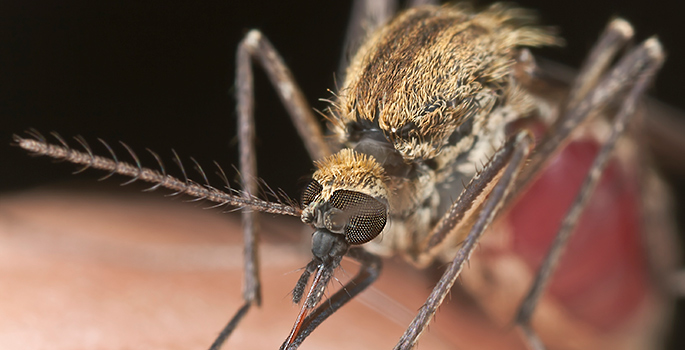
Mosquito facts and fictions
Mosquito researcher Jason Pitts collects interesting facts and stories about his research subjects, nature’s ultimate bioterrorists. Read MoreSep 9, 2014
-
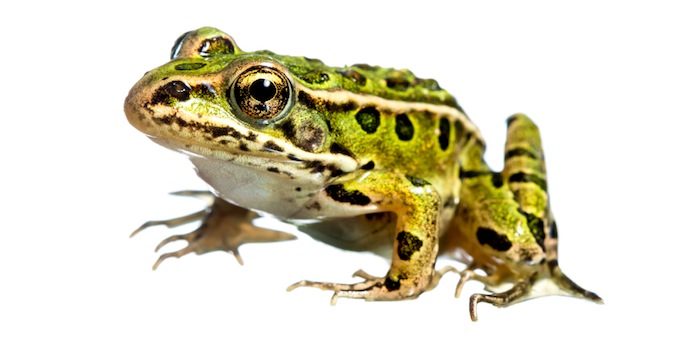
Treatments for frog fungus
The fungicide amphotericin B may be a useful treatment for a frog fungus that is killing amphibians worldwide. Read MoreJul 25, 2014
-
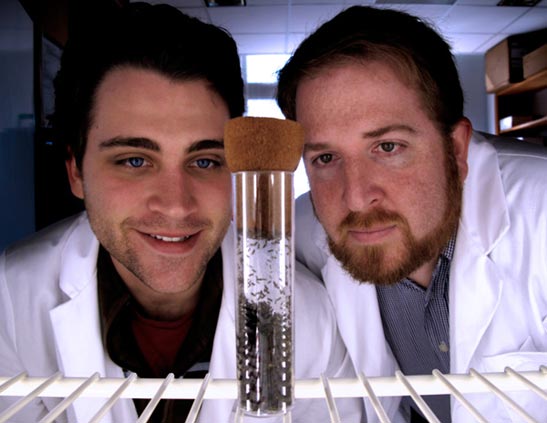
Quanta Magazine: Evolving with a little help from our friends
Seth Bordenstein, associate professor of biological sciences, and graduate student Robert Brucker, discovered that the survival of a new hybrid of wasp depended not on their genes but on the microbes that naturally lived on and inside the insects. Read MoreJun 5, 2014
-
Repair protein’s DNA recognition motif
Insights into the workings of DNA damage response proteins such as SMARCAL1 could suggest new ways to improve genome integrity and prevent cancer. Read MoreMay 23, 2014