Aliquots
-
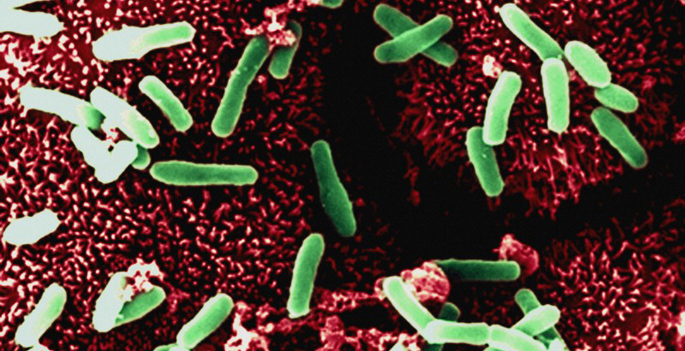
Clue to recurrent C. diff infection
Children who experience recurrent C. diff infections may have fecal inflammatory markers that could predict risk and improve management of these infections. Read MoreMay 1, 2017
-

Regulating anxiety in the brain
Two brain signaling pathways have overlapping functions in regulating anxiety, suggesting that therapeutics aimed at one or the other will impact both. Read MoreApr 28, 2017
-

Polarity protein role in cell survival
Vanderbilt investigators have identified an unexpected link between cell survival and the polarized delivery of proteins to the surface of mammary epithelial cells. Read MoreApr 27, 2017
-

Predicting the infection response
Vanderbilt investigators are probing the response to a bacterial toxin as a clinical assessment of immune function. Read MoreApr 19, 2017
-

In emergencies, insurance matters
Medicaid expansion under the Affordable Care Act provides patients with a greater choice of hospital facilities, Vanderbilt researchers have found. Read MoreApr 17, 2017
-

A new mode of DNA repair
Structural details of a protein that removes DNA lesions shed light on fundamental mechanisms of DNA repair. Read MoreApr 14, 2017
-
Clue to pulmonary hypertension
Vanderbilt investigators have studied the relationship between race, cardiometabolic traits and pulmonary hypertension. Read MoreApr 13, 2017
-

Risky business
Vanderbilt investigators have developed hospital readmission models that may help prevent payment penalties to hospitals when patients are readmitted too soon after discharge. Read MoreApr 5, 2017
-
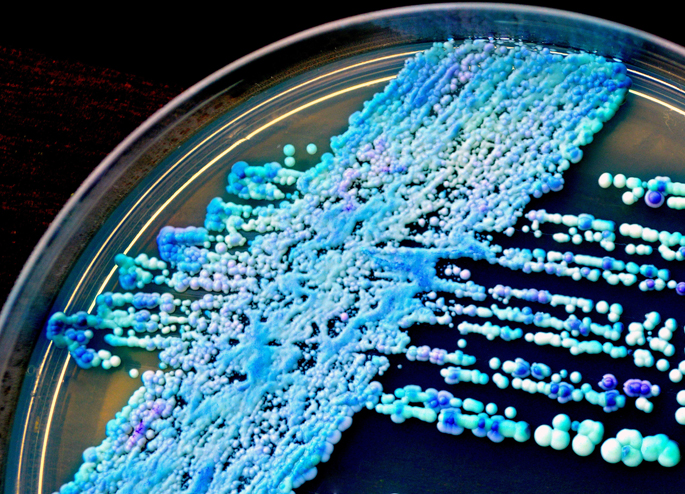
Fighting fungal infections
A detailed structural and functional analysis of the yeast protein that is the main target of antifungal drugs will help direct efforts to develop better treatments. Read MoreApr 3, 2017
-

A molecular clue to longevity
In budding yeast, accumulation of a certain type of RNA in the nucleus increased life span, offering a new clue to longevity. Read MoreMar 31, 2017
-

Nanobeacon lights up colon tumors
A novel fluorescent nanobeacon can distinguish normal from diseased colon tissue, potentially offering advantages for colorectal cancer screening. Read MoreMar 30, 2017
-
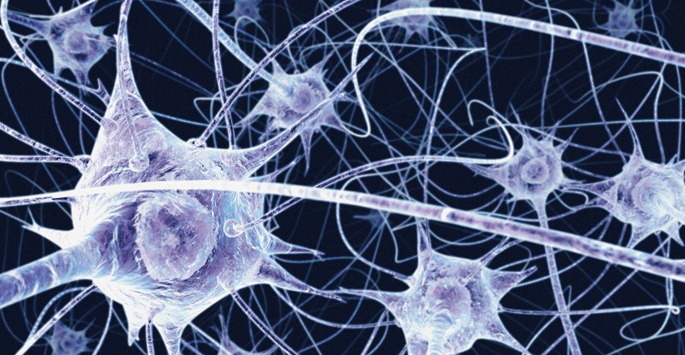
Blocking neuroblastoma cell growth
An inhibitor of cell metabolism may be a good therapeutic target for neuroblastoma, which accounts for about 15 percent of pediatric cancer-related deaths. Read MoreMar 22, 2017
-

Delirium in the ED
Interventions for delirium in the emergency department setting are needed to preserve patients’ long-term function and cognition, Vanderbilt investigators have found. Read MoreMar 20, 2017
-

New target for colorectal cancer
Vanderbilt investigators have discovered that activated epidermal growth factor receptor may be a target for therapies to prevent colorectal cancer development. Read MoreMar 17, 2017
-

Esophageal cancer complexities
New findings that reveal complex interactions in esophageal adenocarcinoma could lead to diagnostic, prognostic or therapeutic biomarkers. Read MoreMar 16, 2017
-

Role for mouth microbes in diabetes?
A higher abundance of certain bacterial species in the mouth appears to reduce the risk of type 2 diabetes, Vanderbilt investigators have discovered. Read MoreMar 8, 2017
-

Antidote for smoke inhalation injury
Routine use of hydroxocobalamin should be considered for victims of smoke inhalation, Vanderbilt researchers suggest. Read MoreMar 7, 2017
-

Mutation raises heart block risk
A newly identified genetic risk factor for heart block after surgery may help guide the course of postoperative care. Read MoreMar 3, 2017
-

Clues found to recurrent depression
Women who have had repeated depressive episodes tend to pay more attention to negative emotional information, suggesting that they may benefit from cognitive therapy to build new, more positive pathways in their brains. Read MoreMar 2, 2017
-

A target to heal tiny lungs
The protein beta-catenin may be a good target for therapies to treat lung disease that is a common complication of preterm birth. Read MoreFeb 23, 2017