Aliquots
-

Novel infection fighter
A drug in use clinically to help make vaccines more effective may be a powerful new tool for fighting antibiotic-resistant infections. Read MoreJun 13, 2018
-
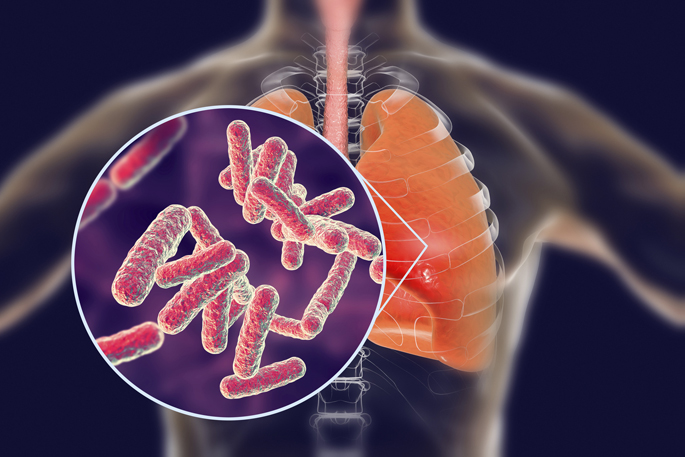
Confronting TB resistance
Vanderbilt researchers describe how certain tuberculosis treatments work and suggest these medications may overcome the threat of drug-resistant tuberculosis. Read MoreJun 11, 2018
-
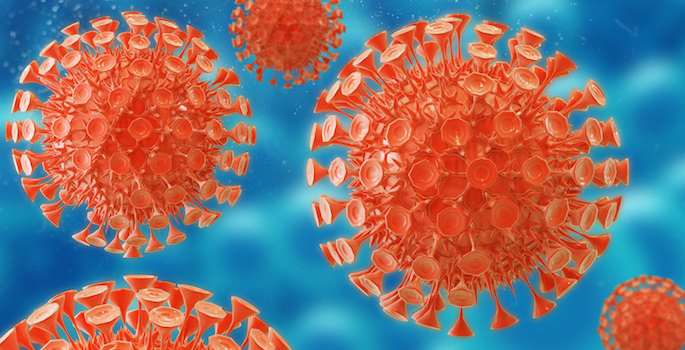
A “public” target for HIV
Common sequences of antibodies against HIV may be key to developing a successful vaccine strategy for the virus. Read MoreJun 8, 2018
-

Enzyme protects against obesity-related heart disease
Vanderbilt scientists have discovered that a certain enzyme plays a crucial role in preventing obesity-related cardiac dysfunction. Read MoreJun 7, 2018
-

Evolution of a deadly virus
Genomic sequences have revealed that Florida is a major source of a mosquito-borne virus that causes disease in horses and humans. Read MoreMay 23, 2018
-

New target to stop Ebola
A new Vanderbilt study suggests it may be possible to develop antibody therapies or a universal vaccine effective against multiple Ebola virus family members. Read MoreMay 21, 2018
-

Shaping reward circuits
Using techniques to control and monitor the activities of individual neurons, Vanderbilt investigators are probing the brain’s reward circuitry. Read MoreMay 18, 2018
-
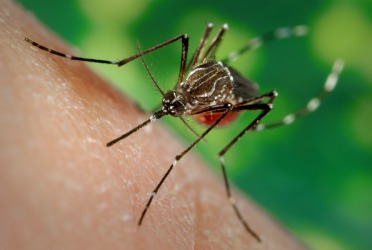
Alphavirus “Achilles heel”
Targeting the protein that mosquito-borne viruses use to enter cells could be a strategy for preventing infection by multiple emerging viruses. Read MoreMay 17, 2018
-
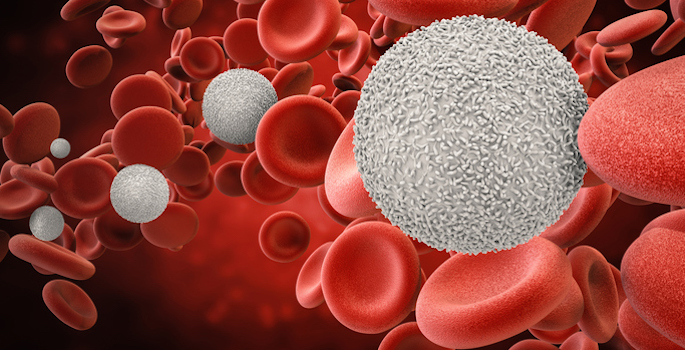
Putting the brakes on sepsis
An enzyme called PTEN reduces inflammatory signaling and mortality in sepsis, suggesting it may be a good therapeutic target for this life-threatening complication of infection. Read MoreMay 9, 2018
-

Records point to drug-drug interaction
Patients who take a cholesterol-lowering statin drug while taking the antibiotic daptomycin have increased risk of developing muscle weakness or a more severe form of muscle damage. Read MoreMay 7, 2018
-

New breast cancer targets
A special genetic analysis has revealed candidate genes associated with increased risk of breast cancer. Read MoreMay 4, 2018
-

Understanding HDL structure
Structural features of newly formed HDL particles will help guide understanding of “good cholesterol” and its function. Read MoreMay 3, 2018
-
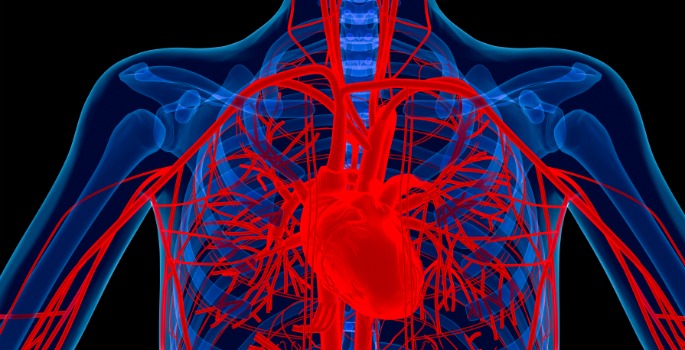
Gene expression in mitral valve disease
A protease gene family may be new targets for treating mitral valve disease, which causes blood to flow backwards in the heart. Read MoreApr 25, 2018
-

Toxin floats on lipid rafts
The bacterium H. pylori is a leading cause of stomach cancer, and Vanderbilt researchers are studying how one of its toxins gets into cells. Read MoreApr 23, 2018
-
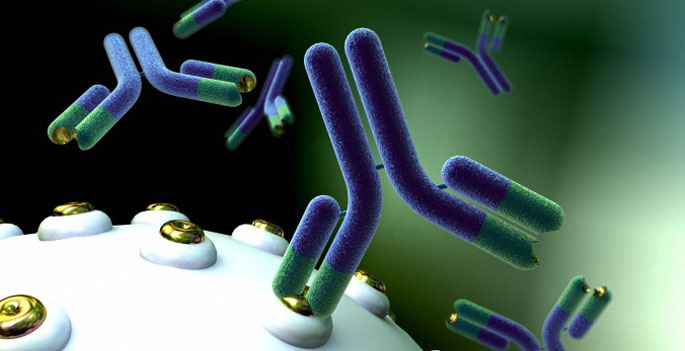
Disease-fighting antibody production
New research links nutrient-responsive cellular signaling to the antibody-mediated immune response. Read MoreApr 20, 2018
-

How the skin protects
Treatments for common skin conditions such as atopic dermatitis may be improved by understanding the enzymes responsible for forming the skin’s water-tight barrier. Read MoreApr 19, 2018
-

“Idling” cancer cells may return
Vanderbilt investigators have discovered that cancer treatment induces an “idling” state for cells, which could promote resistance to treatment. Read MoreApr 11, 2018
-

Aqueous humor, microRNAs and glaucoma
New findings highlight microRNAs — molecules that regulate gene expression — that are differentially expressed in glaucoma and could be candidate biomarkers or targets for therapy. Read MoreApr 10, 2018
-

New view of the heartbeat
Structural views of the proteins that regulate the heartbeat may help improve existing treatments for cardiac arrhythmias. Read MoreApr 6, 2018
-
Lung diseases share molecular signature
Lung diseases of infancy and aging share a molecular signature, pointing to a potential target for treatment and prevention. Read MoreApr 5, 2018