Research Videos
-
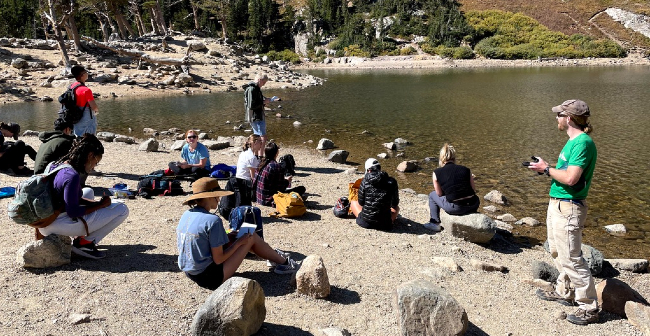
Research in Colorado mountains takes students’ environmental immersion to new heights
Students in the Glacial Geology class took their research to new levels of immersion, collecting soil and rock samples at an elevation of 9,000 feet in the Sawatch Mountain Range of Colorado. Their research helps show the movement of glaciers, ultimately giving clues about the impact of climate change. Read MoreJan 20, 2022
-
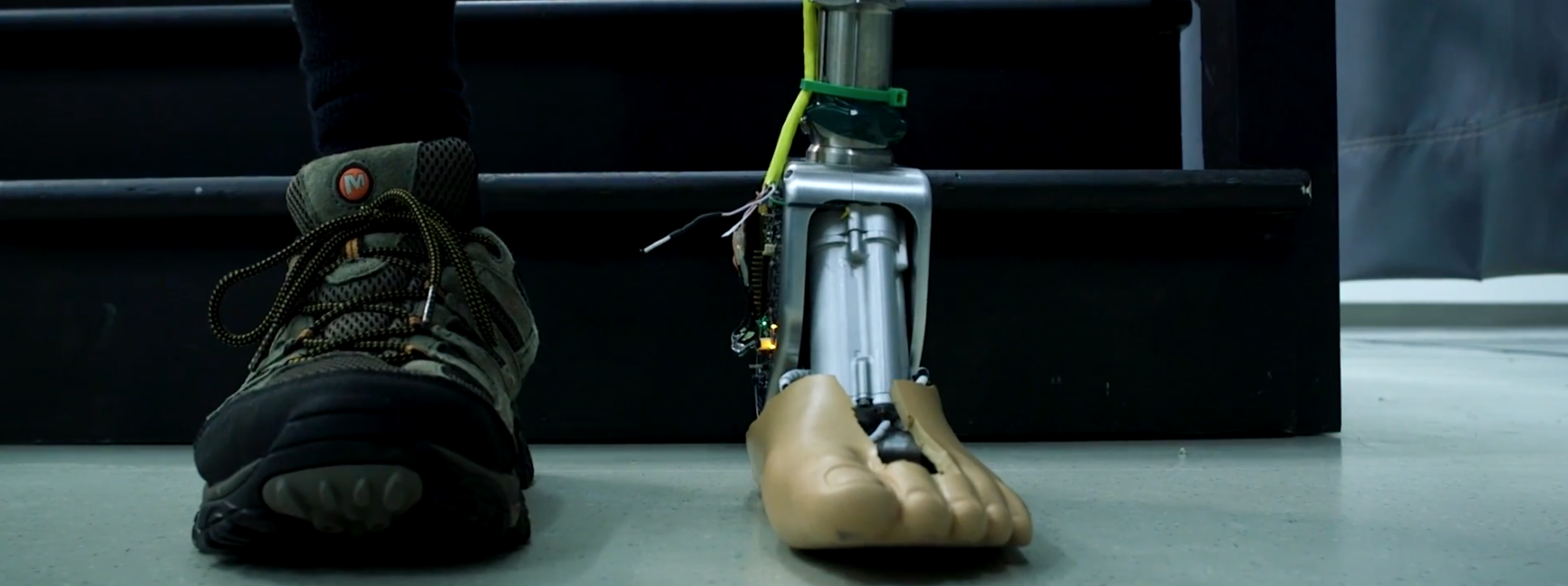
‘Smart’ prosthetic ankle takes fear out of rough terrain, stairs
The device is from the lab of Professor Michael Goldfarb, perhaps best known for working on a bionic leg with shark attack victim Craig Hutto and later developing the Indego exoskeleton. Read MoreJun 25, 2018
-
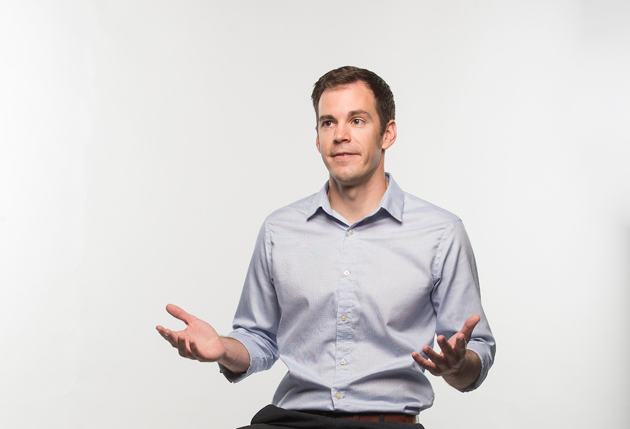
Expert: Autonomous vehicles could help traffic, but not anytime soon
Engineer Dan Work says his promising research shows adding autonomous vehicles to roadways could end the stop-and-go traffic that drives commuters insane. Read MoreApr 30, 2018
-
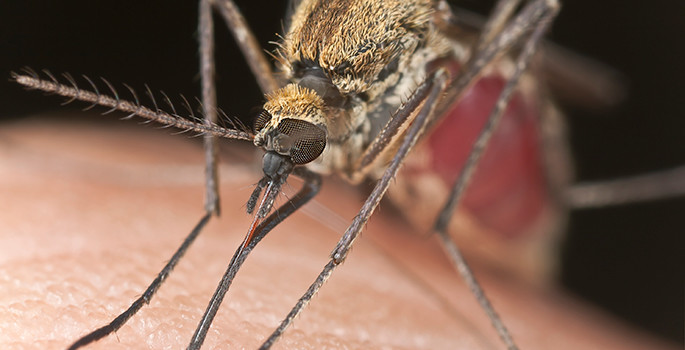
Unraveling genetic mystery next step in Zika and dengue fight
How a bacteria hijacked insect fertility remained a mystery for five decades, until Associate Professor of Biological Sciences Seth Bordenstein and his team helped solve it. Read MoreApr 23, 2018
-
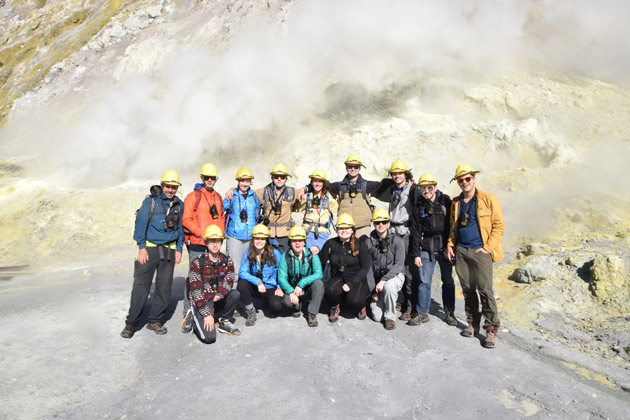
VU Inside: Students dig into super-massive volcanic eruptions
A dozen Vanderbilt students went on a monthlong science adventure of a lifetime, studying super-eruptions, glaciers and earthquakes in New Zealand. Read MoreJan 25, 2018
-
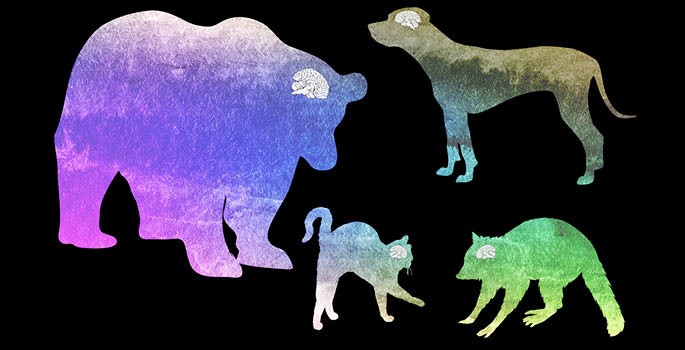
Sorry, Grumpy Cat—Study finds dogs are brainier than cats
The first study to actually count the number of cortical neurons in the brains of a number of carnivores, including cats and dogs, has found that dogs possess significantly more of them than cats. Read MoreNov 29, 2017
-
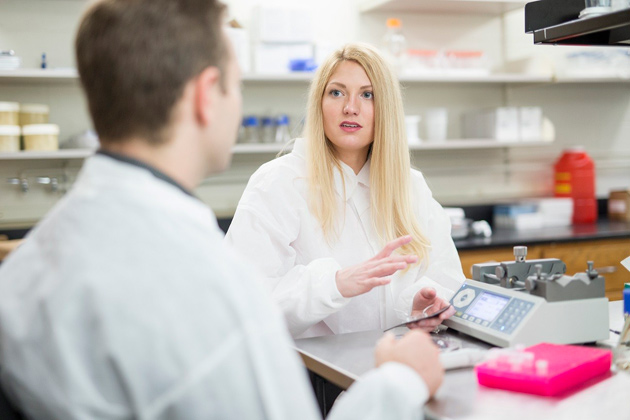
Career ended by devastating crash, cyclist turns toward curing sepsis
Sinead Miller was headed for the Olympic games. Now, thanks to a Department of Defense grant to find new sepsis treatments, the Vanderbilt Ph.D. has developed a device that cleans the blood. Read MoreNov 2, 2017
-
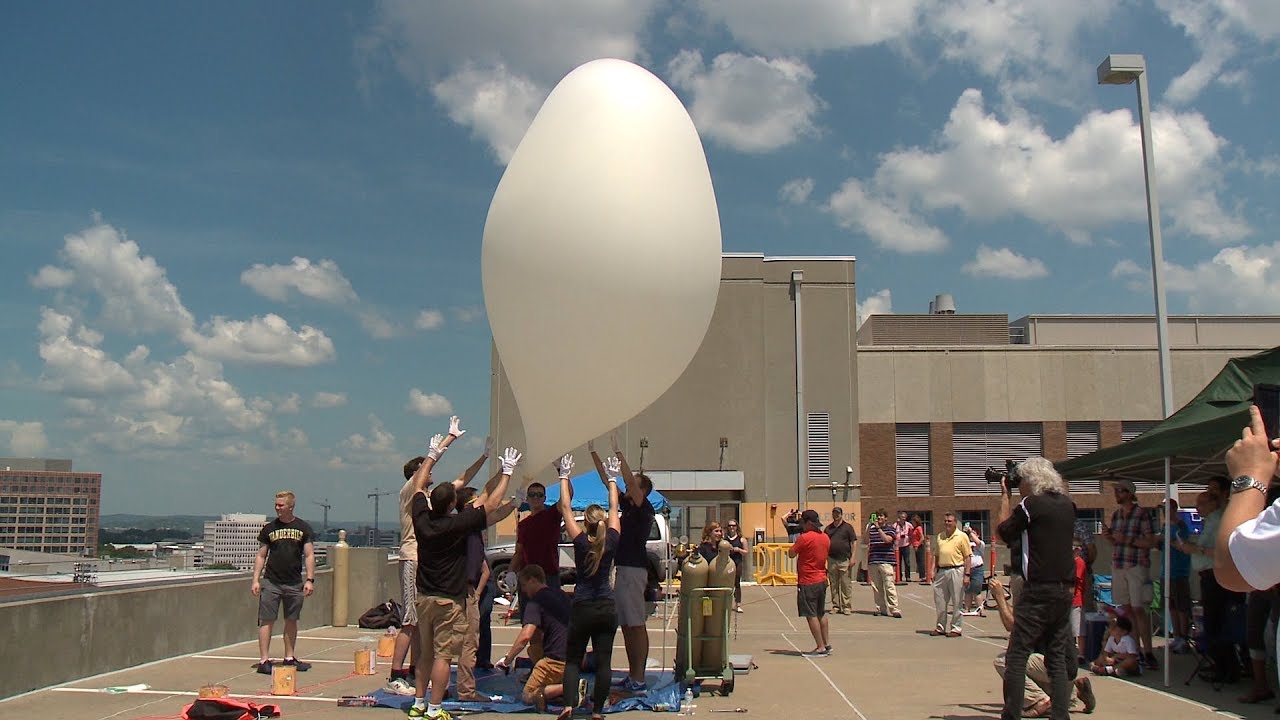
Vanderbilt joins NASA in eclipse balloon launch
Vanderbilt University researchers joined a national NASA weather balloon project giving scientists and people around the world a view of the total solar eclipse from the edge of space. Read MoreAug 24, 2017
-

Sugars in human mother’s milk are non-toxic antibacterial agents
A new study has found that sugars in mother's' milk do not just provide nutrition for babies but also help protect them from bacterial infections. Read MoreAug 20, 2017
-

Ultrathin device harvests electricity from human motion
A new energy harvesting system developed at Vanderbilt University can generate electrical current from the full range of human motions and is thin enough to embed in clothing. Read MoreJul 21, 2017
-
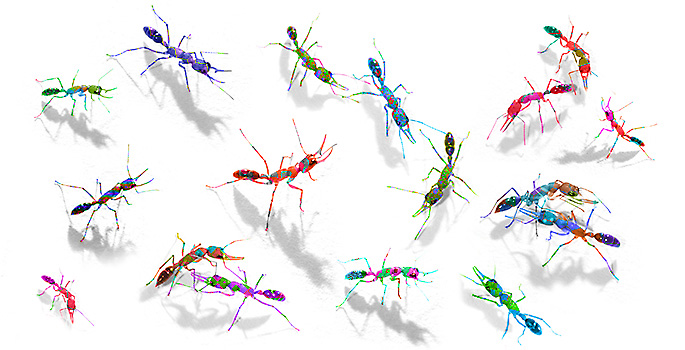
Decoding ants’ coat of many odors
A team of biologists report a major advance in deciphering the molecular genetics underlying the ant's high-definition sense of smell, an ability that underpins their highly complex society. Read MoreJul 10, 2017
-

Cotton candy capillaries lead to circuit boards that dissolve when cooled
Leon Bellan made a dissolving circuit board that, so far, just turns on an LED light. Its potential applications are far more promising. Read MoreJun 26, 2017
-
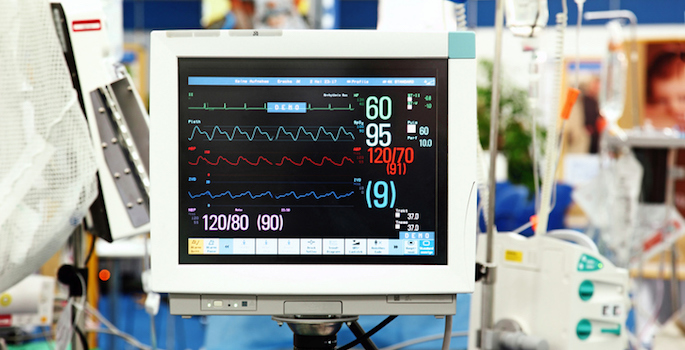
VU Inside: Cut the noise! New research making hospital alarms smarter and quieter
VUMC anesthesiologist Joseph Schlesinger is teaming up with undergrads in neuroscience and biomedical engineering to make hospital alarms better, quieter and easier to work with. Read MoreMay 2, 2017
-

Early experience with federal health coverage suggests how future Medicaid reforms may work
Proposed Medicaid reforms are similar to the capped federal financing system in place during the '50s and early '60s, when states generally reimbursed a much smaller proportion of health care for the needy. Read MoreFeb 1, 2017
-
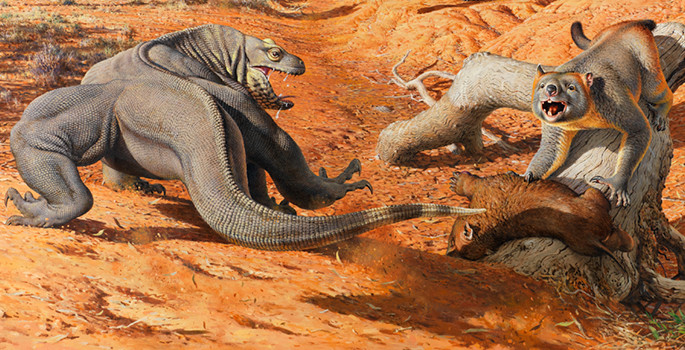
Climate change helped kill off super-sized Ice Age animals in Australia
A new study has compared the diet of a variety of Australian megafaunal herbivores from the period when they were widespread (350,000 to 570,000 years ago) to a period when they were in decline (30,000 to 40,000 years ago) by studying their fossil teeth. The analysis suggests that climate change had a significant impact on their diets and may well have been a primary factor in their extinction. Read MoreJan 26, 2017
-

Access to health care strengthens communities: Vanderbilt study
A new study shows that access to health insurance can help hold a community together socially, and lack of it can contribute to the fraying of neighborhood cohesion. The study, Beyond Health Effects? Examining the Social Consequences of Community Levels of Uninsurance Pre-ACA, published by the… Read MoreJan 16, 2017
-
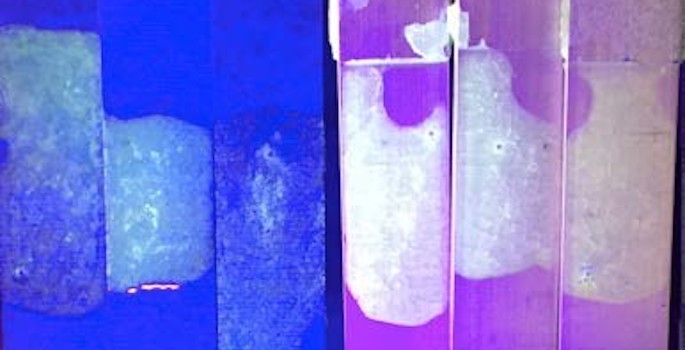
Mood ring materials – a new way to detect damage in failing infrastructure
"Mood ring materials" constitute a new type of smart sensing technology that could play an important role in minimizing and mitigating damage to the nation's failing infrastructure. Read MoreNov 21, 2016
-
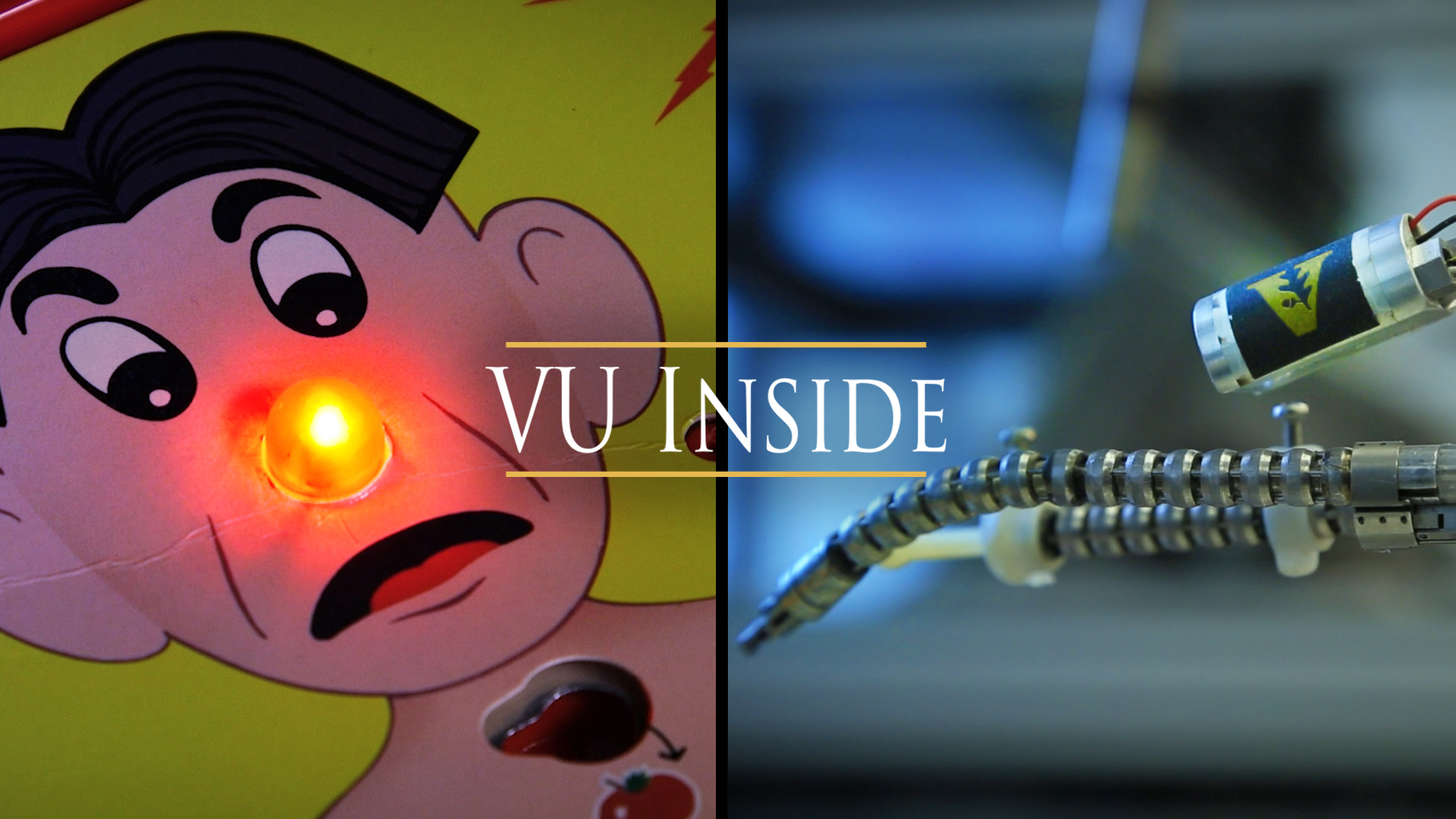
VU Inside: Giving surgical robots a human touch
Bioengineer Nabil Simaan is taking robotic surgical tools to the next level by making them incredibly flexible and situationally aware. Read MoreOct 28, 2016
-

Today’s self-taught typists almost as fast as touch typists – as long as they can see the keyboard
Sometimes you can't improve on a classic method: Touch typing is still the fastest. Read MoreOct 18, 2016
-
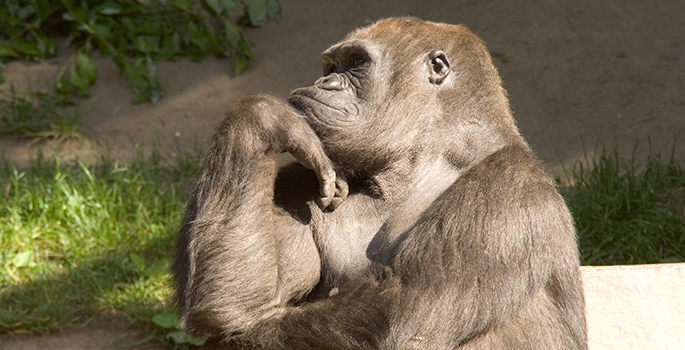
Total number of neurons—not enlarged prefrontal region—hallmark of human brain
Research by Associate Professor of Psychology Suzana Herculano-Houzel finds that human intelligence comes from the number of neurons in our brains—and it was the invention of cooking that made neuron development possible. Read MoreAug 9, 2016