Research
-

The New Yorker: A useful corner of the world: Guantánamo
Each time Gitmo’s relevance was called into question—by Cuban opponents, and by Americans worried about the base’s diminishing returns, the trouble of running it and the toll it took on global goodwill—new purposes had been found with unfailing ingenuity, writes Paul Kramer, associate professor of history. Read MoreAug 1, 2013
-
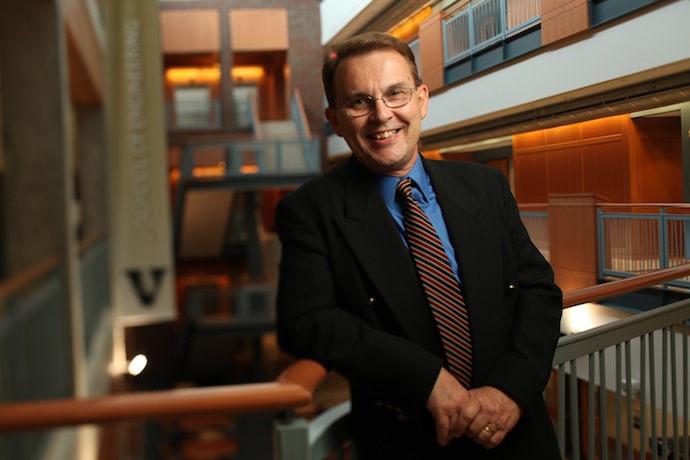
Industry Week: Are engineering schools the unsung hero in America’s industrial rebound?
Groundbreaking research, cutting-edge systems and university partnerships with industry and government have resulted in new technologies and paradigms that have transformed American industry, and will continue to bolster American competitiveness for the next decade, writes Philippe Fauchet, dean of the Vanderbilt University School of Engineering. Read MoreAug 1, 2013
-

Peabody education experts available for back-to-school stories
As schools nationwide prepare for the new academic year, education experts from Vanderbilt University’s Peabody College of education and human development are available for back-to-school interviews on a variety of topics. Read MoreAug 1, 2013
-

Award recognizes researcher who discovered diabetes medicine in Gila monster venom
Vanderbilt-sponsored Golden Goose Award celebrates University of California researcher's discovery that the poisonous venom of the Gila monster can help prevent some of diabetes’ most severe complications. Read MoreAug 1, 2013
-

Cognitive complaints, Alzheimer’s risk studied
A study of cognitive complaints in older adults showed that memory concerns from both the patient and an informant was most predictive of converting to Alzheimer’s disease or dementia within three years. Read MoreAug 1, 2013
-

Study explores race differences of lung cancer risk
Vanderbilt research scientist Melinda Aldrich, Ph.D., MPH, has been awarded a National Institutes of Health Academic Career Award to investigate some of the genetic secrets behind a greater risk of lung cancer among African-Americans compared with other racial and ethnic groups. Read MoreAug 1, 2013
-

Case study explores stroke, meningitis link
A case series by researchers at Vanderbilt University Medical Center examines three patients transferred here with ischemic stroke who later received a diagnosis of fungal meningitis attributed to tainted injections for low back pain, part of a multi-state outbreak. Read MoreAug 1, 2013
-

Factor’s role in long bone development
Insight into how the protein neurofibromin participates in the signaling pathway that produces the body’s long bones has implications for fracture healing in some patients. Read MoreJul 31, 2013
-
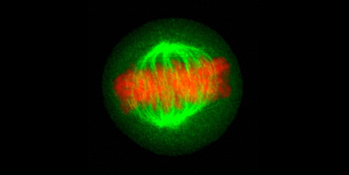
Motor protein revs up cell division
A motor protein that helps drive cell division may be a promising new target for cancer therapeutics. Read MoreJul 29, 2013
-

The Tennessean: Op-ed: Routine is key in back-to-school transition
Setting a solid routine and re-engaging in a child’s school are back-to-school essentials for parents, writes Camilla Benbow, Patricia and Rodes Hart Dean of Education and Human Development. Read MoreJul 26, 2013
-

Reducing fatal rhythms after heart attack
Reducing heart muscle response to calcium could decrease the risk of fatal arrhythmias after heart attacks. Read MoreJul 26, 2013
-

App helps children manage their health care routines
Adults have calendar applications on all their digital devices to remind them of appointments and what’s next on their agenda. Read MoreJul 25, 2013
-

Award bolsters study of bladder cancer chemo resistance
David DeGraff, Ph.D., has received the 2013 BCAN Young Investigator Award for Bladder Cancer Research. Read MoreJul 25, 2013
-

‘Bionic eye’ new option for retinitis pigmentosa patients
Vanderbilt University Medical Center has been chosen as one of 12 sites in the United States to offer the first FDA-approved bionic eye for the treatment of retinitis pigmentosa (RP). Read MoreJul 25, 2013
-

Pollen counts boost risk of rare drug reaction: study
High pollen counts could trigger angioedema, a rare adverse reaction of Angiotension converting enzyme (ACE) inhibitors, Vanderbilt University researchers have found. Read MoreJul 25, 2013
-

Visualizing data on network ‘maps’
The new web application NetGestalt will allow investigators to simultaneously visualize different types of data for the same gene – such as mutation, expression and modification. Read MoreJul 25, 2013
-
Collaboration between Vanderbilt and startup Femtometrix leads to exclusive deal
An innovative wafer inspection tool developed by a team of Vanderbilt professors and engineers has been licensed exclusively to startup company Femtometrix. Read MoreJul 18, 2013
-

Microbes can influence evolution of their hosts
A new study provides the first direct evidence that microbes can contribute to the origin of new species by reducing the viability of hybrids produced between males and females of different species. Read MoreJul 18, 2013
-
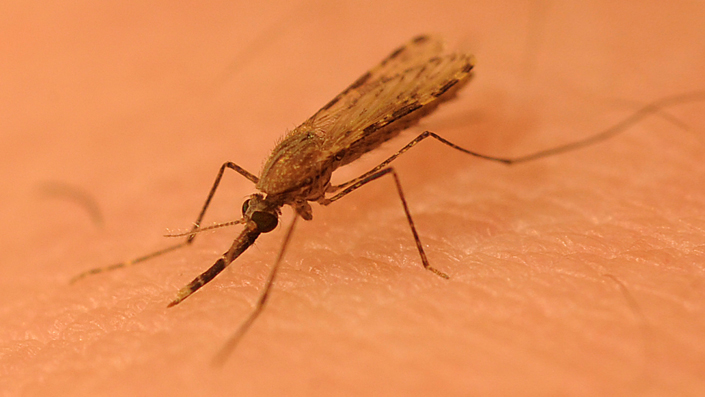
Wall Street Journal: Who gets more mosquito bites?
It is peak mosquito season, and while some lucky outdoor venturers seem unperturbed by the tiny insects, others appear to be relentlessly assaulted. Laurence Zwiebel, Cornelius Vanderbilt Professor of Biological Sciences, explains the most common culprits. Read MoreJul 17, 2013
-

Probing roles of a cell death protein
Vanderbilt researchers have discovered new roles for a protein involved in cell death processes that are activated to prevent tumor-causing DNA mutations. Read MoreJul 17, 2013