Research
-
Potential new cancer target
Vanderbilt researchers have discovered the involvement of a certain type of adenosine receptor in mediating signaling that supports tumor growth and metastasis. Read MoreJun 4, 2020
-
Remdesivir helps reduce COVID-19 recovery time: study
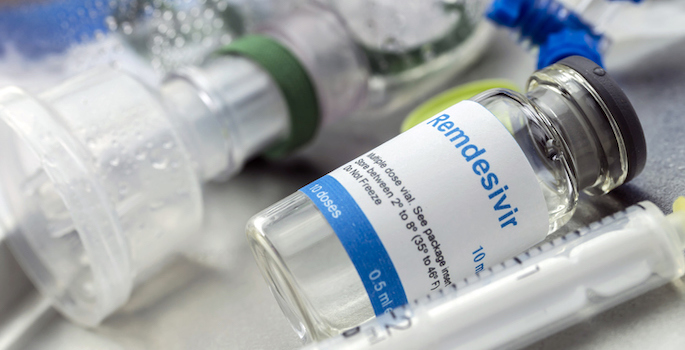
The investigational antiviral drug remdesivir can shorten the time to recovery in adults hospitalized with COVID-19, according to preliminary results of a clinical trial published last month in The New England Journal of Medicine. Read MoreJun 4, 2020
-
Multinational consortium reports COVID-19 impact on cancer patients
People with cancer sickened by COVID-19 have a crude death rate of 13%, according to the largest series of data released thus far from a multinational perspective. The data on more than 900 patients also revealed cancer-specific factors associated with increased mortality. Read MoreJun 3, 2020
-

Artificial intelligence offers a chance to optimize COVID-19 treatment in international partnership
Jonathan Irish joins an international collaboration by deploying artificial intelligence to optimize COVID-19 treatment and vaccine development. Read MoreMay 29, 2020
-

Target trials support drug safety in pregnant patients
A new paper proposes an ethical way to test drug safety during pregnancy by using electronic health data to conduct "virtual" drug trials. Read MoreMay 28, 2020
-

Research probes why COVID-19 seems to spare young children
Lung disease experts at Vanderbilt University Medical Center and their colleagues have determined a key factor as to why COVID-19 appears to infect and sicken adults and older people preferentially while seeming to spare younger children. Read MoreMay 28, 2020
-

To Bridge the Gap: Peabody’s Department of Special Education applies best-in-class academic research to solve real-world challenges
In recent years a cadre of energetic, productive faculty members have joined Peabody's special education department, building on the legacy of high-caliber research and teaching that began in the 1950s with Lloyd Dunn and developmental psychologists Nicholas Hobbs and Susan Gray. Read MoreMay 28, 2020
-

New research reveals environmental pollutant in drinking water is more dangerous than previously understood
Nancy Carrasco has found that the environmental pollutant perchlorate, found in drinking water in 49 states, is more dangerous than we knew. Read MoreMay 26, 2020
-

Team to test app for improving HIV care for new mothers in South Africa
Kate Clouse is working with researchers at the University of Cape Town to develop a phone app that will help new mothers with HIV in South Africa stay connected to the healthcare system during the perinatal period. Read MoreMay 22, 2020
-
VUMC research ramps up in COVID-19 transition
As Nashville cautiously begins to emerge from its two-month-long COVID-19 Safer at Home response, so too are the labs and facilities at Vanderbilt University Medical Center. Read MoreMay 21, 2020
-
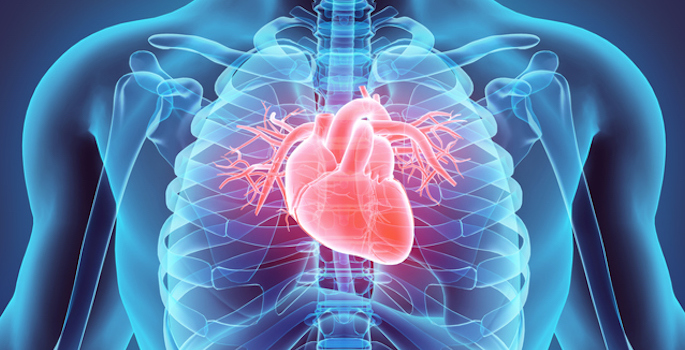
Team uses imaging to study ways the heart is affected by coronavirus
Researchers are using imaging and diagnostic pathology to examine postmortem hearts donated by victims of COVID-19 to gain a better understanding of how the coronavirus that causes COVID-19 affects the heart. Read MoreMay 21, 2020
-

VUMC Research Enterprise begins ramping up
As Nashville cautiously begins to emerge from its two-month-long COVID-19 Safer at Home response, so too are the labs and facilities at Vanderbilt University Medical Center. Read MoreMay 19, 2020
-
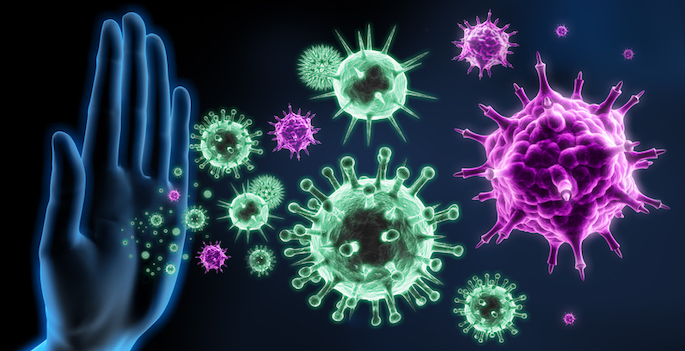
Probing innate immunity
Manuel Ascano team validates an inhibitor of the cGAS-STING signaling pathway, which is important for cellular innate immunity against bacteria, viruses, and our own damaged DNA. Read MoreMay 19, 2020
-

New research suggests long-term rental subsidies as a solution for homelessness in families
One program worked much better than the rest: a long-term rental subsidy that held families’ housing costs to 30 percent of their income. Read MoreMay 18, 2020
-
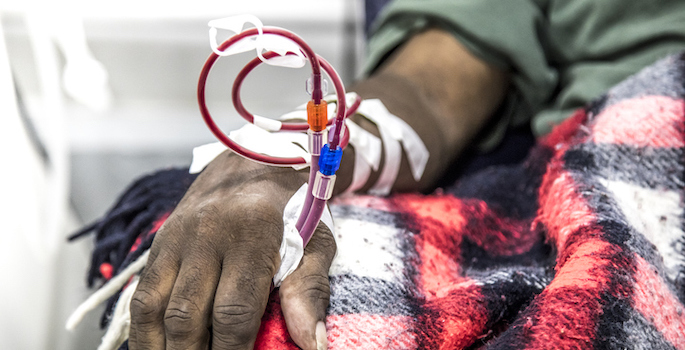
Implant one day may replace dialysis
Vanderbilt researchers used pharmacological manipulations to increase salt and water transport by kidney cells grown in culture, a step necessary for realizing an implantable artificial kidney device. Read MoreMay 18, 2020
-
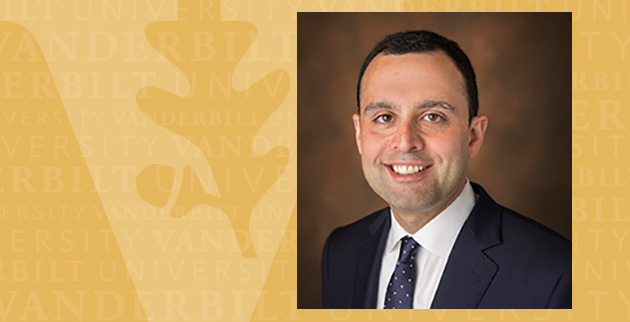
Alex Jahangir, MMHC’12, coordinates Nashville COVID-19 response
As chairman of Metro Nashville’s Board of Health, Alex Jahangir is coordinating the city’s COVID-19 response and providing leadership that has likely saved lives. Read MoreMay 15, 2020
-

Fact or Fake? The role of knowledge neglect in misinformation
Psychological research demonstrates that noticing errors in what we read is often difficult, and that those errors can affect our later beliefs, even when we know they’re wrong. Read MoreMay 15, 2020
-
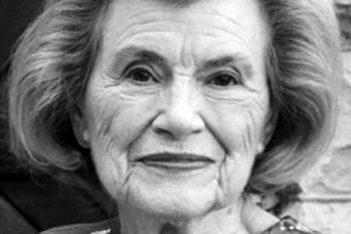
Jean Gray Litterer, MA’68, EdS’71, PhD’81: Influential Nashville Educator
Jean Gray Litterer, a longtime Nashville-area education leader who started her academic career in a one-room East Tennessee schoolhouse, died Jan. 21. She was 91. Read MoreMay 14, 2020
-

Study to determine rate of novel coronavirus infection in U.S. children
Researchers at Vanderbilt University Medical Center are leading a nationwide study to determine the rate of novel coronavirus infection in U.S. children and their families. Read MoreMay 14, 2020
-

Study finds newborn opioid withdrawal rates show evidence of stabilizing
Rates of neonatal abstinence syndrome have plateaued after 20 years of increasing frequency across the country, according to a new study published in Health Affairs. Read MoreMay 14, 2020