Research
-

Risk marker for repeat sinus surgery
An inflammatory factor in mucus could be a biomarker of treatment-resistant chronic sinusitis used to determine which patients are at risk for repeat sinus surgery. Read MoreAug 11, 2020
-

Duvall named Fellow of the Biomedical Engineering Society
Craig Duvall, Cornelius Vanderbilt Professor of Engineering, has been elevated to the rank of Fellow of the Biomedical Engineering Society. Duvall and his research program focus on development of technologies for controlled drug release, tissue regeneration and therapeutics, and delivery of intracellular-acting biologic drugs such as siRNA and peptide therapeutics. The applications of these technologies... Read MoreAug 10, 2020
-

Miscarriage risk increases each week alcohol is used in early pregnancy
Each week a woman consumes alcohol during the first five to 10 weeks of pregnancy is associated with an incremental 8% increase in risk of miscarriage, according to a study published this week by Vanderbilt University Medical Center researchers. Read MoreAug 10, 2020
-

A step toward cancer prevention
A computational technique that combines the effect of multiple genomic variants has the potential to identify high-risk individuals for cancer prevention. Read MoreAug 10, 2020
-

ID of ‘stomach flu’ culprit
Identifying the norovirus genotypes associated with more severe infections in children could guide strain selection for candidate norovirus vaccines. Read MoreAug 6, 2020
-
Vanderbilt experts available to comment on back-to-school trends
As schools nationwide prepare for the new academic year during the COVID-19 pandemic, faculty researchers from Vanderbilt University’s Peabody College of education and human development are available to comment on trends in K-12 and higher education. Read MoreAug 6, 2020
-

The importance of estrogen cycles
Deborah Lannigan and colleagues identify a key regulator of the estrogen receptor and suggest that its downregulation by oral contraceptives may increase oxidative stress and DNA damage, a common cause of cancer. Read MoreAug 6, 2020
-

Team to create customizable cochlear implant programming
A team of Vanderbilt University and Vanderbilt University Medical Center researchers has received a $3.1 million National Institutes of Health (NIH) grant to develop advanced, patient-specific cochlear implant stimulation models for customized implant programming. Read MoreAug 6, 2020
-
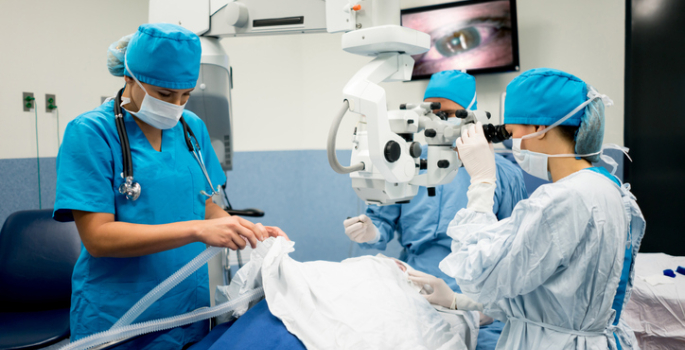
Vanderbilt researchers receive $1.4 million grant to improve outcomes after macular hole repair
Researchers from Vanderbilt University and Vanderbilt University Medical Center have received a $1.4 million grant from the National Eye Institute at the National Institute of Health to identify surgical techniques that improve vision after macular hole repair. Read MoreAug 6, 2020
-

Academic acceleration has no negative long-term effects on the psychological well-being of gifted youth
A new longitudinal study published in the Journal of Educational Psychology from Vanderbilt’s Study of Mathematically Precocious Youth finds that there are no negative effects on the long-term well-being of gifted youth from academic acceleration such as skipping grades, graduating early, or a combination of advanced educational placement methods. Read MoreAug 3, 2020
-
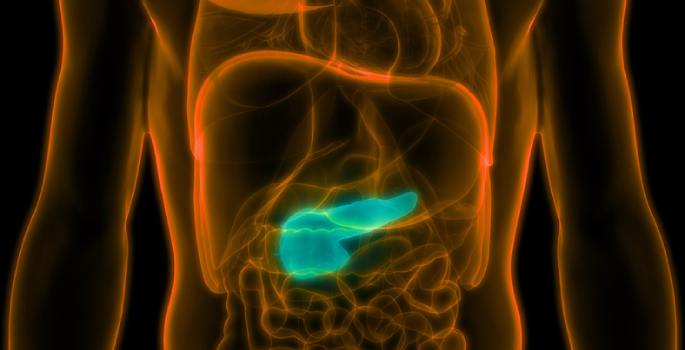
Pseudoislet system expected to advance pancreas and diabetes research
The multicellular, 3-D structure of human pancreatic islets — the areas of the pancreas containing hormone-producing or endocrine cells — has presented challenges to researchers as they study and manipulate these cells’ function, but Vanderbilt University Medical Center researchers have now developed a pseudoislet system that allows for much easier study of islet function. Read MoreJul 30, 2020
-
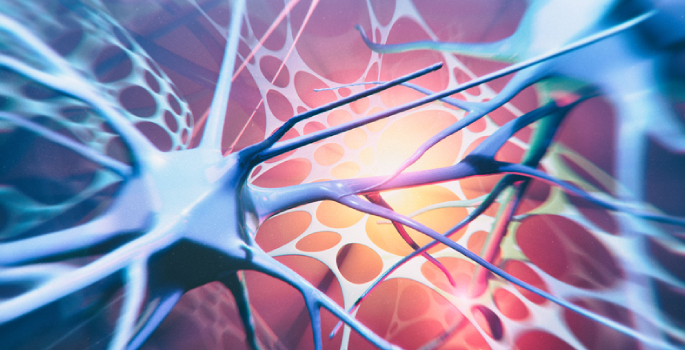
Protein study may be key to treating fibrotic diseases
A protein linked to amyotrophic lateral sclerosis (ALS), a progressive neurological disease that causes muscle weakness, may be a key to treating fibrotic disease of the kidneys and other organs, researchers at Vanderbilt University Medical Center reported recently. Read MoreJul 30, 2020
-

Soaring Salute: Blue Angels’ Nashville flyover honors health care workers, first responders
The U.S. Navy’s Blue Angels flight demonstration squadron soar directly above Vanderbilt Stadium on May 14 during a series of nationwide flyovers, which included Nashville. Read MoreJul 29, 2020
-

Supervision of principals should focus on instructional leadership, according to Vanderbilt research supported by the Wallace Foundation
Research on the evolving role of principal supervisors from Vanderbilt’s Peabody College of education and human development was included in two of three reports released July 21 by the Wallace Foundation, a national philanthropy that seeks to improve learning for marginalized children. Read MoreJul 28, 2020
-
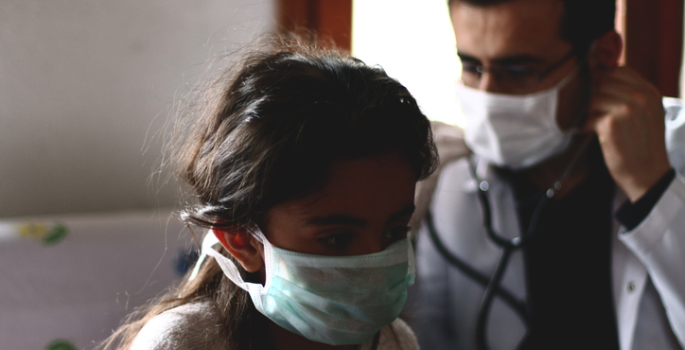
Post-transplant complication
Vanderbilt researchers conducted the largest analysis to date of a heart complication in children following stem cell transplant. The findings may help guide screening practices to improve outcomes. Read MoreJul 28, 2020
-

Soy food, metabolism and the microbiome
Consumption of soy foods may shape the microbiome and protect against hypertension only in individuals with soy-responsive microbiota, Vanderbilt researchers have discovered. Read MoreJul 27, 2020
-
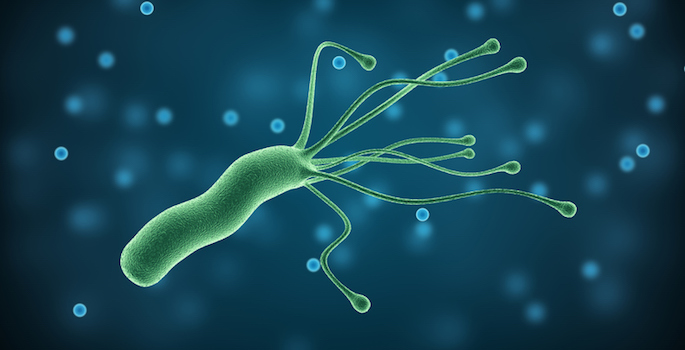
Stomach bug hit-and-run
The H. pylori machinery that “injects” an oncoprotein into stomach cells contributes to the development of gastric cancer, Vanderbilt researchers demonstrate. Read MoreJul 23, 2020
-
VUMC’s program to repurpose drugs lands international acclaim
Vanderbilt University Medical Center is attracting international attention for its proposal to repurpose existing drugs for new uses in ways that can dramatically improve access to medicines by billions of people throughout the world. Read MoreJul 23, 2020
-

Cellular antiviral defenses
A cellular RNA quality control mechanism was known to restrict replication of RNA viruses. Vanderbilt researchers have discovered it is also antiviral against DNA viruses. Read MoreJul 23, 2020
-

Amidon named 2020 Vanderbilt Prize Student Scholar
Katherine Amidon, a PhD student in the Department of Biological Sciences at Vanderbilt University, has been selected as the 2020 Vanderbilt Prize Student Scholar. Read MoreJul 22, 2020