Research
-

Robert Webster elected National Academy of Inventors Fellow, elevated to Institute of Electrical and Electronics Engineers Fellow
Robert J. Webster, the Richard A. Schroeder Professor of Mechanical Engineering at Vanderbilt, has been elected Fellow of the National Academy of Inventors as well as elevated to IEEE Fellow, a prestigious title awarded by the Institute of Electrical and Electronics Engineers to members who have made significant contributions to the fields of engineering, science, and technology. Read MoreDec 15, 2025
-
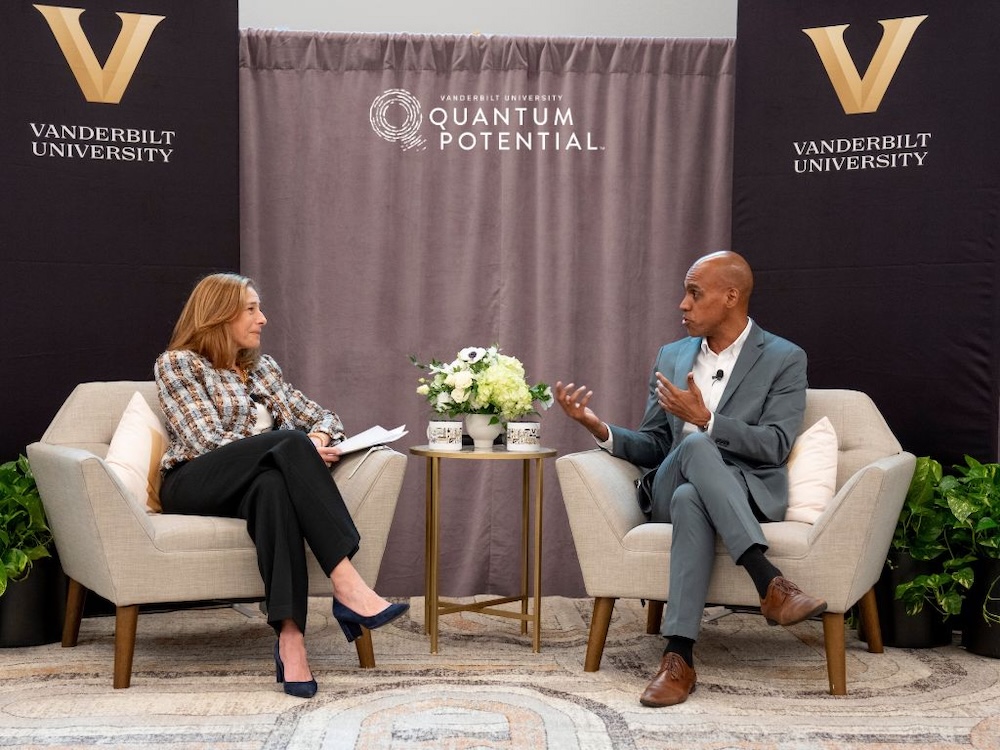
SPECIAL PODCAST EPISODE: Connecting our lives to AI and robotics with Matthew Johnson-Roberson
What does the future of AI and robotics look like in our daily lives and as a career field? In a special episode of Quantum Potential, Provost C. Cybele Raver talks with Matthew Johnson-Roberson, the inaugural dean of the College of Connected Computing, about the accelerating evolution of AI and robotics. Read MoreDec 11, 2025
-

Vanderbilt Poll: Tennesseans’ economic anxiety surges, transcends party lines
Tennesseans across the political spectrum are worried about the cost of living. In its latest statewide poll, Vanderbilt University found that economic anxiety has increased since President Donald Trump took office in January. That anxiety runs the gamut from paying for unexpected expenses, such as a medical emergency or car repair, to covering basic monthly bills and saving for the future. Read MoreDec 11, 2025
-

Vanderbilt University and EPB launch innovation institute to accelerate quantum science and technology breakthroughs
Vanderbilt University and EPB of Chattanooga, home of America’s most comprehensive quantum commercialization infrastructure, announced plans to establish the Institute for Quantum Innovation, further positioning Chattanooga—and Tennessee—as a national hub for advancing quantum science and technology. Read MoreDec 10, 2025
-

Limited Submission Opportunity: 2026 Ono Pharma Breakthrough Science Initiative Awards
Vanderbilt (VU + VUMC, combined) may nominate two candidates to submit an LOI to the Ono Pharma Foundation’s Breakthrough Science Initiative Awards Program. Read MoreDec 10, 2025
-
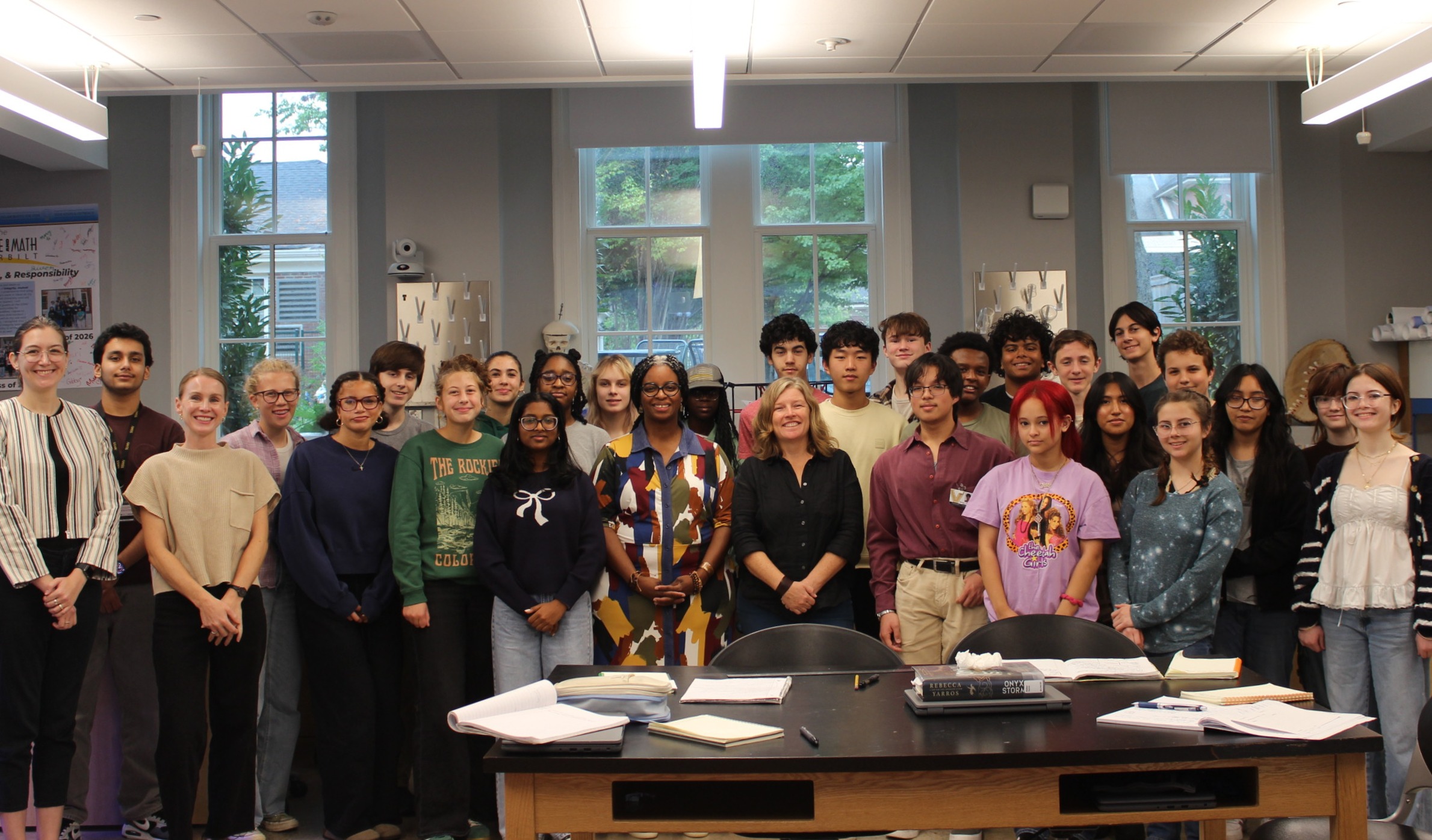
School for Science and Math at Vanderbilt wins Dana Foundation grant for curriculum on smartphones and cognition in teens
How do smartphones affect the brains of teenagers? That question is at the core of a new grant awarded to the School for Science and Math at Vanderbilt (SSMV) by the Dana Foundation, which works to advance neuroscience in alignment with community values and societal priorities. Menton Deweese, director… Read MoreDec 9, 2025
-
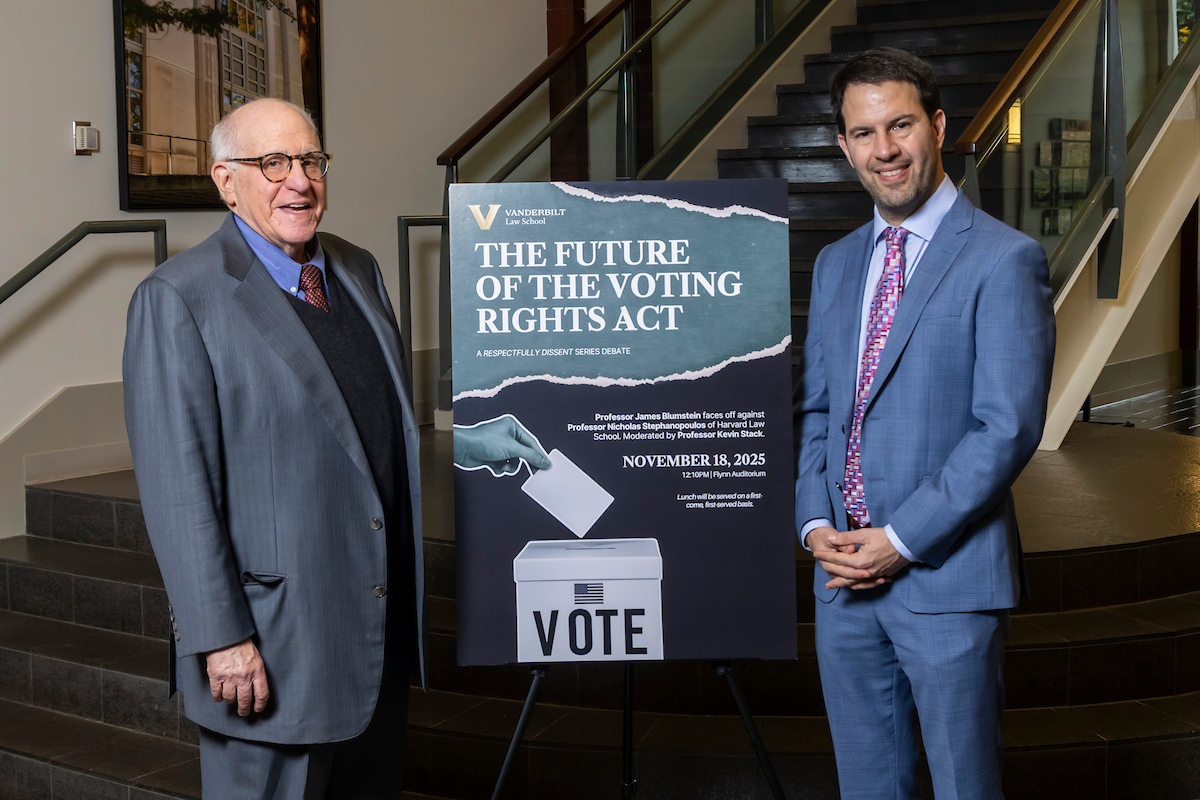
Louisiana v. Callais and the Future of the Voting Rights Act
Vanderbilt and Harvard professors of law recently debated whether the Voting Rights Act still protects American democracy as part of the Respectfully Dissent debate series. The Law School series, in its second year, brings together experts to explore hot topics in today’s legal climate. Nicholas Stephanopoulos of Harvard and James Blumstein of Vanderbilt took up the topic in advance of the U.S. Supreme Court’s pending decision in Louisiana v. Callais and the constitutional boundaries of race-conscious districting. Read MoreDec 4, 2025
-

Vanderbilt Kennedy Center announces 2025–26 Nicholas Hobbs Discovery Award recipients
The Vanderbilt Kennedy Center has announced its latest Nicholas Hobbs Discovery Awards, which recognize innovative research to improve the lives of people with intellectual and developmental disabilities. Colleen Niswender, Dr. Bill Nobis, Audrey Bowden and Laurie Cutting are the recipients for 2025–26, earning support for projects that address Rett syndrome, Dravet syndrome and other developmental epilepsies, and reading difficulties like dyslexia. Read MoreDec 4, 2025
-
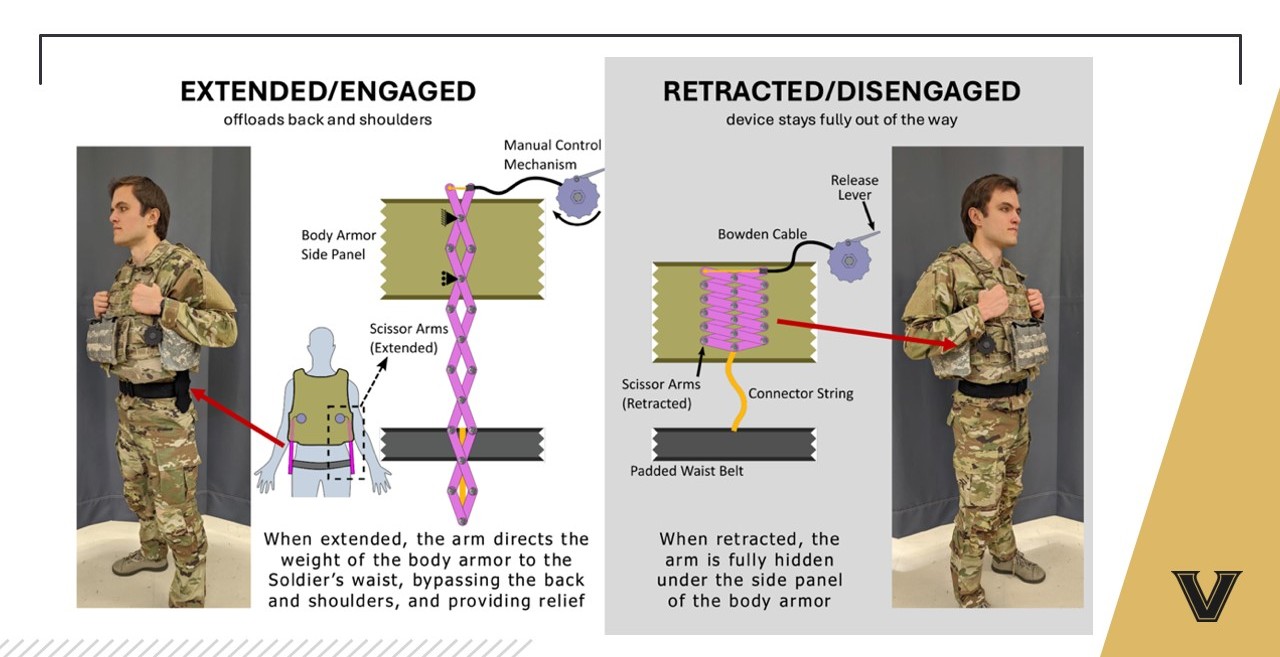
Vanderbilt engineers debut breakthrough wearable that reduces body armor burden
Soldiers spend a lot of time wearing body armor. The added weight takes a toll on their shoulders and back, contributing to one of the most common injuries reported by U.S. Army soldiers: back overuse. Vanderbilt researchers have developed a two-pound wearable device that redistributes 90 percent of that weight to the wearer’s hips while standing, walking and sitting—and lets soldiers retain their full agility and freedom of movement. Associate Professor Karl Zelik, senior research engineer Chad Ice and Ph.D. graduate Paul Slaughter published the study. Read MoreDec 4, 2025
-
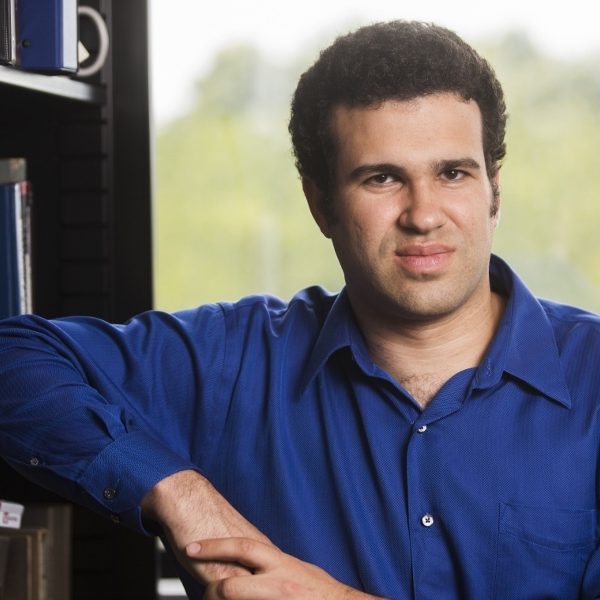
Innovative drug delivery mechanism triggered by cooling could provide targeted pain relief
While using an ice pack to ease pain is nothing new, a Vanderbilt team has taken the concept high-tech. Associate Professor Leon Bellan leads the group that has developed a cold-triggered “depot”—an implantable device that releases medication from within the body on demand. This shows promise on two fronts: Patients can release the medication simply by putting an ice pack over the implant, and locally effective NSAID drugs can be used instead of more addictive opioids. Read MoreDec 4, 2025
-
Vanderbilt IRB enters final phase of transition as university prepares for full oversight in 2026
Vanderbilt’s Human Research Protection Program will launch the third and final phase of its institutional review board transition on Jan. 1, 2026, inviting eligible studies to move from Vanderbilt University Medical Center’s IRB to Vanderbilt’s new social, behavioral and educational research IRB. Read MoreDec 3, 2025
-
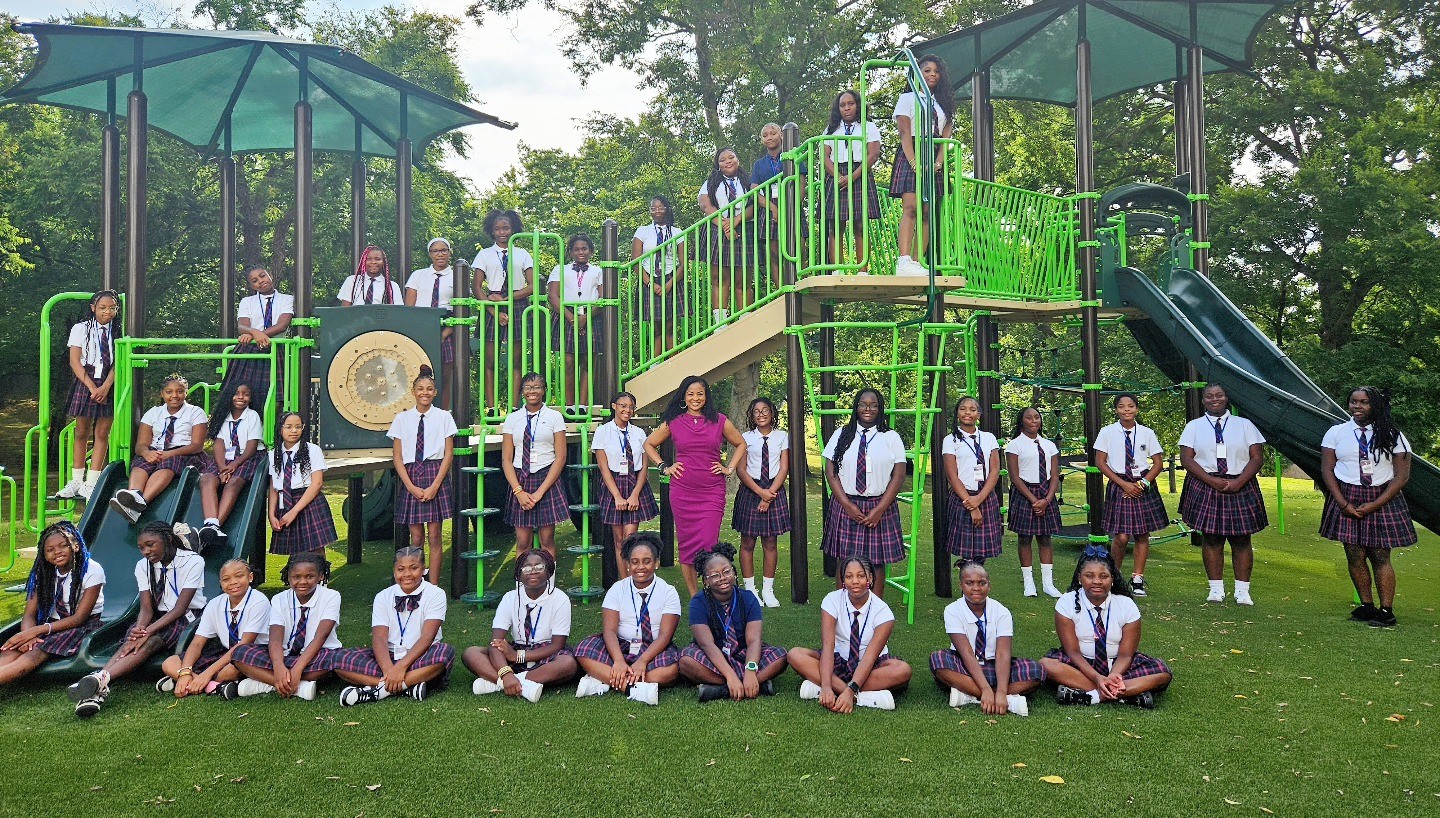
Vanderbilt–B.E. Academy collaboration advances STEAM opportunities for Nashville girls
By Jennifer Kiilerich Golnaz Arastoopour Irgens When Vanderbilt researcher Golnaz Arastoopour Irgens learned about a new all-girls secondary school, located not far from Vanderbilt University, she quickly saw how its mission aligned with her own work. She set about fostering a collaboration that would connect young learners to her… Read MoreNov 21, 2025
-

What would a small black hole do to the human body? Robert Scherrer aims to answer that
Some people may worry about being bitten by a snake or spider, but have you ever considered what would happen if a small black hole tried to pass through your body? An article by Professor of Physics Robert Scherrer in the International Journal of Modern Physics D poses and answers that very question. Scherrer set out to find what the gravitational effects would be if a primordial black hole passed through the human body, helping scientists better understand the properties of dark matter. Read MoreNov 20, 2025
-

Second schizophrenia treatment discovered at Vanderbilt’s Warren Center enters phase I clinical trial
A new potential treatment for schizophrenia discovered through the Warren Center for Neuroscience Drug Discovery has entered phase 1 clinical trials, marking the fifth WCNDD therapeutic to advance into human testing. Read MoreNov 20, 2025
-

Study reveals role giant ground sloths played in the environment, potentially aiding in ecological restoration today
A new study led by Aditya Kurre, BA’22, and Associate Professor of Biological Sciences and Guggenheim Fellow Larisa DeSantis has revealed the specific diet of two species of giant ground sloth, uncovering the vital roles they played in their environments. Their findings could help scientists restore ecosystems that once thrived thanks to these massive mammals. Read MoreNov 20, 2025
-
-
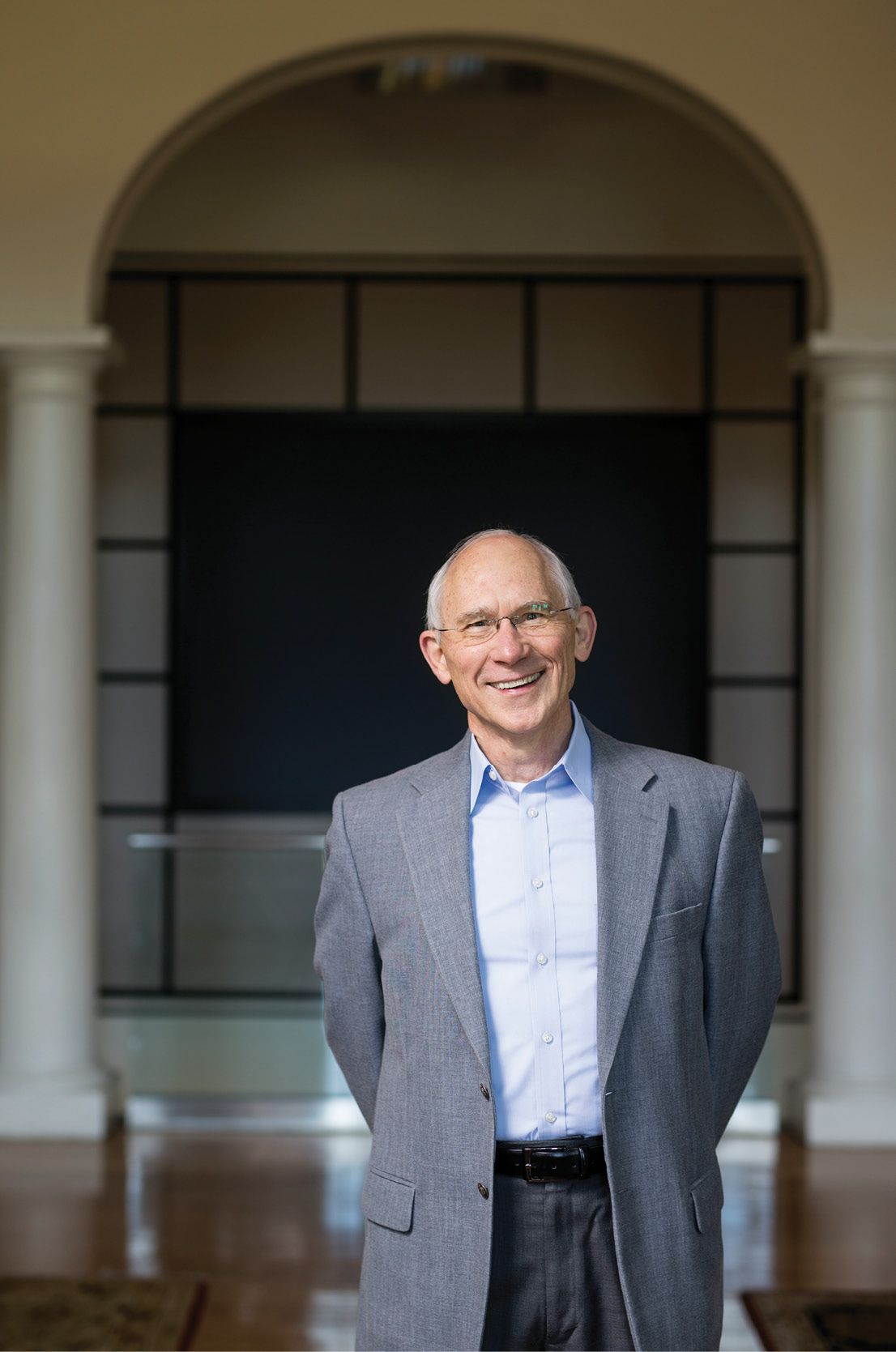
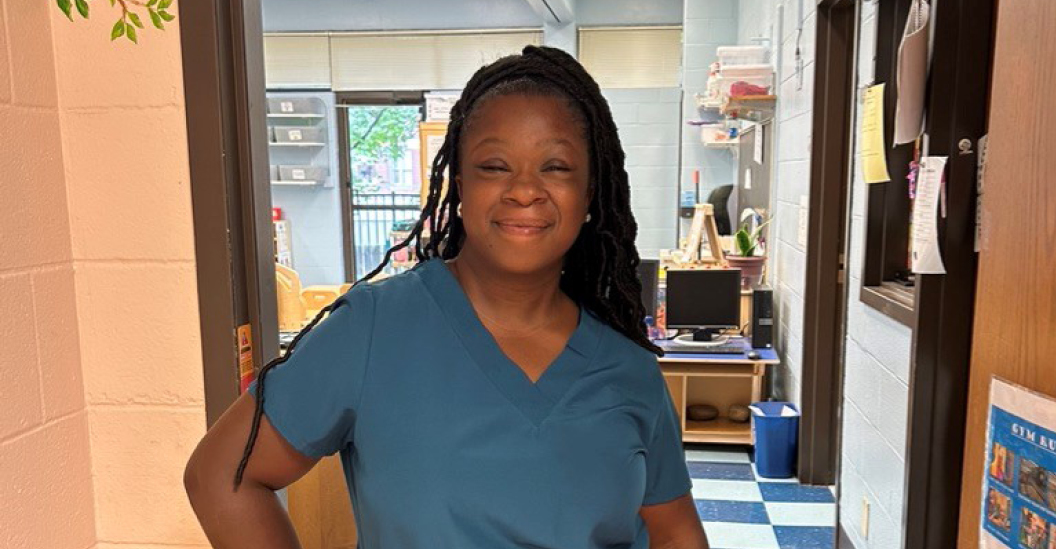
Mark Lipsey, Vanderbilt Peabody professor emeritus, awarded most prestigious prize in criminology
By Jenna Somers Mark Lipsey Mark Lipsey, professor emeritus of public policy at Vanderbilt Peabody College of education and human development, has been awarded the Stockholm Prize in Criminology, the world’s largest and most prestigious criminology prize. Lipsey received the award for his research on rehabilitative programs… Read MoreNov 19, 2025
-
Vanderbilt University Unity Poll: Americans say college should teach “how to think,” not “what to think”
As conversations about the value and nature of higher education continue at colleges and universities nationwide, a new national Vanderbilt Unity Poll finds that Americans are largely united on the fundamental value of higher education—and in their distaste for the influence of politics and the cost of college degrees. Read MoreNov 19, 2025
-
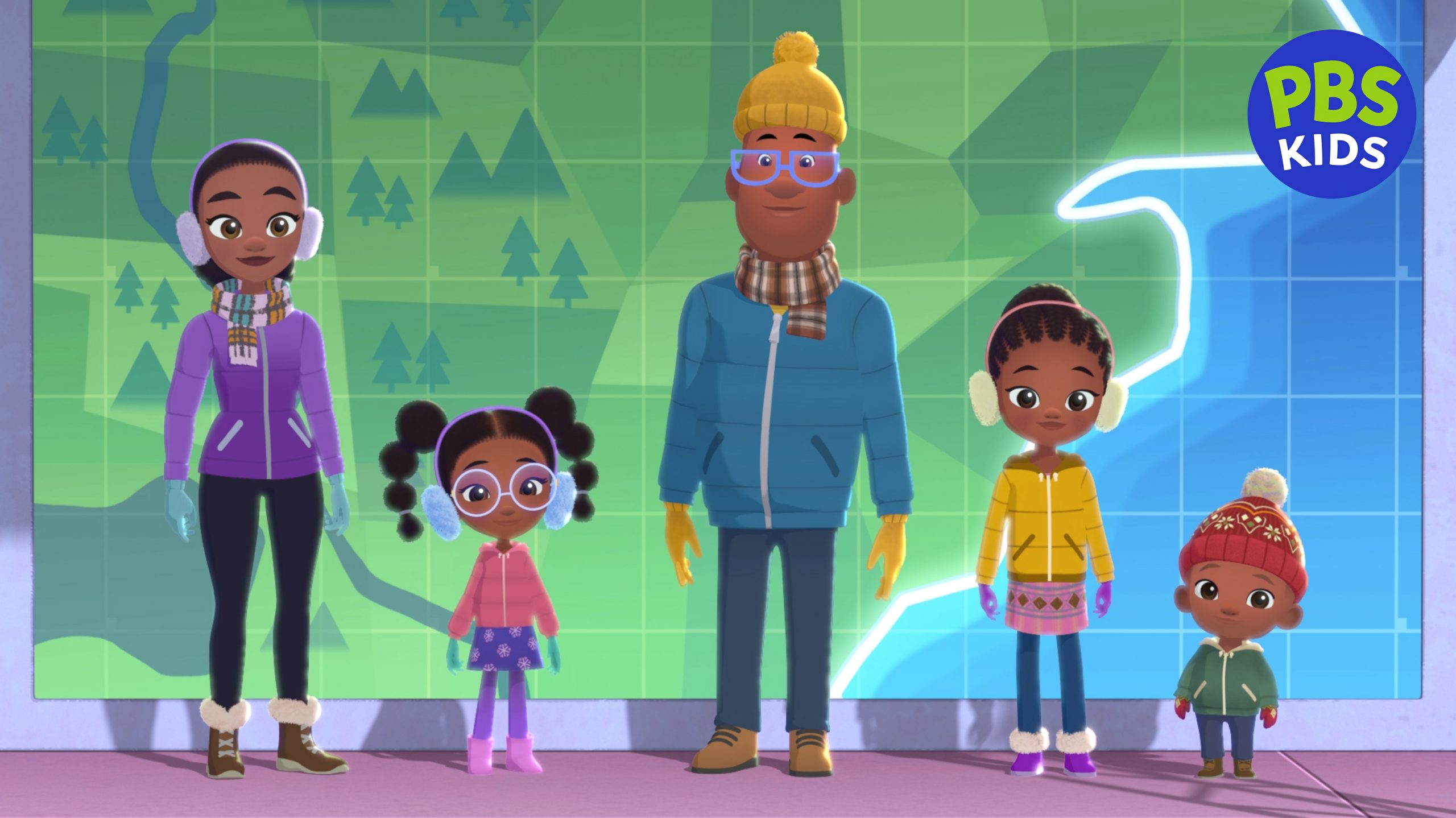
Vanderbilt’s Jeremi London provides expertise for new PBS show educating kids about Earth science and meteorology
A new PBS Kids series created to help children better understand the impact of weather and climate took instructional cues from Jeremi London, associate provost for academic opportunity and associate professor of mechanical engineering, who played a role in the show’s development. Read MoreNov 13, 2025
-

New technique pioneered at Vanderbilt can identify new risk genes for schizophrenia
Schizophrenia has been proven to be heritable, but typical analyses so far haven’t been able to pinpoint what, genetically, is going wrong in the brain. A new paper by Professor Bingshan Li and research instructor Rui Chen outlines how to improve on existing genetic screening for schizophrenia risk by expanding the areas of the chromosome scanned for genetic signals. Their results point to a “tangible biological pathway—and potential treatment target—linking genetic risk to the pathogenesis of schizophrenia,” Chen said. Read MoreNov 13, 2025