Research
-

Regulators, private investors outpaced by algorithmic stock trading
Algorithms able to execute tens of thousands of trades in just fractions of a second are responsible for more than 70 percent of all equity trading volume in the United States. Read MoreApr 29, 2014
-
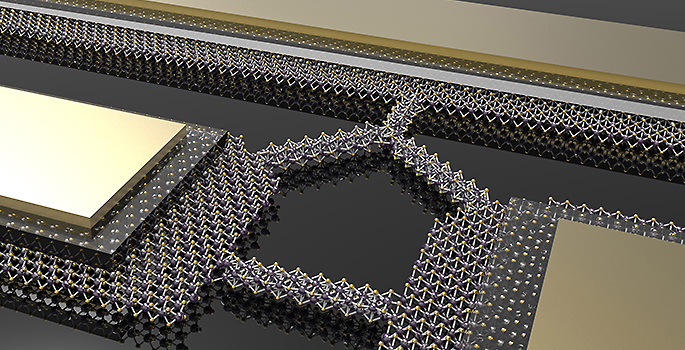
How to create nanowires only three atoms wide with an electron beam
A Vanderbilt graduate student has used a focused beam of electrons to create some of the smallest nanowires ever made, which could bring us closer to flexible, paper-thin tablets and television displays. Read MoreApr 28, 2014
-
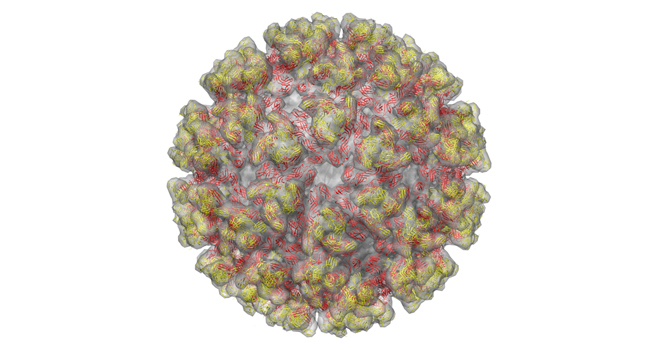
Target cell entry to halt Chikungunya virus
Understanding how chikungunya virus binds to and enters cells offers a new target for antiviral medications. Read MoreApr 28, 2014
-

Increased cell permeability may protect from colitis
Having a “leaky” gut may protect against colitis, a paradoxical finding that alters understanding of the role of cell permeability in intestinal homeostasis and immune regulation. Read MoreApr 25, 2014
-

Restructuring congressional oversight would bring more influence to Congress
When Congress gets too many hands on an issue, its influence actually decreases, researchers from the Center for the Study of Democratic Institutions at Vanderbilt University found. Read MoreApr 24, 2014
-
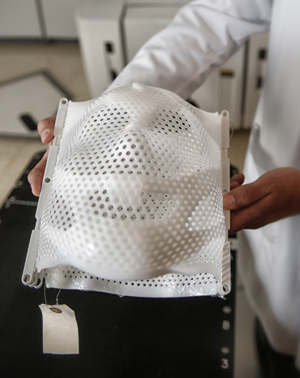
Study to assess tremor after stereotactic radiosurgery
Tremor is the most common of all movement disorders and its involuntary nature can hinder an individual’s ability to dress or feed themselves, use a phone or computer, or engage in chores and hobbies. Read MoreApr 24, 2014
-

New view of neurotransmitter transport
Dynamic measurements of the bacterial leucine transporter shed light on the transporters that play roles in neuropsychiatric and addiction disorders. Read MoreApr 24, 2014
-

Cougars’ diverse diet helped them survive the mass extinction that wiped out the saber-tooth cat, American lion
Cougars may have survived a mass extinction that took place about 12,000 years ago because they were not particular about what they ate. Read MoreApr 22, 2014
-

Sporting latest tech toy can make you seem more like a leader
If you want to be perceived as a leader, new research from Vanderbilt University suggests investing in the latest technological gadgets is the way to go. Read MoreApr 17, 2014
-
VICC’s Arteaga assumes presidency of AACR
Carlos L. Arteaga, M.D., professor of Medicine and Cancer Biology and Donna S. Hall Professor of Breast Cancer Research at Vanderbilt-Ingram Cancer Center (VICC), assumed the presidency of the American Association for Cancer Research (AACR) for 2014-2015 during the group’s annual meeting last week in San Diego. Read MoreApr 17, 2014
-
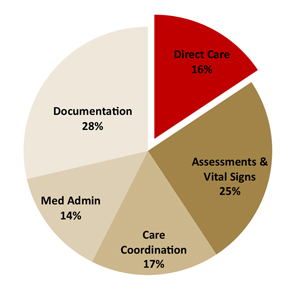
Redesign of nursing workflow seeing success
In 2008, Vanderbilt nurses participated in a nationwide survey to determine how they spent their time, and it revealed that only 16 percent was spent on direct patient care, while 28 percent was spent on documentation. Read MoreApr 17, 2014
-
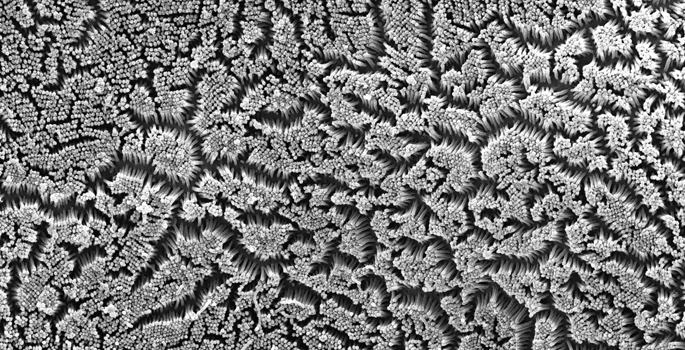
Nutrient-absorbing surface’s assembly revealed: study
Vanderbilt University researchers have discovered how intestinal cells build the "brush border" -- a specialized surface structure that is critical for absorbing nutrients and defending against pathogens. Read MoreApr 17, 2014
-

Channel drug restores glucose balance
A new compound that activates potassium channels could be used to treat disorders of glucose homeostasis. Read MoreApr 16, 2014
-

Anthrax bacteria’s signaling systems
Vanderbilt researchers have identified a new signaling system that anthrax bacteria uses to infect its host. Read MoreApr 15, 2014
-
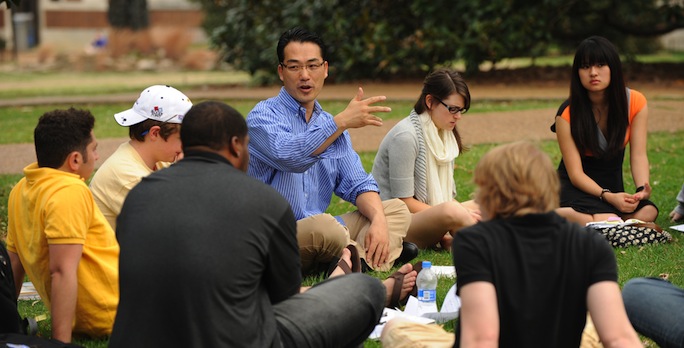
Vanderbilt professor proposes a different way to finance college
A Vanderbilt business professor is proposing a new kind of college loan: In exchange for a full college scholarship, students would pay back a percentage of their income for a set number of years. Read MoreApr 14, 2014
-

Myelin junctions key to conduction
A protein in the myelin coating on nerves helps form a “seal” that enables effective nerve conduction; loss of the protein causes inherited neuropathies. Read MoreApr 11, 2014
-
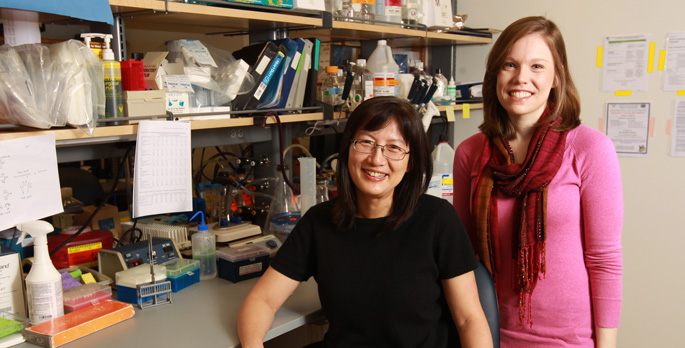
Study tracks new lung cancer drug target
Researchers at Vanderbilt University have identified a potential new drug target in subtypes of lung cancer that are difficult to treat. Read MoreApr 10, 2014
-
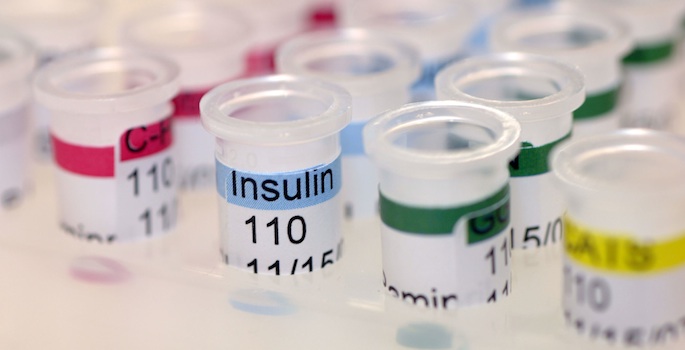
Matrix remodeling and insulin resistance
The extracellular matrix that surrounds cells plays a role in the development of insulin resistance. Read MoreApr 10, 2014
-

DBS for Parkinson’s trial moves to next level
A long-term Vanderbilt University Medical Center study of deep brain stimulation (DBS) in early-stage Parkinson’s disease has received approval from the Food and Drug Administration (FDA) to continue in a pivotal, phase III, large-scale safety and efficacy trial. Read MoreApr 3, 2014
-
Protein’s role in spread of colon cancer studied
One of the most formidable weapons in a cancer’s arsenal is the ability to spread to other organs. Read MoreApr 3, 2014