Research
-
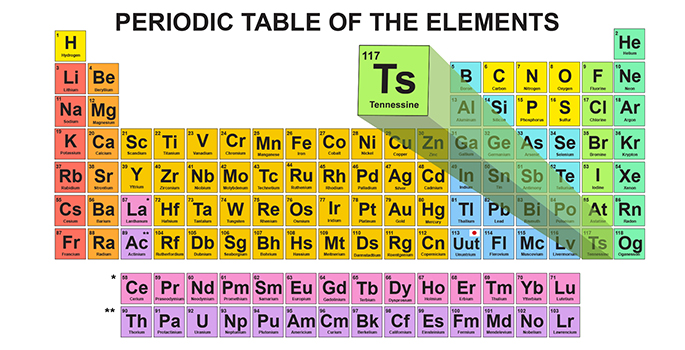
Research that ruled in 2016: Readers’ favorite stories
Artificial kidneys, gay-straight alliances and junkyard batteries captured readers' attention in 2016. Read MoreDec 16, 2016
-

New clues emerge in rare form of childhood epilepsy
Researchers at Vanderbilt University Medical Center (VUMC) are one step closer to understanding what causes early-onset epileptic encephalopathy, a rare form of childhood epilepsy that is difficult to treat and has poor developmental outcomes. Read MoreDec 15, 2016
-
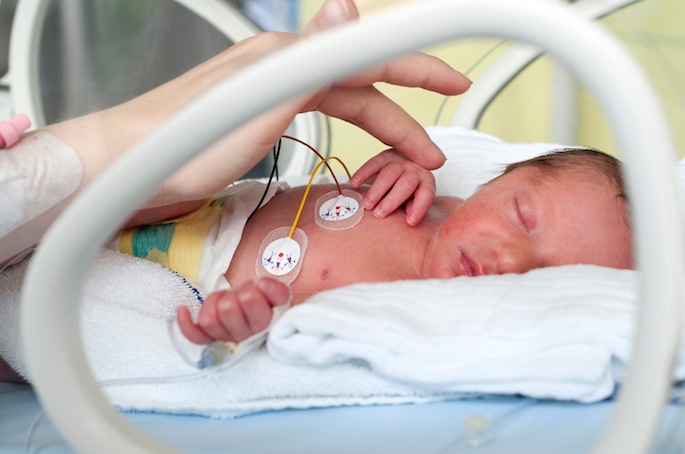
Babies born with opioid withdrawal disproportionately increasing in rural areas
An increasing number of newborns are being born with drug withdrawal symptoms from opioids in rural areas of the United States as compared to births in urban areas, according to a JAMA Pediatrics study. Read MoreDec 15, 2016
-

Study finds Common Core’s take on fractions is on target
Research using a computer game concludes teaching fractions on a number line is highly effective. Read MoreDec 12, 2016
-
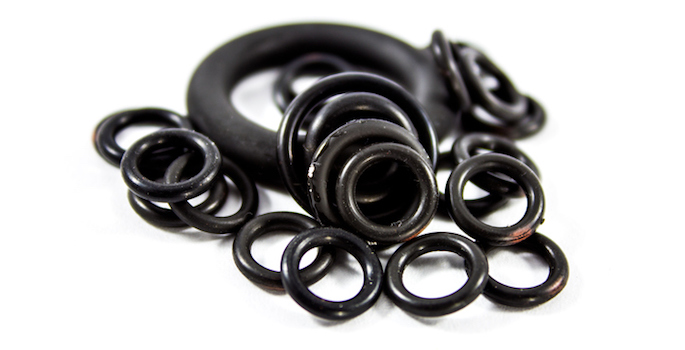
Faster (cheaper) method for making big bioactive ring molecules
A pair of Vanderbilt chemists have developed a faster, cheaper method for synthesizing ring molecules called cyclic depsipeptides found in antibiotics, anti-retrovirals and pesticides. Read MoreDec 12, 2016
-

Type of psychotherapy matters in treatment of irritable bowel syndrome
A new study has found that the type of psychotherapy used to treat the gastrointestinal disorder irritable bowel syndrome makes a difference in improving patients' daily functioning. Read MoreDec 12, 2016
-
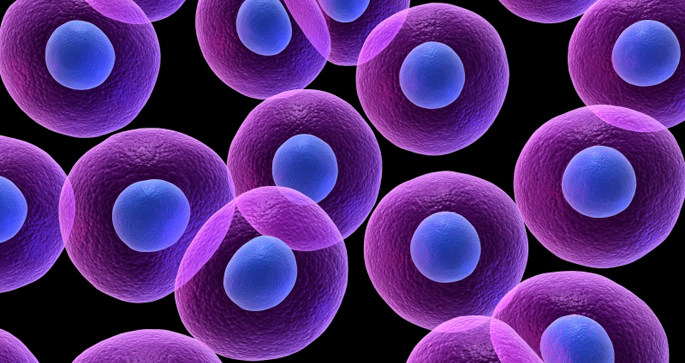
Single-cell analysis of solid tumors
A new method will make it possible to study solid tumors and healthy tissues using mass cytometry. Read MoreDec 12, 2016
-

Protecting the blood-brain barrier
Vanderbilt investigators have discovered how a promising cancer immunotherapy causes brain swelling, findings that could lead to ways to protect brain function while fighting cancers. Read MoreDec 9, 2016
-
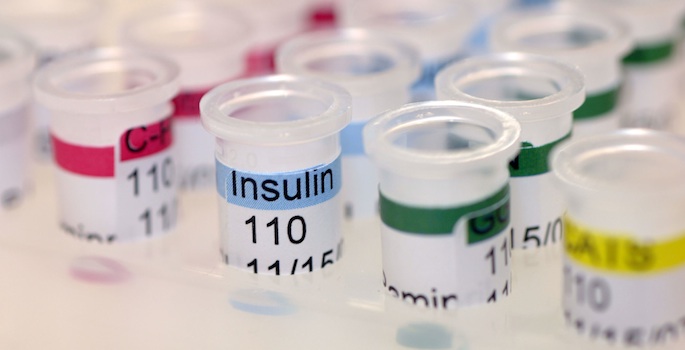
Making human beta cells reproduce
A new method developed at Vanderbilt will speed the search for potential therapeutics for diabetes: compounds that stimulate the replication of insulin-producing beta cells. Read MoreDec 8, 2016
-

Plasmin prevents muscle ‘hardening’ after injury: study
Vanderbilt researchers have made the surprising discovery that the protease plasmin, known for its clot-busting role in the blood, protects soft tissue from turning to bone after severe injuries and certain orthopaedic surgeries. Read MoreDec 8, 2016
-

Early math knowledge related to later achievement
Findings will inform educators and school administrators developing curricula for the early years. Read MoreDec 6, 2016
-
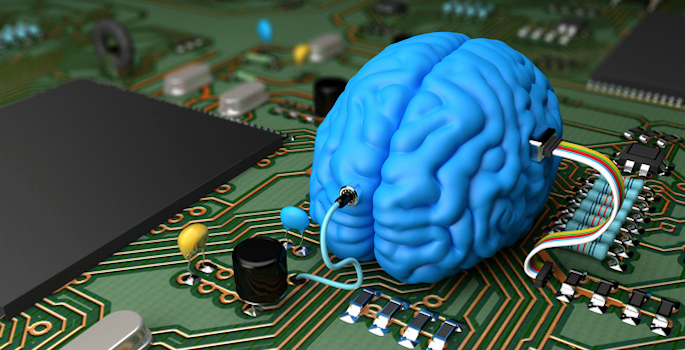
Blood-brain barrier on a chip sheds new light on “silent killer”
A new microfluidic device containing human cells that faithfully mimics the behavior of the blood-brain barrier is providing new insights into brain inflammation, the silent killer. Read MoreDec 6, 2016
-

The myth that healthy foods cost more may have a negative impact on consumer choices
The idea that healthy foods are universally more expensive drives consumer choices to a degree that it shouldn’t, according to a new Vanderbilt study. Read MoreDec 1, 2016
-

Study tests shorter antibiotic course in children
Researchers at Vanderbilt University Medical Center (VUMC) are leading a multicenter clinical trial to evaluate whether a shorter course of antibiotics — five days instead of 10 — is effective at treating community-acquired pneumonia (CAP) in children who show improvement after the first few days of taking antibiotics. Read MoreDec 1, 2016
-

How copying is done should matter in copyright infringement complaints
The method of reproduction should figure into copyright law questions, says Vanderbilt law professor Joseph Fishman. Read MoreNov 30, 2016
-
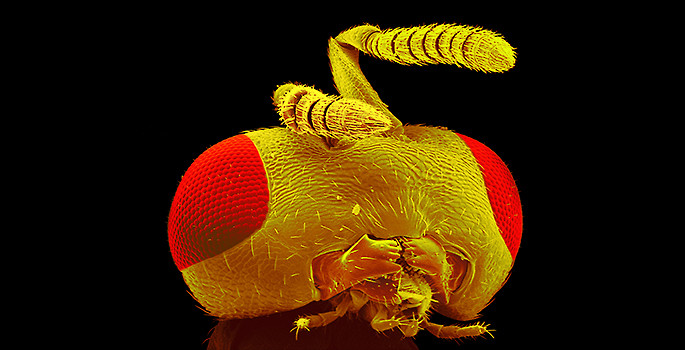
Each animal species hosts a unique microbial community and benefits from it
A laboratory study of four animal species and their microbiota finds that each species hosts a unique community of microbes that can significantly improve its health and fitness. Read MoreNov 28, 2016
-
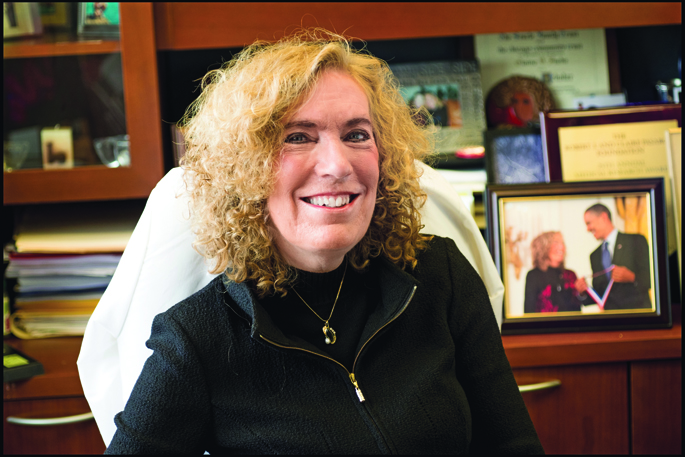
Rockefeller University’s Elaine Fuchs, Ph.D., named 2016 recipient of the Vanderbilt Prize in Biomedical Science
Elaine Fuchs, Ph.D., whose innovative use of reverse genetics has helped redefine the study of skin diseases and cancer stem cells, is the recipient of the 2016 Vanderbilt Prize in Biomedical Science, officials at Vanderbilt University Medical Center (VUMC) announced today. Read MoreNov 28, 2016
-
Reducing antidepressants’ side effects
Vanderbilt investigators have discovered how antidepressant medicines that block serotonin uptake can increase bleeding risk. Read MoreNov 23, 2016
-
Mood ring materials – a new way to detect damage in failing infrastructure
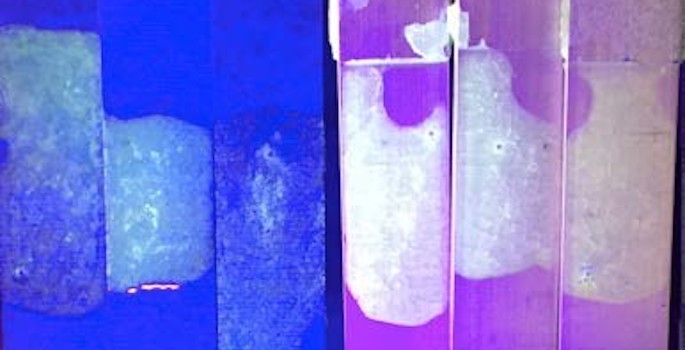
"Mood ring materials" constitute a new type of smart sensing technology that could play an important role in minimizing and mitigating damage to the nation's failing infrastructure. Read MoreNov 21, 2016
-

Vanderbilt expert predicted rise of white nationalism in 2002
The rise of white nationalism was predicted in a book written by Vanderbilt professor Carol Swain in 2002 Read MoreNov 21, 2016