Research
-

New target for colorectal cancer
Vanderbilt investigators have discovered that activated epidermal growth factor receptor may be a target for therapies to prevent colorectal cancer development. Read MoreMar 17, 2017
-

AAU: Frequently Asked Questions about Facilities and Administrative Costs of Federally Sponsored University Research
The AAU has prepared a helpful FAQ for anyone seeking to understand facilities and administrative costs (also known as "indirect costs") associated with federally funded research. Read MoreMar 16, 2017
-

TN principal exam fails to predict success; hinders diversity efforts
The SLLA may not be the right measure for hiring principals. Read MoreMar 16, 2017
-

Study catches ‘notorious’ drug pump in action
Researchers at Vanderbilt University Medical Center (VUMC) have mapped the conformational changes that occur in a protein “notorious” for pumping chemotherapeutic drugs out of cancer cells and blocking medications from reaching the central nervous system. Read MoreMar 16, 2017
-

VUMC joins cutting-edge obesity research network
Vanderbilt University Medical Center (VUMC) is one of four centers receiving a $15 million, four-year research award from the American Heart Association (AHA) to provide cutting-edge research on obesity as part of its sixth Strategically Focused Research Network (SFRN). Read MoreMar 16, 2017
-

Premature infants in NICU do better with touch: study
Treatment in the Neonatal Intensive Care Unit (NICU) saves millions of infants born prematurely every year. But treatment is not without cost. Painful procedures such as needle pricks can impact early brain development. Read MoreMar 16, 2017
-

Esophageal cancer complexities
New findings that reveal complex interactions in esophageal adenocarcinoma could lead to diagnostic, prognostic or therapeutic biomarkers. Read MoreMar 16, 2017
-
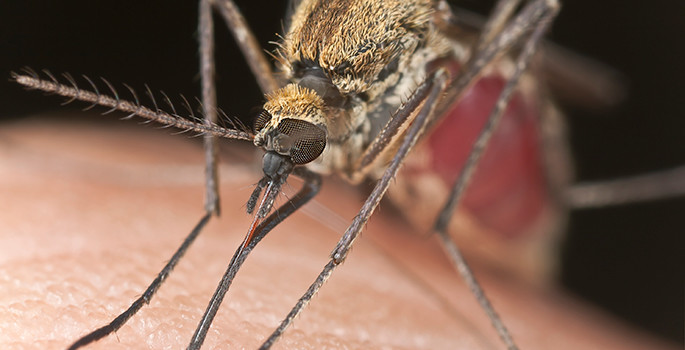
For female mosquitoes, two sets of odor sensors are better than one
A team of Vanderbilt biologists has found that the malaria mosquito has a second complete set of odor receptors that are specially tuned to human scents. Read MoreMar 15, 2017
-

Neuroscientists can measure criminal intent – at least in the moment
Intent to commit a crime is a crucial factor in determining prison sentences. A new neuro study suggests it is possible to measure subtle variations in intent while a crime is being committed. Read MoreMar 13, 2017
-

Contract clause in Constitution finding new relevance
Vanderbilt professor James Ely has written a book about the contract clause of the Constitution. The clause has recently been used to block state legislatures from trimming the benefits of teachers. Read MoreMar 9, 2017
-

Study explores alcohol use patterns in early pregnancy
The latest Centers for Disease Control and Prevention update recommending that women who are pregnant or could become pregnant abstain from alcohol use prompted a Vanderbilt professor of Obstetrics and Gynecology and her team to explore the patterns of alcohol use in early pregnancy. Read MoreMar 9, 2017
-
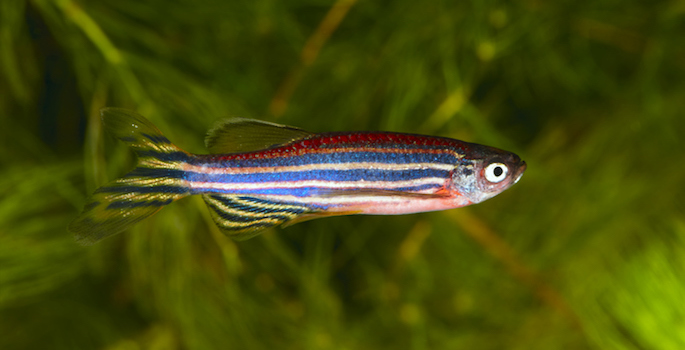
Fish eyes may hold key to regenerating human retinas
Research into retinal regeneration in zebrafish has identified a signal that appears to trigger the self-repair process, raising the possibility of inducing retinal repair in human eyes. Read MoreMar 9, 2017
-

Certain risk factors linked to post-surgery infection
Plastic surgeons at Vanderbilt University Medical Center (VUMC) have published a prospective study that proves there are specific risk factors — such as obesity, smoking and diabetes — that contribute to development of a major surgical site infection following cosmetic surgery. Read MoreMar 9, 2017
-

Investigators use machine learning to predict suicide risk
According to the Centers for Disease Control and Prevention (CDC), in 2013 there were 41,149 suicides in the U.S., making it the 10th leading cause of death that year. Among high school students in 2013, the CDC estimates that over the previous 12 months 2.7 percent had sometime made a suicide attempt resulting in injury, poisoning or overdose that required medical attention. Read MoreMar 9, 2017
-
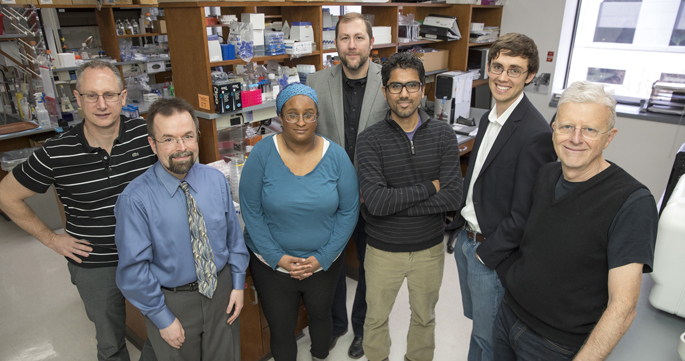
Melanoma study finds new way to enhance targeted therapies
With the help of a drug formerly used to treat HIV/AIDS, researchers at Vanderbilt University Medical Center (VUMC) have found a way to make melanoma cells more vulnerable to targeted anti-cancer therapy. Read MoreMar 9, 2017
-

Role for mouth microbes in diabetes?
A higher abundance of certain bacterial species in the mouth appears to reduce the risk of type 2 diabetes, Vanderbilt investigators have discovered. Read MoreMar 8, 2017
-

Antidote for smoke inhalation injury
Routine use of hydroxocobalamin should be considered for victims of smoke inhalation, Vanderbilt researchers suggest. Read MoreMar 7, 2017
-

You are what you eat – and who you know
New research shows being surrounded by high-status people may help you stay slim – but only if you're a woman. Read MoreMar 6, 2017
-

Mutation raises heart block risk
A newly identified genetic risk factor for heart block after surgery may help guide the course of postoperative care. Read MoreMar 3, 2017
-

Clues found to recurrent depression
Women who have had repeated depressive episodes tend to pay more attention to negative emotional information, suggesting that they may benefit from cognitive therapy to build new, more positive pathways in their brains. Read MoreMar 2, 2017