Health And Medicine
-
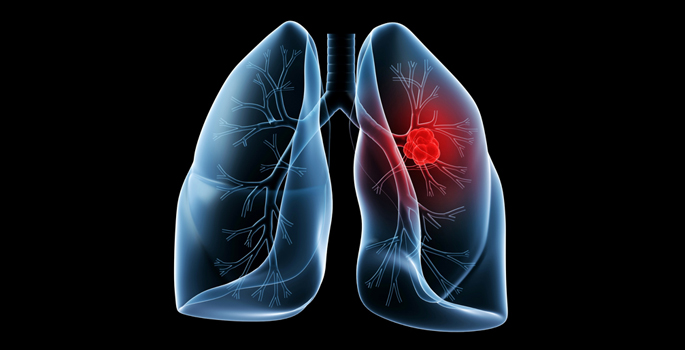
Team’s discovery offers new insight on lung cancer risk
Researchers in the Schools of Medicine and Engineering at Vanderbilt University have discovered a proteomic “signature” from the airways of heavy smokers that could lead to better risk assessment and perhaps new ways to stop lung cancer before it starts. Read MoreJan 12, 2017
-

Investigators apply game theory to study of genomic privacy
It comes down to privacy — biomedical research can’t proceed without human genomic data sharing, and genomic data sharing can’t proceed without some reasonable level of assurance that de-identified data from patients and other research participants will stay de-identified after they’re released for research. Read MoreJan 12, 2017
-

Vanderbilt-led study finds parent’s physical activity associated with preschooler activity in underserved populations
Preschool-age children from low-income families are more likely to be physically active if parents increase activity and reduce sedentary behavior while wearing movement monitors (accelerometers), according to a Vanderbilt study published today in the American Journal of Preventive Medicine. Read MoreJan 10, 2017
-

Paper or screen, which is better?
To improve medical management of crisis situations, clinicians should be trained to use cognitive aids – checklists and concise manuals. Read MoreJan 10, 2017
-
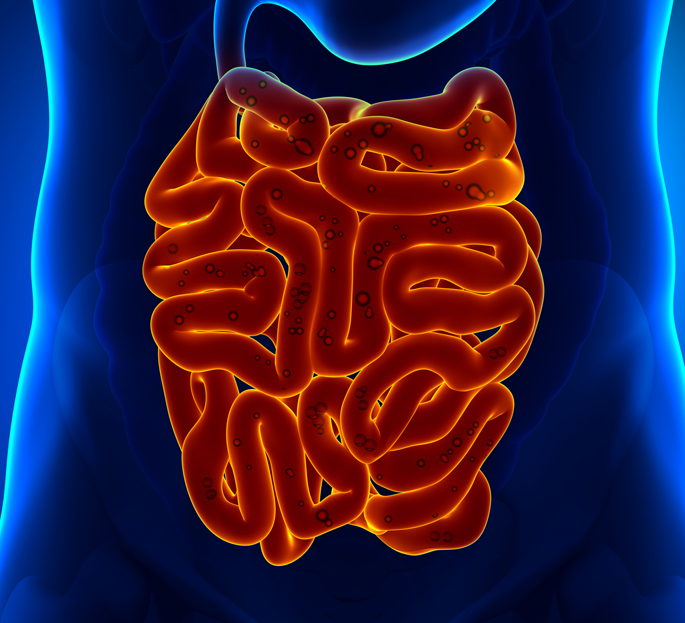
Midgut neuroendocrine tumor prognosis
Vanderbilt investigators recommend that the presence of tumor deposits in the abdomen be included when staging midgut neuroendocrine tumors. Read MoreJan 6, 2017
-
Department of Medicine’s NIH funding swells
Vanderbilt University School of Medicine has long been recognized as a national leader in biomedical research. Nowhere is this more evident than in the school’s Department of Medicine, which, during the 2016 federal fiscal year that ended Sept. 30, broke another record. Read MoreJan 5, 2017
-

Heart failure “dashboard”
A new computer algorithm developed at Vanderbilt could save billions of dollars in health care costs by identifying patients at risk for readmission after being hospitalized for heart failure. Read MoreJan 5, 2017
-

Investigational new drug for Alzheimer’s scheduled for first study in humans
Vanderbilt University scientists have received notification from the U.S. Food and Drug Administration that testing in humans may proceed for an investigational new drug for Alzheimer's disease after more than 10 years of research by scientists at Vanderbilt University and Vanderbilt University Medical Center. Read MoreDec 27, 2016
-

Discovery sheds new light on Angelman, Prader-Willi syndromes
A mutation associated with epilepsy and autism also is responsible for a “pale eye” trait in two rare genetic disorders, Angelman syndrome and Prader-Willi syndrome, neuroscientists at Vanderbilt University Medical Center reported this week. Read MoreDec 22, 2016
-

New clues emerge in rare form of childhood epilepsy
Researchers at Vanderbilt University Medical Center (VUMC) are one step closer to understanding what causes early-onset epileptic encephalopathy, a rare form of childhood epilepsy that is difficult to treat and has poor developmental outcomes. Read MoreDec 15, 2016
-
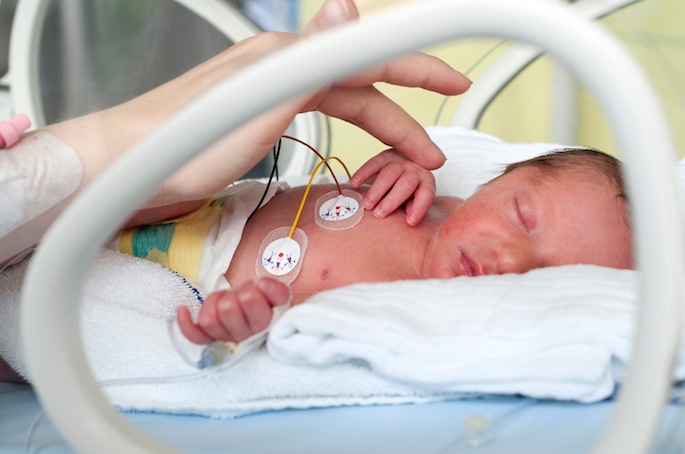
Babies born with opioid withdrawal disproportionately increasing in rural areas
An increasing number of newborns are being born with drug withdrawal symptoms from opioids in rural areas of the United States as compared to births in urban areas, according to a JAMA Pediatrics study. Read MoreDec 15, 2016
-
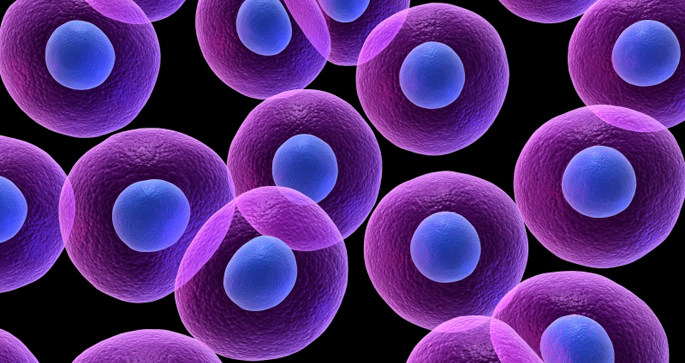
Single-cell analysis of solid tumors
A new method will make it possible to study solid tumors and healthy tissues using mass cytometry. Read MoreDec 12, 2016
-
Protecting the blood-brain barrier
Vanderbilt investigators have discovered how a promising cancer immunotherapy causes brain swelling, findings that could lead to ways to protect brain function while fighting cancers. Read MoreDec 9, 2016
-
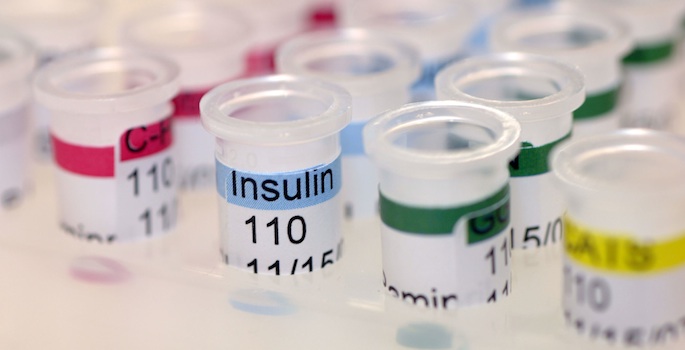
Making human beta cells reproduce
A new method developed at Vanderbilt will speed the search for potential therapeutics for diabetes: compounds that stimulate the replication of insulin-producing beta cells. Read MoreDec 8, 2016
-

Plasmin prevents muscle ‘hardening’ after injury: study
Vanderbilt researchers have made the surprising discovery that the protease plasmin, known for its clot-busting role in the blood, protects soft tissue from turning to bone after severe injuries and certain orthopaedic surgeries. Read MoreDec 8, 2016
-

Study tests shorter antibiotic course in children
Researchers at Vanderbilt University Medical Center (VUMC) are leading a multicenter clinical trial to evaluate whether a shorter course of antibiotics — five days instead of 10 — is effective at treating community-acquired pneumonia (CAP) in children who show improvement after the first few days of taking antibiotics. Read MoreDec 1, 2016
-
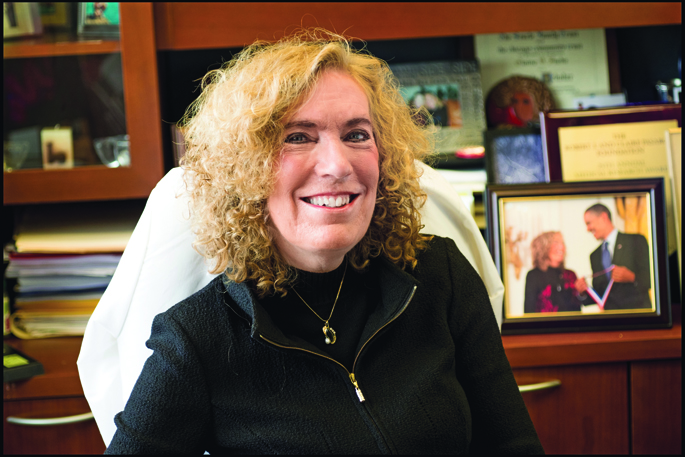
Rockefeller University’s Elaine Fuchs, Ph.D., named 2016 recipient of the Vanderbilt Prize in Biomedical Science
Elaine Fuchs, Ph.D., whose innovative use of reverse genetics has helped redefine the study of skin diseases and cancer stem cells, is the recipient of the 2016 Vanderbilt Prize in Biomedical Science, officials at Vanderbilt University Medical Center (VUMC) announced today. Read MoreNov 28, 2016
-
Reducing antidepressants’ side effects
Vanderbilt investigators have discovered how antidepressant medicines that block serotonin uptake can increase bleeding risk. Read MoreNov 23, 2016
-

Building the basement membrane
Vanderbilt researchers have discovered steps in the regulation of a key enzyme that builds the basement membrane, a structure that undergirds nearly all animal tissues. Read MoreNov 21, 2016
-
Targeting the “un-targetable”
A novel drug that targets the protein RSK blocked aggressive breast cancers from metastasizing in an animal model. Read MoreNov 18, 2016