Engineering And Technology
-
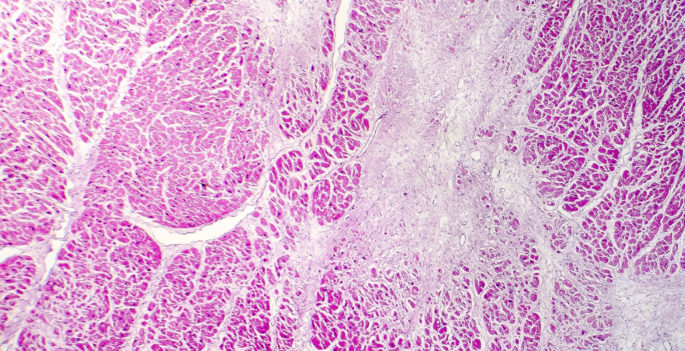
Antibody “road block” enables fine-tuning for cardiac recovery, decreases risk of heart failure
A new study published by Vanderbilt mechanobiology researchers details a possible solution for fine-tuning inflammation and cellular activity in cardiac recovery – thanks to an antibody initially developed for rheumatoid arthritis. Read MoreSep 19, 2019
-

Department of Energy webinar on federal funding set for Sept. 26
A special webinar on federal funding from the Department of Energy is scheduled for Thursday, Sept. 26, from 2 to 3 p.m. in the Baker Building, Room 800C. Remote viewing will be available with advanced registration. Register here to attend the webinar in person or remotely. “DOE and Biological Sciences” will cover a broad range of... Read MoreSep 17, 2019
-
On-the-move cancer cells prefer a “comfort cruise,” follow predictable paths of least resistance
New research from a group of Vanderbilt biomedical engineers reveals that while cancer cells metastasize quickly, they generally choose pathways that use the least amount of energy. Read MoreSep 13, 2019
-

Nanoscale origami: Smallest-ever, atomically precise structures set stage for quantum breakthroughs
New technique for manipulating graphene opens the door to new breakthroughs in quantum technology. Read MoreSep 6, 2019
-

ORAU award supports BME professor’s work on whole brain statistical modeling
Mika Rubinov, whose research involves building statistical models of whole brain data sets, has received a competitive research grant from Oak Ridge Associated Universities. Read MoreAug 26, 2019
-

REDCap data management tool reaches million user mark
Developed in 2004 by BME research professor Paul Harris Fifteen years after it was launched, REDCap, Vanderbilt University’s research data management tool, has reached 1 million users throughout the world. REDCap, or Research Electronic Data Capture, is a web-based platform originally devised by Paul Harris, professor of biomedical engineering, biomedical informatics and biostatistics. To date,... Read MoreAug 22, 2019
-
REDCap data management tool reaches million user mark
Developed in 2004 by BME research professor Paul Harris Fifteen years after it was launched, REDCap, Vanderbilt University’s research data management tool, has reached 1 million users throughout the world. REDCap, or Research Electronic Data Capture, is a web-based platform originally devised by Paul Harris, professor of biomedical engineering, biomedical informatics and biostatistics. To date,... Read MoreAug 22, 2019
-
Cellular soldiers designed to kill cancer cells that get loose during surgery, stop metastasis
Cellular soldiers created using the body’s own defenses can track down and kill escaping cancer cells during surgeries, preventing metastasis and saving lives, a Vanderbilt University biomedical engineer has discovered, particularly in cases of triple negative breast cancer. Read MoreJul 24, 2019
-
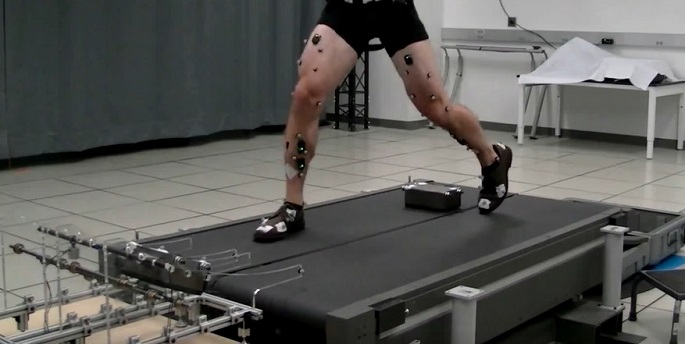
Vanderbilt engineers tripped people 190 times, but it was for a good cause
The automatic stumble response, so natural for most people, is virtually impossible for those who use prosthetic legs, simply because even state-of-the-art prosthetics cannot adapt to stumbling. Read MoreJun 19, 2019
-
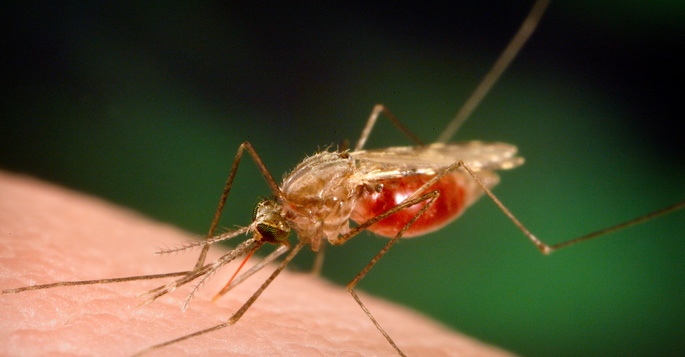
Quick DNA test for malaria drug resistance is life-saver, holds promise for other diseases
Doctors formerly had to extract the malaria parasite’s DNA first, virtually impossible to do in rural, low-resource areas. Read MoreJun 12, 2019
-
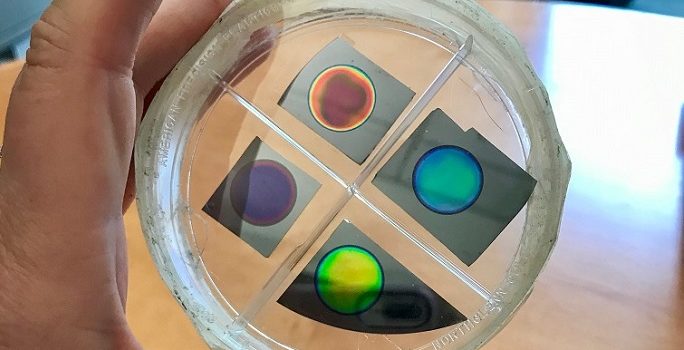
iPhone plus nanoscale porous silicon equals cheap, simple home diagnostics
A Vanderbilt University electrical engineer has combining her research on low-cost, nanostructured thin films with a device most American adults already own to create a diagnostic tool. Read MoreJun 11, 2019
-

Road test proves adaptive cruise control can add to traffic jam problem
For the experiment, the team put seven different cars from two manufacturers on a rural highway and simulated actual driving conditions. Read MoreMay 7, 2019
-
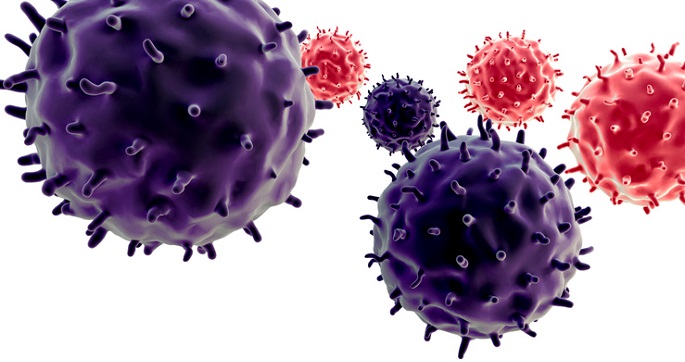
Like racecars and geese, cancer cells draft their way to new tumor sites
The finding gives a boost to the field of metabolomics, the next big thing in fighting cancer. It can complement immunotherapies, which use the body’s natural defenses to kill cancer cells. Read MoreMar 25, 2019
-
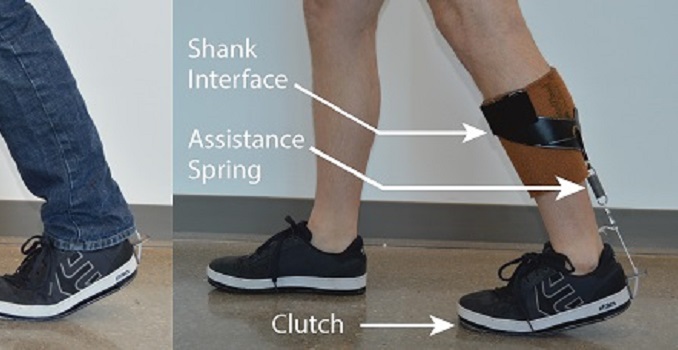
New low-profile ankle exoskeleton fits under clothes for potential broad adoption
Developed by Vanderbilt mechanical engineers, the device is believed to be the first ankle exoskeleton that could be worn under clothes without restricting motion. It does not require additional components such as batteries or actuators carried on the back or waist. Read MoreMar 22, 2019
-

Engineering students, doggie day care owner team up to build the better pooper scooper
The How to Make (Almost) Anything class instructor said the actual project isn't as important as working together to address real-life concerns. Read MoreMar 18, 2019
-
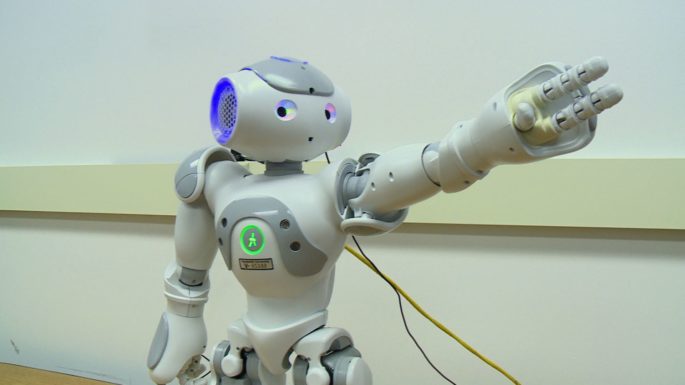
Robot-guided video game gets older adults out of comfort zone, learning and working together
The video game isn’t about talking robots or colorful books. It’s about getting seniors in the early stages of dementia out of their rooms, moving their bodies and, most importantly, working together. Read MoreMar 18, 2019
-

Study links Celebrex, heart valve calcification after earlier research declared drug safe
A big-data analysis of patient records at Vanderbilt University has found a link specifically between Celebrex and heart valve calcification. Read MoreFeb 22, 2019
-

First step toward model brain: turning iPSCs into working blood-brain barrier
The brain endothelial barrier had previously been generated from induced pluripotent stem cells in a two-dimensional culture but not validated in three-dimensional, vein-like structures that are necessary to feed the organoids. Read MoreFeb 21, 2019
-

Vanderbilt team wins $750K with AI to manage RF spectrum
Scientists at Vanderbilt's Institute for Software Integrated Systems have developed an award-winning AI to to help triage limited radio frequency demands in real time. Read MoreFeb 7, 2019
-
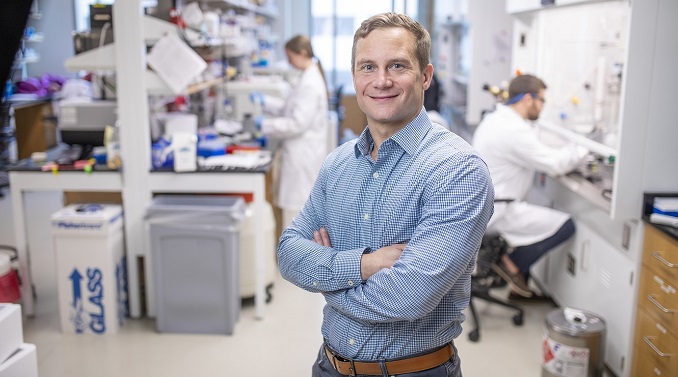
Nanoparticle targets tumor-infiltrating immune cells, flips switch telling them to fight
A team of Vanderbilt University bioengineers announced a major breakthrough: designing a nanoscale particle that flips on cells' defenses to fight cancer. Read MoreJan 21, 2019