Releases
-
New tool to probe genetic mechanisms of disease
Vanderbilt Genetics Institute investigators have added a new method to the computational genetics toolbox. Their approach, described in the journal Nature Genetics, integrates vast genomics datasets to predict gene expression and facilitate discovery of genetic mechanisms underlying human diseases. Read MoreOct 22, 2020
-
Preserving gut mucus architecture
A new method that keeps microbes and gut cells together will be useful for studies of complex host-microbe interactions and for analysis of clinical specimens. Read MoreOct 20, 2020
-
Depression and the brain-age gap
Older depressed adults show accelerated brain aging, according to a new study from Vanderbilt researchers, who suggest that the effects of depression may speed the decline in cognitive functions in older individuals. Read MoreOct 19, 2020
-
Vanderbilt researchers make counterintuitive discoveries about immune-like characteristics of cells, chemotherapy’s impact on tissue growth
Biologists reveal that tissue perturbations by chemotherapy agents promote stem cell expansion and that fibroblast cells exhibit unexpected, immune-like behavior. Read MoreOct 15, 2020
-
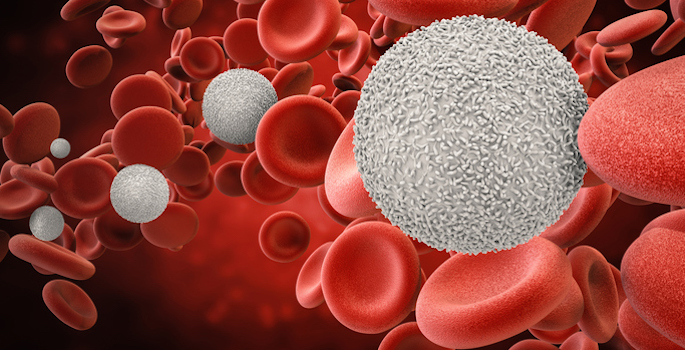
Factor involved in stomach injury response identified
Researchers at Vanderbilt University Medical Center have identified a key factor that coordinates the body’s repair response to severe injury in the stomach caused, most commonly, by infection by the bacterium Helicobacter pylori. Read MoreOct 15, 2020
-
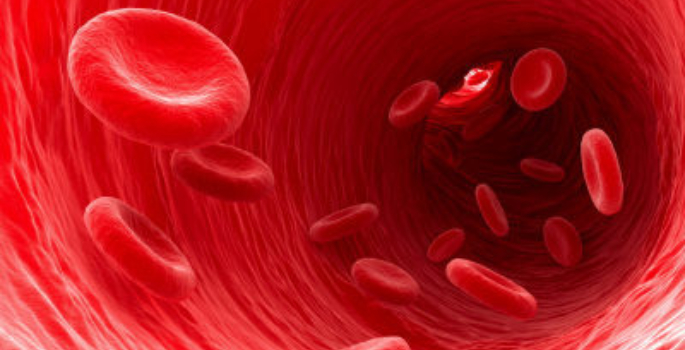
Brain blood vessel response to hypoxia
The brain’s response to low oxygen — growth and remodeling of blood vessels — involves certain cell types and molecular pathways, Vanderbilt researchers have discovered. Read MoreOct 15, 2020
-
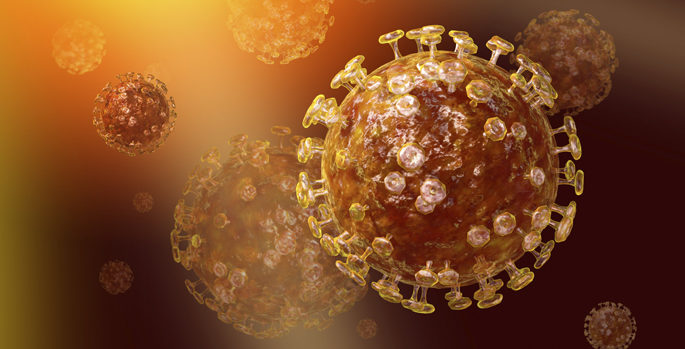
COVID-19 long-acting antibodies discovered by Vanderbilt University Medical Center move to phase 3 clinical trials
AstraZeneca is advancing into phase 3 clinical trials with an investigational COVID-19 therapy of two long-acting antibodies discovered by Vanderbilt University Medical Center and optimized by AstraZeneca. Read MoreOct 13, 2020
-

Computer-based study reveals impact of race on health
A computer-based method developed at Vanderbilt University Medical Center that scans electronic medical records (EMRs) for genetic contributors to disease has been used for the first time to reveal the impact of race on health. Read MoreOct 8, 2020
-
Researchers create molecular ‘atlas’ of GI tract neurons
Researchers at Vanderbilt University Medical Center have generated the first comprehensive molecular “atlas” of genes expressed by the neuronal cells within the intestine that coordinate the functions of the gastrointestinal (GI) tract. Read MoreOct 8, 2020
-

Study shows that repeated statements are more often judged to be true, regardless of a person’s age or prior knowledge
Researchers from Vanderbilt Peabody College of education and human development ask two questions in a recent study related to the illusory-truth effect: Do adults learn during childhood to associate repetition as a cue for truth, and can their prior knowledge protect them from the effect? Read MoreOct 6, 2020
-

IRIS Center supports parents and children learning remotely with new module
A new self-paced learning unit or module available from Vanderbilt Peabody College IRIS Center, “Parents: Supporting Learning During the COVID-19 Pandemic,” offers suggestions and strategies to cover a wide range of circumstances and student needs for grades PreK–12 as parents search for ways to help meet their children’s learning needs at home. Read MoreOct 6, 2020
-

Vanderbilt’s Humphreys receives Brain and Behavior Research Foundation Young Investigator Grant
Kathryn Humphreys, assistant professor of psychology and human development at Vanderbilt Peabody College of education and human development, was awarded a Young Investigator Grant from the Brain and Behavior Research Foundation in an announcement made September 21. Read MoreOct 6, 2020
-

Vanderbilt researchers develop publicly available COVID-19 animal susceptibility prediction tool; suggests increased risk to horses
All-remote collaboration results in free animal susceptibility tool to help prioritize research and closer examination of at-risk species. Read MoreOct 6, 2020
-
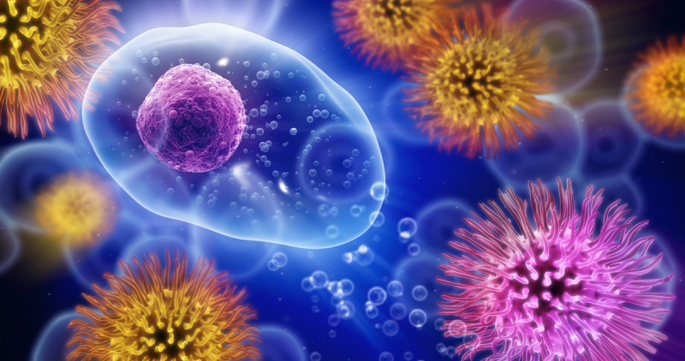
Early steps in reovirus replication
Conformational change in a reovirus surface protein modulate the virus’s attachment to host cells, Vanderbilt researchers have found. Read MoreOct 6, 2020
-
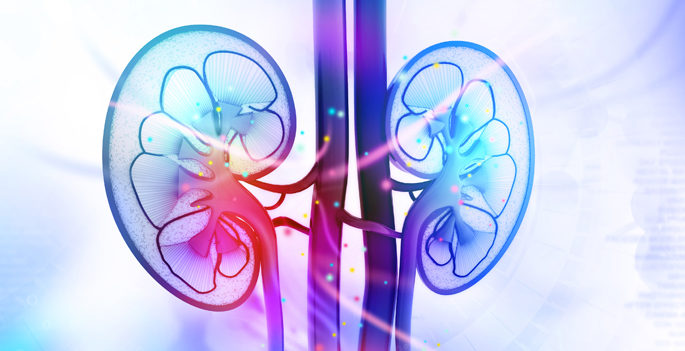
Clue to diabetic kidney disease
Vanderbilt researchers have identified a signaling pathway that promotes kidney fibrosis in patients with diabetes — and that could be targeted with an existing approved medication. Read MoreOct 5, 2020
-

Vanderbilt and Australian researchers collaborate to solve decades-long debate about decision-making
Psychology researchers develop new methodologies and representations of how people react to incoming information to better understand complex decision-making. Read MoreOct 1, 2020
-
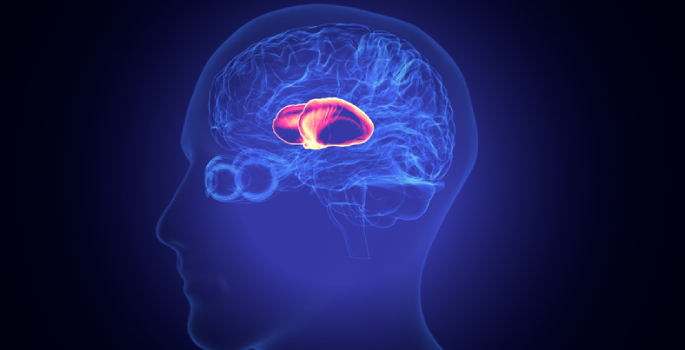
Pinpointing brain changes in psychosis
Specific regions of the thalamus — a central brain region — are smaller in adults with psychotic disorders and youth at risk for psychotic disorders and are associated with cognitive impairment. Read MoreOct 1, 2020
-
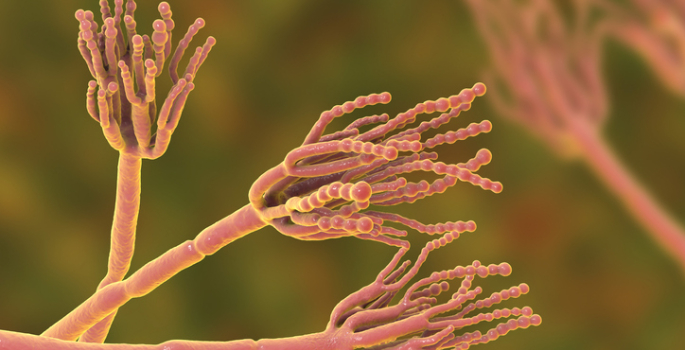
Genes spell penicillin allergy risk
Studies using large DNA biobanks revealed genetic variants associated with penicillin allergy, the most common type of drug-induced allergic reaction. Read MoreOct 1, 2020
-
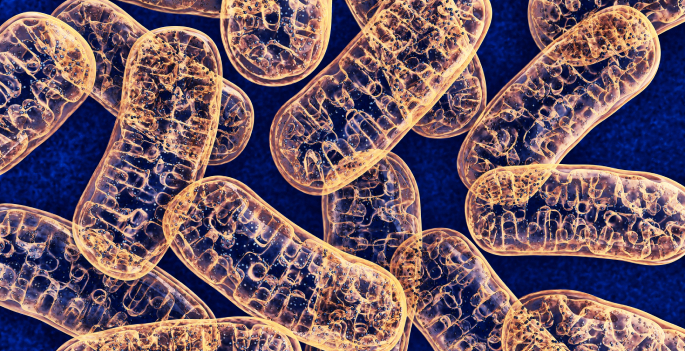
Vanderbilt biologists test evolutionary theories with novel empirical study of ‘cheater’ mitochondria
Studying “cheater” and “cooperative” mitochondria under environmental pressure delivers solid evolutionary conclusions in a longstanding theoretical field. Read MoreSep 25, 2020
-

Cohen Fund bolsters Siciliano’s memory research
Cody Siciliano, PhD, assistant professor of Pharmacology in the Vanderbilt University School of Medicine, has been selected to receive a one-year, $100,000 research award from the Stanley Cohen Innovation Fund to support his studies of the neural substrates of memory. Read MoreSep 24, 2020