Releases
-

For more precise drug treatments, ‘squeeze’ the genome: study finds
Large-scale studies will be required to identify the complexity of genetic variations that affect how patients respond to a given drug and whether they will have side effects, according to researchers at Vanderbilt University Medical Center. Read MoreJul 22, 2021
-

Influenza network sizes up COVID
Hospital data from a CDC network that monitors influenza revealed that adults hospitalized for COVID-19 in the early months of the pandemic were 20x more likely to die compared to hospitalized influenza patients. Read MoreJul 22, 2021
-

Establishing HIV care in Tennessee
Vanderbilt researchers find that heterosexually active Black males are the least likely to establish HIV care within one month of diagnosis and suggest that targeted interventions focus on this population. Read MoreJul 13, 2021
-
Probing statin-associated diseases with genetics
Vanderbilt researchers used genetics tools and biobanks with linked electronic health records to explore the associations between statins and noncardiovascular diseases. Read MoreJul 12, 2021
-
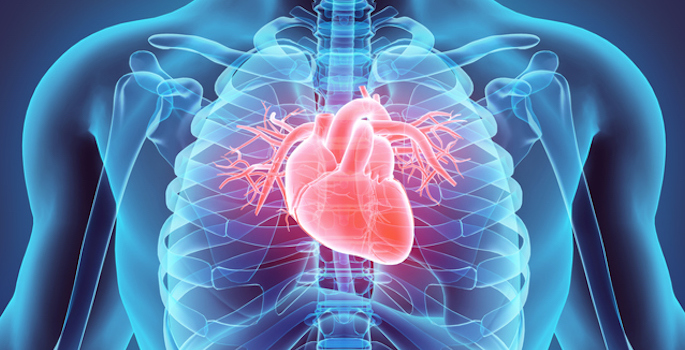
Nature’s “recycler” could reduce heart disease risk: study
Researchers at Vanderbilt University Medical Center have identified potential new targets for the prevention of atherosclerosis through the enhancement of autophagy, a natural process for recycling damaged cellular material. Read MoreJul 8, 2021
-
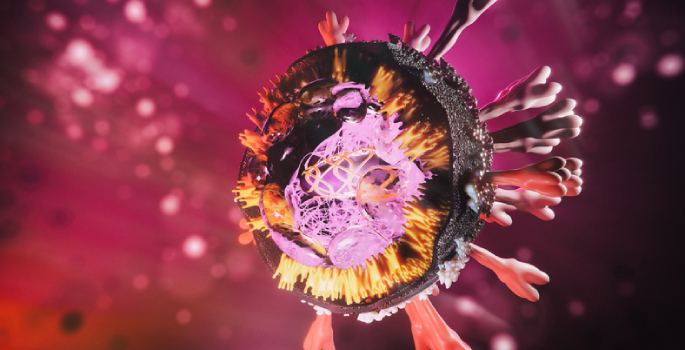
Study finds genetic risk factors for severe COVID-19 illness
A massive worldwide collaboration including researchers from Vanderbilt University Medical Center (VUMC) has identified several genetic factors associated with SARS-CoV-2 infection and severe COVID-19 illness. Read MoreJul 8, 2021
-
Delirium and mortality reexamined
A multicenter study of ICU patients found that in the hospital, delirium was associated with a nearly three-fold increase in risk of death the following day, but after discharge there was no association between delirium and mortality. Read MoreJul 8, 2021
-

Genetics of hydrocephalus
Fluid build-up in the brain — hydrocephalus — increases pressure and risk for brain damage; Vanderbilt researchers have now identified genes and signaling pathways associated with the condition. Read MoreJul 8, 2021
-
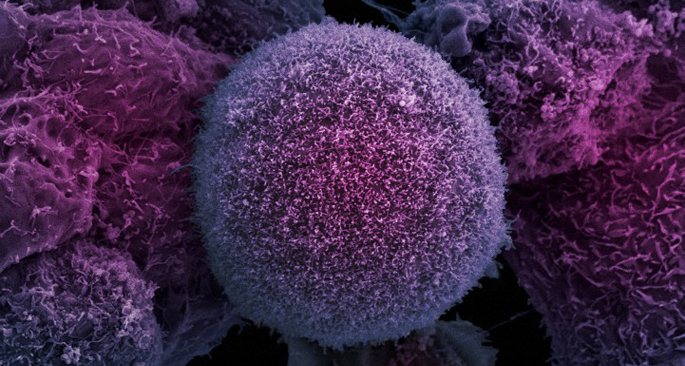
Treating metastatic prostate cancer
An indirect comparative effectiveness study using published data suggests that the targeted therapy olaparib should be re-evaluated for treating metastatic prostate cancer. Read MoreJun 22, 2021
-
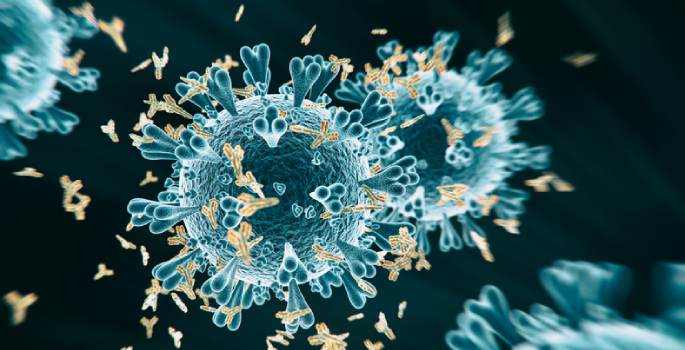
Combination antibody therapies should retain effectiveness against emerging COVID-19 variants: study
Five monoclonal antibody “cocktails,” including one developed at Vanderbilt University Medical Center (VUMC), are protective in animal studies against several variant strains of COVID-19, according to a report this week in the journal Nature. Read MoreJun 22, 2021
-

Dexmedetomidine and delirium
The sedative dexmedetomidine, when administered during or after heart surgery, is associated with postoperative delirium and adverse outcomes. Read MoreJun 21, 2021
-
COVID-19 complication underdiagnosed
A mysterious inflammatory syndrome linked to COVID-19 infection and first identified in children also occurs in adults, Vanderbilt researchers report. Read MoreJun 17, 2021
-

Vanderbilt researcher finds that Supreme Court ban on race-conscious college admissions would restrict the pipeline of future leaders
Affirmative action admissions policies admit diverse students, who are then recruited to elite professions and C-suite leadership, according to new research by law and economics professor Joni Hersch. Read MoreJun 10, 2021
-
Heat for hypertension in autonomic failure
Heat therapy could offer a novel nonpharmacologic approach for treating the overnight hypertension that affects patients with autonomic failure. Read MoreMay 25, 2021
-
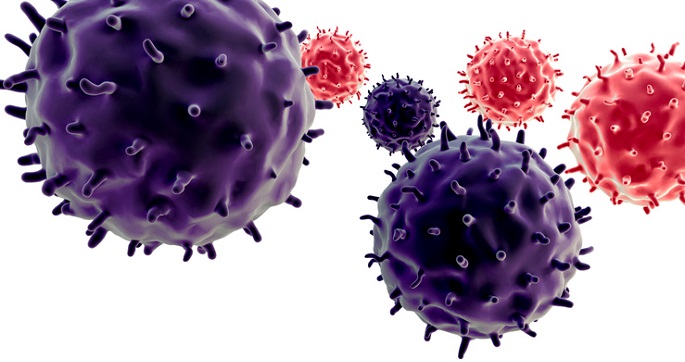
Analysis reveals macrophages associated with kidney cancer recurrence
A white blood cell, the TREM2/APOE/C1Q-positive macrophage, has been identified as a potential biomarker to predict recurrence of the most common type of kidney cancer and as a possible target for drug development. Read MoreMay 24, 2021
-
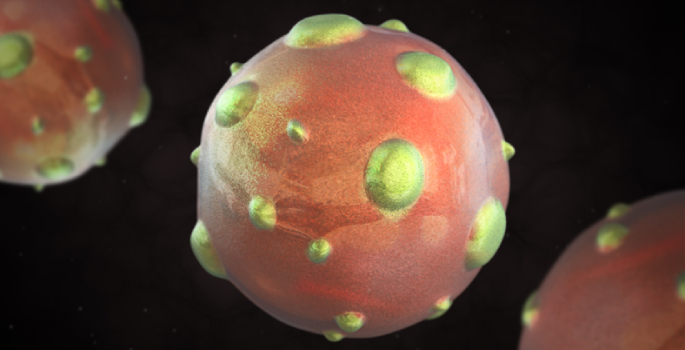
Therapeutic antibodies for hantavirus
Vanderbilt Vaccine Center researchers have isolated monoclonal antibodies against hantaviruses, an emerging source of human disease with pandemic potential. Read MoreMay 24, 2021
-
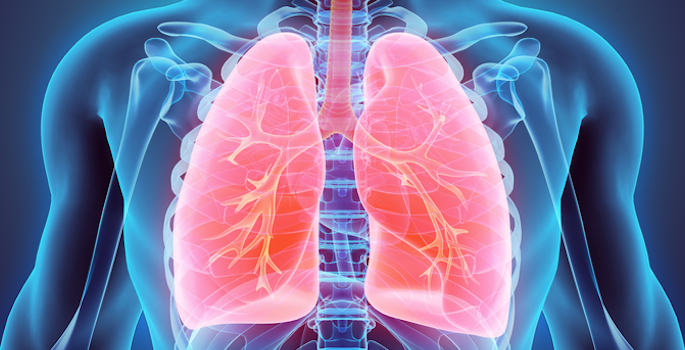
New clue to lung scarring
Vanderbilt neonatology team pinpoints signaling pathways involved in the progressive lung fibrosis that occurs in rare genetic diseases. Read MoreMay 20, 2021
-
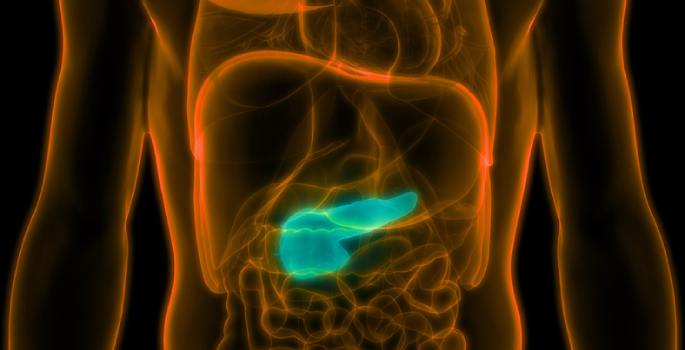
Beta cell regeneration
Vanderbilt researchers dissected the complex microenvironment of the pancreatic islet to discover the signals that drive beta cell regeneration — as a possible treatment for diabetes. Read MoreMay 20, 2021
-

Ask an Expert: Why is it important for women to seek preventative care during the pandemic?
Vanderbilt School of Nursing assistant professor of nursing Melissa Davis discusses why it is important for women to seek preventative care during the pandemic. Read MoreMay 14, 2021
-

People at high genetic risk for colorectal cancer benefit more from lifestyle changes
People with a high polygenic risk score for colorectal cancer could benefit more at preventing the disease by leading healthy lifestyles than those at lower genetic risk, according to a study by Vanderbilt researchers published in the April issue of The American Journal of Clinical Nutrition. Read MoreMay 13, 2021