Bill Snyder
-
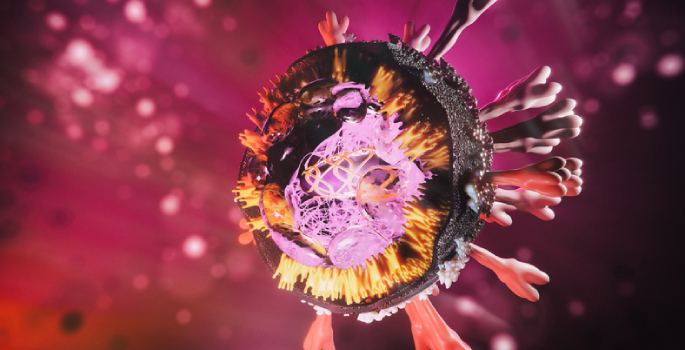
Study’s findings may help eventually close the door on COVID-19
Researchers at Vanderbilt University Medical Center and the University of Texas Medical Branch (UTMB) at Galveston have discovered what may be the Achilles’ heel of the coronavirus, a finding that may help close the door on COVID-19 and possibly head off future pandemics. Read MoreJan 28, 2021
-

A deeper look at out-of-home care
Geographically targeted efforts to prevent children being placed in out-of-home care might be possible, Vanderbilt researchers report. Read MoreDec 15, 2020
-
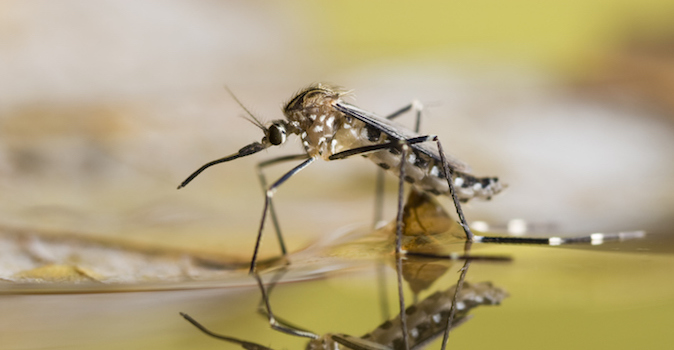
Exploiting viral vulnerabilities
The isolation of human monoclonal antibodies against dangerous viruses including EEEV, Hendra and Nipah could offer new ways to treat and prevent these infections. Read MoreDec 10, 2020
-
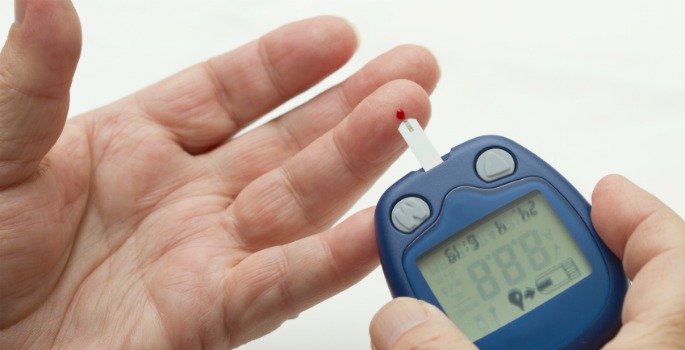
Study sheds light on diabetes and COVID interaction
COVID-19 has been linked to cases of new-onset diabetes, diabetes-related emergencies and a higher death rate among diabetes patients. Read MoreDec 10, 2020
-
Vanderbilt University Medical Center’s Crowe receives 2020 “Golden Goose” Award for COVID-19 research
James Crowe Jr., MD, a physician-scientist at Vanderbilt University Medical Center who has pioneered development of human monoclonal antibodies as potential treatments for viral diseases, has won a 2020 “Golden Goose” Award. Read MoreDec 1, 2020
-
Why does COVID-19 seem to spare children? Vanderbilt University Medical Center study offers an answer
Researchers at Vanderbilt University Medical Center (VUMC) and their colleagues have determined a key factor as to why COVID-19 appears to infect and sicken adults and older people preferentially while seeming to spare younger children. Read MoreNov 18, 2020
-
Imaging “biomarker” for Alzheimer’s disease progression
Changes in connectivity in the brain’s white matter may be a novel neuroimaging biomarker for assessing Alzheimer’s disease progression. Read MoreNov 16, 2020
-
Hydroxychloroquine does not help patients hospitalized with COVID-19: Study
Findings from a national study published Nov. 9 in the Journal of the American Medical Association (JAMA) “do not support” the use of hydroxychloroquine for the treatment of adult patients hospitalized with COVID-19, the report concludes. Read MoreNov 9, 2020
-

New treatment for a rare obesity
Diabetes drugs known as GLP-1 receptor agonists, such as exenatide (Byetta), are a promising and safe treatment for a rare form of obesity. Read MoreNov 3, 2020
-

Former Vanderbilt Prize winner Amon mourned
Angelika Amon, PhD, a pioneering cell and molecular biologist and winner of the 2018 Vanderbilt Prize in Biomedical Science, died Oct. 29 from cancer. She was 53. Read MoreOct 30, 2020
-

Possible COVID-19 “decoy”
It might be possible to use vesicles carrying the receptor for SARS-CoV-2, the virus that causes COVID-19, to bind the virus and prevent infection. Read MoreOct 15, 2020
-
Factor involved in stomach injury response identified
Researchers at Vanderbilt University Medical Center have identified a key factor that coordinates the body’s repair response to severe injury in the stomach caused, most commonly, by infection by the bacterium Helicobacter pylori. Read MoreOct 15, 2020
-
COVID-19 long-acting antibodies discovered by Vanderbilt University Medical Center move to phase 3 clinical trials
AstraZeneca is advancing into phase 3 clinical trials with an investigational COVID-19 therapy of two long-acting antibodies discovered by Vanderbilt University Medical Center and optimized by AstraZeneca. Read MoreOct 13, 2020
-

Computer-based study reveals impact of race on health
A computer-based method developed at Vanderbilt University Medical Center that scans electronic medical records (EMRs) for genetic contributors to disease has been used for the first time to reveal the impact of race on health. Read MoreOct 8, 2020
-
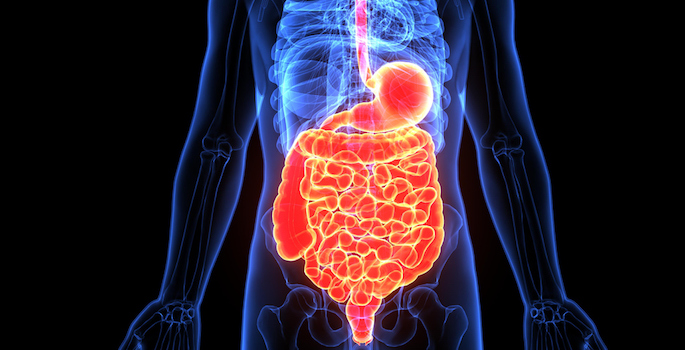
Researchers create molecular ‘atlas’ of GI tract neurons
Researchers at Vanderbilt University Medical Center have generated the first comprehensive molecular “atlas” of genes expressed by the neuronal cells within the intestine that coordinate the functions of the gastrointestinal (GI) tract. Read MoreOct 8, 2020
-
Cohen Fund bolsters Siciliano’s memory research
Cody Siciliano, PhD, assistant professor of Pharmacology in the Vanderbilt University School of Medicine, has been selected to receive a one-year, $100,000 research award from the Stanley Cohen Innovation Fund to support his studies of the neural substrates of memory. Read MoreSep 24, 2020
-
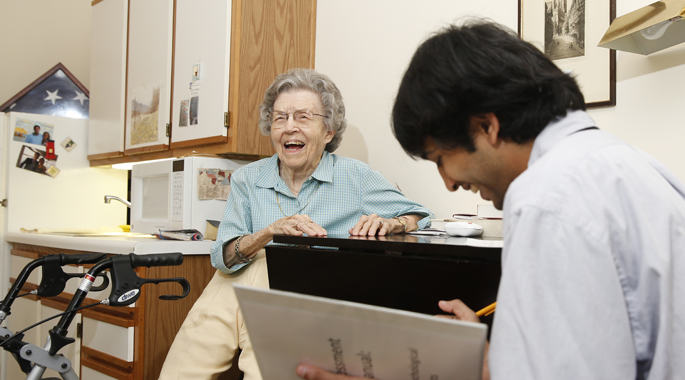
New clue to Alzheimer’s disease
Combining studies of genetically diverse mouse populations and human data led to the identification of a gene associated with cognitive decline and brain changes in Alzheimer’s disease. Read MoreSep 3, 2020
-

Study to track if COVID can spread during minimally invasive surgery
Physician-scientists at Vanderbilt University Medical Center are investigating whether SARS-CoV-2, the virus that causes COVID-19, can be spread through aerosolized emissions (microscopic droplets and particles) during minimally invasive surgery in children. Read MoreAug 27, 2020
-
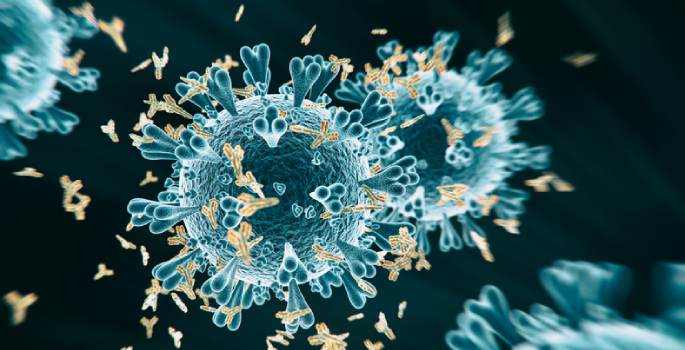
VUMC awarded $34 million to lead nationwide convalescent plasma study
Vanderbilt University Medical Center has been awarded a one-year, $34-million grant by the National Center for Advancing Translational Sciences, part of the National Institutes of Health, to conduct a nationwide study of “convalescent plasma” as a treatment for COVID-19. Read MoreAug 21, 2020
-
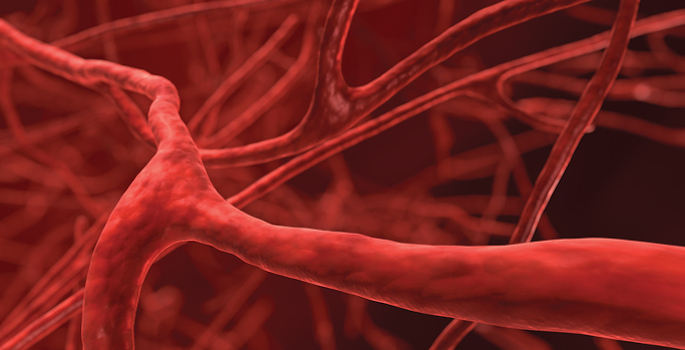
A “torque” for tumor blood vessels
Vanderbilt scientists have discovered a new target for normalizing tumor blood vessels to improve cancer immunotherapies. Read MoreAug 20, 2020