Bill Snyder
-
Scientists resurrect a ‘dead’ antibody to study protein
Vanderbilt was part of a multi-center team that resurrected a “dead antibody” to reveal the mysteries of cytochrome c, a versatile protein that is an essential part of the cell’s energy-generating capacity, and of life itself. Read MoreMar 16, 2023
-
Study finds RSV may evade vaccines via rapid mutation
A Vanderbilt study concluded that RSV’s ability to mutate rapidly to escape detection by the body’s immune system makes it more challenging to design and develop vaccines that can stop it from spreading. Read MoreMar 9, 2023
-

Study finds chronically disrupted sleep may increase risk for heart disease
Vanderbilt research found that sleep irregularity — chronically disrupted sleep and highly variable sleep durations night after night — may increase the risk for atherosclerosis. Read MoreFeb 15, 2023
-
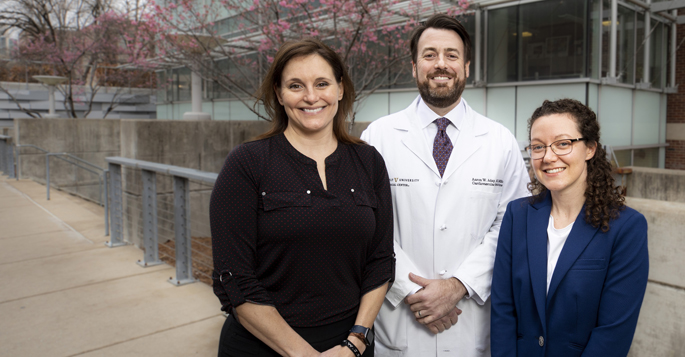
Team’s imaging strategy enhances lipedema treatment
A collaborative team at Vanderbilt is transforming the diagnosis and treatment of lipedema, a debilitating, abnormal deposition of fatty tissue that afflicts an estimated 17 million women in the United States. Read MoreFeb 9, 2023
-
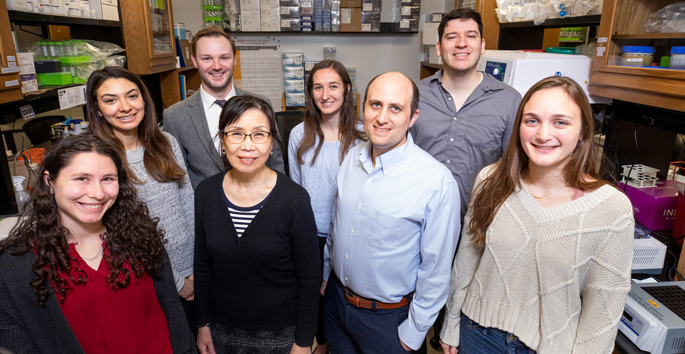
Researchers clarify role of blood cell mutations in disease
Vanderbilt researchers have developed a new method to analyze mutations in blood stem cells that can trigger explosive, clonal expansions of abnormal cells. Read MoreFeb 2, 2023
-

Study reveals new genetic disorder that causes susceptibility to opportunistic infections
An international consortium co-led by Vanderbilt's Rubén Martínez-Barricarte has discovered a new genetic disorder that causes immunodeficiency and profound susceptibility to opportunistic infections including a life-threatening fungal pneumonia. Read MoreJan 20, 2023
-
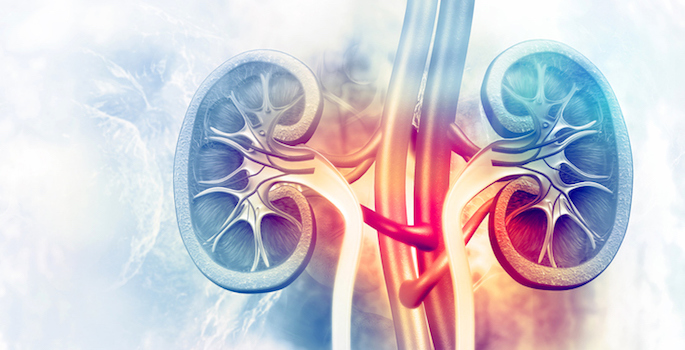
Reduced kidney function may cause cardiovascular disease: study
An international team of investigators has found that mild to moderate reduction in kidney function may cause cardiovascular disease, even in people without symptoms of heart disease or diabetes. Read MoreDec 15, 2022
-
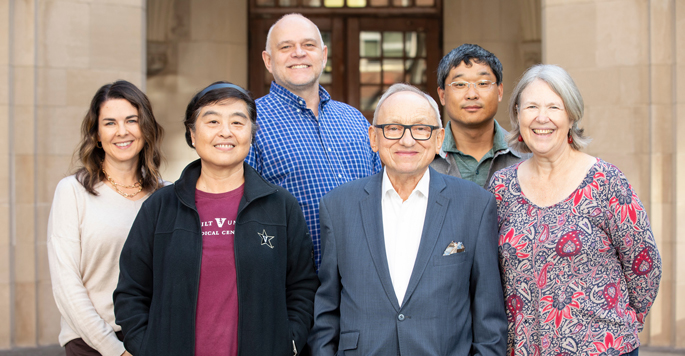
Hawiger still blazing a trail in inflammation research
Vanderbilt research describes a new investigational peptide drug that can penetrate immune and nonimmune cells, and block inflammatory signaling in a preclinical model of atopic dermatitis — eczema. Read MoreNov 10, 2022
-
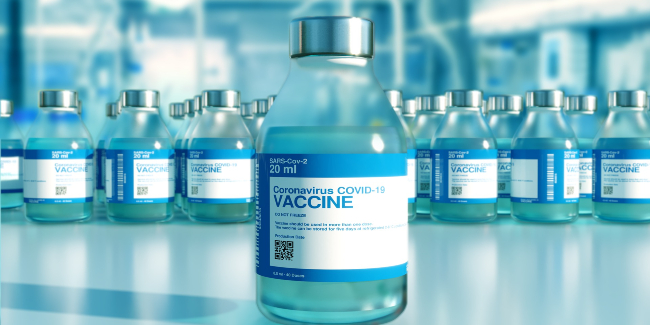
Study finds Moderna’s COVID-19 vaccine safe and effective for young children
A Vanderbilt study finds that Moderna’s COVID-19 vaccine is safe and effective in children 6 months to 5 years of age. Read MoreNov 4, 2022
-
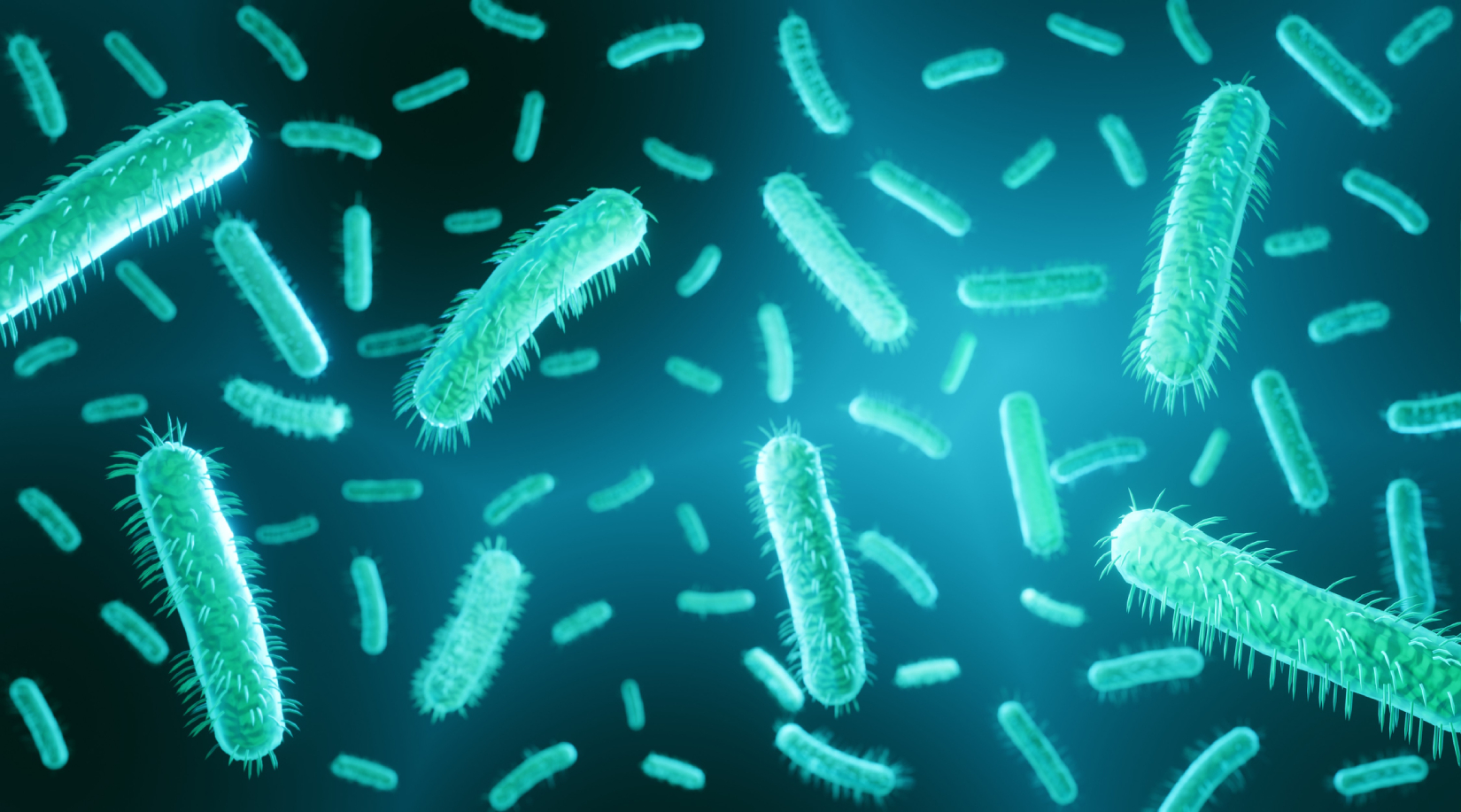
Study describes how E. coli co-opts cells, causes recurrent UTIs
Researchers at Vanderbilt University Medical Center have discovered why the uropathogenic bacterium E. coli, the leading cause of urinary tract infections, is so tenacious; their findings could lead to new ways to prevent recurrent UTIs. Read MoreAug 25, 2022
-
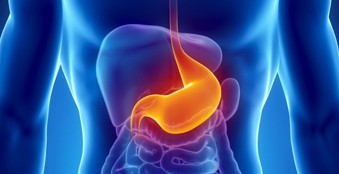
Molecular ‘switch’ may illuminate stomach disorders
An international team that included researchers from Vanderbilt University Medical Center has discovered a molecular switch that induces rapid proliferation of zymogen granule-secreting chief cells in the stomach to regenerate damaged tissue. Read MoreMay 19, 2022
-
Study sheds light on the dark side of obesity
Vanderbilt research that promotes the anti-inflammatory pathway in macrophages could also reduce some of the bad side effects of obesity. Read MoreMay 12, 2022
-
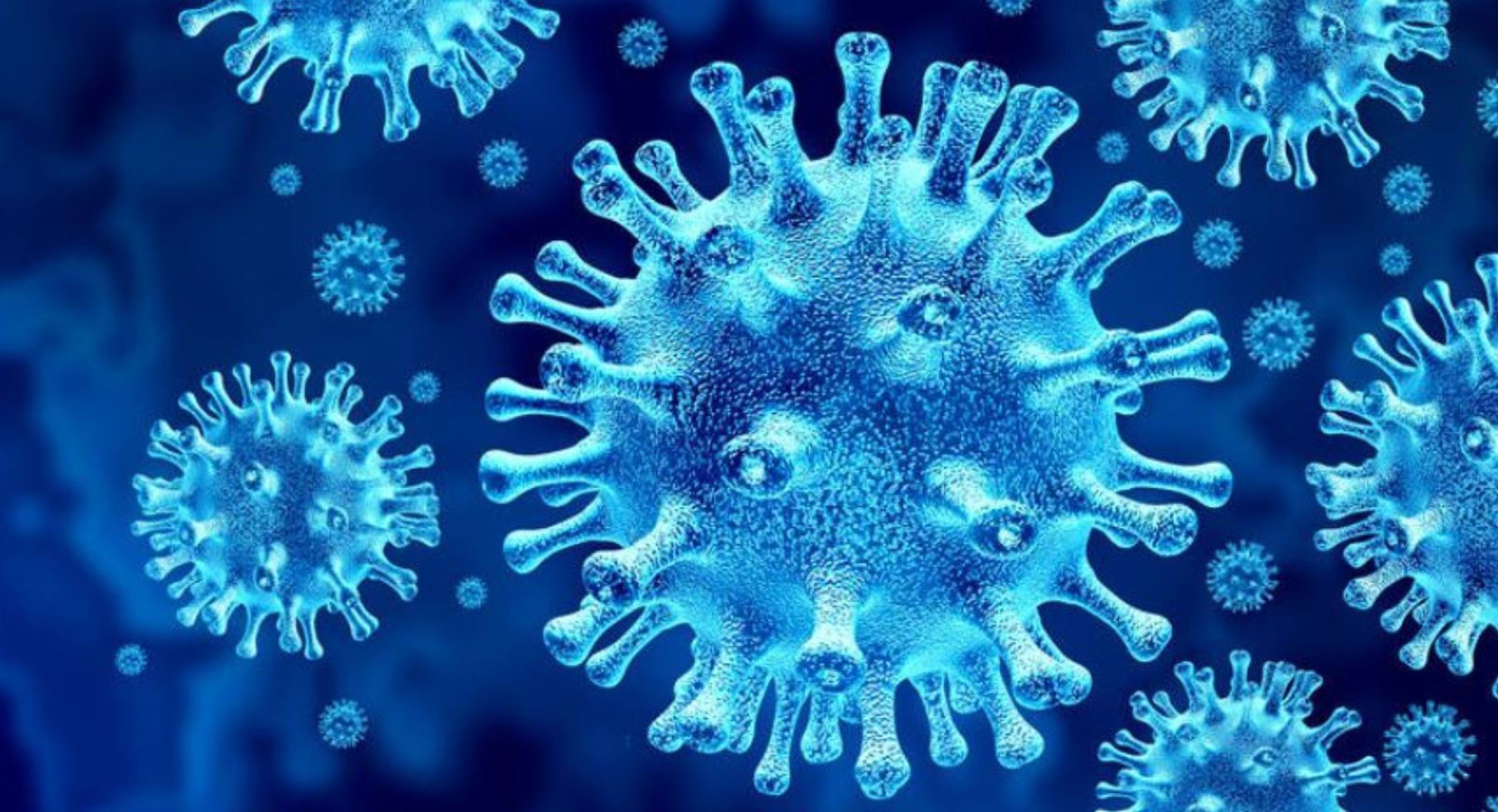
Resistance to COVID-19 drug detected in lab study
Vanderbilt research shows that the virus that causes COVID-19 can develop partial resistance to the antiviral drug remdesivir during infection of cultured cells in the laboratory by more than one mechanism. Read MoreMay 10, 2022
-
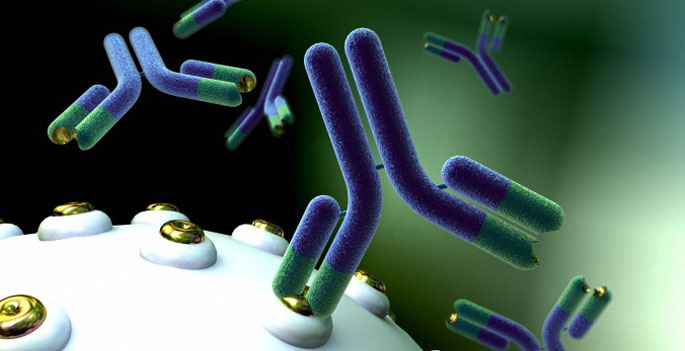
Crowe receives national award for COVID antibody research
Vanderbilt's James Crowe Jr., MD, and Michel Nussenzweig, MD, PhD, of The Rockefeller University, have been jointly awarded the 2022 Harrington Prize for Innovation in Medicine for “groundbreaking work” that enabled the use of human antibodies to treat COVID-19. Read MoreMar 31, 2022
-
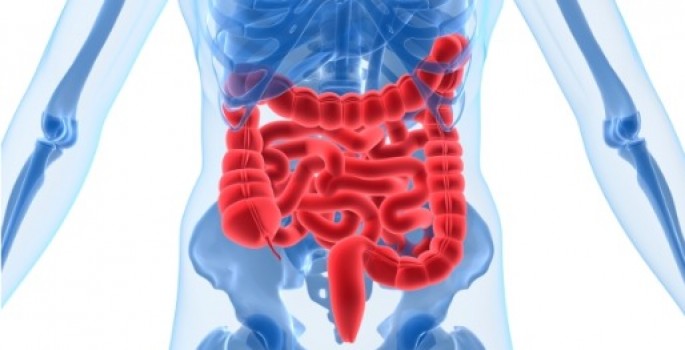
Diverticulitis surgery: guidelines needed
Surgical removal of the colon for recurrent diverticulosis varies by geographic region and is associated with surgeon and hospital factors; stronger national guidelines are needed, Vanderbilt researchers report. Read MoreFeb 10, 2022
-
VUMC study raises hope for improving treatment of kidney disease
Vanderbilt research has revealed an important mechanism in the kidney by which a cell surface receptor known as DDR1 fans the flames of inflammation and fibrosis that ultimately lead to kidney failure. Read MoreFeb 2, 2022
-
Accelerating podocyte production
A new method developed by Vanderbilt researchers to generate kidney cells from stem cells offers a faster and less expensive way to make these valuable tools for studying kidney diseases. Read MoreFeb 1, 2022
-

Ensuring the “best possible” medication history
About 80% of hospital admission electronic records were missing a drug prescribed to an older adult, Vanderbilt researchers found, highlighting the need for a multipronged approach to address medication discrepancies and support safe prescribing practices. Read MoreJan 18, 2022
-
The role of integrins in kidney “integrity”
Receptors called integrins play a critical role in maintaining the structure of the kidney, Vanderbilt researchers have discovered. Read MoreJan 13, 2022
-
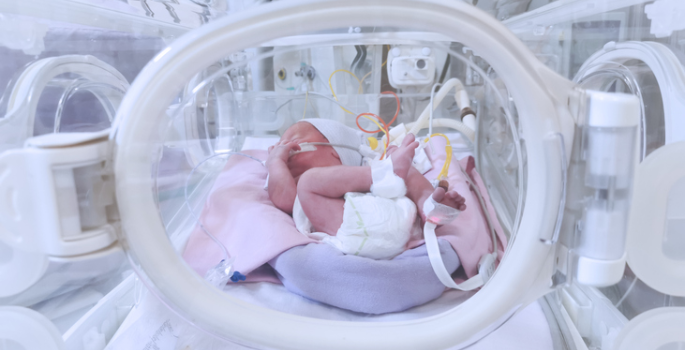
“Atlas” of lung development may aid efforts to heal premature lungs
Researchers at Vanderbilt University Medical Center have constructed a single-cell “atlas” of lung development that tracks multiple cell types over time. Read MoreDec 20, 2021