Vanderbilt Research Trending
-

Vanderbilt-led study shows high-salt diet decreases thirst, increases hunger
Salted peanuts make you thirsty so you drink more: that’s bartender wisdom. While that may be true in the short-term, within 24 hours increasing salt consumption actually makes you less thirsty because your body starts to conserve and produce water. Read MoreApr 18, 2017
-
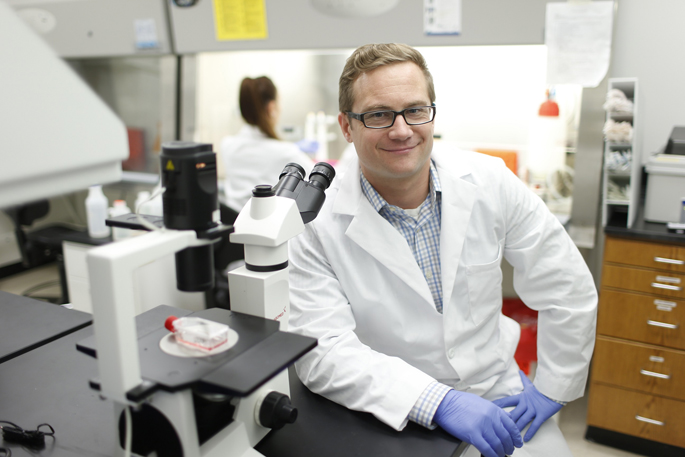
Vanderbilt investigator lands Stand Up To Cancer grant for “smart” nanoparticles cancer research
John Wilson, Ph.D., assistant professor of Chemical and Biomolecular Engineering and of Biomedical Engineering at Vanderbilt University, has received an Innovative Research Grant from Stand Up To Cancer (SU2C). Wilson is among 10 early-career scientists to receive the grant awards focused on immuno-oncology. Read MoreApr 3, 2017
-

Study takes 3-D perspective on colorectal cancer
Despite dramatic recent advances in treatment, colorectal cancer killed more than 49,000 Americans last year, according to the National Cancer Institute, making it the second most lethal malignancy after cancers of the lung and bronchus. Read MoreMar 23, 2017
-

‘Flying saucer’ quantum dots hold secret to better, brighter lasers
Vanderbilt University chemists collaborated in research that ‘squashes’ the shape of nanoparticles to create inexpensive lasers that continuously emit light in a customizable rainbow of colors. Read MoreMar 20, 2017
-
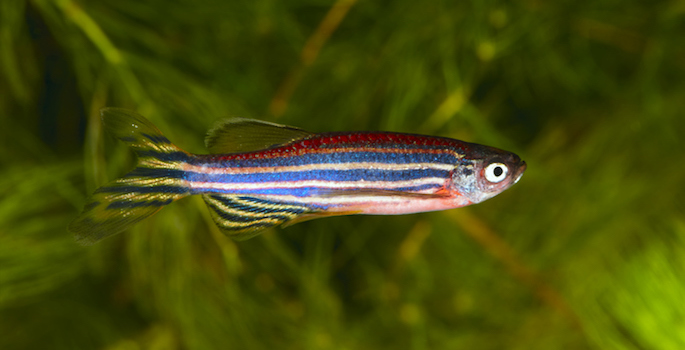
Fish eyes may hold key to regenerating human retinas
Research into retinal regeneration in zebrafish has identified a signal that appears to trigger the self-repair process, raising the possibility of inducing retinal repair in human eyes. Read MoreMar 9, 2017
-

Antidote for smoke inhalation injury
Routine use of hydroxocobalamin should be considered for victims of smoke inhalation, Vanderbilt researchers suggest. Read MoreMar 7, 2017
-
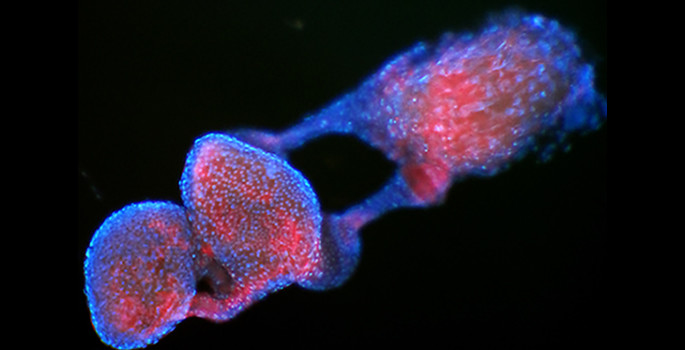
New tool for combating mosquito-borne disease: insect parasite genes
Genes used by the insect parasite Wolbachia to control its hosts' reproduction can be used to help control the spread of mosquito-borne diseases like dengue, Zika and malaria. Read MoreFeb 27, 2017
-
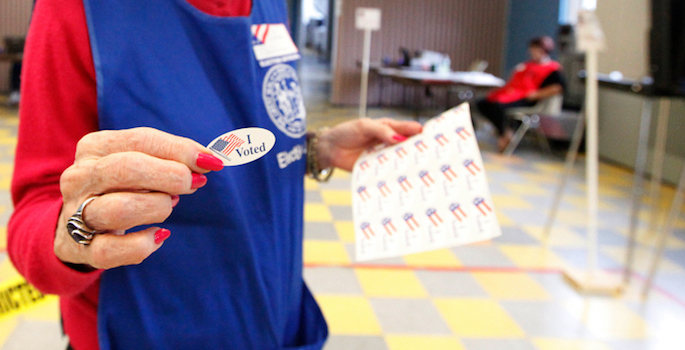
Using game theory to predict cyberattacks on elections and voting machines
New algorithm can help identify vulnerable polling stations and spot tampering after the fact. Read MoreFeb 27, 2017
-

Alien particles from outer space are wreaking low-grade havoc on personal electronic devices
Alien subatomic particles raining down from outer space are wreaking low-grade havoc on your smartphones, computers and other personal electronic devices. Read MoreFeb 17, 2017
-

Tie free trade agreements to economic equality: Vanderbilt researcher
Citizens would be more supportive of free trade deals if provisions were made in the agreements to combat income inequality, says Vanderbilt law professor Timothy Meyer. Read MoreFeb 15, 2017
-

Teacher turnover rates critical in TN turnaround efforts
Both ASD and IZone schools are recruiting effective teachers, but the iZone schools are doing a better job of retaining them. Read MoreFeb 14, 2017
-
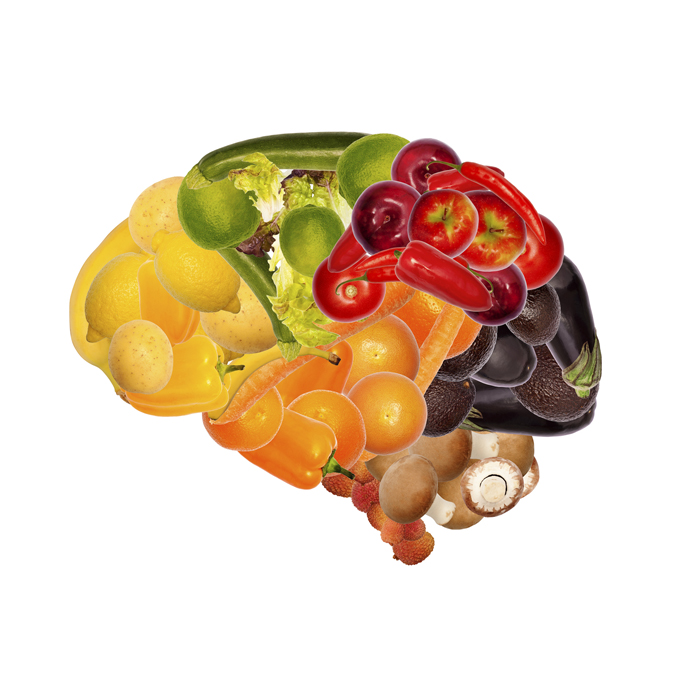
Dementia linked to diet
Some memory deficits observed in Alzheimer’s disease may be due to co-morbid illnesses – not the disease itself – and may be reversed by lifestyle changes or pharmacologic interventions. Read MoreFeb 7, 2017
-

Amount of daylight may impact serotonin programming
The duration of exposure to daylight, or the “photoperiod,” may affect development of seasonal affective disorder by programming serotonin neurons in the brain, according to Vanderbilt University researchers. Read MoreJan 19, 2017
-

Access to health care strengthens communities: Vanderbilt study
A new study shows that access to health insurance can help hold a community together socially, and lack of it can contribute to the fraying of neighborhood cohesion. The study, Beyond Health Effects? Examining the Social Consequences of Community Levels of Uninsurance Pre-ACA, published by the… Read MoreJan 16, 2017
-
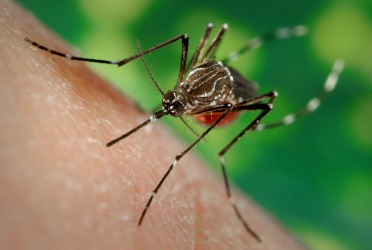
Listen: Researcher attacking Zika virus by focusing on mosquitoes’ taste buds
Larry Zwiebel, Cornelius Vanderbilt Professor of Molecular Biology and professor of pharmacology, is trying a new approach to stop mosquito attacks — by revving up a mosquito’s taste buds. Barb Cramer has the story. Read MoreJan 11, 2017
-

Measuring elements of life in Milky Way
Astronomers participating in the Sloan Digital Sky Survey have announced the results of the first study that shows how the abundance of the "elements of life" varies across the Milky Way galaxy. Read MoreJan 6, 2017
-
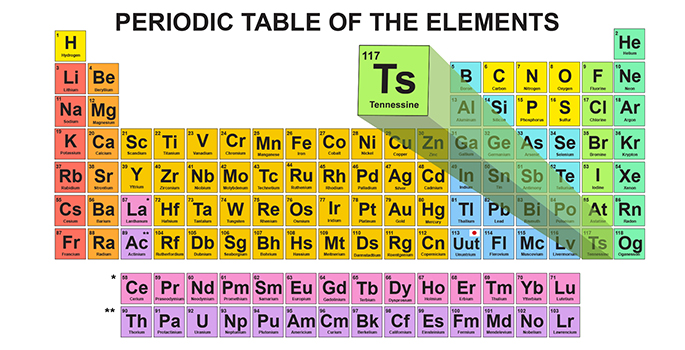
Research that ruled in 2016: Readers’ favorite stories
Artificial kidneys, gay-straight alliances and junkyard batteries captured readers' attention in 2016. Read MoreDec 16, 2016
-

2016 a year of milestones, accomplishments for VUMC
The following is a roundup of the news that made headlines at Vanderbilt University Medical Center in 2016. Read MoreDec 15, 2016
-

Blood-brain barrier on a chip sheds new light on “silent killer”
A new microfluidic device containing human cells that faithfully mimics the behavior of the blood-brain barrier is providing new insights into brain inflammation, the silent killer. Read MoreDec 6, 2016
-

The myth that healthy foods cost more may have a negative impact on consumer choices
The idea that healthy foods are universally more expensive drives consumer choices to a degree that it shouldn’t, according to a new Vanderbilt study. Read MoreDec 1, 2016