Vanderbilt Kennedy Center
-
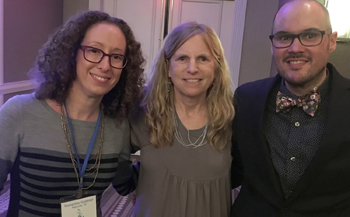
Goldman, Juárez honored for disabilities service, research
The Association of University Centers on Disabilities (AUCD) recognized the contributions of Vanderbilt University’s Pablo Juárez, M.Ed., and Samantha Goldman at its recent 2015 Annual Conference in Washington, D.C. Read MoreDec 10, 2015
-
Taylor named to federal autism advisory committee
Julie Lounds Taylor, Ph.D., has been appointed to the Interagency Autism Coordinating Committee, (IACC) the U.S. Department of Health and Human Services announced recently. Read MoreDec 3, 2015
-
Malow appointed to new Tennessee autism task force
Beth Malow, M.D., M.S., has been appointed to the Tennessee Autism Spectrum Disorder Task Force, a new entity created to study and make recommendations to the Tennessee General Assembly regarding ways to improve access to programs and services for early screening, diagnosis and treatment of autism spectrum disorder (ASD) in Tennessee. Read MoreDec 3, 2015
-
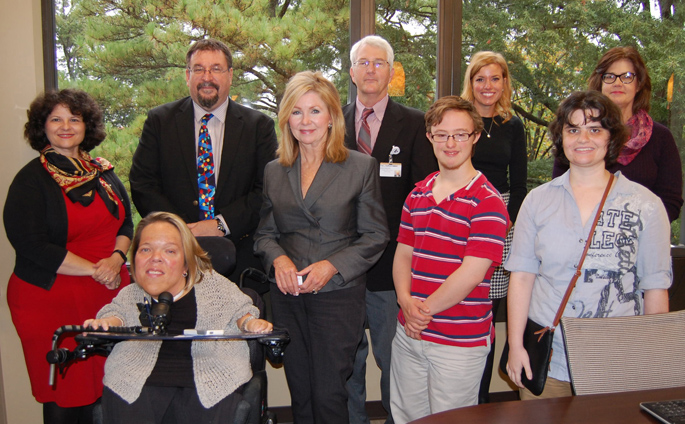
Photo: Kennedy Center celebration
U.S. Rep. Marsha Blackburn, fourth from left, recently met with Vanderbilt Kennedy Center leadership and Next Steps at Vanderbilt students to celebrate VKC’s 50th anniversary. Read MoreOct 15, 2015
-
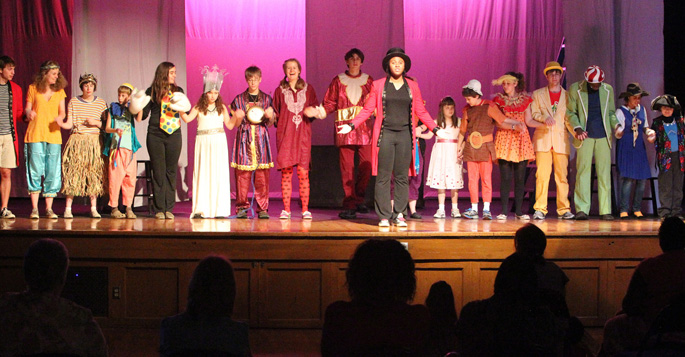
Theatre program benefits children with autism: study
Children with autism who participated in a 10-week, 40-hour, theatre-based program showed significant differences in social ability compared to a group of children with autism who did not participate, according to a Vanderbilt study published in the Journal of Autism and Developmental Disorders. Read MoreSep 30, 2015
-
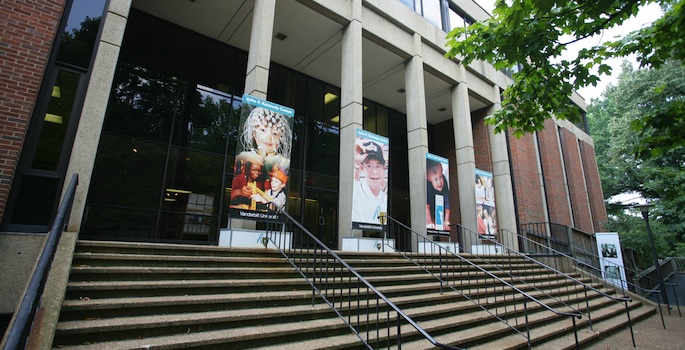
Vanderbilt Kennedy Center to continue as national Developmental Disabilities Research Center
The Vanderbilt Kennedy Center (VKC) has been awarded a $6.5 million, five-year grant to continue as a national Eunice Kennedy Shriver Intellectual and Developmental Disabilities Research Center (IDDRC). Read MoreSep 17, 2015
-
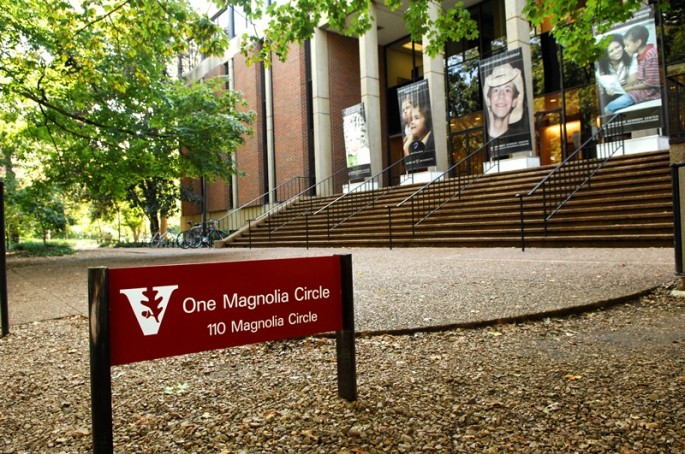
Kennedy Center for Excellence lands five-year renewal grant
The Administration on Intellectual and Developmental Disabilities has awarded a five-year, $2.7 million grant to continue the University Center for Excellence in Developmental Disabilities (UCEDD) at the Vanderbilt Kennedy Center (VKC). Read MoreAug 13, 2015
-
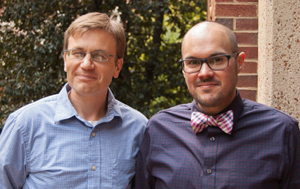
New TRIAD roles allow for expanded autism services
The Vanderbilt Kennedy Center Treatment and Research Institute for Autism Spectrum Disorders (TRIAD) is changing its leadership structure to keep pace with its rapidly expanding portfolio of autism training, services and research. Read MoreAug 13, 2015
-
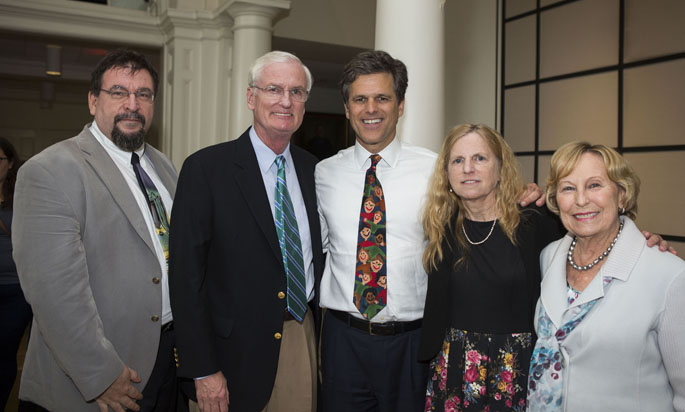
Photo: Anniversary visitor
The Vanderbilt Kennedy Center (VKC) recently welcomed Timothy Shriver, Ph.D., chair and CEO of Special Olympics, as part of the center’s 50th anniversary celebration. Read MoreAug 6, 2015
-

Vanderbilt to host conference of leading music cognition researchers
Hundreds of the world’s leading music cognition researchers are coming to Nashville from Saturday, Aug. 1, to Wednesday, Aug. 5, as Vanderbilt plays host to the biennial meeting of the Society for Music Perception and Cognition. Read MoreJul 30, 2015
-
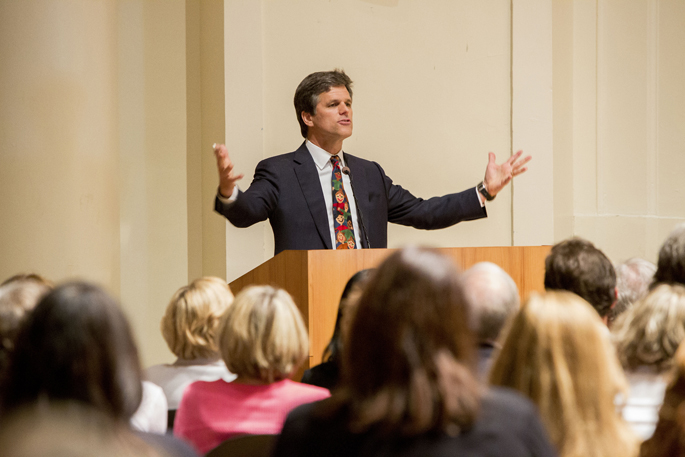
VKC celebrates 50th anniversary with Shriver visit
The Vanderbilt Kennedy Center’s 50th recent Anniversary Community Celebration celebrated the strides made in half a century and concentrated on steps to be taken for the future. Read MoreJun 18, 2015
-

Grant significantly expands Vanderbilt’s autism training for Tennessee educators
The Tennessee Department of Education (TDOE) has awarded a five-year, $10 million training grant to Vanderbilt Kennedy Center’s Treatment and Research Institute for Autism Spectrum Disorders (TRIAD), continuing a 16-year partnership to provide education and training opportunities for school personnel throughout the state. Read MoreJun 17, 2015
-

New player in neuronal communication
Vanderbilt researchers have discovered a novel mechanism for the development of dendritic spines – sites of nerve cell communication. Read MoreMay 1, 2015
-
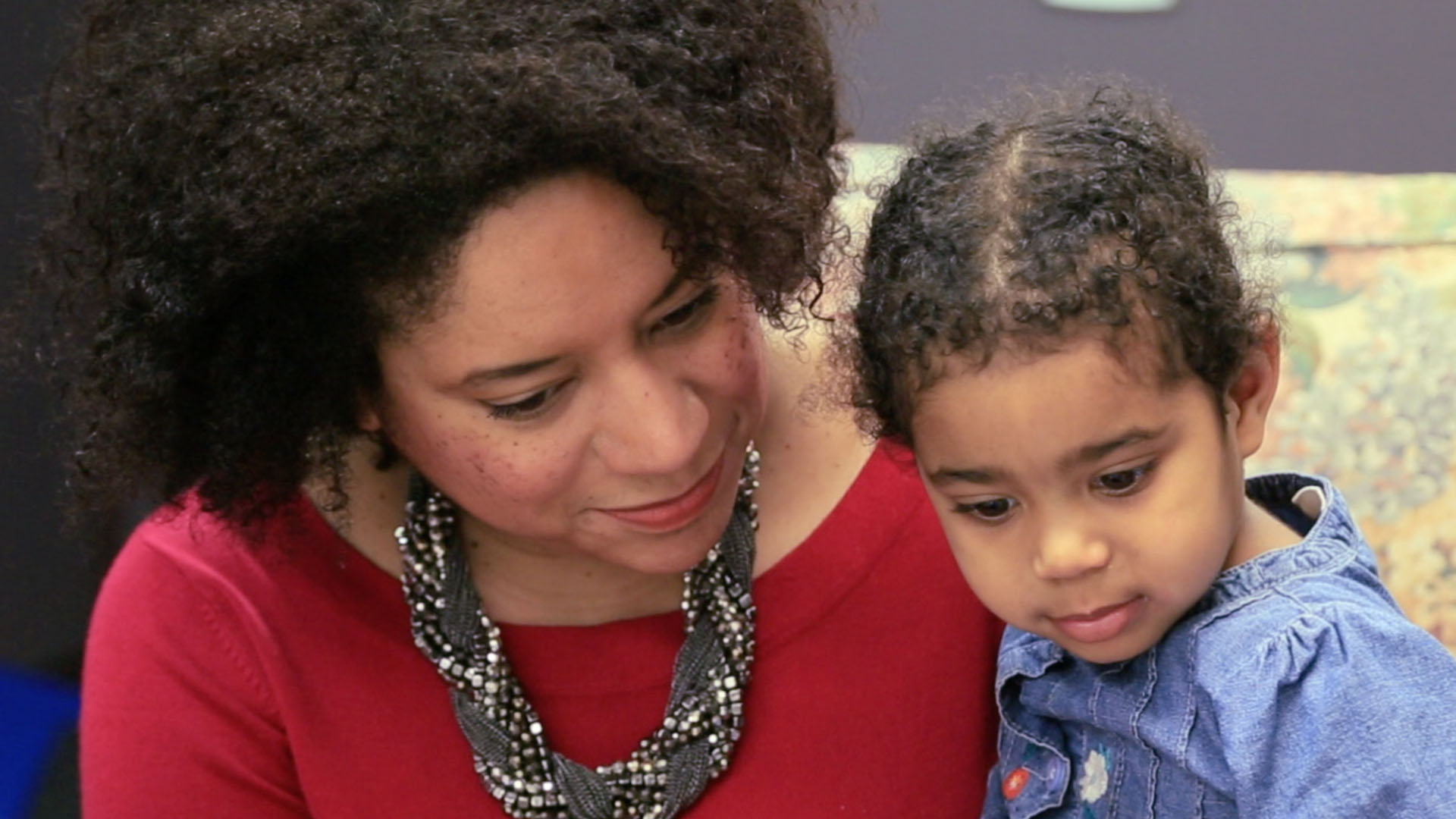
VUCast: Building a Better App
In the latest VUCast: See how a School of Engineering senior is improving children’s educational apps; hear about the “revolution” our Senior Day speaker will share with graduates; and learn how Vanderbilt is investing in Tennessee. Watch now! Read MoreApr 29, 2015
-

Small Particle, Big City
For 20 years the Vanderbilt Kennedy Center, in sponsorship with the Nashville Mayor’s Advisory Committee for People with Disabilities, has put together an annual exhibit of work by artists with a wide range of ages, abilities and disabilities called Creative Expressions. Read MoreMar 23, 2015
-
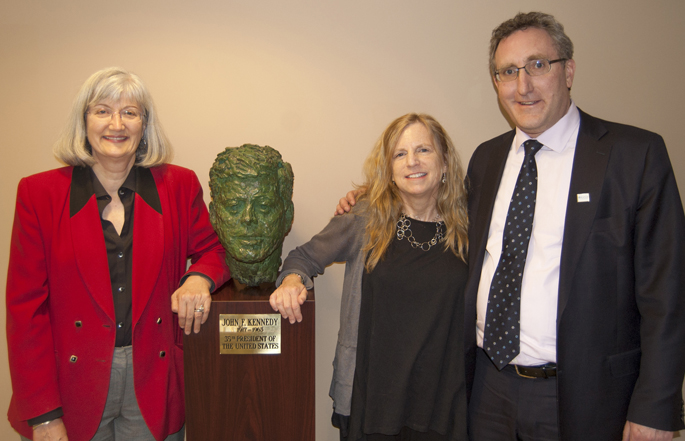
Photo: Anniversary celebration
The Vanderbilt Kennedy Center is celebrating 50 years of transforming the lives of people with disabilities through discovery, service and training. Read MoreMar 12, 2015
-
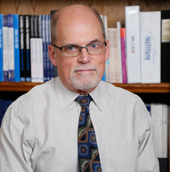
Autism Partnership founder to speak Feb. 23
The Vanderbilt Kennedy Center will welcome Autism Partnership founder and co-director John McEachin, Ph.D., on Monday, Feb. 23, at 4:10 p.m. as he presents a lecture titled “Helping Children with ASD Become More Responsive Learners.” A reception will be held following the lecture. Read MoreFeb 19, 2015
-

Copper toxicity and Parkinson’s
A genetic predisposition to Parkinson’s disease makes neurons more vulnerable to the toxicity of heavy metals such as copper. Read MoreFeb 5, 2015
-
New view of dopamine heteromers
Although heteromeric dopamine receptors composed of both D1 and D2 subunits have been proposed to play a role in depression and schizophrenia, recent studies suggest these heteromers do not exist. Read MoreJan 23, 2015