School Of Medicine
-

Cancer’s SOS
Stephen Fesik and colleagues have uncovered more details about how a crucial component of RAS proteins, which trigger about a third of all tumors, work. This finding will help advance the discovery of new cancer therapies. Read MoreApr 4, 2019
-

Cancer prevention drug also disables H. pylori bacterium
A medicine currently being tested as a chemoprevention agent for multiple types of cancer has more than one trick in its bag when it comes to preventing stomach cancer, Vanderbilt researchers have discovered. Read MoreMar 28, 2019
-
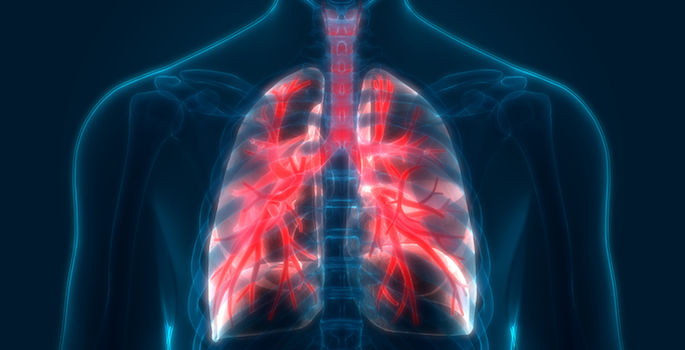
VUMC and TGen receive $6.1 million in grants to study deadly lung disease
VUMC has received significant grants to study pulmonary fibrosis, a progressive and irreversible disease characterized by shortness of breath and a dry cough. Read MoreMar 28, 2019
-

Unraveling endocytosis
Jason McGurn and colleagues have uncovered new insights into the complex and highly coordinated endocytic trafficking mechanism, which is an essential part of many cellular processes including sodium resorption by the kidney and regulation of blood plasma sodium levels. Read MoreMar 28, 2019
-

Treatment resistance of mental disorders studied
A $3.4 million grant from the National Institute of Mental Health will fund Vanderbilt research on treatment resistance in patients with major depressive disorder and schizophrenia. Read MoreMar 28, 2019
-

Perivascular spaces linked to worse cognition
Commonly thought to be harmless, enlargement of fluid-filled in the brain have been linked to cognitive problems in older adults. Read MoreMar 21, 2019
-
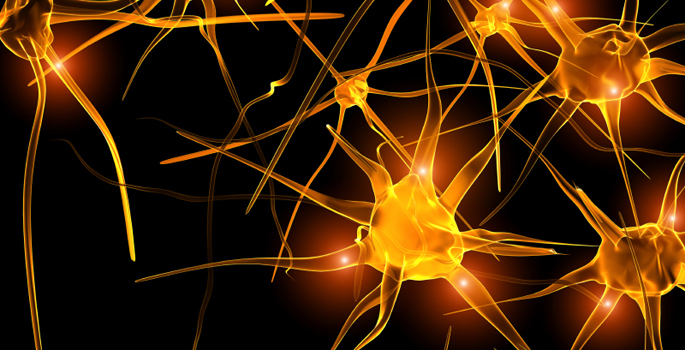
Exploring the brain’s white matter
Though neurological activity is generally associated with the brain's gray matter, Muwei Li and colleagues have now measured it in white matter as well. Read MoreMar 14, 2019
-

Correctly copying DNA
New research into the enzyme topoisomerase II sheds light on how it helps DNA replicate properly. Read MoreMar 14, 2019
-

New way to stimulate learning?
Stimulating the vagus nerve triggers certain epigenetic changes involving learning and memory. Read MoreMar 14, 2019
-
Brain aging occurs at accelerated rate in patients with psychosis
Normal brain aging patterns in patients with a psychotic disorder occur at an accelerated rate, impacting the patient’s cognitive functioning and suggesting treatment intervention in the early psychosis period may improve long-term outcomes. Read MoreMar 7, 2019
-

Vanderbilt scientists report new modeling of brain signaling
Heidi Hamm and colleagues have reported the first animal model of a "shut-off valve" for neurotransmitter and hormone release through SNARE complex-mediated membrane fusion. Read MoreMar 7, 2019
-

Novel DNA repair mechanism preserves genome integrity: study
David Cortez and colleagues have discovered a new DNA repair mechanism. Read MoreFeb 28, 2019
-
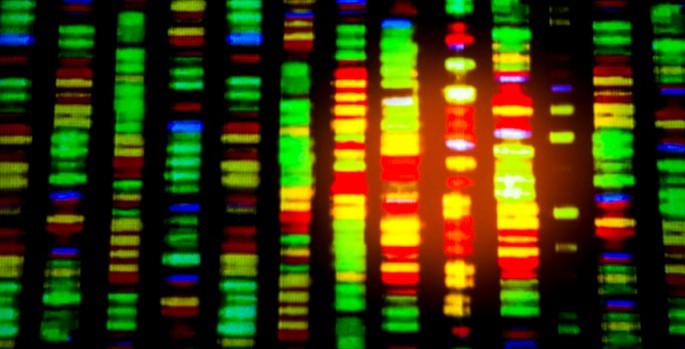
Investigators map genomic landscape of very rare cancer
A team of Vanderbilt researchers mapped out the genomic landscape of a metastatic malignant proliferating tricholemmal tumor and identified a targeted treatment for this very rare cancer. Read MoreFeb 28, 2019
-
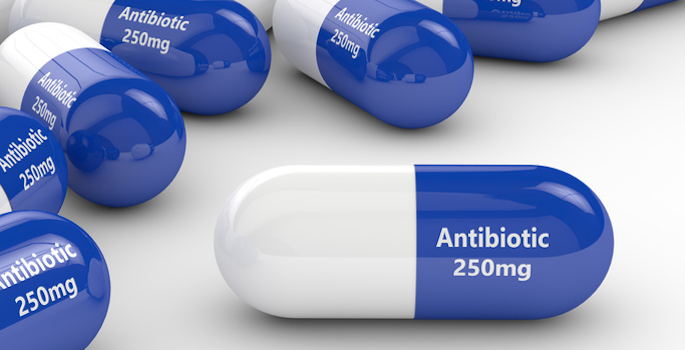
Gene identified that increases risk of antibiotic reaction
Researchers at Vanderbilt University Medical Center and colleagues have identified a gene that increases the risk for a severe and potentially life-threatening reaction to the commonly prescribed antibiotic vancomycin. Read MoreFeb 28, 2019
-

Protein loss promotes cell migration
Loss of the protein STK17A may contribute to metastasis of colorectal cancer. Read MoreFeb 28, 2019
-

Personalized pain management
People with low levels of endocannabinoids, which stimulate the same brain receptors turned on by the active ingredient in marijuana, experience greater pain relief from opioids than those with high levels. Read MoreFeb 28, 2019
-

Skin diseases study uses crowdsourcing to gather data
Identifying and quantifying skin lesions often requires hours of tedious visual inspection by experts, making it difficult to study a lot of them at once. Eric Tkaczyk and Daniel Fabbri have found that training multiple non-experts to do basic evaluations can achieve comparable results. Read MoreFeb 21, 2019
-

VUMC chikungunya antibody set to enter clinical trial
A monoclonal antibody against the chikungunya virus developed by researchers at Vanderbilt University Medical Center is the first monoclonal antibody encoded by messenger RNA to enter a clinical trial. Read MoreFeb 21, 2019
-

Discovery of new “checkpoint” points to new cancer immunotherapy option
An international team involving Vanderbilt researchers has discovered that a new “checkpoint” protein on immune system cells is active in tumors, and that blocking it — in combination with other treatments — is a successful therapeutic approach in mouse models of cancer. Read MoreFeb 21, 2019
-

Research shows frogs can adapt to traffic noise
Frogs don’t like living near noisy highways any better than people do, but research from Vanderbilt suggests that frogs, like hardened city-dwellers, can learn to adapt to the constant din of rumbling trucks, rolling tires and honking horns. Read MoreFeb 21, 2019