School Of Medicine Basic Sciences
-

2026 Cell Imaging Shared Resource Life Is Beautiful Image Contest announces winners
Spencer Rothfuss, Hannah Collins, and James Hayes are the winners of the 2026 Cell Imaging Shared Resource Life Is Beautiful Image Contest. Their striking images showcase the beauty and complexity of biological structures revealed through advanced microscopy. Read MoreOct 1, 2026
-

When dysfunction makes you live longer
Research into an aging paradox reveals details on why certain dysfunctions in mitochondria can lead animals to live longer lives. Read MoreSep 29, 2026
-
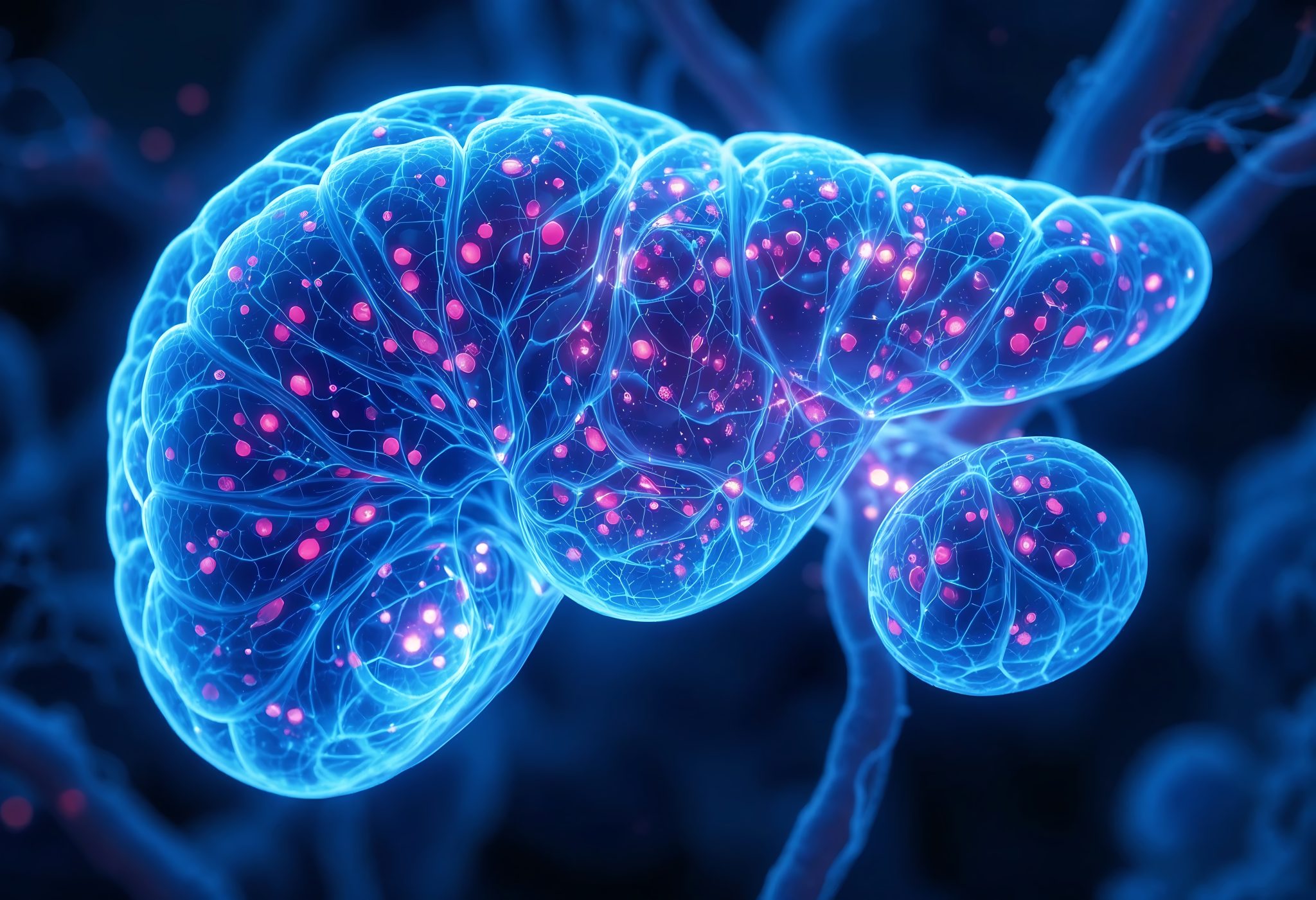
How breakfast primes the response to the hormones that manage your blood sugar
You’ve probably heard that breakfast is the most important meal of the day. Vanderbilt researchers have discovered why that adage holds weight—especially for the one in nine adults worldwide living with diabetes. Read MoreAug 31, 2026
-

Unlocking the past: New method helps gain insights into old tissues
A new method pioneered by the lab of Professor of Cell and Developmental Biology Ken Lau is poised to make previously inaccessible medical knowledge that has been locked away in old patient samples newly accessible to scientists. Read MoreAug 14, 2026
-

BRET’s Annual Career Symposium showcases the many paths of biomedical science careers
For graduate students and postdoctoral fellows contemplating their next career steps, the possibilities can seem both exciting and overwhelming. The Vanderbilt University Office of Biomedical Research Education and Training’s 2026 Annual Career Symposium offered a roadmap to those possibilities, bringing together alums and professionals from across the biomedical enterprise to demonstrate the breadth of careers available to scientists beyond the traditional academic pathway. Read MoreJul 1, 2026
-

Alzheimer’s and Brain Awareness Month: Advancing neuroscience research at the Vanderbilt School of Medicine Basic Sciences
At the Vanderbilt University School of Medicine Basic Sciences, researchers are advancing neuroscience discoveries through molecular biology, pharmacology, drug discovery, and more. Their work seeks to understand how the brain functions in health and disease, identify new therapeutic targets, and develop innovative treatments for conditions ranging from Alzheimer’s and addiction to depression and epilepsy. Read MoreJul 1, 2026
-

Eating breakfast affects how your body responds to lunch—and a hormone is to blame
Blood sugar spikes after lunch aren’t necessarily all about what you just ate—what you had for breakfast might have made a difference. Vanderbilt researchers are analyzing what people eat, and when, and how that affects liver function and blood sugar and insulin levels throughout the day. This may help clinicians better design individual treatments for patients with diabetes. Read MoreJun 30, 2026
-

2026 Chancellor Faculty Fellows Selected
Eleven of Vanderbilt University’s most promising recently tenured faculty have been awarded spots in the 2026 Chancellor Faculty Fellows program. This year’s recipients demonstrate exceptional and innovative scholarly achievement. “These scholars represent the next generation of academic leaders, advancing the bold ideas and transformative research that are strengthening Vanderbilt’s… Read MoreJun 24, 2026
-

$25 million anonymous gift kick-starts Vanderbilt’s new state-of-the-art science building
Anonymous donors have committed $25 million to build a bold new hub of innovation and discovery at Vanderbilt University—a multipurpose science facility that will shape the future of research and education on campus and beyond. Read MoreJun 17, 2026
-

Martin Egli’s Kairos Lecture focused on RNA’s physical characteristics and how they influence its biological roles and disease
Martin Egli, the Richard N. Armstrong, Ph.D. Professor of Innovation in Biochemistry and a professor of biochemistry at the School of Medicine Basic Sciences, delivered a Kairos Lecture on May 28. Egli’s work, which has resulted in over 300 publications and two influential nucleic acid textbooks, has advanced strategies to stabilize RNA for therapeutic applications, including siRNA. He has received major honors and extensively served his department and the university. Read MoreJun 10, 2026
-

Center for Structural Biology and Center for AI in Protein Dynamics symposium discusses the joining of structural biology and AI
The Vanderbilt University Center for Structural Biology and Center for AI in Protein Dynamics recently hosted a symposium called “Bridging Atoms and Algorithms: A Symposium on AI and Structural Biology.” The March event brought together Vanderbilt faculty, trainees, and invited speakers to explore the intersection of artificial intelligence and structural biology, share research, and foster new scientific collaborations. Read MoreMay 27, 2026
-
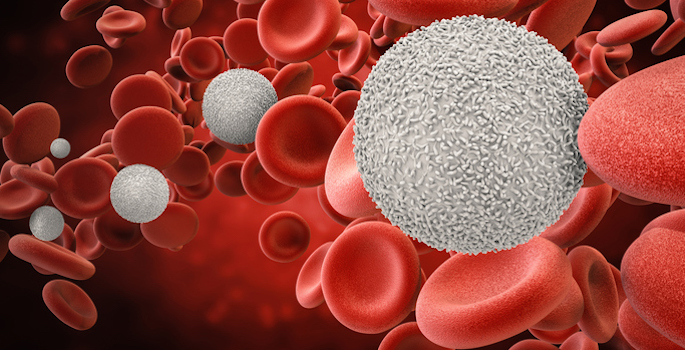
A rare bacterial protein tweak could point to new antibiotic targets
Postdocs Andrew Rice and Yanqing Xue, in the biochemistry lab of Professor Doug Mitchell, discovered which enzyme is responsible for a rare chemical modification that doesn’t exist in human cells. That could be crucial for developing antibiotics that can target bacteria while leaving human hosts’ cells completely alone. Read MoreApr 24, 2026
-
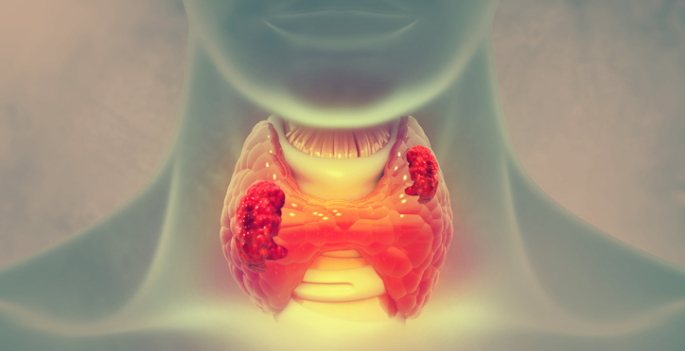
PFAS—‘forever chemicals’—directly shown to alter thyroid structure and function
PFAS, or “forever chemicals,” have already been linked to disruptions in thyroid hormones, among other detrimental health effects. A recent paper by first author Heather Hartmann, a Ph.D. student in the lab of Associate Professor Vivian Weiss, dug into thyroid cell behavior under long-term exposure to PFAS. It finds that the chemicals alter cellular function, including signaling pathways that are involved in cancer. “We hope [this] can help people who are already at risk for thyroid cancer … make better-informed choices, as consumers, to limit exposure to these chemicals,” Hartmann said. Read MoreApr 10, 2026
-

Finding the person I want to be: Heartfelt reflections from graduate and professional students
Graduate and professional students share how they've become more of the person they want to be while at Vanderbilt. Read MoreApr 9, 2026
-

How I want to better the world: Graduate, professional students share inspirations and goals
Read what inspires and motivates these graduate and professional students to make a positive impact. Read MoreApr 6, 2026
-

Mapping the Mind
For centuries, the human brain has intrigued scientists and philosophers alike. It stores our memories and shapes our behavior—the center of learning, emotion and identity. Yet even after decades of research, much about how the brain works remains a mystery. “People have been fascinated with questions of how you learn and who you are—philosophical questions that all come back to processes in the brain,” says Lisa Monteggia, Lee E. Limbird Professor in Pharmacology and the Barlow Family Director of the Vanderbilt Brain Institute. Now neuroscience is at a watershed moment, with new tools poised to dramatically expand understanding of the central nervous system. Read MoreApr 2, 2026
-

Meet the departments: Unraveling the mysteries of human cells one discovery at a time
Everything you touch was developed by basic science, says Ian Macara, chair of the Department of Cell and Developmental Biology. From food varieties and new crops, to your phone, your computer and the plastics we use every day, everything originally came out of a basic research lab. Macara's department, within the School of Medicine Basic Sciences, aims to train the next generation of scientists to advance basic biomedical research at the cellular, molecular and organismal levels. Read MoreMar 27, 2026
-

Shan Meltzer: Studying the science of touch
Gentle caress, searing burn, jolting shock. All these are possible with the elemental power of touch. Read how Shan Meltzer studies touch from the cellular level through the nervous system to the brain, to find better ways to treat pain and physical injuries. Read MoreMar 26, 2026
-

New courses prepare students to create impact in a changing world
Vanderbilt’s undergraduate, graduate and professional schools are taking on the challenges of an ever-evolving world with dozens of new courses and programs for the 2026–27 school year. Here are some of the new academic ways the university is preparing students to combine knowledge and vision to create future impact. Read MoreMar 18, 2026
-
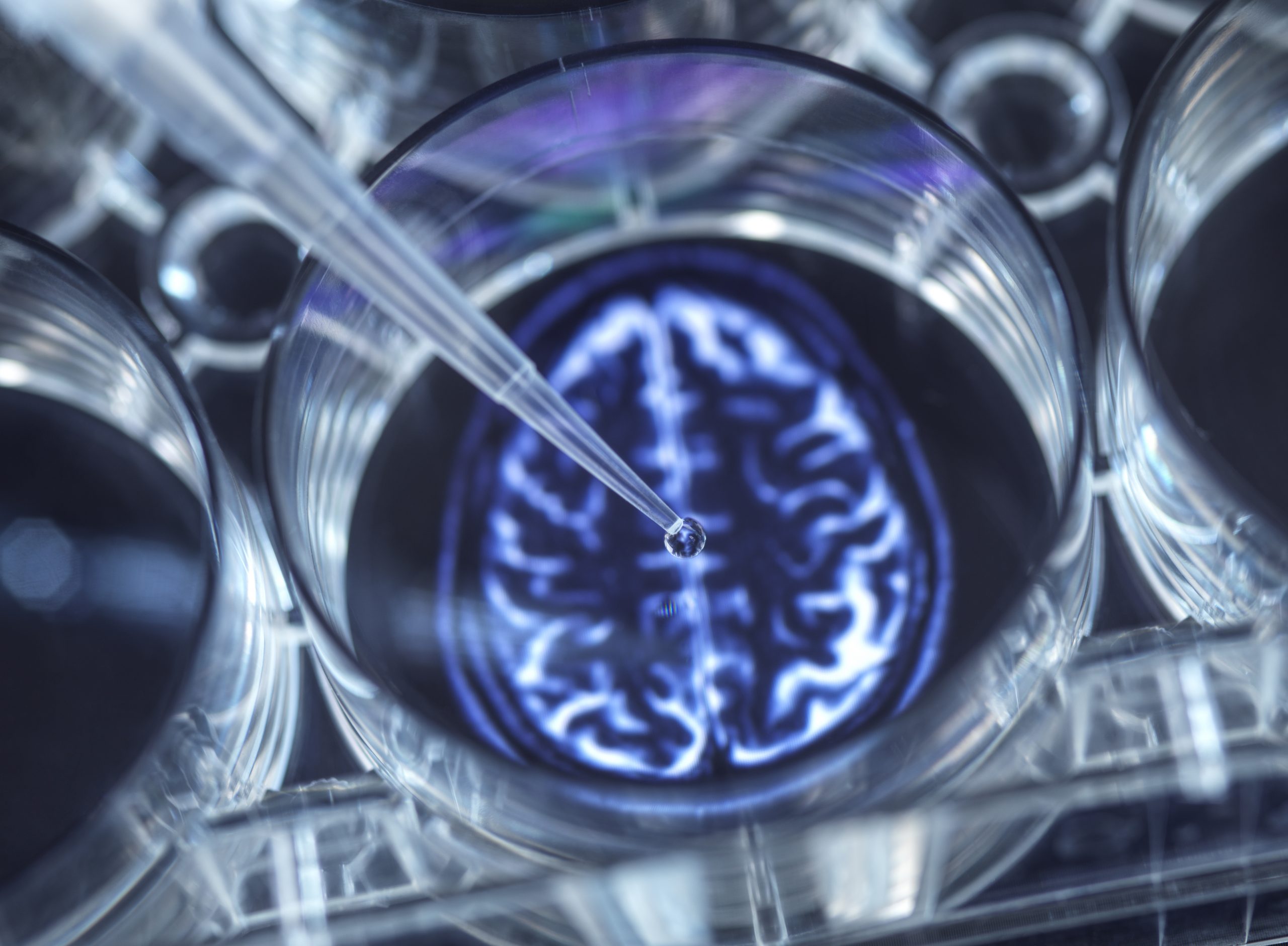
Novel compounds open new research avenues for Alzheimer’s disease therapeutics
Vanderbilt researchers are hunting down ways to combat Alzheimer’s by developing compounds that affect the proteins that are linked to it. TAOK-1 is such a protein, but it has not been thoroughly studied because there wasn’t a “tool compound” to study it with. Former postdoctoral fellow Daniel Schultz and Ph.D. student Lauren Parr have developed two such compounds—one that inhibits TAOK-1, and another that activates the entire TAOK protein family—through work conducted in the WCNDD, led by Executive Director Craig Lindsley. Read MoreMar 12, 2026