Research
-
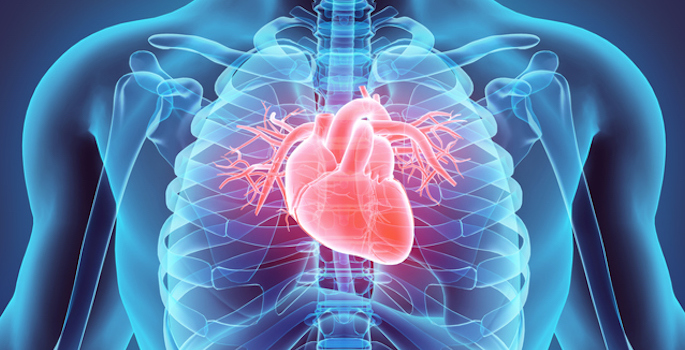
Arrhythmia culprit: supertrafficking ion channel
Charles Sanders, PhD, and colleagues show how a “supertrafficking” mutant potassium channel contributes to heart rhythm abnormalities. Read MoreApr 15, 2021
-

Widely used software, developed by Young Lab, tops 1,000 academic licenses
INCA enables robust metabolic tracer studies A software tool for metabolic analysis developed by a Vanderbilt chemical engineer recently passed 1,000 total academic licenses and is the most licensed software on the university’s online licensing and e-commerce platform. Additionally, it was the third highest revenue generator on the platform, VU e-Innovations, for 2020. About 20... Read MoreApr 15, 2021
-
Widely used software, developed by Young Lab, tops 1,000 academic licenses
INCA enables robust metabolic tracer studies A software tool for metabolic analysis developed by a Vanderbilt chemical engineer recently passed 1,000 total academic licenses and is the most licensed software on the university’s online licensing and e-commerce platform. Additionally, it was the third highest revenue generator on the platform, VU e-Innovations, for 2020. About 20... Read MoreApr 15, 2021
-
Student-developed machine-learning techniques make surgeries safer, easier to review
An interdisciplinary fellowship with the Data Science Institute has resulted in a promising machine-learning technology that can effectively track complex surgical activity, thus having the potential to improve patient outcomes, safety and documentation. Read MoreApr 12, 2021
-
Research Snapshot: New microscopy technique unveils feature that can shape applications of a class of quantum materials
THE IDEA A team of researchers led by Oak Ridge National Laboratory microscopist Miaofang Chi and Vanderbilt theoretical physicist Sokrates Pantelides has used a new Scanning Transmission Electron Microscope technique to image the electron distribution in ionic compounds known as electrides— especially the electrons that float loosely within pockets and appear separate from the atomic... Read MoreApr 8, 2021
-
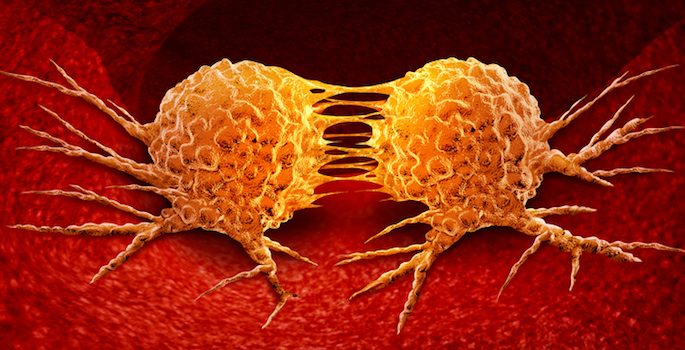
Personalized Structural Biology aids cancer treatment decisions
Cancer specialists at Vanderbilt University Medical Center, in partnership with biochemists and structural biologists across the Vanderbilt University campus, are taking “personalized” cancer therapy to a new level. Read MoreApr 8, 2021
-
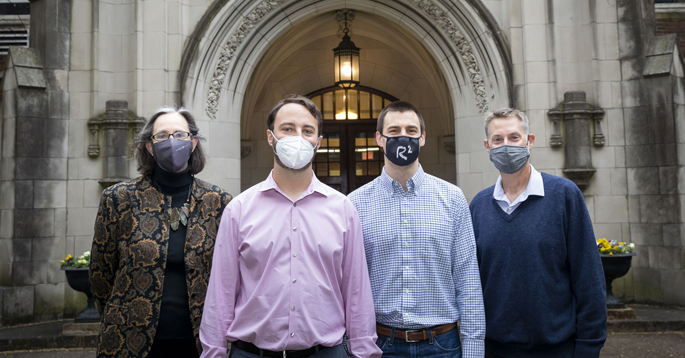
Study revises understanding of cancer metabolism
Tumors consume glucose at high rates, but a team of Vanderbilt researchers has discovered that cancer cells themselves are not the culprit, upending models of cancer metabolism that have been developed and refined over the last 100 years. Read MoreApr 7, 2021
-
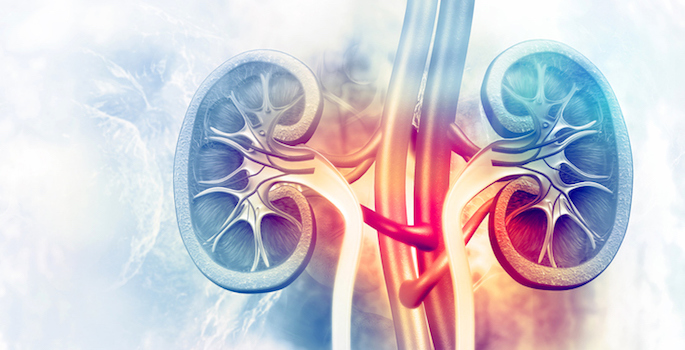
Genetic differences in Wilms tumor
Unique somatic gene mutations may contribute to racial disparities in the incidence of Wilms tumor — the most common childhood kidney cancer. Read MoreApr 6, 2021
-

Codeine metabolizer status in clinical practice
Vanderbilt researchers have developed a response score using genetic and clinical information to aid prescribing of the widely used pain medication codeine. Read MoreApr 5, 2021
-

COVID-19 met with intensive teamwork
Team members serving COVID-19 inpatients were more densely connected, interacting far more than their medical ICU counterparts. Read MoreApr 1, 2021
-

Novel way to neutralize Rift Valley Fever Virus
The discovery of monoclonal antibodies that neutralize Rift Valley Fever Virus — an emerging infection with pandemic potential — lays the foundation for future therapeutic antibody development. Read MoreApr 1, 2021
-

Study shows new COVID target could improve vaccines
Despite an impressive vaccination effort that exceeds 2 million shots a day, rates of COVID-19 are again on the rise in several parts of the United States, as is the spread of highly transmissible variants of the virus. Read MoreApr 1, 2021
-

Physician-scientists Aliyu, Tindle elected to ASCI
Vanderbilt’s Muktar Aliyu, MBBS, MPH, DrPH, and Hilary Tindle, MD, MPH, will be inducted this year into the American Society for Clinical Investigation (ASCI), an elite honor society of physician-scientists from the upper ranks of academic medicine and industry. Read MoreMar 31, 2021
-
NYU’s Tsien to discuss brain plasticity at next Discovery Lecture
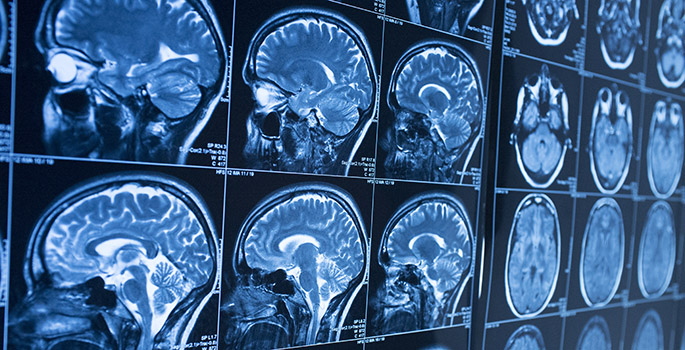
Richard Tsien, PhD, director of the Neuroscience Institute at NYU Langone Medical Center, will deliver the next web-based Discovery Lecture. Read MoreMar 29, 2021
-
Research Snapshot: Exosuit concept developed at Vanderbilt peeks at the future of wearable tech
The idea Karl Zelik (Vanderbilt University) Erik Lamers (Vanderbilt University) Karl E. Zelik, assistant professor of mechanical engineering, and recent Ph.D. graduate Erik P. Lamers revealed a new exosuit designed to bring back relief to workers who have been under high strain throughout the pandemic, including last-mile delivery drivers and essential workers. The suit can... Read MoreMar 25, 2021
-
Team studies new use for pulmonary hypertension drug
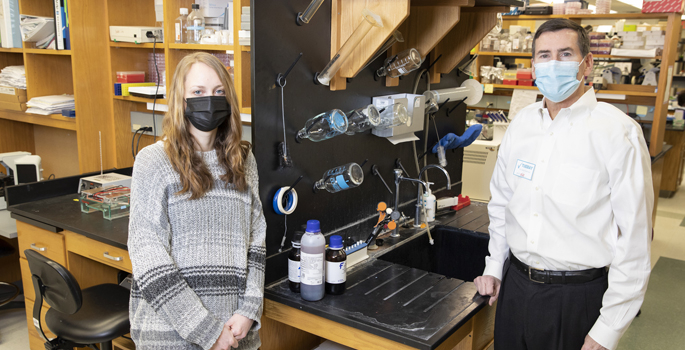
An FDA-approved medication enhances the function of T regulatory cells (Treg), a class of immune cells that restrains the immune response, Vanderbilt investigators have discovered. Read MoreMar 25, 2021
-

Prostate cancer microenvironment
Distinct cancer-associated fibroblasts in the prostate tumor microenvironment may influence tumor progression and could point to new therapeutic targets. Read MoreMar 23, 2021
-

Chemo for cancer lowers dementia risk
Cancer chemotherapy lowered risk of Alzheimer’s disease and other neurocognitive disorders that disproportionately affect older people. Read MoreMar 22, 2021
-

Strength training for osteoarthritis
High-intensity strength training is not more effective than low-intensity training or educational efforts for reducing knee pain in patients with osteoarthritis. Read MoreMar 18, 2021
-
HIV, diabetes and immune cells in fat
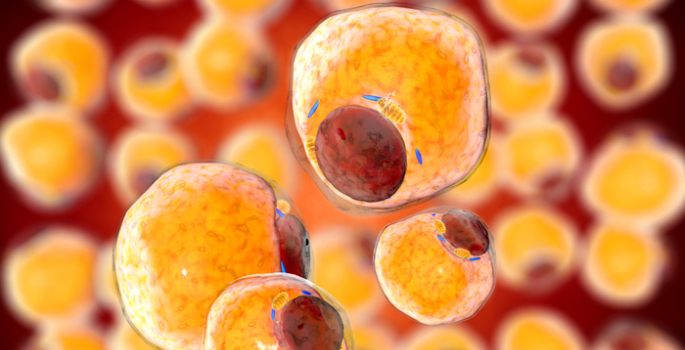
In HIV-positive individuals with diabetes, immune cells in fat are more proinflammatory and cytotoxic and may represent a therapeutic target for diabetes. Read MoreMar 18, 2021