Peter Konrad
-

Deep brain stimulation program marks milestones
Vanderbilt Clinical Neurosciences is marking two milestones — the 20th anniversary of its deep brain stimulation (DBS) program and its 1,000th DBS procedure. Read MoreMar 24, 2016
-
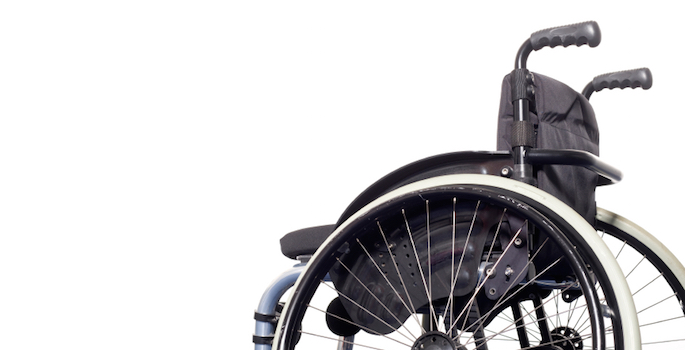
Study to explore spinal cord stimulation to ease paralysis
A Vanderbilt neurosurgeon is looking to recruit patients with paraplegia to investigate whether intraspinal microstimulation technology can restore complex body movements. Read MoreDec 3, 2015
-
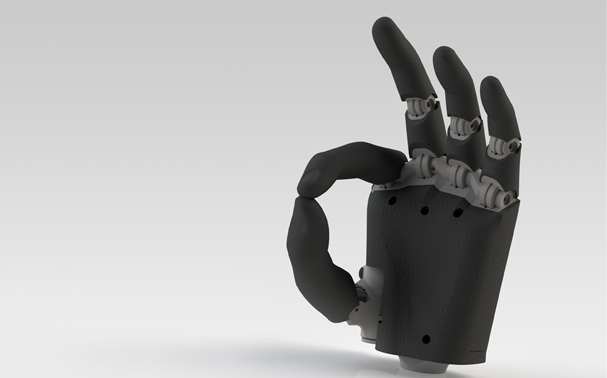
Vanderbilt Medicine: Robotics revolution
In the foreseeable future, robots will be sticking steerable needles in your brain to remove blood clots; capsule robots will be crawling up your colon as a painless replacement for the colonoscopy; and ultra-miniaturized snake robots will remove tumors from your bladder and other body cavities. Read MoreSep 11, 2013
-
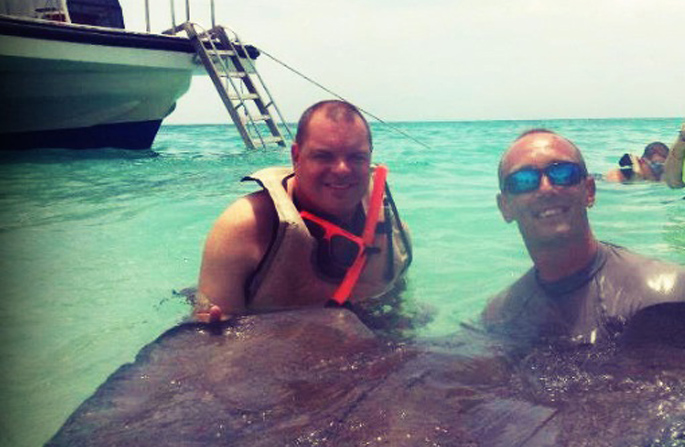
Surgery calms patient’s epilepsy-related seizures
In June, Tommy Schroader was in the crystal blue waters off Grand Cayman Island petting a giant stingray. Read MoreNov 8, 2012
-
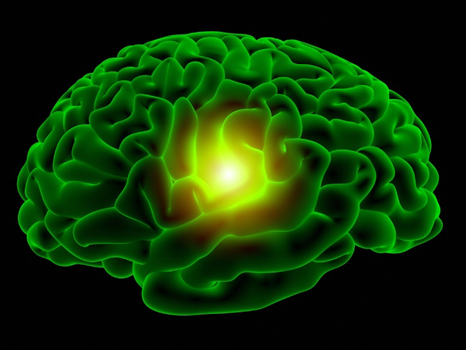
Vanderbilt spinoff company adds to local high-tech growth
A Nashville company founded in 2007 by two Vanderbilt University engineers and a Vanderbilt University Medical Center neurosurgeon to license and bring to market some of the technology developed at Vanderbilt has been awarded a three-year, $2.7 million grant to continue development of an integrated solution for the treatment and management of patients undergoing deep brain stimulation (DBS) procedures for the treatment of Parkinson’s disease and other neurological disorders. Read MoreOct 29, 2012
-

New initiative to develop a system that controls prosthetic limbs naturally
Anita Mahadevan-Jansen, Duco Jansen and Peter Konrad Using beams of light to allow amputees not only to control but also to feel the movement of prosthetic limbs is the ambitious goal of a new $5.6 million Department of Defense initiative. The Defense Advanced Research Projects Agency is tapping the… Read MoreNov 17, 2010