Pathology Microbiology And Immunology
-
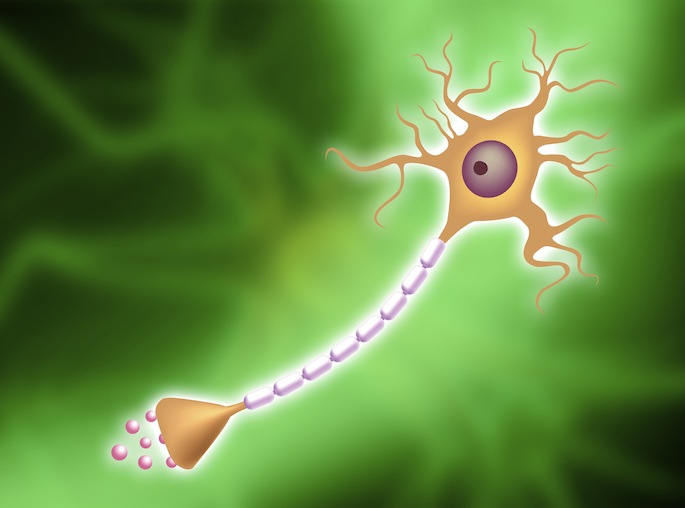
RNA defects in multiple sclerosis
Vanderbilt researchers have discovered that profound defects exist in the integrity of structural RNA molecules in patients with relapsing remitting multiple sclerosis. Read MoreApr 30, 2015
-

Cates lands grant to study desmoid tumor genetic factors
The Desmoid Tumor Research Foundation (DTRF) has awarded Justin Cates, M.D., Ph.D., associate professor of Pathology, Microbiology and Immunology, with one of its five research grants for his work studying growth/recurrence determinants related to genetic factors in desmoid-type fibromatosis (DTF) patients. Read MoreApr 16, 2015
-
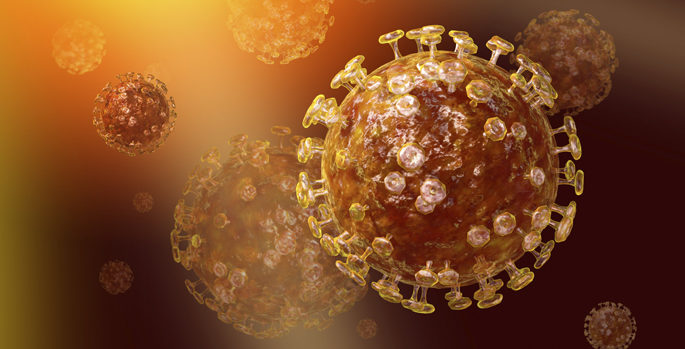
Contributors to coronavirus ‘fitness’
Understanding the role that host membrane modification plays in coronavirus replication is essential for developing novel approaches to block the viruses that cause SARS and MERS. Read MoreFeb 24, 2015
-
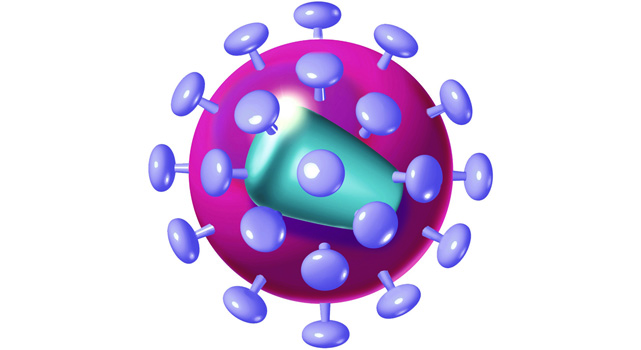
Targeting HIV’s “cap”
New findings underscore the attractiveness of the HIV capsid – the structure that encloses the viral genome – as a therapeutic target. Read MoreFeb 10, 2015
-
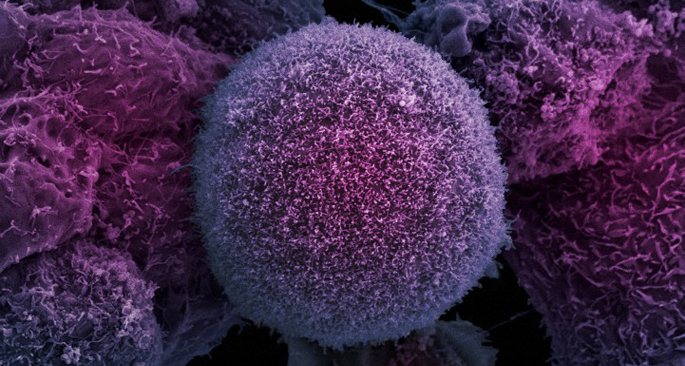
Vanderbilt-led team studies blood test for prostate cancer
Vanderbilt University researcher William Mitchell, M.D., Ph.D., and colleagues in Germany and Canada have demonstrated a method for detecting “cell-free” tumor DNA in the bloodstream. Read MoreJan 5, 2015
-
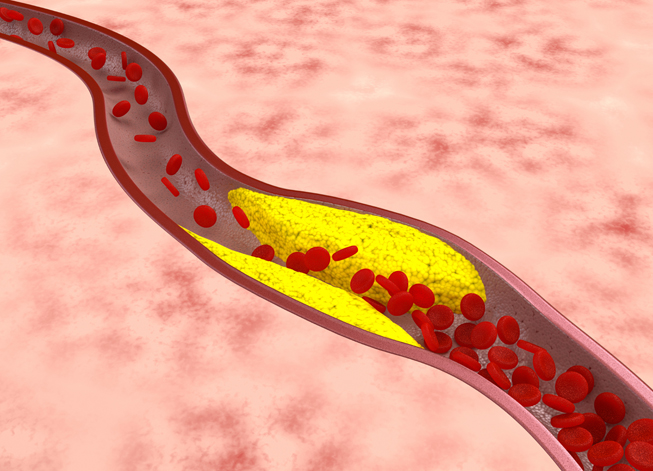
Target for atherosclerosis therapies
A newly identified “atheroprotective” gene is a tool for exploring plaque pathophysiology and may be a good target for therapies to slow atherosclerosis progression. Read MoreDec 17, 2014
-
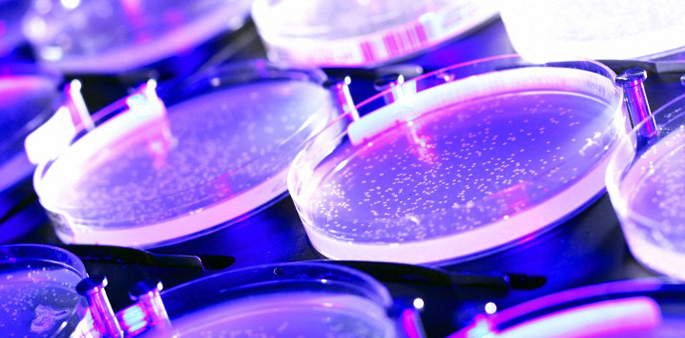
Bacterial secretion machinery: 3-D view
New structural findings reveal how "gatekeeper" proteins participate in the secretion systems bacteria use to infect host cells. Read MoreDec 11, 2014
-

Physician-scientist is dream job for Vanderbilt’s Cassat
Jim Cassat, M.D., Ph.D., a pediatric infectious disease specialist who joined the Vanderbilt faculty this summer, loves taking care of children with bone infections and doing research to understand the host-pathogen interactions during these invasive infections. Read MoreDec 4, 2014
-
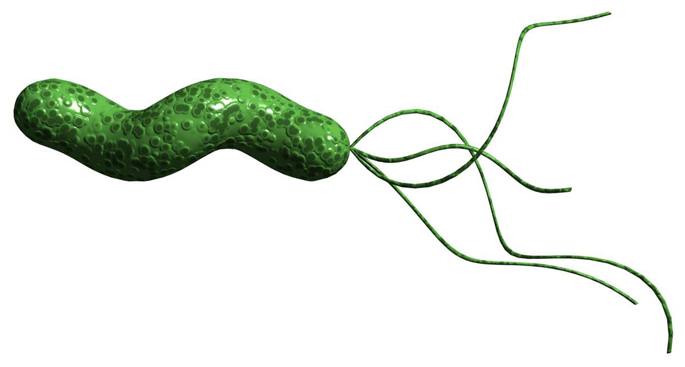
Host sequesters zinc to control stomach bug
Understanding how zinc and the host’s immune response control H. pylori’s cancer-causing potential could suggest new therapeutic strategies to reduce infection and cancer risk. Read MoreNov 21, 2014
-
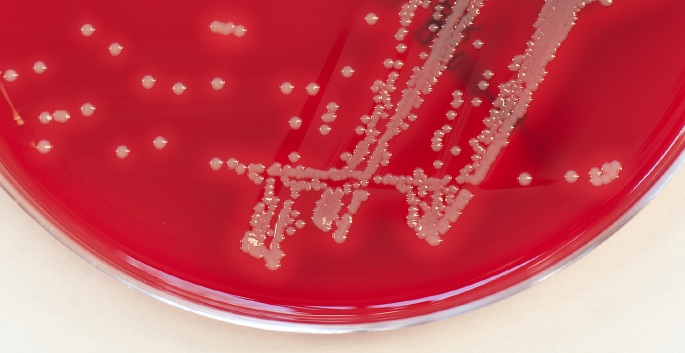
Staph ‘gangs’ share nutrients during infection: study
Antibiotic-resistant bacteria can share resources to cause chronic infections, Vanderbilt investigators have discovered. The findings shed light on a long-standing question in infectious diseases and may inform new treatment strategies. Read MoreOct 16, 2014
-

Lymphocyte study reveals obesity clues
Vanderbilt University researchers are closer to understanding the link between obesity, chronic inflammation and type 2 diabetes. Read MoreOct 16, 2014
-

Treatment Helps Frogs Fight Fungal Pathogen
Simple heat treatments may give the frog immune system a boost and help it fight off a deadly fungal pathogen, according to a new study published July 10 in the journal Nature. Read MoreSep 26, 2014
-
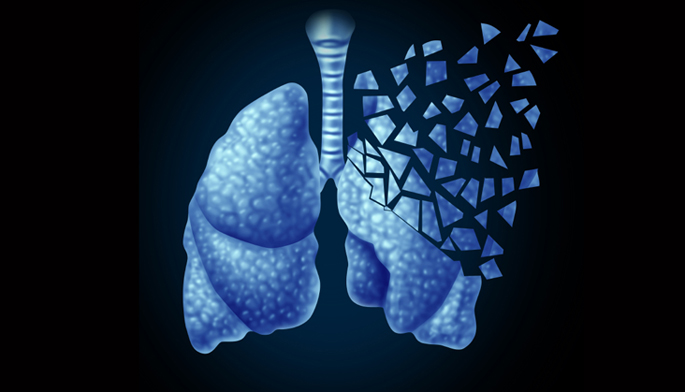
A path to sarcoidosis treatment
Vanderbilt investigators identify a new therapeutic target for the inflammatory lung disease sarcoidosis. Read MoreSep 25, 2014
-
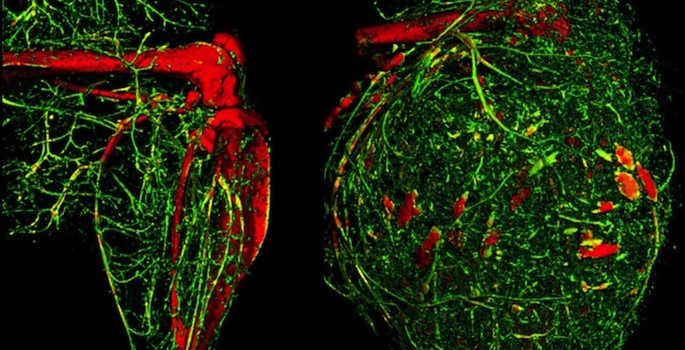
Aggressive bone cancers build more blood vessels
A subpopulation of bone cancer cells may be responsible for driving clinically aggressive behavior, suggesting new treatment options. Read MoreSep 3, 2014
-

Ascano seeks to shed light on cellular stress response
Ebola. Chikungunya. Influenza. What’s to be done about these headline-grabbing, debilitating, often lethal viruses? Read MoreAug 28, 2014
-

Cassat lands Burroughs Wellcome Fund award
James Cassat, M.D., Ph.D., assistant professor of Pediatrics and Pathology, Microbiology and Immunology, has received a Burroughs Wellcome Fund (BWF) Career Award for Medical Scientists. Read MoreJul 31, 2014
-

New target for breast cancer therapy
The protein MTBP is overexpressed in an aggressive type of breast cancer, and it regulates another protein implicated in many cancer types, suggesting that it may be a good target for new therapeutics. Read MoreJul 31, 2014
-

Treatments for frog fungus
The fungicide amphotericin B may be a useful treatment for a frog fungus that is killing amphibians worldwide. Read MoreJul 25, 2014
-
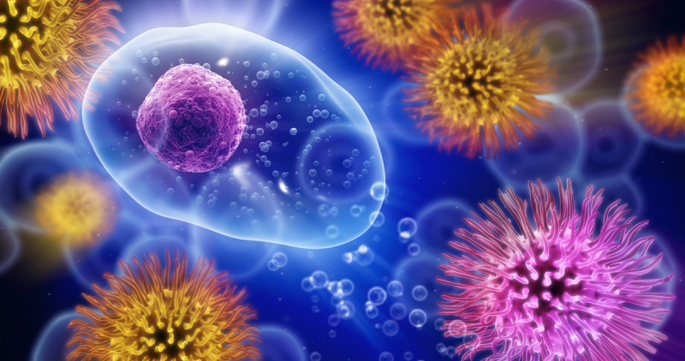
Natural killer cells don’t clear HMPV
Understanding how the immune system responds to the respiratory virus HMPV is crucial for developing vaccines and anti-viral treatments. Read MoreJul 23, 2014
-
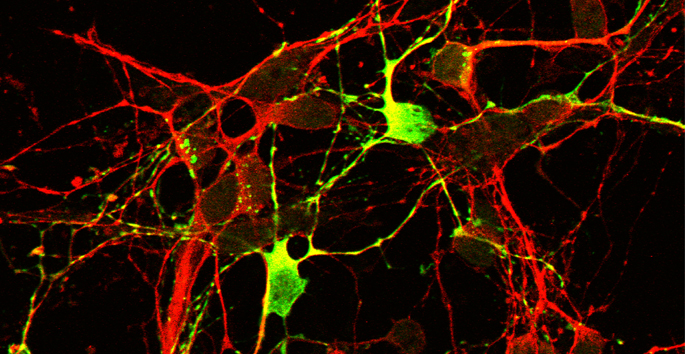
Neural receptor for reovirus
A newly identified receptor allows mammalian reovirus to infect neurons, shedding light on factors important for viral encephalitis. Read MoreJul 18, 2014