Op Ed
-
The Hill: Remembering the chemical atttacks against the Kurds
Twenty-five years ago this March, Iraqi forces coordinated a calculated campaign of genocide against the Kurds, an atrocity that should remind the world that it must rally to the aid of those who suffer from brutal regimes, writes Michael Newton, professor of the practice of law. Read MoreMar 29, 2013
-
The Tennessean: Preschool effects greatest for those who need it most
While critics of expanded preschool argue that their cognitive effects fade out after the first few years of schooling, they ignore a body of longer-term evidence that indicates impoverished students who experience a high-quality preschool program are less likely to repeat grades, to spend time in special education, to become teen parents or to get arrested, writes Camilla Benbow, Patricia and Rodes Hart Dean of Education and Human Development. Read MoreMar 29, 2013
-

Inside Higher Ed: Keep the Doors Open
Peabody Professor Christopher Loss addresses the reauthorization of the Higher Education Act (HEA) act, speculating what this new regulatory regime might look like. Read MoreMar 12, 2013
-

Jonathan Metzl: Colion Noir, the NRA’s ‘urban gun enthusiast,’ is off target
Over time, guns become much more than symbols of self-protection—they become symbols of racial inquietude and mistrust, writes Jonathan Metzl, Frederick B. Rentschler II Professor of Sociology and Medicine, Health and Society, in NBC news blog "The Grio." Read MoreMar 8, 2013
-
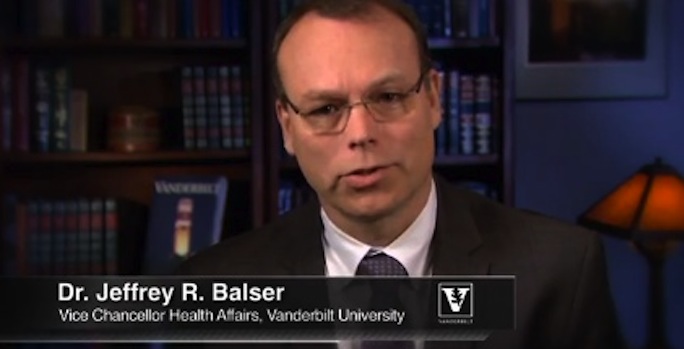
Dr. Jeffrey R. Balser: Stop the Sequester
The vital partnership between NIH and Vanderbilt – reproduced at universities all around the country – supports thousands of brilliant minds from all around the world. Sequestration will discourage a generation of young people from even considering a career in research. Read MoreMar 5, 2013
-

Op-Ed: Lance Armstrong’s interview earns him a “B” for apology
Cyclist Lance Armstrong, who was stripped of his most illustrious awards because of his use of performance enhancing drugs, made an effective plea for forgiveness during his interview with Oprah Winfrey, but his lack of regret is problematic, writes law professor Erin O'Hara O'Connor, who studies apologies and dispute resolution. Read MoreJan 18, 2013
-

Chancellor Zeppos: Irresponsible cuts to research will curtail innovation
"Our scientists and engineers are making discoveries today that will lead to unimaginable technological breakthroughs tomorrow in medicine, energy and technology. Without long-term sustained federal investments in science and engineering research, these discoveries simply will not be made," write Chancellor Zeppos and University of Tennessee president Joseph Di Pietro in The Tennessean. Read MoreDec 6, 2012
-

Vice Chancellor Balser: ‘Cliff’ looming for biomedical research
"Beyond the damaging effects on the health of our people, disrupting the nation’s biomedical science infrastructure puts our economic future at risk," writes Vice Chancellor for Health Affairs Jeff Balser in The Tennessean. Read MoreDec 6, 2012
-
Selling science to the public
Jessica Mazerik is a graduate student in the Department of Cell and Developmental Biology. As scientists, our ability to obtain funding, publish papers, and generate interest in our research is dependent upon our ability to successfully “sell” our scientific data and ideas – that is, to convince… Read MoreNov 8, 2012
-
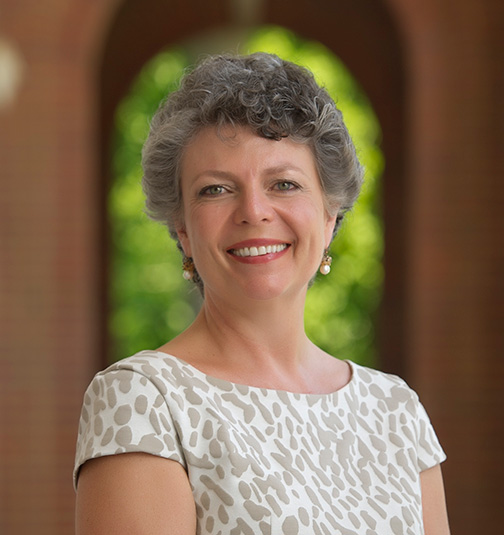
The importance of algebra, quality pre-K and addressing reading problems
Camilla Benbow, Patricia and Rodes Hart Dean of Education and Human Development, continues to share her expertise with in the midstate and highlight Peabody research in her bimonthly Tennessean column. See what she has to say about why algebra matters, how quality pre-K benefits… Read MoreSep 18, 2012
-
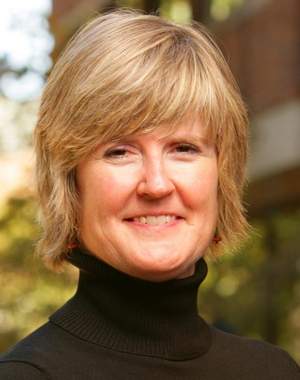
Claire Smrekar in The Tennessean: Role of public education is key
Public education is fundamental to the aims of promoting democracy, social efficiency, and social mobility, writes Claire Smrekar, associate professor of leadership, policy and organizations at Peabody. Read MoreAug 8, 2012
-
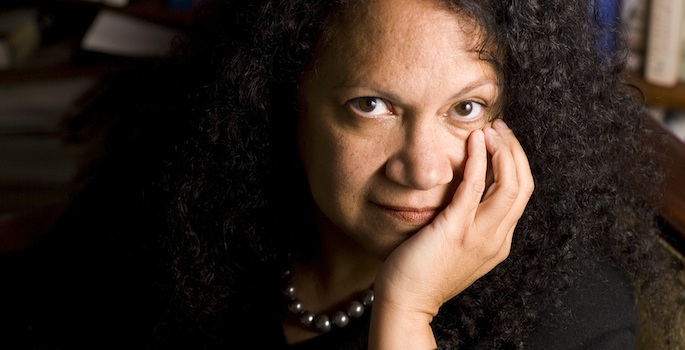
New York Times op-ed: Black women and fat
"My goal is to be the last fat black woman in my family," writes Alice Randall, writer in residence at Vanderbilt and author of "Ada's Rules." Read MoreMay 7, 2012
-
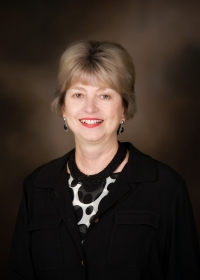
Op-ed: Teachers key to solving worldwide illiteracy
As the topic of education reform continues to dominate and preoccupy today’s educational discourse and divide a nation, it is easy to get distracted from the primary reason we send our children to school every day: to learn how to read, write, think, and speak effectively. Read MoreOct 26, 2011
-

Op-Ed: Back to the future: Why conservatives don’t really want a return to Reagan tax cuts
As the Obama administration begins its quest to right the economy through government spending, a counter story of recovery comes from admirers of the Reagan administration. President Reagan's admirers point out that he was also faced with a horrible economy upon his inauguration which, they assert, Reagan cured with deep tax cuts. Read MoreFeb 23, 2009
-
Confronting Trillions: Op-ed by Graduate School Dean Dennis Hall
Last May, during my remarks at Vanderbilt University's graduate school commencement ceremony, I shared this observation, "The world you're about to enter as Vanderbilt's newest alumni is a world where many of the challenges so in need of fresh ideas are increasingly measured in trillions." Little did I know then that the economy's approaching nosedive would soon turn trillions into front-page news. Read MoreFeb 9, 2009
-
Op-Ed: Assessing the Bush legacy
As the curtain falls on the Bush presidency, we will inevitably try to assess his legacy. So will President Bush. He's been doing interviews, holding press conferences, and just delivered his farewell address all in an effort to define that legacy. Read MoreJan 19, 2009
-
Op-Ed: CEO Obama
With all the focus on the president-elect's views about the Burris appointment and the economic stimulus, we forget that Barack Obama is about to assume responsibility as chief executive of an organization that employs close to 2 million civilian employees. Obama's fortunes as president will depend in large part on his success at taking charge of the machinery of government. Read MoreJan 12, 2009
-
OP-ED: Several issues preceded economy on U.S. agenda
The No. 1 priority facing President-elect Barack Obama is the economic crisis, which, so far, is focused on the financial sector. But there are other serious issues deserving attention from the president-elect. Read MoreNov 17, 2008
-
OP-ED: Shot at unthinkable: an end to cronyism
Like other presidents before him, President-elect Barack Obama will be under immense pressure to reward campaign workers, state and local party officials, interest groups and key donors with positions in the new administration. Read MoreNov 17, 2008
-
Op-ed: The ‘unitary executive’ question: What do McCain and Obama think of the concept?
In answering Gwen Ifill\'s question about vice presidential powers at last week\'s debate, Joe Biden redirected attention to the still not very well known concept of the "unitary executive." Biden charged that Dick Cheney had become "the most dangerous vice president we\'ve had probably in American history" because of his attempts to create a super-powerful unitary executive. Read MoreOct 13, 2008