NIAID
-

How bugs overcome host defenses
Eric Skaar and colleagues have figured out how a common bug responsible for ventilator-associated pneumonia responds when starved of zinc, a metal it needs to survive, which may lead to new therapeutic targets for the dangerous infection. Read MoreApr 12, 2019
-

Probing H. pylori cancer protein
Timothy Cover, john Loh and colleagues have identified how a certain type of mutation influences the risk of premalignant and malignant changes in the stomach. Read MoreFeb 15, 2019
-

Pain relievers a risk for C. diff?
David Aronoff and colleagues report an increased risk of the serious gastrointestinal infection C. diff following the use of NSAID pain relievers. Read MoreJan 17, 2019
-

Parsing diabetic skin infections
People with diabetes may be prone to more skin infections due to an overabundance of a compound that controls inflammation in the body. Read MoreNov 30, 2018
-
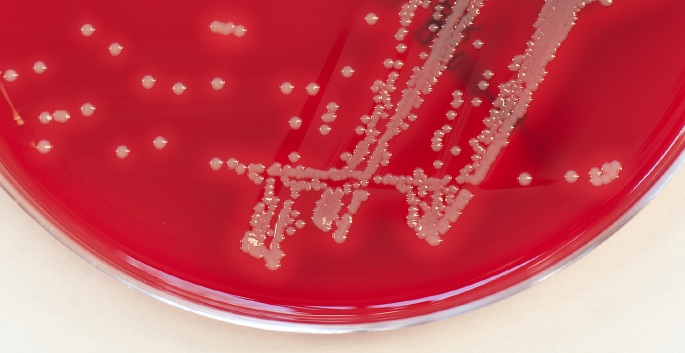
New staph virulence factor
The new factor, an enzyme involved in host-pathogen interactions, may be a viable target for treating staph infections. Read MoreJun 28, 2018
-
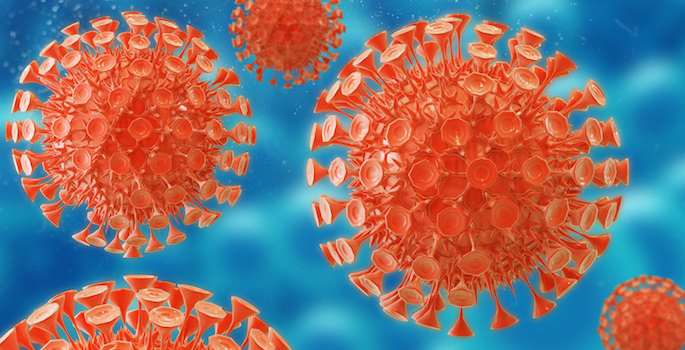
A “public” target for HIV
Common sequences of antibodies against HIV may be key to developing a successful vaccine strategy for the virus. Read MoreJun 8, 2018
-
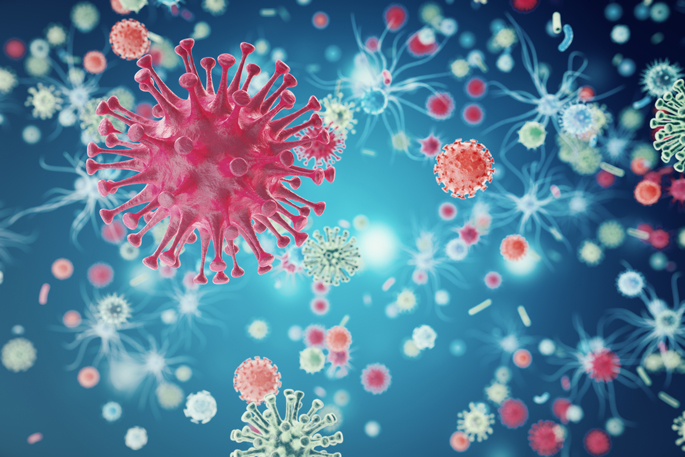
Evolution of a deadly virus
Genomic sequences have revealed that Florida is a major source of a mosquito-borne virus that causes disease in horses and humans. Read MoreMay 23, 2018
-

New target to stop Ebola
A new Vanderbilt study suggests it may be possible to develop antibody therapies or a universal vaccine effective against multiple Ebola virus family members. Read MoreMay 21, 2018
-
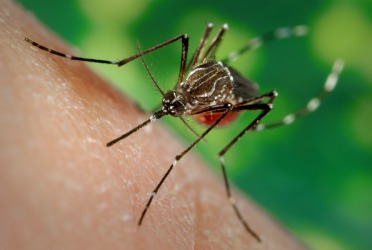
Alphavirus “Achilles heel”
Targeting the protein that mosquito-borne viruses use to enter cells could be a strategy for preventing infection by multiple emerging viruses. Read MoreMay 17, 2018
-
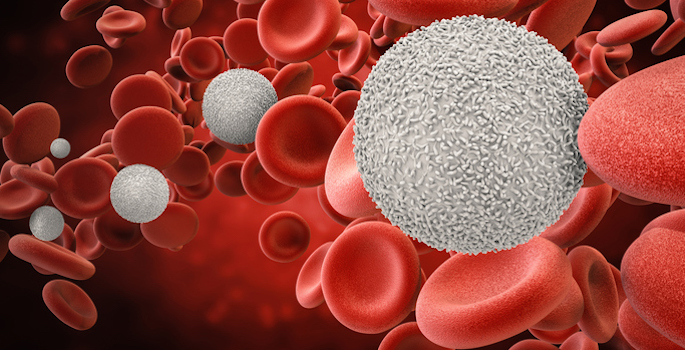
Putting the brakes on sepsis
An enzyme called PTEN reduces inflammatory signaling and mortality in sepsis, suggesting it may be a good therapeutic target for this life-threatening complication of infection. Read MoreMay 9, 2018
-

Toxin floats on lipid rafts
The bacterium H. pylori is a leading cause of stomach cancer, and Vanderbilt researchers are studying how one of its toxins gets into cells. Read MoreApr 23, 2018
-
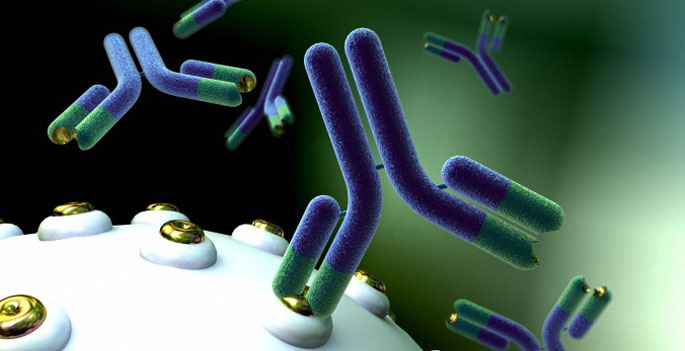
Disease-fighting antibody production
New research links nutrient-responsive cellular signaling to the antibody-mediated immune response. Read MoreApr 20, 2018
-

Volunteers sought for bird flu vaccine trial
Vanderbilt University Medical Center is recruiting volunteers to participate in a national study of an investigational vaccine against the H7N9 influenza virus, also known as “bird flu.” Read MoreMar 15, 2018
-

New imaging approach offers unprecedented views of staph infection
A new integrated imaging approach makes it possible to probe the molecules involved in invasive infections and can be broadly applied to any health or disease state. Read MoreMar 15, 2018
-
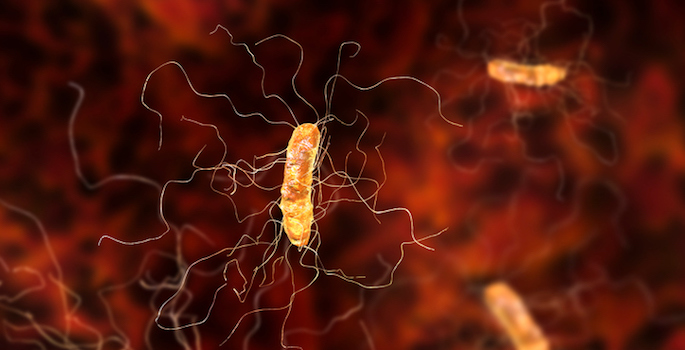
Versatile C. difficile blocker
New research reveals a unique mechanism of C. difficile toxin neutralization by a monoclonal antibody, suggesting new therapeutic approaches. Read MoreJan 26, 2018
-

Lighting up iron levels
A new probe enables iron imaging in living animals, providing a unique tool for studying iron’s contributions to health and disease. Read MoreJan 11, 2018
-

Asthma study may point to potential new therapeutic approach
New findings from Vanderbilt suggest that blocking the migration of cells involved in asthma may represent a new approach for treating the respiratory condition. Read MoreJan 4, 2018
-

HIV outreach and return to care
When chronic disease patients let their care lapse and fail to show for clinic appointments, it may behoove clinics to reach out and encourage a return to care. Read MoreNov 9, 2017
-

Novel insights to antibiotic targets
New mechanistic details about the DNA-unwinding activity of antibacterial protein targets could lead to the design of better antibiotic medicines. Read MoreSep 29, 2017
-

Excess dietary manganese increases risk of staph infection in heart
Too much dietary manganese — an essential trace mineral found in leafy green vegetables, fruits and nuts — promotes infection of the heart by the bacterium Staphylococcus aureus (“staph”). Read MoreSep 21, 2017