NHLBI
-
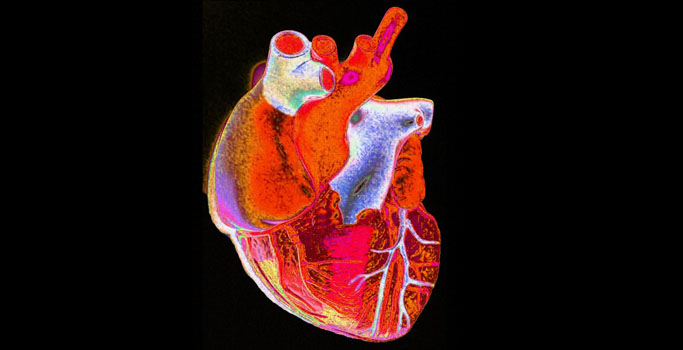
Preventing hardened heart valves
Blocking a serotonin receptor may provide a novel therapy for heart valve disease. Read MoreDec 26, 2012
-

Genetic clues to lung scarring
A rare genetic syndrome provides new clues to lung scarring (pulmonary fibrosis), a potentially deadly consequence of many lung diseases. Read MoreDec 10, 2012
-

Green tea for failing hearts?
The main antioxidant compound in green tea increases contractile force in isolated heart cells, suggesting it may be useful in heart failure. Read MoreNov 16, 2012
-

Grant to bolster care of ventilated ICU patients
Vanderbilt University Medical Center investigators have received a $2.8 million grant from the National Heart, Lung, and Blood Institute (NHLBI) to continue studying ways to improve sedation management for intensive care unit patients who are on mechanical ventilators. Read MoreNov 15, 2012
-

Inherited lung disease no worse in offspring
An inherited lung disease does not appear to have earlier onset and increased severity – a phenomenon called genetic anticipation – in successive generations. Read MoreNov 15, 2012
-

Kidney woes during heart failure
Levels of the protein NGAL may be a good predictor of worsening kidney function in patients with acute heart failure. Read MoreNov 8, 2012
-

Bacterial signals in sarcoidosis
Study adds evidence for infectious agents’ role in sarcoidosis, an inflammatory condition that can lead to respiratory failure and death. Read MoreNov 6, 2012
-
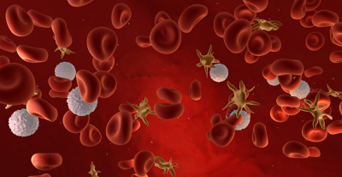
Bid protein guards blood cells against stress
A protein normally known to promote cell death found to encourage survival of blood forming cells. Read MoreOct 25, 2012
-

Gene regulation found to play role in pulmonary hypertension
New findings from Vanderbilt researchers may explain why only some individuals who have inherited mutations that increase risk for pulmonary hypertension actually develop the disease. Read MoreOct 18, 2012
-

Metro Parks, VU team on obesity prevention project
A collaboration between Vanderbilt Pediatric researchers and the Metro Nashville Parks and Recreation Department to prevent obesity is kicking into high gear with the recruitment of 600 area familes. Read MoreSep 6, 2012
-

Key to a woman’s heart (condition)?
Females may be at higher risk of potentially fatal heart condition due to gender differences in a protein involved in the heart’s electrical activity. Read MoreAug 10, 2012
-

Ancestry impacts smoking risk for lungs
Smoking is more detrimental to lung function in individuals with high proportions of African ancestry. Read MoreAug 7, 2012
-

Gene’s impact on ‘good’ cholesterol could affect heart disease risk
A genetic variant may help keep an individual’s “good” cholesterol in check. Read MoreJul 12, 2012
-

Long live the therapeutic stem cells
Enhancing stem cell survival is key to improving cell-based therapies for regenerative medicine, and a new drug could help. Read MoreMay 17, 2012
-
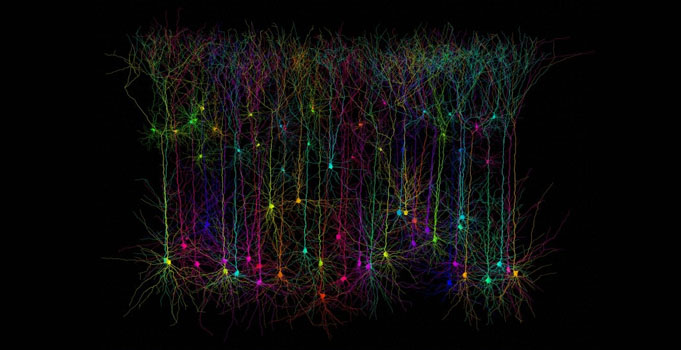
New clue to ADHD
A rare genetic change adds support to the idea that altered dopamine signaling is a key risk factor for ADHD. Read MoreMay 15, 2012
-

Better blood pressure-reducing drugs?
A newer version of an old class of blood pressure lowering drugs may offer advantages for obese patients with metabolic syndrome. Read MoreApr 30, 2012
-
New tool hooks heart failure drugs
A new screening tool – using glowing fish embryos – could identify therapeutics for myocardial hypertrophy and heart failure. Read MoreApr 6, 2012
-

Combo combats dizziness
Some patients may need a combo of medications to combat a condition that causes dizziness. Read MoreMar 9, 2012
-

Stem cells take heart
Signaling pathway discoveries suggest ways to induce stem cells to become cardiac muscle cells, which could be useful for regenerating damaged heart muscle. Read MoreFeb 20, 2012
-

Fishing for heart attack repair tools
Managing myocardial infarction – and the resulting heart failure – remains a clinical challenge. To search for chemicals that can stimulate cardiac muscle cell production, Vanderbilt Institute of Chemical Biology investigators led by Tao Zhong, Ph.D., Terri Ni, Ph.D., and Eric Rellinger, M.D., turned to a novel drug discovery tool:… Read MoreJan 5, 2012