Microbiome
-

Invasive strep can defy zinc toxicity
Vanderbilt researchers find that invasive Group B Streptococcus strains, a significant risk to pregnant patients and infants, can grow in presence of toxic zinc levels. Read MoreFeb 28, 2022
-
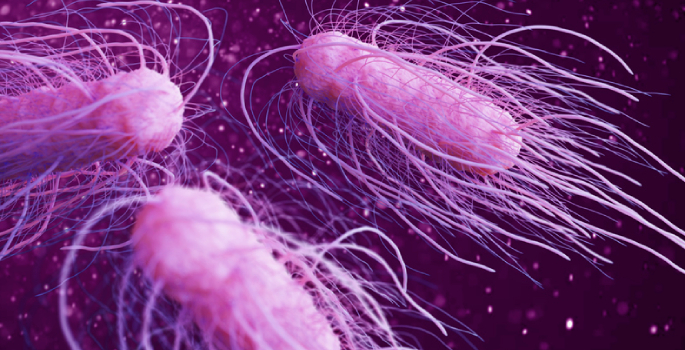
Salmonella overcomes host resistance
The invading pathogen Salmonella, a common cause of food poisoning, can change its metabolism to overcome host resistance to its colonization. Read MoreJan 13, 2022
-

Oral microbes and gastric cancer
Studies in three large population cohorts that include Asian, African American and European American people support a role for the oral microbiota — the collection of microbial species in the mouth — in gastric cancer development. Read MoreDec 13, 2021
-
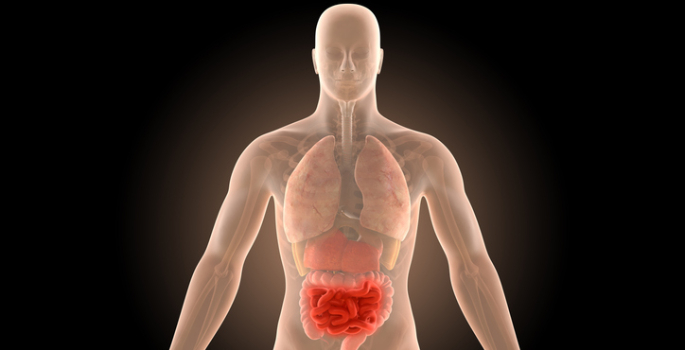
Probiotic protection
A probiotic factor given early in life to mice prevented intestinal inflammation in adulthood, providing a rationale for probiotic intervention in individuals at high risk of developing inflammatory bowel disease. Read MoreMar 4, 2021
-

Study shows healthy diet is associated with diverse and health-promoting microbiome
Scientists are just beginning to understand the impact of diet on the gut microbiome and how this interaction affects human health, but baselines must first be established to yield answers. Read MoreJan 27, 2021
-

Microbial RNA and rheumatoid arthritis
Small RNAs — short stretches of genetic material — from microbes may be playing a role in rheumatoid arthritis and other autoimmune diseases. Read MoreJan 11, 2021
-
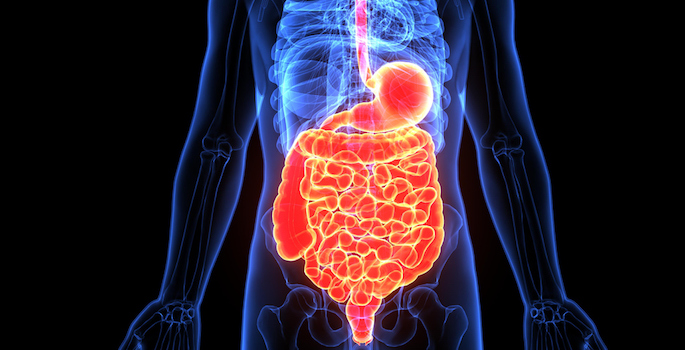
Preserving gut mucus architecture
A new method that keeps microbes and gut cells together will be useful for studies of complex host-microbe interactions and for analysis of clinical specimens. Read MoreOct 20, 2020
-
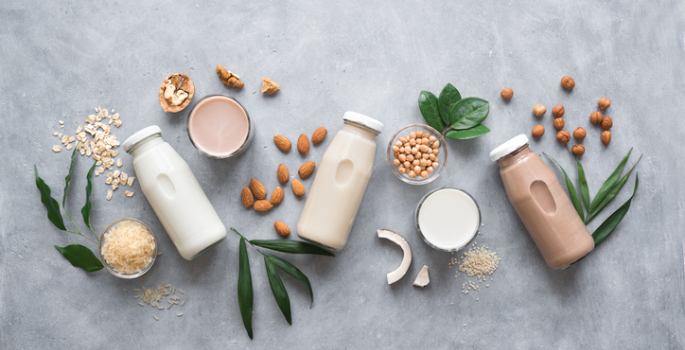
Soy food, metabolism and the microbiome
Consumption of soy foods may shape the microbiome and protect against hypertension only in individuals with soy-responsive microbiota, Vanderbilt researchers have discovered. Read MoreJul 27, 2020
-

Seeing the unseen: Vanderbilt science hub helps set a standard for innovative microbiome research, education
The Vanderbilt Microbiome Initiative is receiving attention for its role as a standard bearer for other microbiome programs, thanks to a new article on the importance and emergence of microbiome centers – academic hubs of microbiome-related research. Read MoreDec 19, 2019
-
Host-microbe interactions in the gut
Vanderbilt investigators demonstrated that intestinal cells promote beneficial microbe behavior — the findings support developing microbiota-based therapies for intestinal health. Read MoreAug 13, 2019
-
Microbiome links diet to health
Vanderbilt researchers have discovered that the gut microbiome composition modulates how dietary nutrients are metabolized, with potential downstream consequences on metabolic health. Read MoreJun 20, 2019
-

Mouth health and colorectal cancer
Microbial species in the mouth could be playing a role in colorectal cancer development, according to new research from epidemiologists at VUMC. Read MoreJun 6, 2019
-
Ethnicity proves reliable indicator of what microbes thrive in the gut
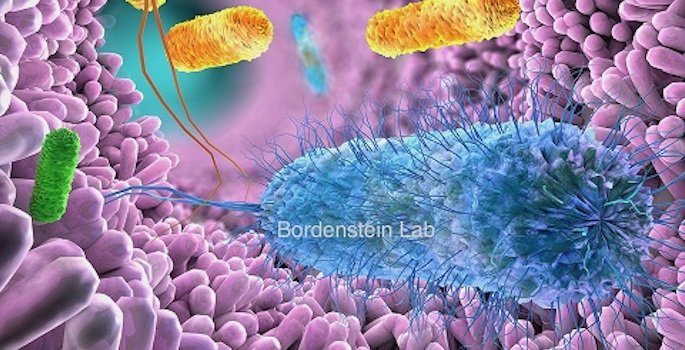
Changing the gut microbiome to beat illness really does hold great potential, but first scientists must answer what constitutes a healthy gut microbiome and in whom. Read MoreDec 4, 2018
-
Insect gene allows reproductive organs to cope with harmful bacteria
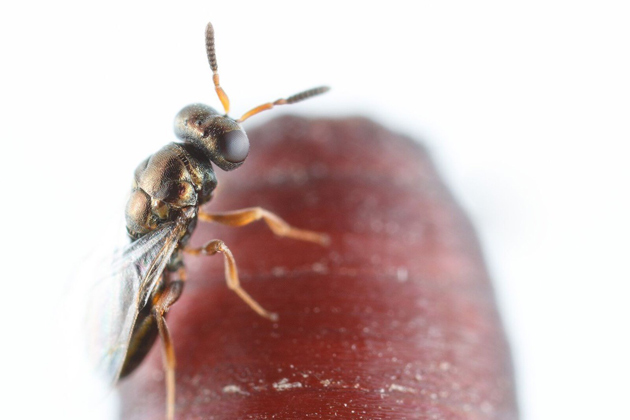
Bordenstein’s team studied Nasonia parasitic wasps, which are about the size of a sesame seed, and they serve as one of the best models to dissect and characterize the evolution of insect genomes. Read MoreMay 17, 2018
-
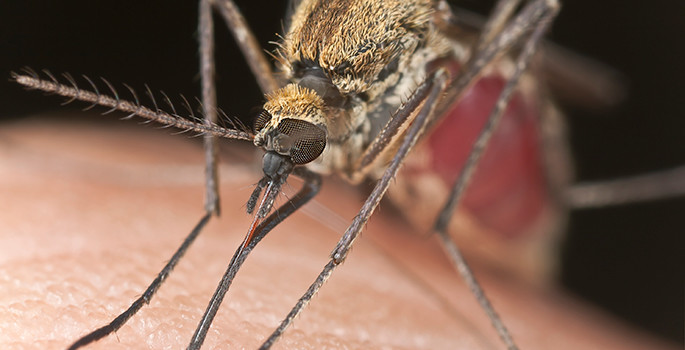
Unraveling genetic mystery next step in Zika and dengue fight
How a bacteria hijacked insect fertility remained a mystery for five decades, until Associate Professor of Biological Sciences Seth Bordenstein and his team helped solve it. Read MoreApr 23, 2018
-
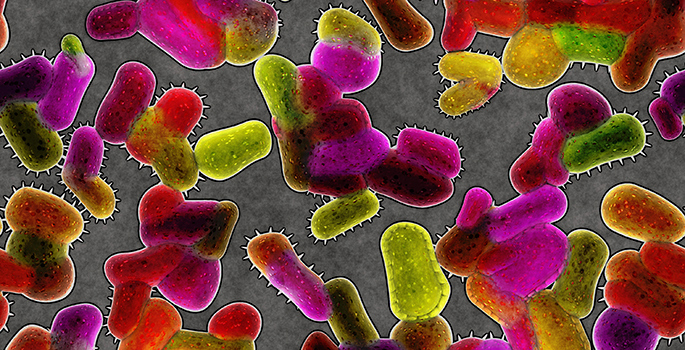
Bile acids, microbiota and colon cancer
Bile acids produced by a western diet alter the composition of the gut microbiota and promote intestinal carcinogenesis. Read MoreJul 5, 2017
-

Role for mouth microbes in diabetes?
A higher abundance of certain bacterial species in the mouth appears to reduce the risk of type 2 diabetes, Vanderbilt investigators have discovered. Read MoreMar 8, 2017
-
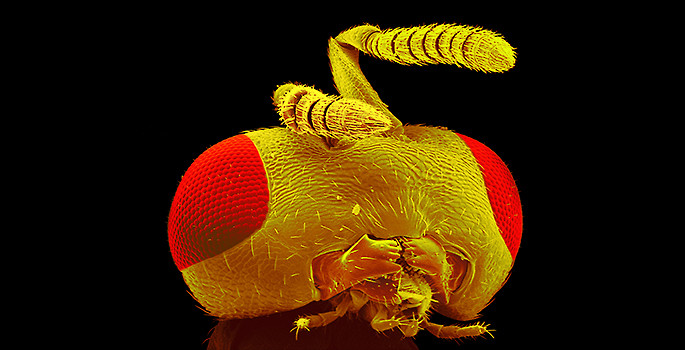
Each animal species hosts a unique microbial community and benefits from it
A laboratory study of four animal species and their microbiota finds that each species hosts a unique community of microbes that can significantly improve its health and fitness. Read MoreNov 28, 2016
-
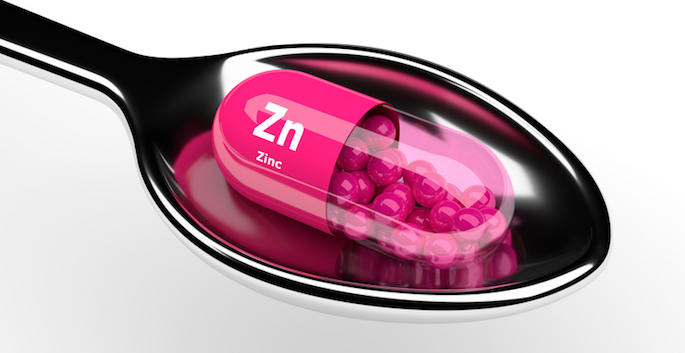
Study shows excess dietary zinc worsens C. diff infection
Too much dietary zinc increases susceptibility to infection by Clostridium difficile — “C. diff” — the most common cause of hospital-acquired infections. Read MoreSep 26, 2016
-

These days, fecal transplantation is no joke
Fecal transplants are increasingly being used to treat certain human illnesses and more scientists have begun to research the transplants' effects in animals. Read MoreJul 12, 2016