Larisa DeSantis
-

Study reveals role giant ground sloths played in the environment, potentially aiding in ecological restoration today
A new study led by Aditya Kurre, BA’22, and Associate Professor of Biological Sciences and Guggenheim Fellow Larisa DeSantis has revealed the specific diet of two species of giant ground sloth, uncovering the vital roles they played in their environments. Their findings could help scientists restore ecosystems that once thrived thanks to these massive mammals. Read MoreNov 20, 2025
-
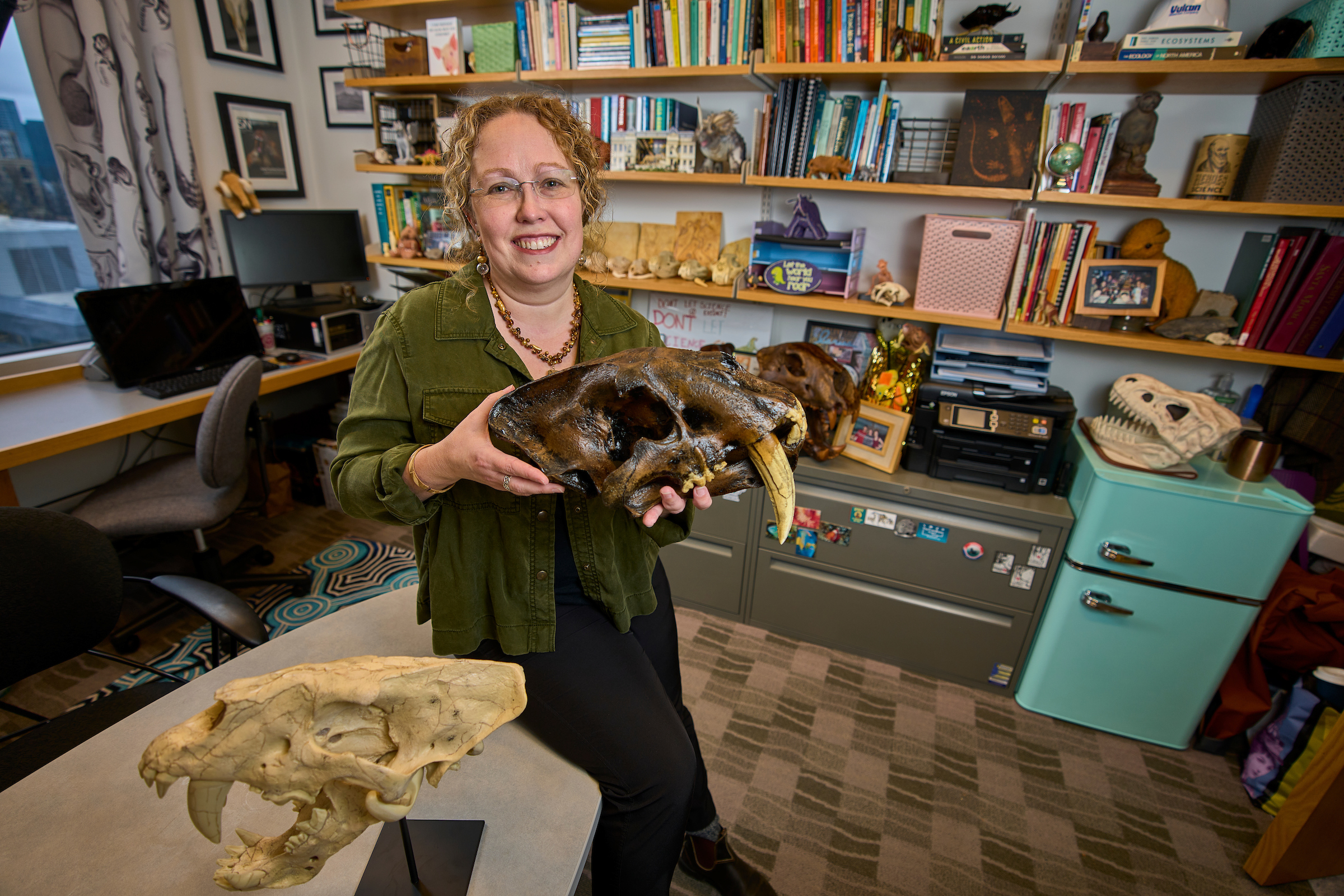
Larisa DeSantis: Looking back for the future
Our past has something to say. 2025 Guggenheim Fellow Larisa DeSantis is ready to translate. Read MoreMay 18, 2025
-

Vanderbilt names spring 2024 Seeding Success Grant awards
Thirteen innovative projects across seven colleges and schools have been selected for the spring 2024 round of Seeding Success internal grants. The Office of the Vice Provost for Research and Innovation announced the recipient list on May 31. Read MoreJun 25, 2024
-
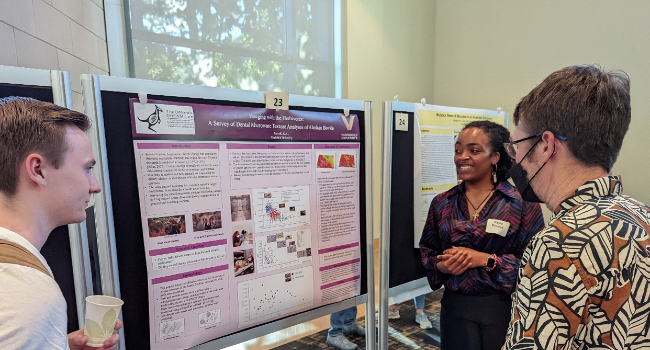
Provost announces new initiative to enhance faculty support for Immersion Vanderbilt
A pilot funding initiative will support faculty as they mentor students on Immersion Vanderbilt, a feature of Discovery Vanderbilt's emphasis on research and creation across the university. Read MoreOct 31, 2022
-

Nine faculty named 2021 Chancellor Faculty Fellows
Nine outstanding faculty members from across the university have been selected for the 2021 cohort of Chancellor Faculty Fellows. This group is composed of highly accomplished, recently tenured faculty from a wide variety of disciplines and areas of expertise. Read MoreMay 12, 2021
-
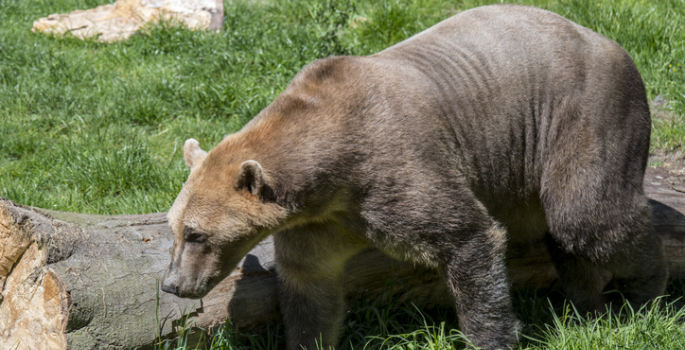
Vanderbilt researcher explains Pizzly bear hybrid species
Associate Professor of Biological Sciences Larisa DeSantis discusses pizzly bears (grizzy + polar bear hybrid species)! Read MoreApr 20, 2021
-
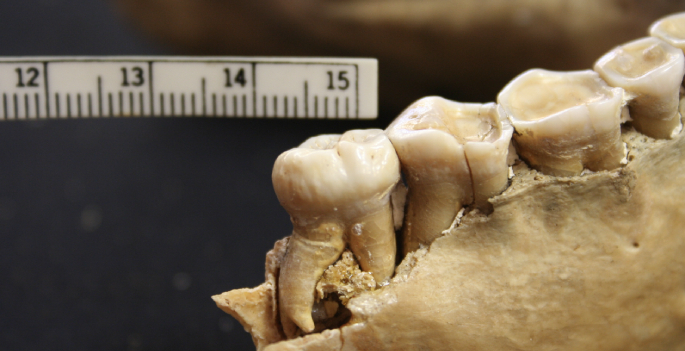
Analysis of ancient teeth reveal clues about how sociopolitical systems grow
Isotope analysis of ancient Peruvian teeth gives anthropologists a clearer image of how cooperating societies function. Read MoreDec 15, 2020
-
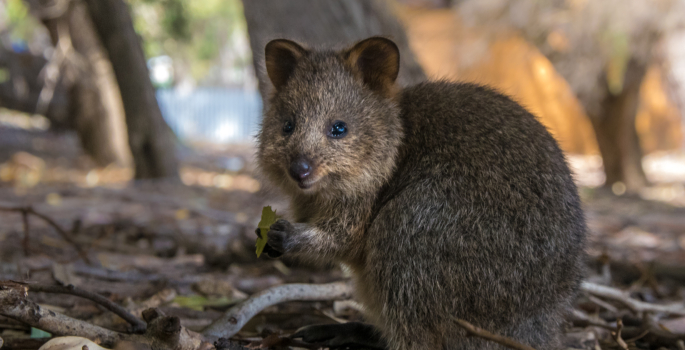
Where are the quokkas? New study explains what happened to the “happiest animal in the world”
The quokka, a small marsupial native to Australia, is an example of a species vulnerable to extinction in the country’s harsh surroundings. In a new study, researchers at Vanderbilt University demonstrate evidence for the dramatic decline of quokkas over the past century. Read MoreFeb 21, 2020
-
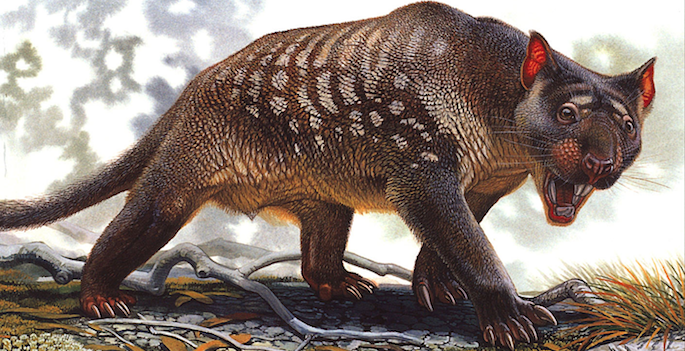
Climate change the likely killer of Australian marsupial lion
The extinction of one of Australia’s top predators, the marsupial lion, was likely a result of changing weather patterns and loss of habitat rather than human impacts, a study led by Vanderbilt University paleontologist Larisa DeSantis has found. Read MoreOct 19, 2018
-
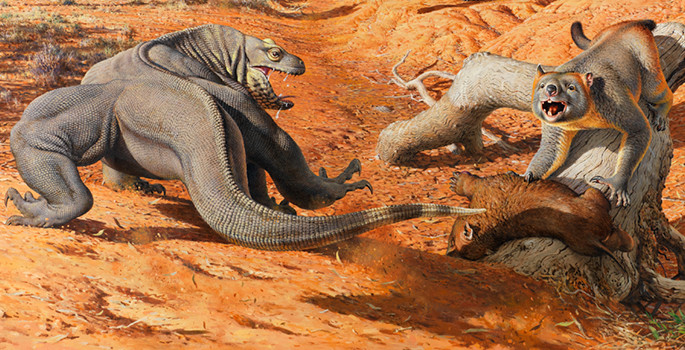
Climate change took away ancient animals’ food supply; holds implications for today’s wildlife
Analysis suggests that climate change had a significant impact on megafauna diets and was a primary factor in their extinction. Read MoreJun 2, 2017
-
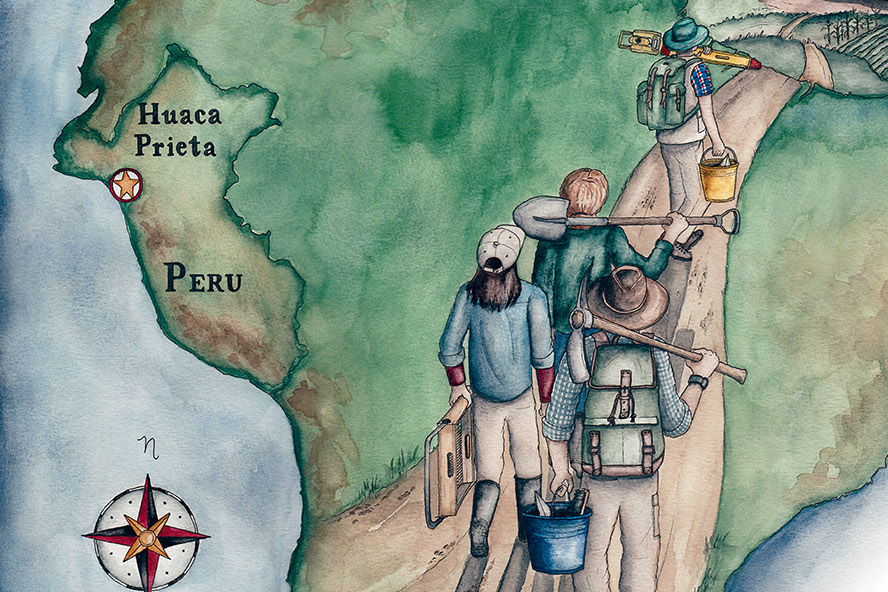
Dark Side of the Mound: Vanderbilt researchers unearth clues to a mysterious Peruvian archaeological site
ILLUSTRATION BY CANDACE ROSE RARDON About 7,500 years ago a construction project of almost unfathomable scope began taking shape along the Pacific coast of what is today northern Peru. Initially a low-lying ceremonial mound, it would become in 4,000 years’ time a monument of staggering size—100 feet tall,… Read MoreMay 29, 2017
-
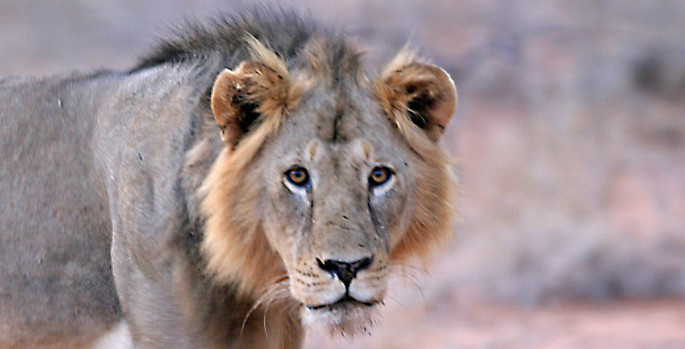
The tale teeth tell about the legendary man-eating lions of Tsavo
Analysis of the microscopic wear on the teeth of three man-eating lions reveals that painful dental disease may have been what drove the cats to hunt humans instead of larger prey. Read MoreApr 19, 2017
-
Climate change helped kill off super-sized Ice Age animals in Australia
A new study has compared the diet of a variety of Australian megafaunal herbivores from the period when they were widespread (350,000 to 570,000 years ago) to a period when they were in decline (30,000 to 40,000 years ago) by studying their fossil teeth. The analysis suggests that climate change had a significant impact on their diets and may well have been a primary factor in their extinction. Read MoreJan 26, 2017
-
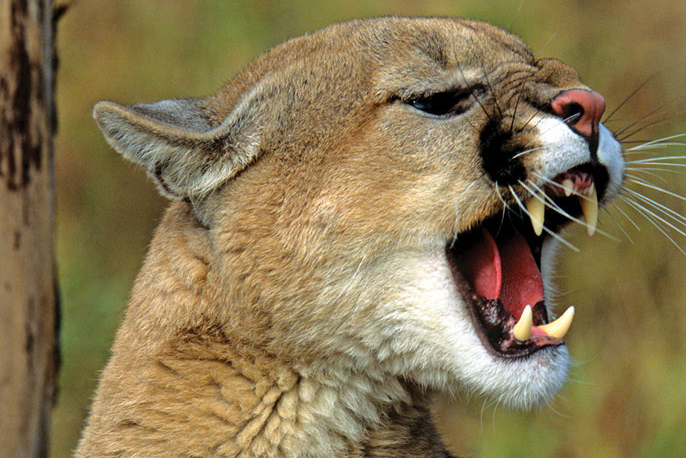
Research Roundup, Summer 2014
Private Property and Government Inaction | Probiotic Could Prevent Obesity | Freedom from Power Cords | Pickiness Doesn’t Always Pay Read MoreSep 26, 2014
-
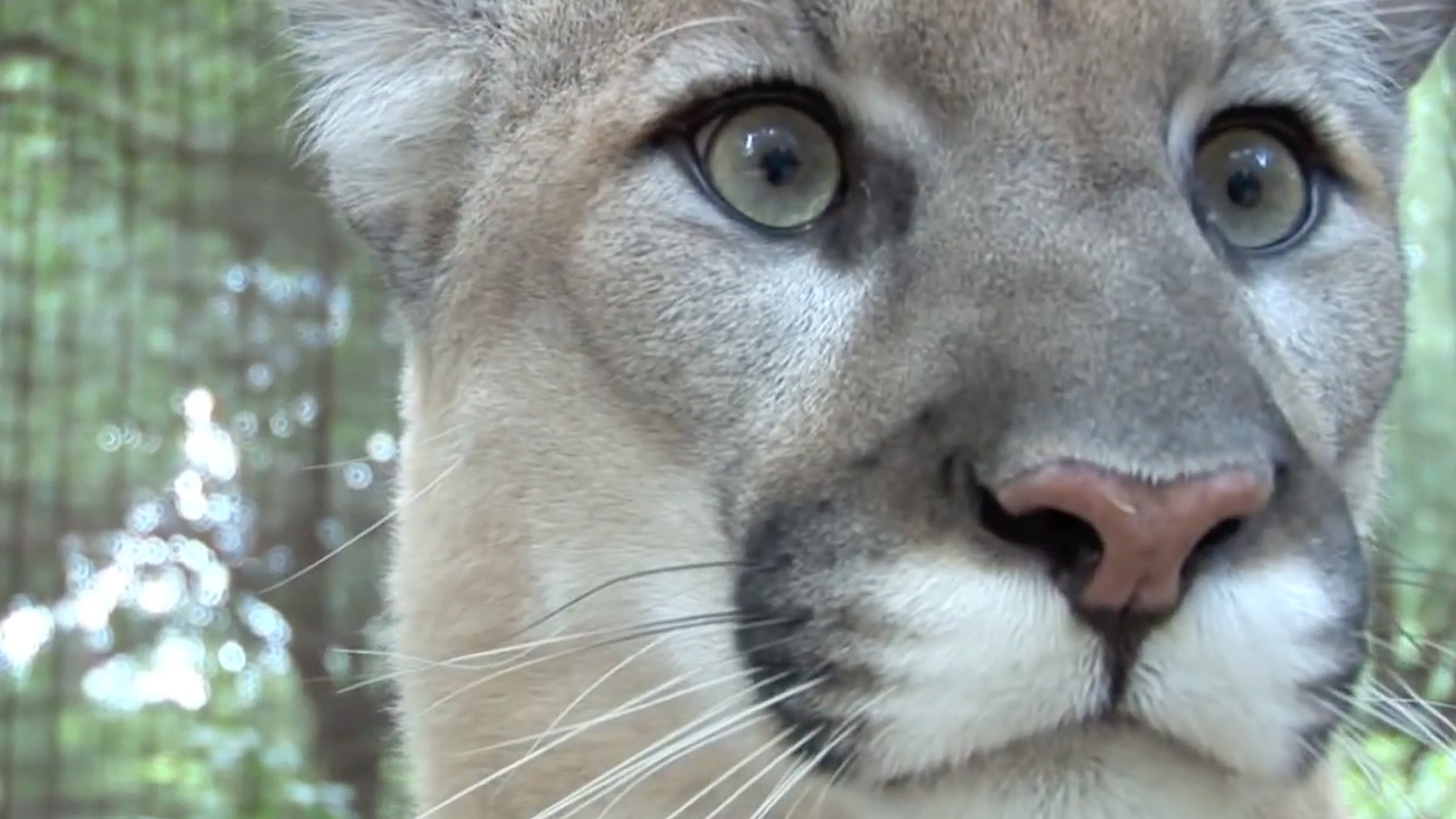
VUCast: Cougar Cravings
In the latest VUCast: See what cougars eat to help them avoid extinction; look inside Warren and Moore colleges, Vanderbilt’s newest living-learning community; and hear what Commodore football coaches are doing to create a winning team. Watch now! Read MoreJul 29, 2014
-
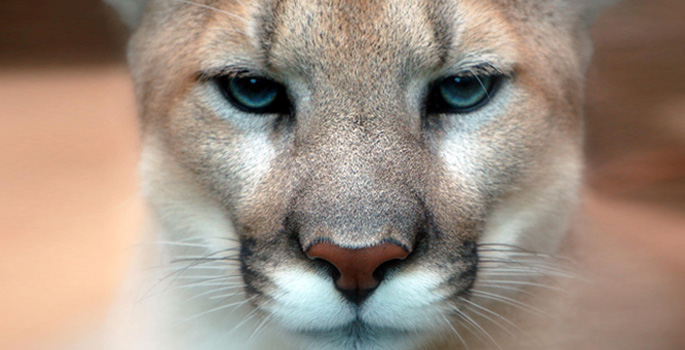
Cougars’ diverse diet helped them survive the mass extinction that wiped out the saber-tooth cat, American lion
Cougars may have survived a mass extinction that took place about 12,000 years ago because they were not particular about what they ate. Read MoreApr 22, 2014
-
Academic Minute: Larisa DeSantis on “Megafauna diets and extinction”
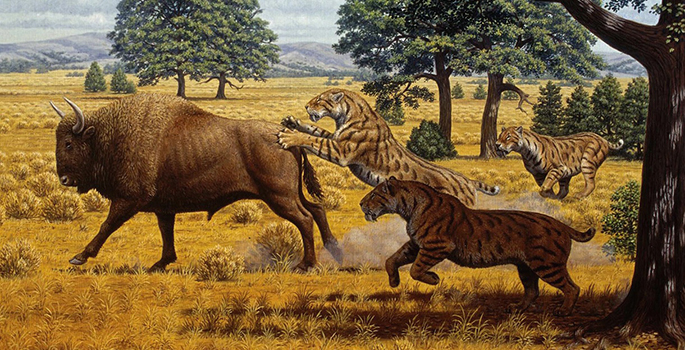
In today’s Academic Minute, Dr. Larisa DeSantis of Vanderbilt University reveals what North America’s largest predators were eating just before they died out. Read MoreFeb 18, 2013
-
Evidence shows starvation did not cause saber-tooth cat extinction
The latest study of the microscopic wear patterns on the teeth of the American lions and saber-toothed cats that roamed North America in the late Pleistocene found that they were living well off the fat of the land in the period just before they went extinct. Read MoreDec 26, 2012
-
Diversity aided mammals’ survival over deep time
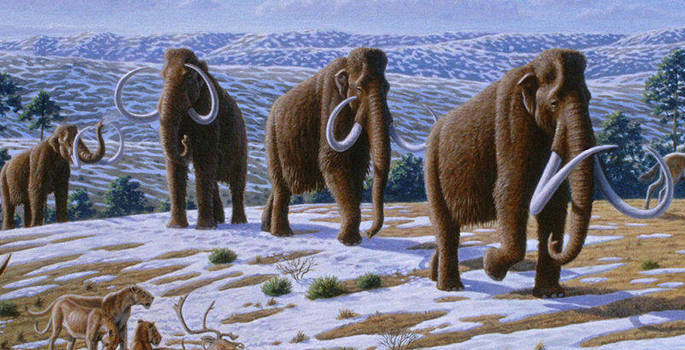
The first study of how mammals in North America adapted to climate change in “deep time” found that taxonomical families with greater diversity were more stable and maintained larger ranges than less diverse families. Read MoreApr 23, 2012