Kenneth Catania
-
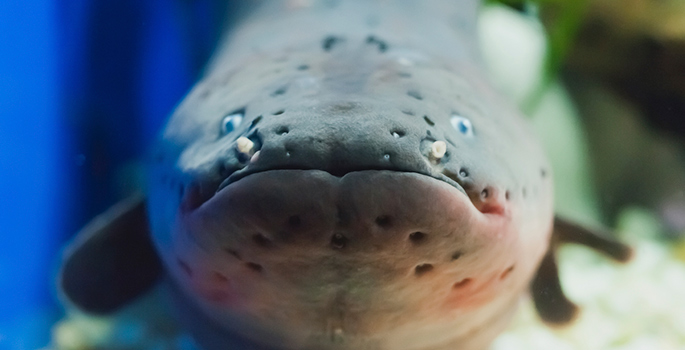
Electric eels make leaping attacks
Vanderbilt biologist Kenneth Catania has accidentally discovered that electric eels can make leaping attacks that dramatically increase the strength of the electric shocks they deliver. In doing so, Catania has confirmed a 200-year-old observation by famous 19th-century explorer and naturalist Alexander von Humboldt. Read MoreJun 6, 2016
-
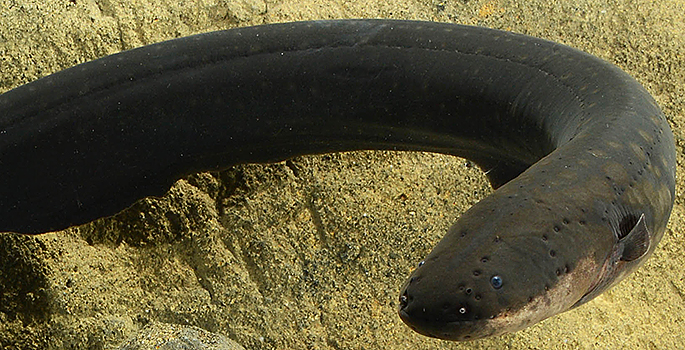
Electric eel: most remarkable predator in animal kingdom
Recent research by Vanderbilt University biologist Ken Catania of the electric eel has revealed that it is not primitive creature that it has been portrayed as. Instead, it has a sophisticated control of the electrical fields it generates that makes it one of the most remarkable predators in the animal kingdom. Read MoreOct 28, 2015
-
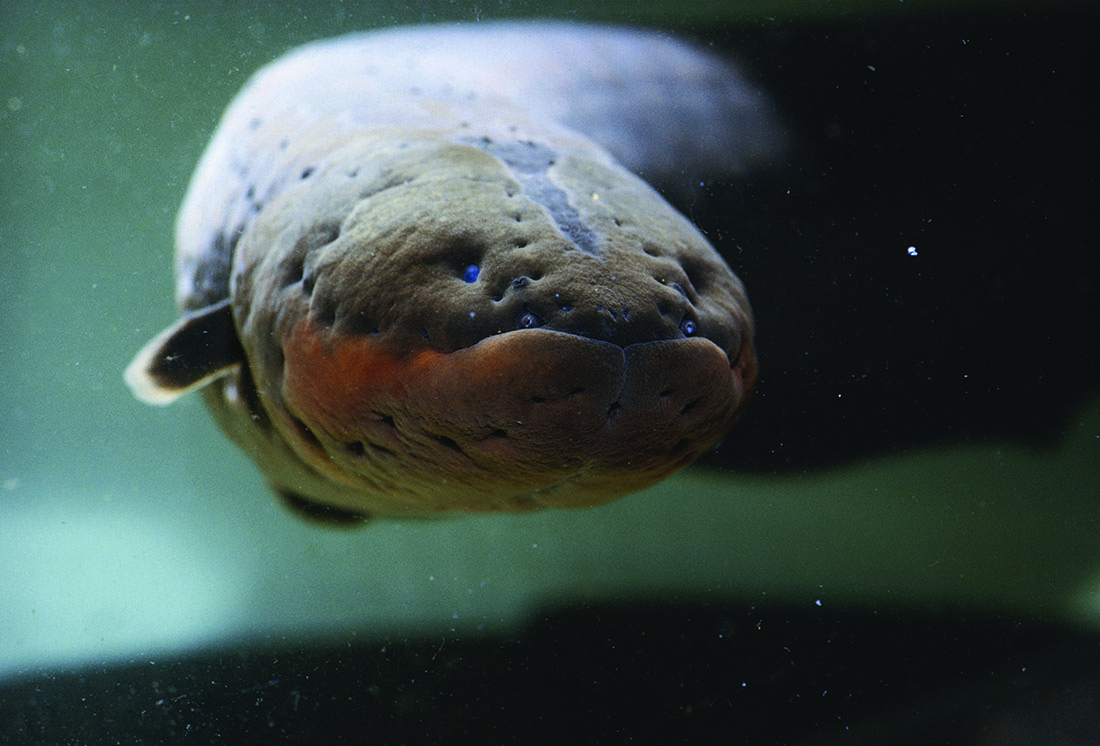
Predatory Eels Deliver Taser-Like Jolts
The electric eel—the scaleless Amazonian fish that can deliver a jolt strong enough to knock down a horse—possesses an electroshock system uncannily similar to a Taser. Read MoreMar 23, 2015
-
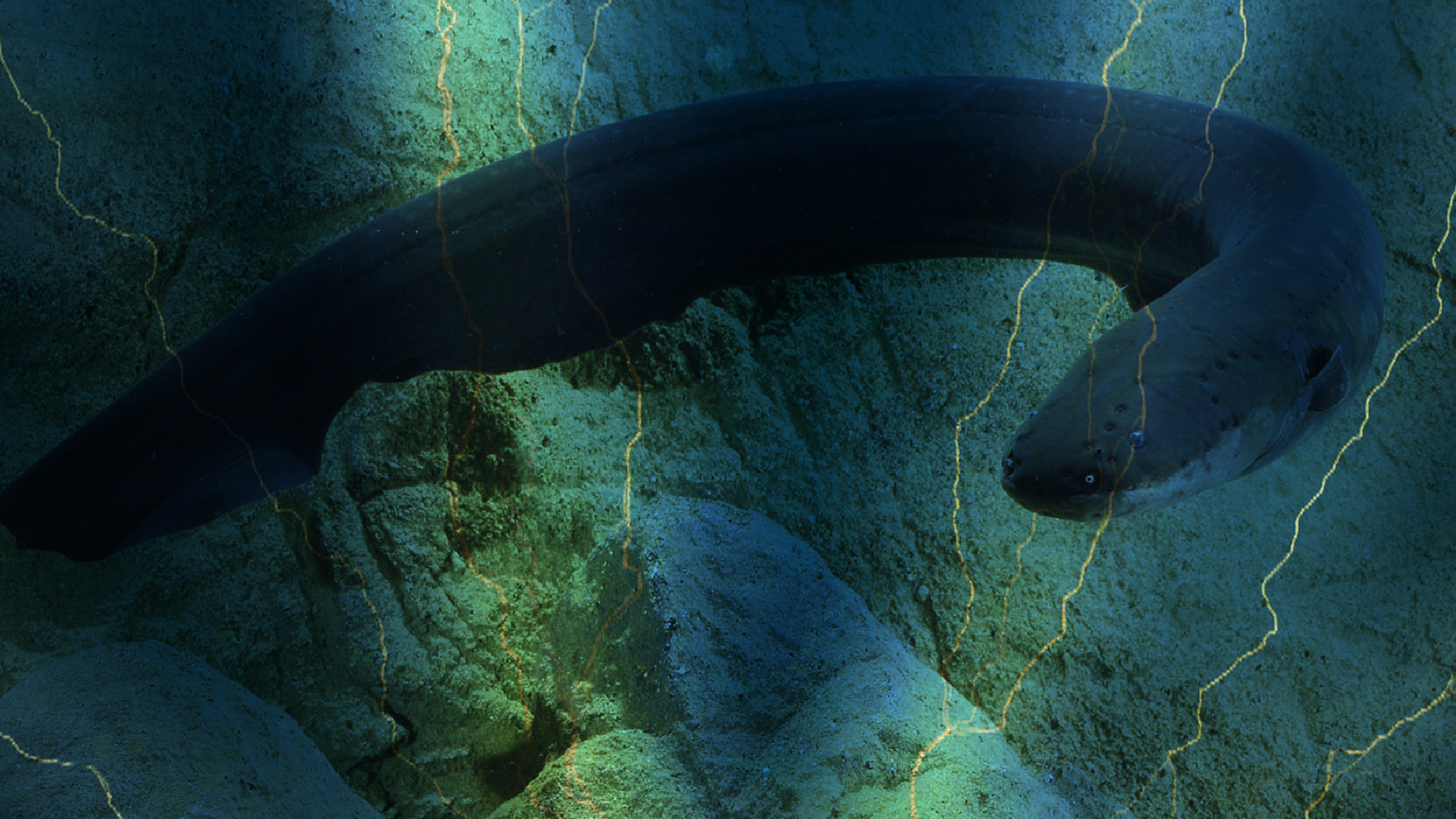
VUCast: Shocking Eels!
In the latest VUCast: Watch how some shocking predators lure their prey; learn how a supercomputer uncovered a hummingbird mystery; and see Vanderbilt's national baseball champs celebrate the holidays. Watch now! Read MoreDec 11, 2014
-
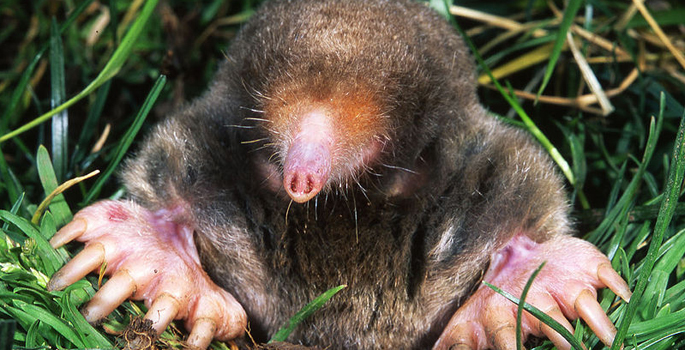
Evidence moles can smell in stereo
Neuroscientist Kenneth Catania has resolved a long-standing scientific debate by showing that the common mole can smell in stereo. Read MoreFeb 5, 2013
-

Vanderbilt neuroscientist honored by National Academy of Sciences
Kenneth Catania, Stevenson Professor of Biological Sciences at Vanderbilt University, is one of 18 scientists who have been honored by the National Academy of Sciences for their outstanding scientific achievements in a wide range of fields spanning the physical, biological and social sciences. Read MoreJan 17, 2013
-
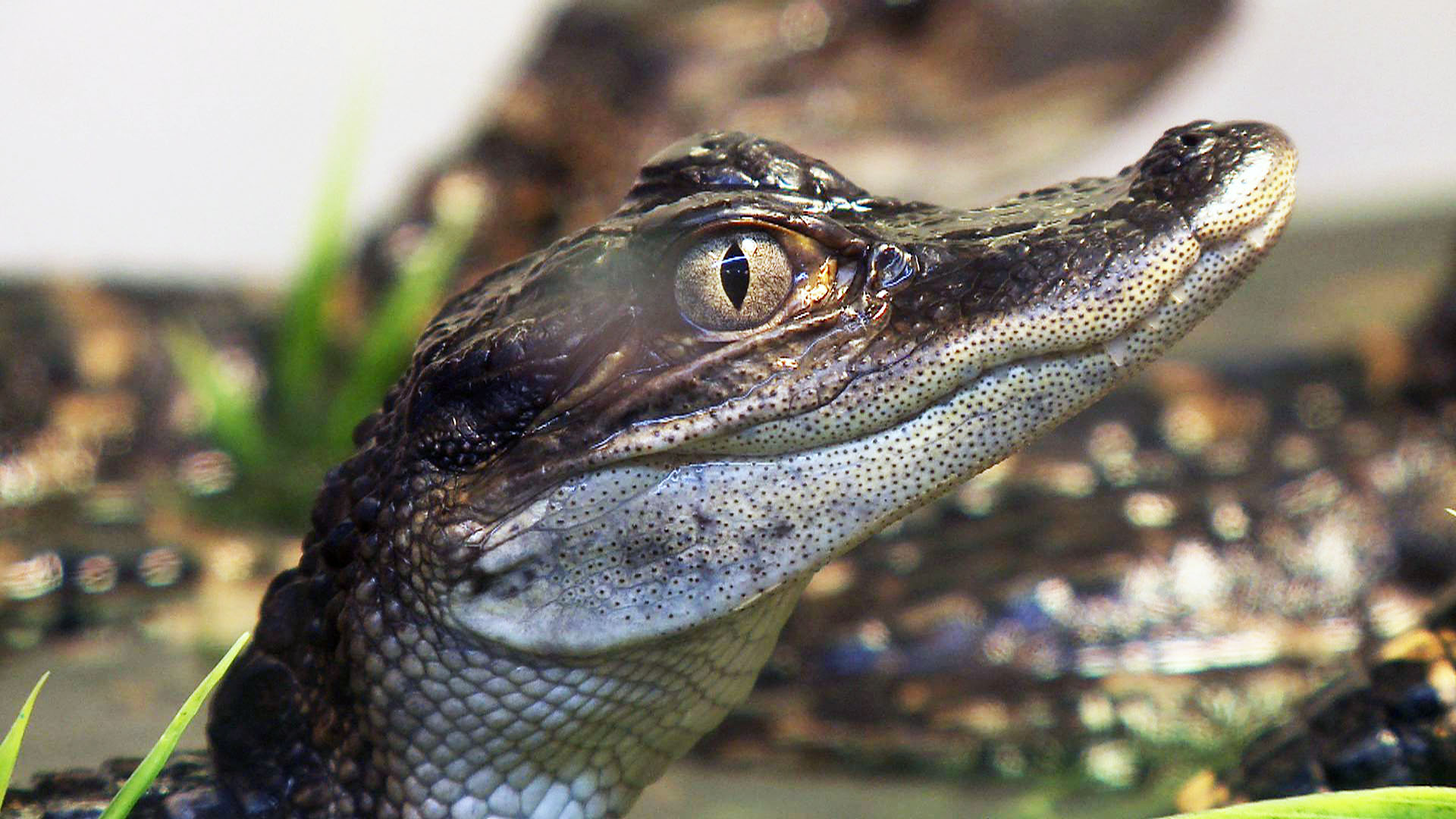
Vanderbilt researchers: Alligators and crocodiles possess acute sense of touch.
Crocodiles and alligators are notorious for their thick skin and well-armored bodies. So it comes as something of a surprise to learn that their sense of touch is one of the most acute in the animal kingdom. The crocodilian sense of touch is concentrated in a series of small, pigmented… Read MoreDec 18, 2012
-
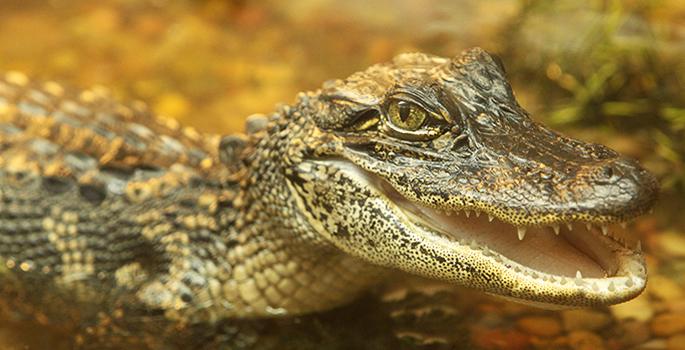
Despite their thick skins, alligators and crocodiles are surprisingly touchy
Researchers have discovered that alligators and crocodiles possess one of the most acute senses of touch in the animal kingdom. Read MoreNov 8, 2012
-

Worm grunting on NPR
Gary Revell shows some of the worms he has collected using worm grunting (Ken Catania) “What is worm grunting?” That is one of the questions that moderator Richard Sher asked panelists last weekend in a rerun of a pre-recorded edition of “Says You!” – the popular… Read MoreMar 11, 2011