Geoffrey Woodman
-
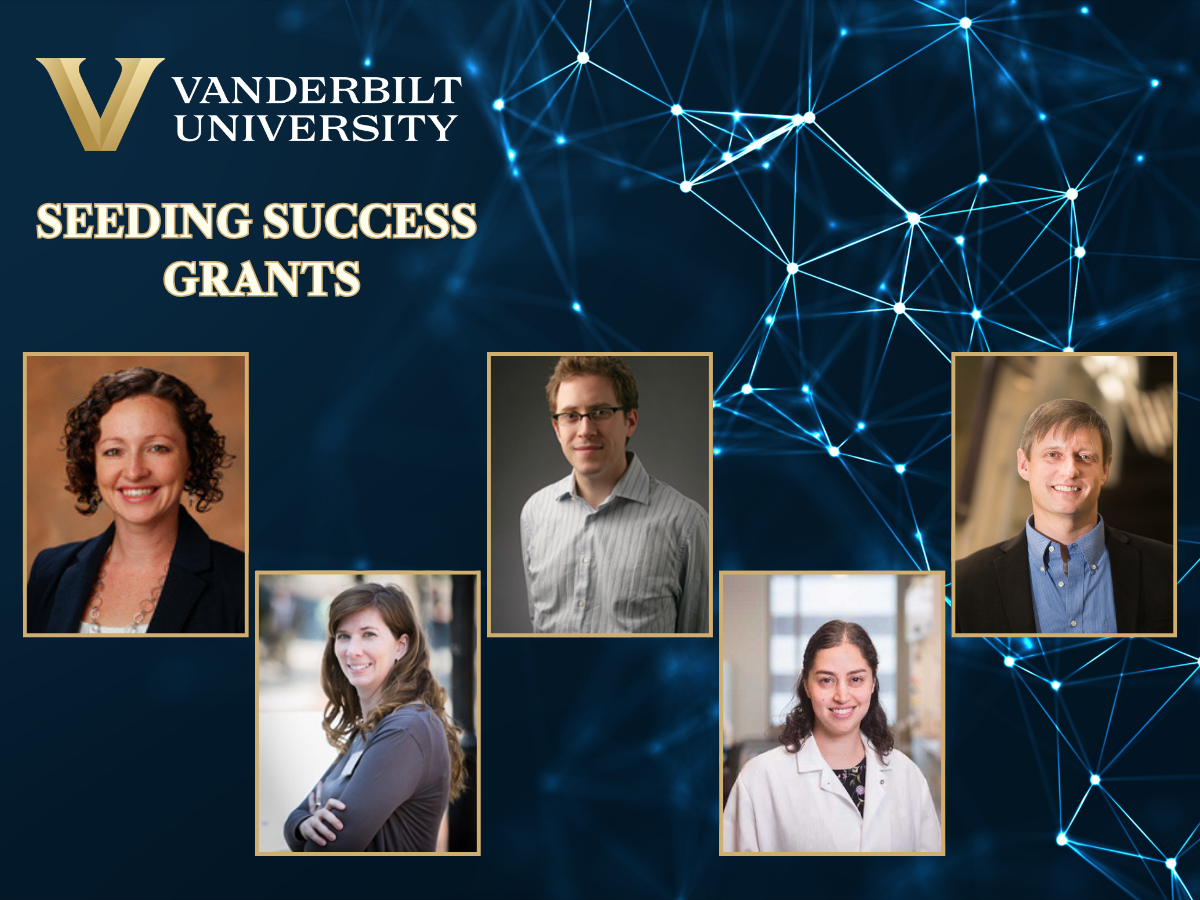
Seeding Success supports budding faculty research projects
Five Vanderbilt researchers have received Seeding Success grants for early-stage projects that have strong potential for external funding. The program, managed by Research Development and Support, reflects the university’s commitment to advancing high-impact research across disciplines. Read MoreJul 30, 2025
-
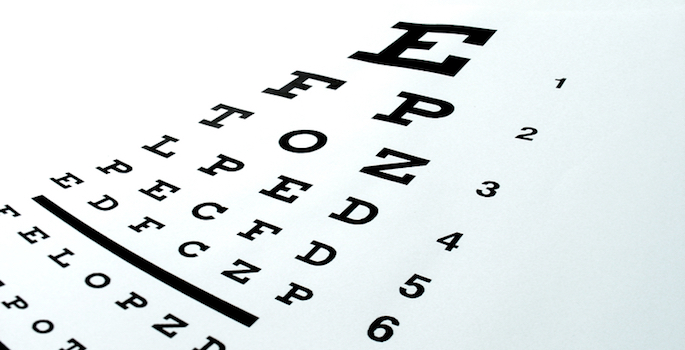
A little spark for sharper sight
Stimulating the brain with a mild electrical current can temporarily sharpen vision without glasses or contacts, Vanderbilt University researchers have found. (But please don't try this at home.) Read MoreJun 30, 2016
-

Electrical stimulation ‘tunes’ visual attention using long-term memory
Picking a needle out of a haystack might seem like the stuff of fairytales, but our brains can be electrically “tuned” to enable us to do a much better job of finding what we’re looking for. Read MoreJan 7, 2015
-
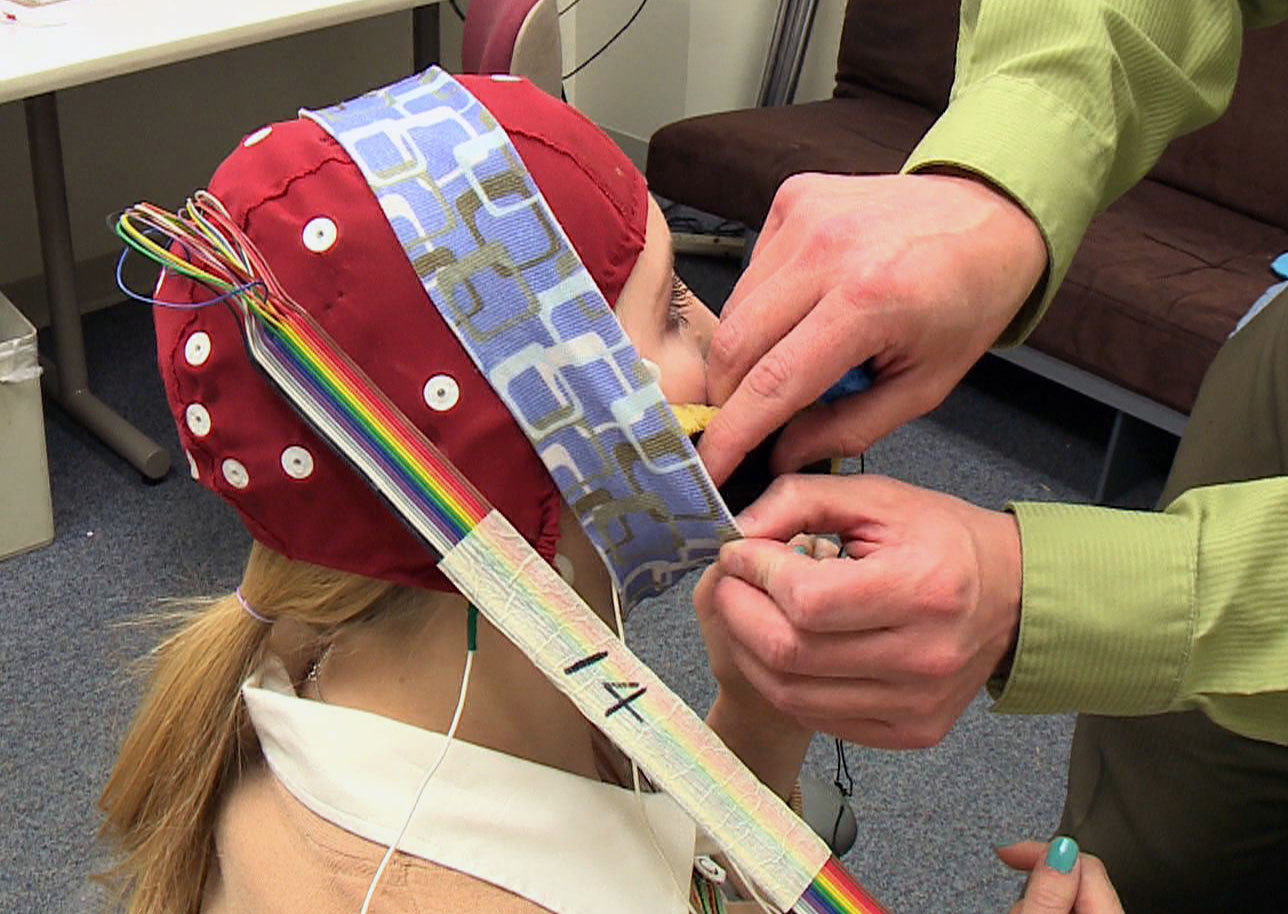
Electric “thinking cap” controls learning speed
In a new study published in the Journal of Neuroscience, Vanderbilt psychologists Robert Reinhart, a Ph.D. candidate, and Geoffrey Woodman, assistant professor of psychology, show that it is possible to selectively manipulate our ability to learn through the application of a mild electrical current to the brain, and that this… Read MoreApr 11, 2014
-

America the Beautiful: See an international student’s prize-winning video of the United States
In the latest VUCast: See how an international student is showcasing the United States in a beautiful way; discover how a "thinking cap" could help you learn; and watch a unique forest grow in just one weekend. All this and more in the latest VUCast, Vanderbilt's online newscast. Watch now. Read MoreApr 4, 2014
-

Electric “thinking cap” controls learning speed
Vanderbilt psychologists show it is possible to selectively manipulate our ability to learn through the application of a mild electrical current to the brain, and that this effect can be enhanced or depressed depending on the direction of the current. Read MoreMar 21, 2014
-

Memories may skew visual perception
New research from Vanderbilt University indicates images held in our working memory may skew perception of current events. (iStock) Taking a trip down memory lane while you are driving could land you in a roadside ditch, new research indicates. Vanderbilt University psychologists have found that our visual perception… Read MoreJul 19, 2011