Eye
-
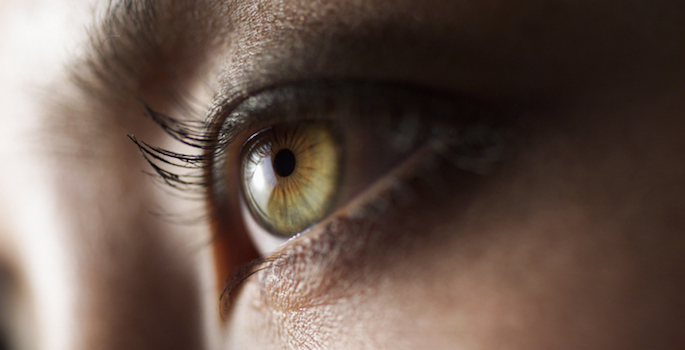
Genetic clues in eye birth defect
Sabine Fuhrmann and colleagues have discovered a novel underlying cause of coloboma — a birth defect that causes missing tissue in the eye and accounts for up to 10% of childhood blindness. Read MoreFeb 18, 2021
-
Vanderbilt expert offers eye care tips for windy spring days
For the past few months, most of the nation has donned hats, boots, scarves and gloves as they have faced brutally cold and icy conditions of winter. As temperatures rise, making outdoor activities more enticing, Vanderbilt ophthalmologists suggest not to be in such… Read MoreMar 22, 2016
-

In a zebrafish’s eye
Vanderbilt investigators demonstrate that a certain eye lens protein is evolutionarily conserved between zebrafish and rat, suggesting that zebrafish can be used as a model system to understand eye lens disorders such as cataracts. Read MoreJul 29, 2015
-
Keeping an eye on blast trauma
Understanding the cellular and molecular responses of the eye to blast injury could guide new treatment development. Read MoreAug 19, 2014
-
Vanderbilt ophthalmologist offers tips for healthy eyes in winter
Cold weather can be rough on skin, drying it out and making it itchy and uncomfortable, but winter can also be harsh on another part of body—the eyes. During the winter months, the air outside and indoors is typically dry. The lack of moisture can… Read MoreJan 31, 2014
-

Eye disorder’s genetic risk factors come into focus
An international group of investigators has identified seven new genetic regions associated with age-related macular degeneration (AMD), a common cause of blindness in older individuals. Read MoreMar 7, 2013
-

Clear vision of protein interactions
Researchers identify protein partners that may keep the lens of the eye transparent – and free from cataracts. Read MoreAug 5, 2011
-

Identification of glaucoma gene brightens future for therapies
Researchers have identified a new candidate gene for the most common form of glaucoma, which runs in families. The findings offer novel insights into glaucoma pathology and could lead to targeted treatment strategies. Read MoreFeb 24, 2011
-

Aliquots – VUMC research highlights
RSV prefers stressed cells “Stress granules” – globs of proteins and RNAs – form inside cells in response to environmental stressors and are thought to regulate protein production. Several viruses induce stress granule formation, but the function of these structures during virus replication is not well understood. James Crowe Jr.,… Read MoreJan 6, 2011