Department Of Medicine
-

Study shows healthy diet is associated with diverse and health-promoting microbiome
Scientists are just beginning to understand the impact of diet on the gut microbiome and how this interaction affects human health, but baselines must first be established to yield answers. Read MoreJan 27, 2021
-

Mitochondrial stress and hypertension
Oxidative stress and toxic products called isolevuglandins in mitochondria play a role in endothelial dysfunction and hypertension — and getting rid of them with a special “scavenger” molecule has therapeutic potential. Read MoreJan 12, 2021
-

Microbial RNA and rheumatoid arthritis
Small RNAs — short stretches of genetic material — from microbes may be playing a role in rheumatoid arthritis and other autoimmune diseases. Read MoreJan 11, 2021
-

Vitamin D activation and cancer risk
Vitamin D protection against colon cancer varies according to parathyroid hormone response, particularly among women. Read MoreJan 7, 2021
-
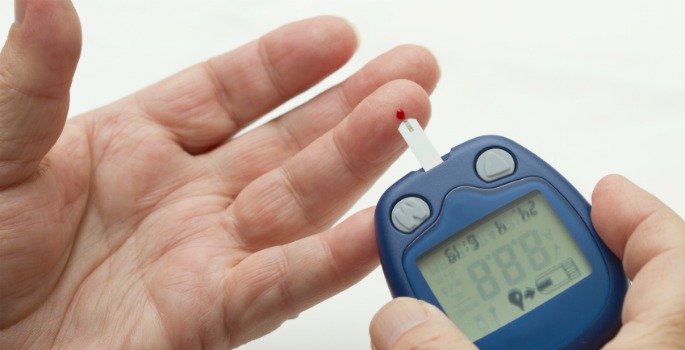
Study sheds light on diabetes and COVID interaction
COVID-19 has been linked to cases of new-onset diabetes, diabetes-related emergencies and a higher death rate among diabetes patients. Read MoreDec 10, 2020
-
Study details early events of inflammatory response
Vanderbilt University Medical Center investigators have identified a key molecular player in the early events of the inflammatory response to infection. The findings suggest new therapeutic possibilities for enhancing the inflammatory response to protect against pathogens and for blocking inflammation gone awry in diseases like arthritis and atherosclerosis. Read MoreDec 10, 2020
-

Hot spots identified for colorectal cancer mortality rates among young women
Women diagnosed with early-onset colorectal cancer have a greater risk of dying from the disease depending upon their county of residence, according to a study published in Clinical and Translational Gastroenterology. Read MoreNov 23, 2020
-

A cohort for type 2 diabetes studies
A study group of more than 600,000 patients with type 2 diabetes, identified from electronic medical records in the PCORnet national research network, could be valuable for assessing the safety of type 2 diabetes drugs. Read MoreNov 17, 2020
-
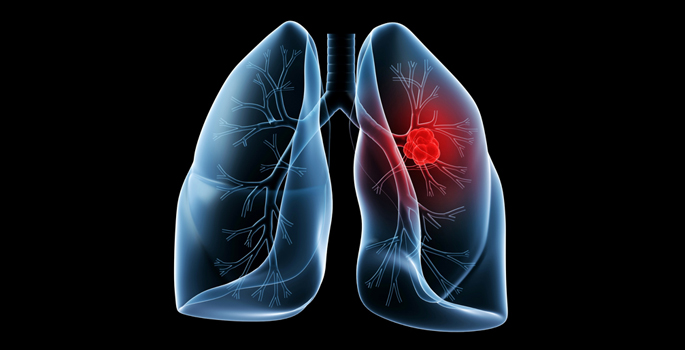
New therapeutic target for lung cancer
Vanderbilt researchers have identified a new molecular partner — and potential therapeutic target — in a signaling axis that drives lung cancer. Read MoreNov 12, 2020
-

Breast cancer treatment in older women
A new study from Vanderbilt epidemiologists suggests that it’s time to reconsider clinical practice guidelines for the treatment of early-stage breast cancer in older women. Read MoreNov 12, 2020
-
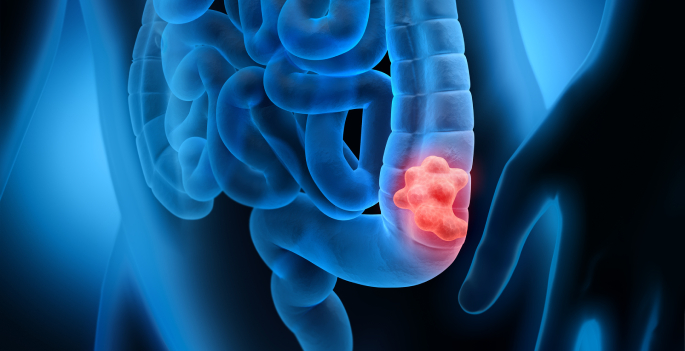
New markers of colorectal cancer risk
Vanderbilt epidemiologists identified new markers for colorectal cancer risk and characterized a previously unidentified tumor suppressor that regulates overall tumor volume in vivo. Read MoreOct 29, 2020
-
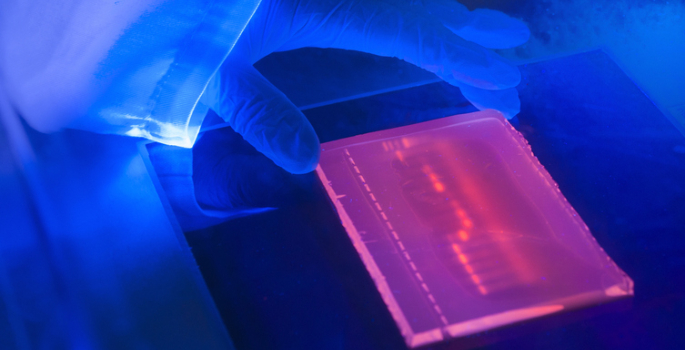
New tool to probe genetic mechanisms of disease
Vanderbilt Genetics Institute investigators have added a new method to the computational genetics toolbox. Their approach, described in the journal Nature Genetics, integrates vast genomics datasets to predict gene expression and facilitate discovery of genetic mechanisms underlying human diseases. Read MoreOct 22, 2020
-

Possible COVID-19 “decoy”
It might be possible to use vesicles carrying the receptor for SARS-CoV-2, the virus that causes COVID-19, to bind the virus and prevent infection. Read MoreOct 15, 2020
-
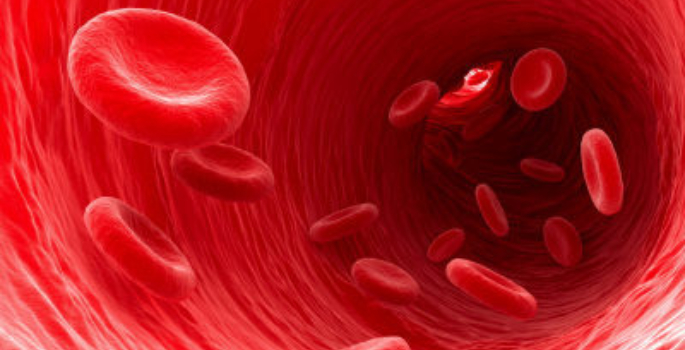
Brain blood vessel response to hypoxia
The brain’s response to low oxygen — growth and remodeling of blood vessels — involves certain cell types and molecular pathways, Vanderbilt researchers have discovered. Read MoreOct 15, 2020
-
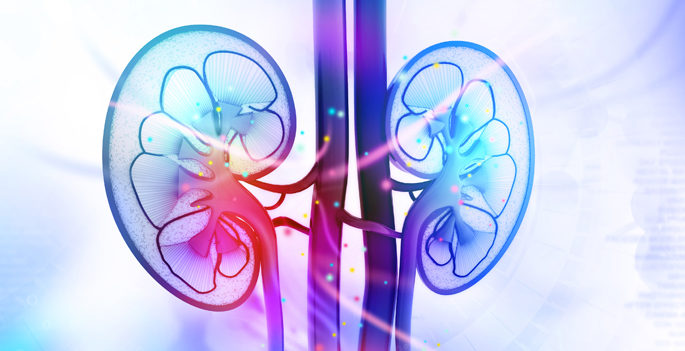
Clue to diabetic kidney disease
Vanderbilt researchers have identified a signaling pathway that promotes kidney fibrosis in patients with diabetes — and that could be targeted with an existing approved medication. Read MoreOct 5, 2020
-
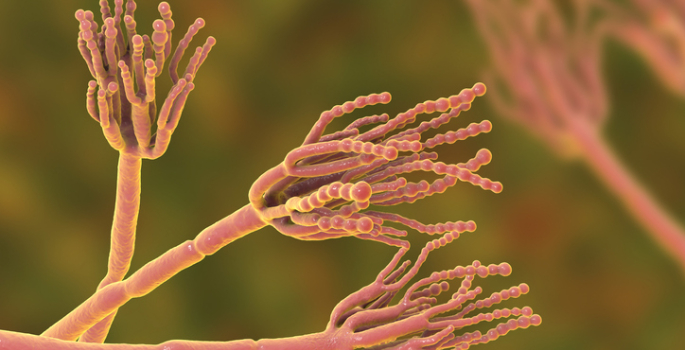
Genes spell penicillin allergy risk
Studies using large DNA biobanks revealed genetic variants associated with penicillin allergy, the most common type of drug-induced allergic reaction. Read MoreOct 1, 2020
-
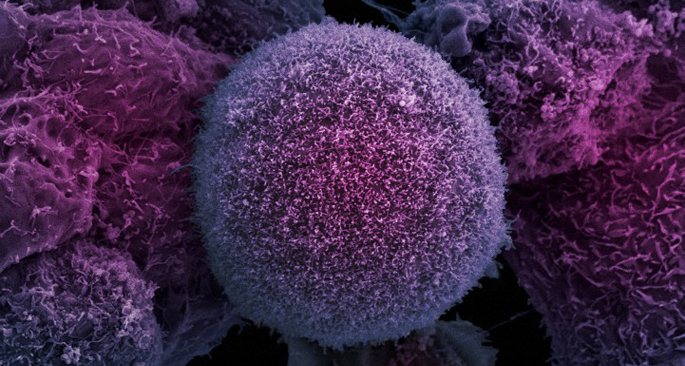
New predictors of prostate cancer risk
An international group of researchers including Vanderbilt epidemiologists has identified new DNA methylation biomarkers associated with prostate cancer risk. Read MoreSep 17, 2020
-

Award supports integration of genomic data, electronic health records
Eric Gamazon, PhD, assistant professor of Medicine, has been awarded a $1.5 million grant from the National Human Genome Research Institute, part of the National Institutes of Health (NIH), to develop novel computational tools that integrate functional genomic data and electronic health records. Read MoreSep 10, 2020
-
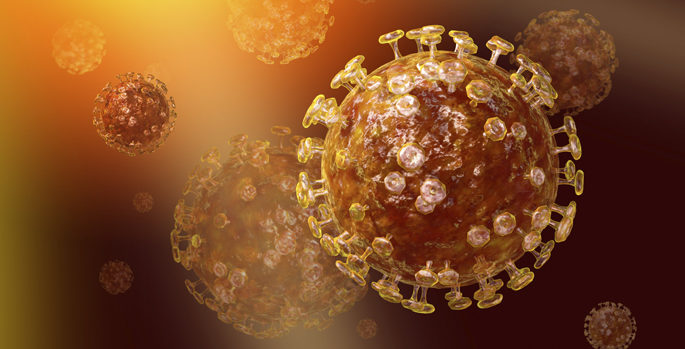
Possible key to COVID-19 infectivity
New findings demonstrate how genetic variations in the receptor that binds SARS-CoV-2 impact virus recognition and infectivity and offer insights to COVID-19 susceptibility and treatment. Read MoreSep 7, 2020
-
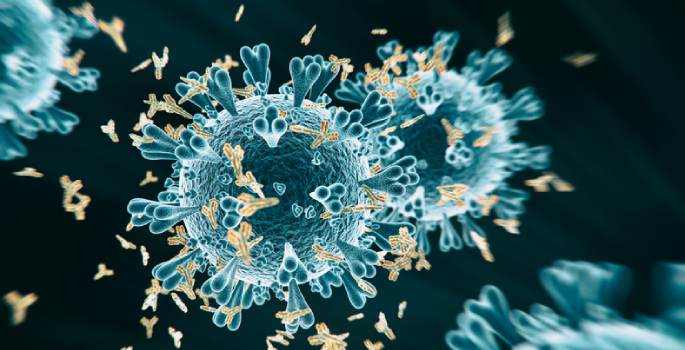
VUMC awarded $34 million to lead nationwide convalescent plasma study
Vanderbilt University Medical Center has been awarded a one-year, $34-million grant by the National Center for Advancing Translational Sciences, part of the National Institutes of Health, to conduct a nationwide study of “convalescent plasma” as a treatment for COVID-19. Read MoreAug 21, 2020