Department Of Chemistry
-
Framework for studying cell responses
Vanderbilt investigators have developed a framework for studying cellular responses that could be used to identify the agents driving a range of biological processes in health and disease. Read MoreAug 26, 2015
-
Bridging the antibiotic gap
Vanderbilt researchers have discovered how certain molecules with antibiotic properties are synthesized, findings that could lead to new drugs that overcome the increased antibiotic resistance in bacteria. Read MoreAug 7, 2015
-
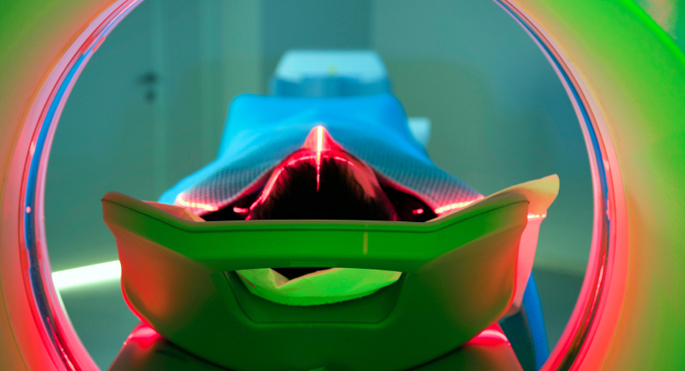
Lit up COX-2 cancer probe
A new imaging probe developed by Vanderbilt investigators enhances tumor visibility and has broad applications in diagnosing and monitoring patients with cancer. Read MoreJun 17, 2015
-
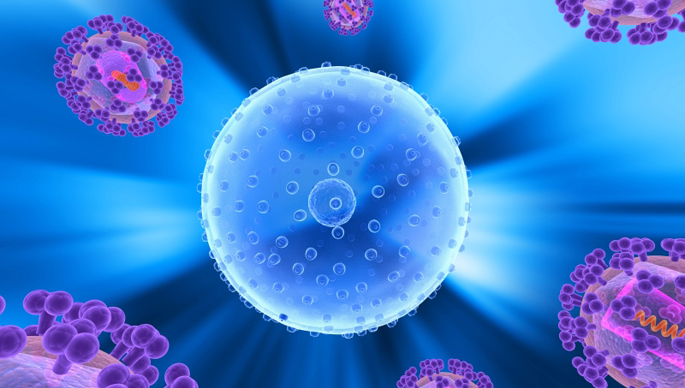
New strategy to combat HIV
Inhibitors of the enzyme phospholipase D1 suppress the replication of HIV-1, Vanderbilt investigators have discovered. Read MoreJun 12, 2015
-

Schizophrenia ‘switches’ discovered
Drugs developed at Vanderbilt could provide a new way to treat schizophrenia in a personalized way. Read MoreSep 12, 2014
-

Repair protein’s DNA recognition motif
Insights into the workings of DNA damage response proteins such as SMARCAL1 could suggest new ways to improve genome integrity and prevent cancer. Read MoreMay 23, 2014
-
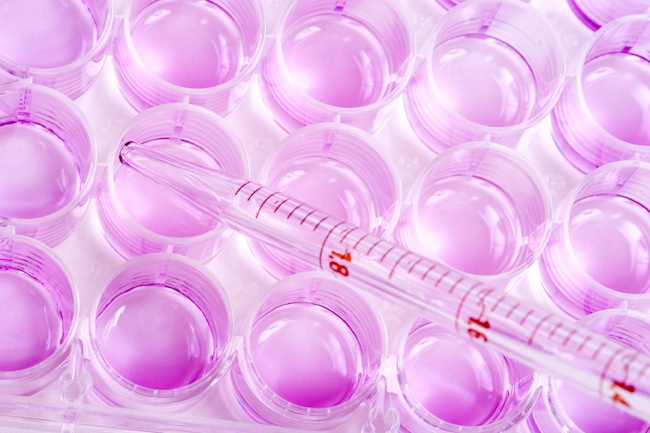
Small molecule protects kidney filter
A compound identified at Vanderbilt has therapeutic potential in protecting the kidney filter barrier. Read MoreMar 19, 2014
-

A new way to target cancer-driver Ras
Vanderbilt researchers have discovered small molecules that turn off cancerous Ras signals in a new way. Read MoreMar 13, 2014
-
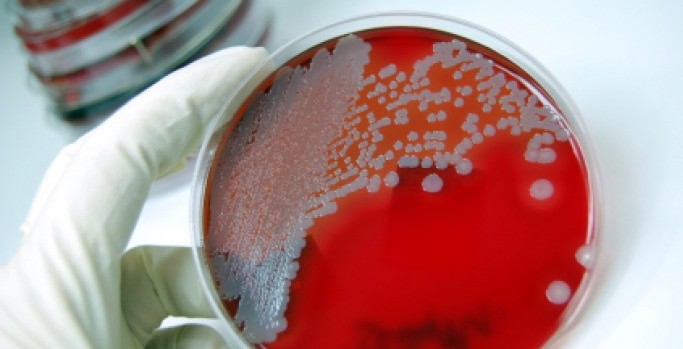
Dismantling staph’s drug resistance
Targeting the enzyme FosB could make antibiotic-resistant staph bacteria sensitive to the antibiotic fosfomycin. Read MoreMar 3, 2014
-

Antioxidants promising for rare disorder
The antioxidant vitamin E prevented the buildup of toxic products in a model of a rare genetic disorder, suggesting new strategies for therapeutic development. Read MoreFeb 6, 2014
-

Mapping brain membrane proteins
New mass spectrometry imaging methods will enable studies of the distribution and identification of membrane proteins directly within tissues. Read MoreSep 16, 2013
-
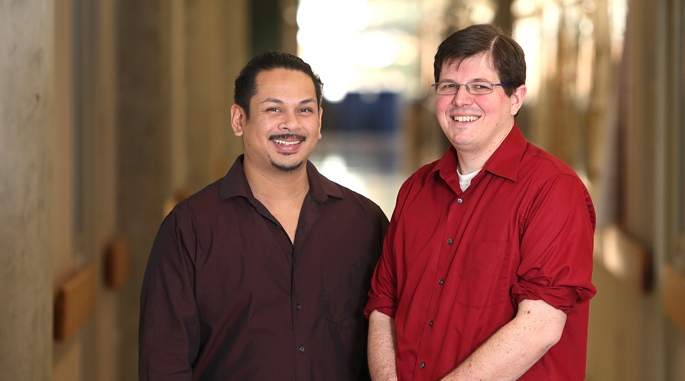
Antibacterial protein’s molecular workings revealed
Vanderbilt investigators report new insights to the workings of calprotectin, an immune system protein that “starves” bacterial pathogens of the metal nutrients they require. Read MoreFeb 21, 2013
-

Going underground in search of new drugs
Every few months, chemist Brian Bachmann sheds his white lab coat, collects his flashlight, helmet, surgical gloves and knotted rope, puts on old clothes and hiking boots and heads to a nearby cave. Bachmann, an assistant professor of chemistry at Vanderbilt, has combined his industrial experience in… Read MoreFeb 1, 2011