David Cortez
-

Martin Egli’s Kairos Lecture focused on RNA’s physical characteristics and how they influence its biological roles and disease
Martin Egli, the Richard N. Armstrong, Ph.D. Professor of Innovation in Biochemistry and a professor of biochemistry at the School of Medicine Basic Sciences, delivered a Kairos Lecture on May 28. Egli’s work, which has resulted in over 300 publications and two influential nucleic acid textbooks, has advanced strategies to stabilize RNA for therapeutic applications, including siRNA. He has received major honors and extensively served his department and the university. Read MoreJun 10, 2026
-
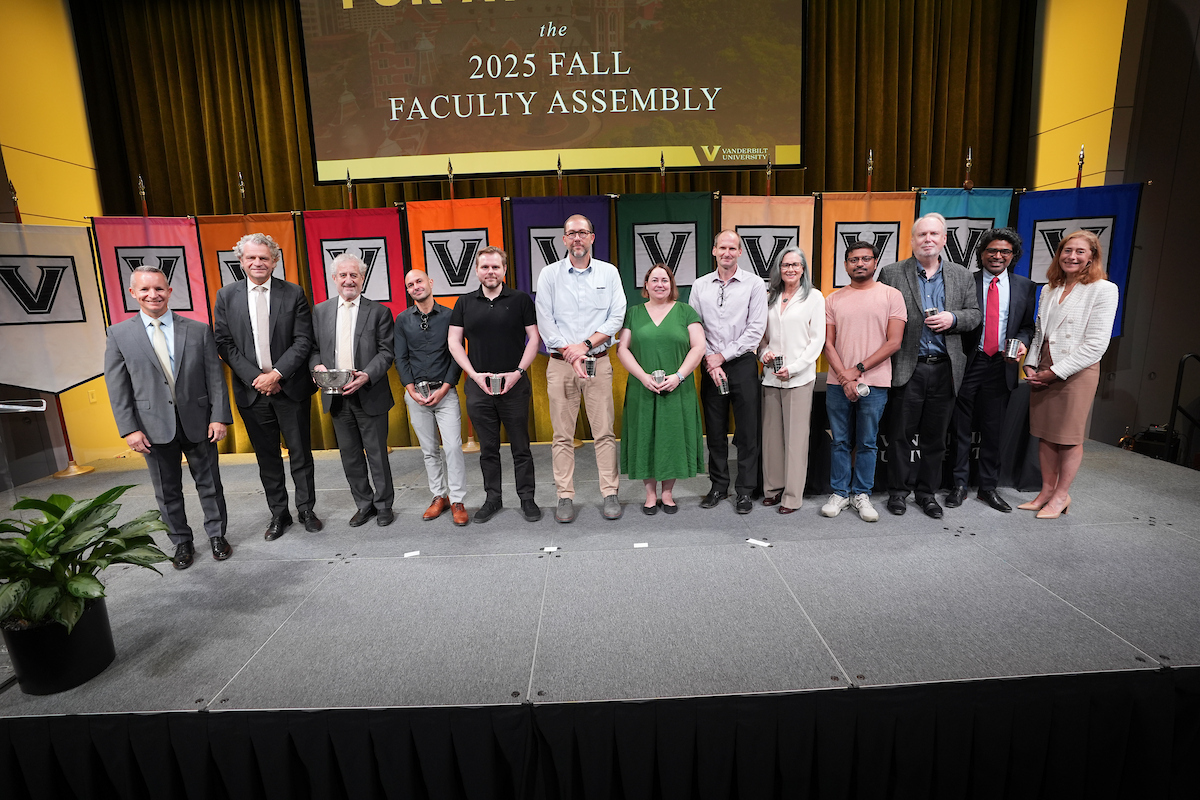
Fall faculty assembly reveals ‘Grow with Vanderbilt’ as guiding theme for academic year
Vanderbilt faculty filled the Student Life Center for the 2025 Fall Faculty Assembly on Aug. 28, listening as Chancellor Daniel Diermeier and Provost C. Cybele Raver lauded their achievements and dedication to students. Faculty Senate Chair Tyler Barrett opened this year’s assembly, encouraging the room to “Grow with Vanderbilt,” the faculty theme for the 2025–26 academic year. Read MoreSep 3, 2025
-
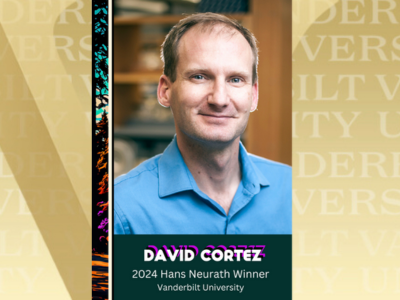
David Cortez wins Protein Society award for contributions to basic protein science
David Cortez, a world-renowned leader in DNA damage response and repair mechanisms and the pathophysiology of cancer, developed and applied highly creative technological approaches to identify and characterize proteins involved in DNA and genome maintenance. The Protein Society is the premier international society dedicated to supporting protein research. Read MoreApr 30, 2024
-
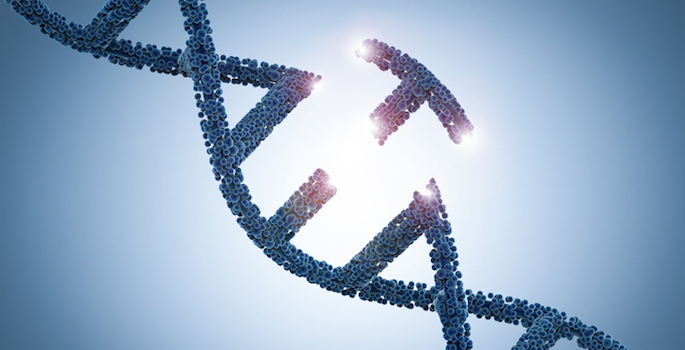
Probing DNA damage repair
After discovering a new mechanism for DNA damage repair last year, Vanderbilt biochemists now provide direct evidence for how it works. Read MoreJun 18, 2020
-
A catalog of DNA replication proteins
Vanderbilt scientists have identified 593 proteins that are enriched at sites of DNA duplication and chromatin packaging of newly synthesized DNA. Read MoreOct 3, 2019
-
Team’s study reveals details of new DNA repair pathway
Investigators have discovered how a DNA repair pathway protein shields sites of damage to avoid mutations and maintain genome integrity. Read MoreJul 25, 2019
-

Novel DNA repair mechanism preserves genome integrity: study
David Cortez and colleagues have discovered a new DNA repair mechanism. Read MoreFeb 28, 2019
-
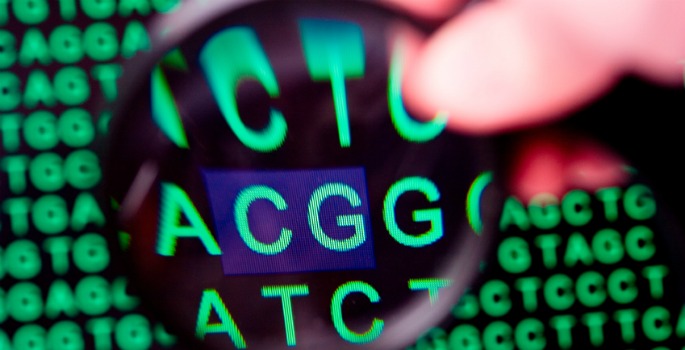
Genetic balancing act
David Cortez and colleagues have found that a protein called RADX helps modulate a protein called RAD51 in order to make sure exactly the correct amount of DNA repair occurs. Read MoreAug 9, 2018
-
Study identifies protein’s role in chemotherapy resistance
Researchers at Vanderbilt University Medical Center (VUMC) have discovered a protein that may lead to a new way to prevent resistance and improve outcomes for patients whose cancers have mutations in the tumor suppressor gene BRCA2. Read MoreJul 20, 2017
-
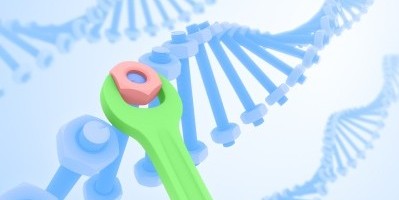
DNA damage response protein
Vanderbilt researchers have determined that a previously uncharacterized protein responds to DNA replication stress and has an essential role in maintaining the integrity of the genome. Read MoreOct 21, 2016
-
VICC investigators in spotlight at AACR conference
A top Vanderbilt-Ingram Cancer Center (VICC) investigator recently met with Vice President Joe Biden regarding the National Cancer Moonshot Initiative, a major national program to identify, fund and accelerate the most promising research leading to cancer cures. Read MoreMay 19, 2016
-
Mechanism of a DNA repair protein
Vanderbilt investigators have discovered details about the mechanism of an important DNA repair protein that maintains genome stability. Read MoreApr 15, 2016
-
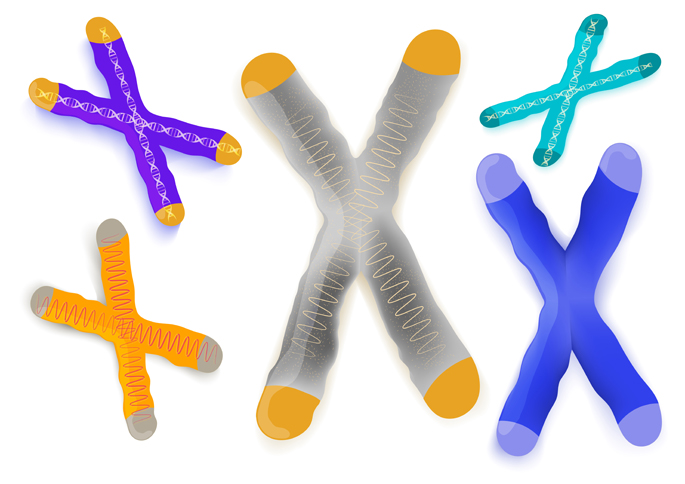
Copying chromosome caps
Telomeres – the caps on the end of chromosomes – are a source of stress for a particular protein involved in copying DNA, a new study reports. Read MoreJan 8, 2016
-
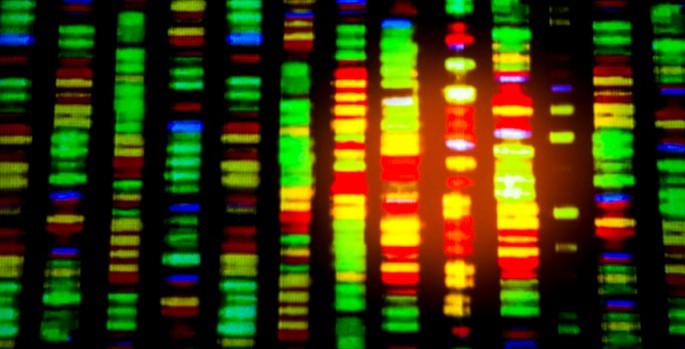
Study helps clarify components of DNA ‘copy machine’
Vanderbilt investigators have generated a “parts list” for the molecular machinery that duplicates DNA each time a cell divides. The research has implications for cancer therapies that target components of this machinery. Read MoreNov 12, 2015
-
Repair protein’s DNA recognition motif
Insights into the workings of DNA damage response proteins such as SMARCAL1 could suggest new ways to improve genome integrity and prevent cancer. Read MoreMay 23, 2014
-
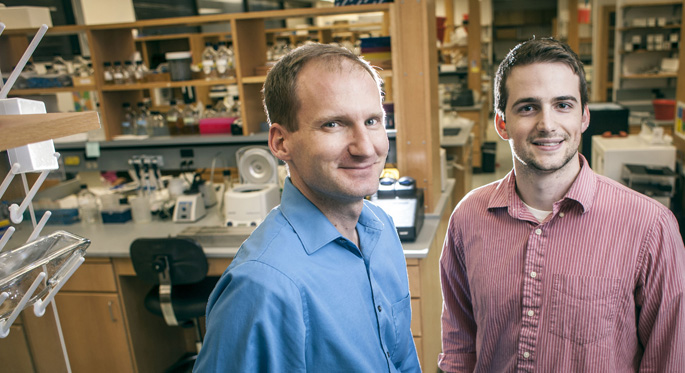
VU study sheds new light on DNA replication
David Cortez, Ph.D., and his Vanderbilt colleagues report new findings that shed light on fundamental processes involved in DNA replication and have implications for cancer therapies that target these processes. Read MoreNov 7, 2013
-
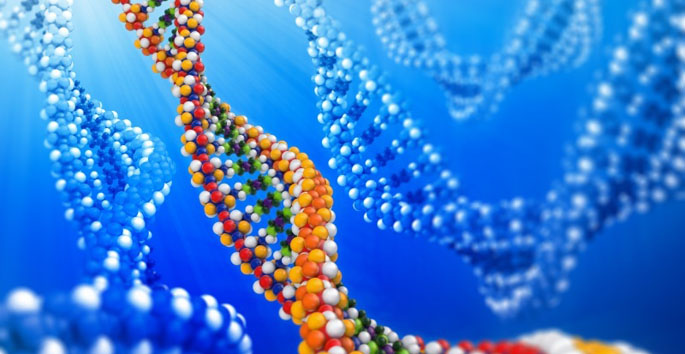
iPOND method goes fishing for proteins
A new tool will allow researchers to identify proteins involved in DNA replication and damage repair, processes that go awry in cancer. Read MoreMar 19, 2012