Danny Winder
-

BRET’s Annual Career Symposium showcases the many paths of biomedical science careers
For graduate students and postdoctoral fellows contemplating their next career steps, the possibilities can seem both exciting and overwhelming. The Vanderbilt University Office of Biomedical Research Education and Training’s 2026 Annual Career Symposium offered a roadmap to those possibilities, bringing together alums and professionals from across the biomedical enterprise to demonstrate the breadth of careers available to scientists beyond the traditional academic pathway. Read MoreJul 1, 2026
-

Vanderbilt launches AUD Research and Education Center with prestigious $8.9 million NIH grant
An $8.9 million grant from the NIH will establish the Vanderbilt AUD Research and Education Center, enhancing Vanderbilt University’s national leadership in neuroscience and addiction research. This initiative aims to foster interdisciplinary collaboration, advance understanding and treatment of alcohol use disorder, and engage the public through education and outreach efforts. Read MoreMar 21, 2024
-

Blocking stress-induced relapse
Danny Winder and colleagues are teasing apart the actions of neurotransmitter receptors in a brain region linked to anxiety and addiction, with a goal of finding treatments for substance use disorders. Read MoreApr 8, 2020
-

Modulating stress circuits
Danny Winder and colleagues have demonstrated how norepinephrine and a stress factor call CRF interact, which may lead to new treatments for stress-related disorders. Read MoreFeb 15, 2019
-

Mayor to speak at Center for Addiction Research science day
Nashville Mayor Megan Barry will speak during a “science day,” Tuesday, Oct. 17, at the Belcourt Theatre hosted by the Vanderbilt Center for Addiction Research (VCAR). Read MoreOct 5, 2017
-
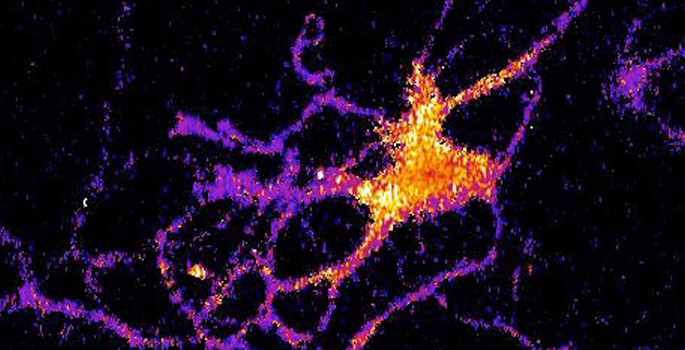
Bioluminescent sensor causes brain cells to glow in the dark
A team of Vanderbilt scientists have genetically modified luciferase, the enzyme that produces bioluminescence, so that it acts as an optical sensor that records activity in brain cells. Read MoreOct 27, 2016
-
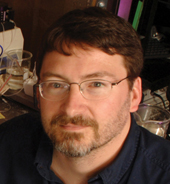
Award bolsters study of alcohol’s impact on the brain
Vanderbilt University researcher Danny Winder, Ph.D., has received a MERIT Award from the National Institute of Alcohol Abuse and Addiction (NIAAA), part of the National Institutes of Health, for his contributions to understanding how alcohol affects the brain. Read MoreJul 28, 2016
-

VUMC study may offer answers for treating depression in alcoholics
A study by researchers at Vanderbilt University Medical Center is offering a glimmer of hope to alcoholics who find it hard to remain sober because their abstinence is hounded by stubborn, difficult-to-treat depression. Read MoreFeb 1, 2016
-
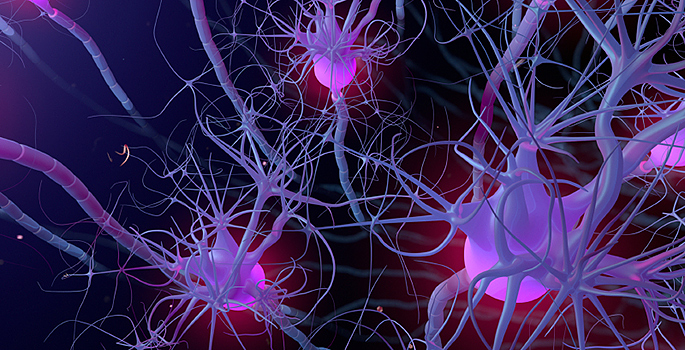
Optogenetics sheds new light on brain’s behavior modulators
A new light-based technology is allowing scientists to peer deep into the brain and alter animal behavior with the “flip of a switch.” Read MoreNov 6, 2014
-
Brain research foundation lauds VU’s Winder, Park
Vanderbilt University’s Danny Winder, Ph.D., professor of Molecular Physiology and Biophysics, is among 15 scientists nationwide to receive NARSAD Distinguished Investigator Grants this fall for their “cutting-edge” research. Read MoreDec 5, 2013
-
Winder named associate director of MSTP program
Danny Winder, Ph.D., professor of Molecular Physiology and Biophysics, has been appointed associate director of the Vanderbilt Medical Scientist Training Program (MSTP), which enables future leaders in academic medicine to earn both M.D. and Ph.D. degrees. Read MoreNov 21, 2013
-
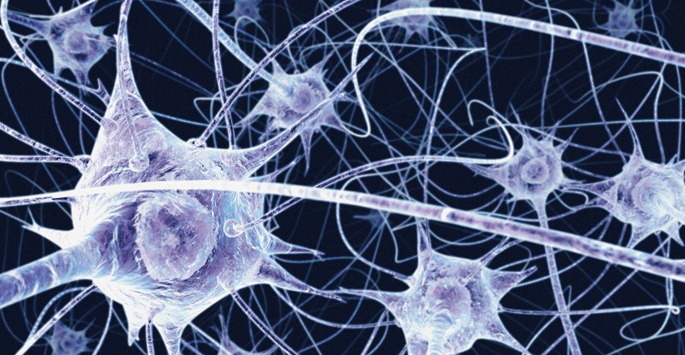
Novel push-pull action clue to brain disorders
Researchers at Vanderbilt University have discovered a new “push-pull” mechanism in the brain that one day could lead to new treatments for movement disorders such as Parkinson’s disease, as well as stress-related disorders and addiction. Read MoreMar 21, 2013
-

Academic Minute: The neurology of alcohol addiction
In this Academic Minute podcast, Danny Winder, associate professor of molecular physiology and biophysics, explains why the effects of alcohol can vary widely among individuals. Read MoreApr 17, 2012
-

Alcohol’s molecular mediators
Therapeutic agents focusing on the brain region involved in stress-induced relapse may be effective in preventing relapse in patients with alcohol use disorders. Read MoreJan 23, 2012
-

Stress circuitry key to drug relapse
Brain systems involved in the body’s stress response may drive drug relapse. Read MoreJul 22, 2011