Cholesterol
-
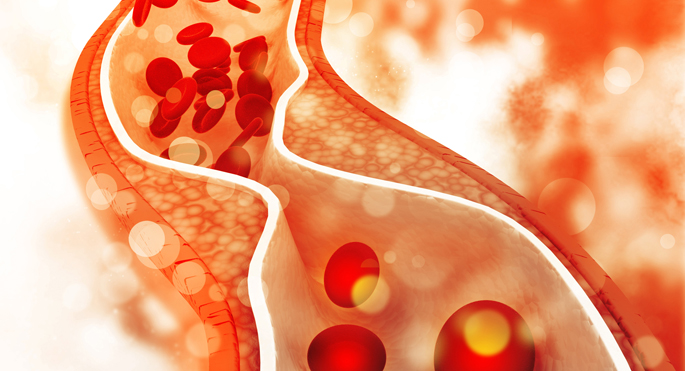
Study suggests new mechanism for lipid transporter
A new model suggests that a protein involved in the generation of high-density lipoprotein (HDL) works differently than previously thought. Read MoreSep 15, 2022
-
Probing statin-associated diseases with genetics
Vanderbilt researchers used genetics tools and biobanks with linked electronic health records to explore the associations between statins and noncardiovascular diseases. Read MoreJul 12, 2021
-
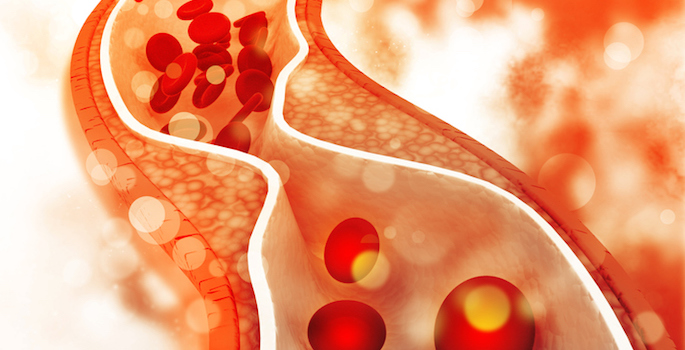
A new contributor to atherosclerosis
Sean Davies and colleagues are exploring lipid aldehydes produced during oxidative stress and their contribution to HDL dysfunction and atherosclerosis. Read MoreJan 27, 2020
-
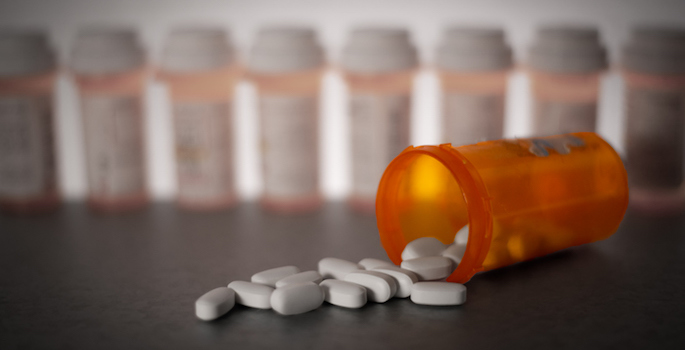
All-in-one pill helps reduce blood pressure, cholesterol
A single pill containing low doses of three medications to treat high blood pressure and one to lower cholesterol reduced the estimated risk of cardiovascular disease by 25%, according to a VUMC study. Read MoreSep 19, 2019
-
Scavengers “protect” HDL
Lipid molecules that bind to HDL can modify its function — and blocking that modification can protect HDL and potentially lower the risk of atherosclerosis and heart disease. Read MoreJun 29, 2018
-

Oxidative stress on the brain
Vanderbilt investigators have discovered that oxidative damage may play an important role in the development of a rare cholesterol synthesis disease and in the behavioral changes of autism spectrum disorders. Read MoreAug 23, 2017
-
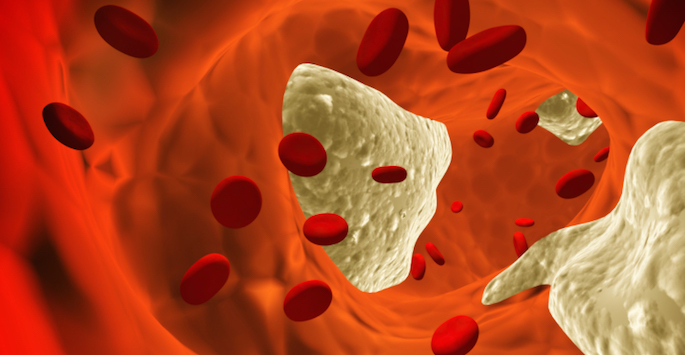
VU team explores new cholesterol processing pathway
A zebrafish model of a rare genetic disease has revealed an unexpected regulatory pathway for cholesterol absorption and processing. Read MoreApr 23, 2015
-
Kidney disease impacts HDL function
Chronic kidney disease impairs the protective functions of HDL, Vanderbilt researchers report this month. Read MoreFeb 11, 2015
-
Team spots key regulator for cholesterol production
A Vanderbilt University-led research team has discovered a “master regulator” for cholesterol production and transport in the liver — a tiny piece of RNA called microRNA-223. Read MoreOct 2, 2014
-
Major grant spurs deeper look into ‘good cholesterol’
In some cases, HDL, the "good cholesterol," may not function properly and may actually accelerate atherosclerosis. Read MoreAug 21, 2014
-
Antioxidants promising for rare disorder
The antioxidant vitamin E prevented the buildup of toxic products in a model of a rare genetic disorder, suggesting new strategies for therapeutic development. Read MoreFeb 6, 2014
-
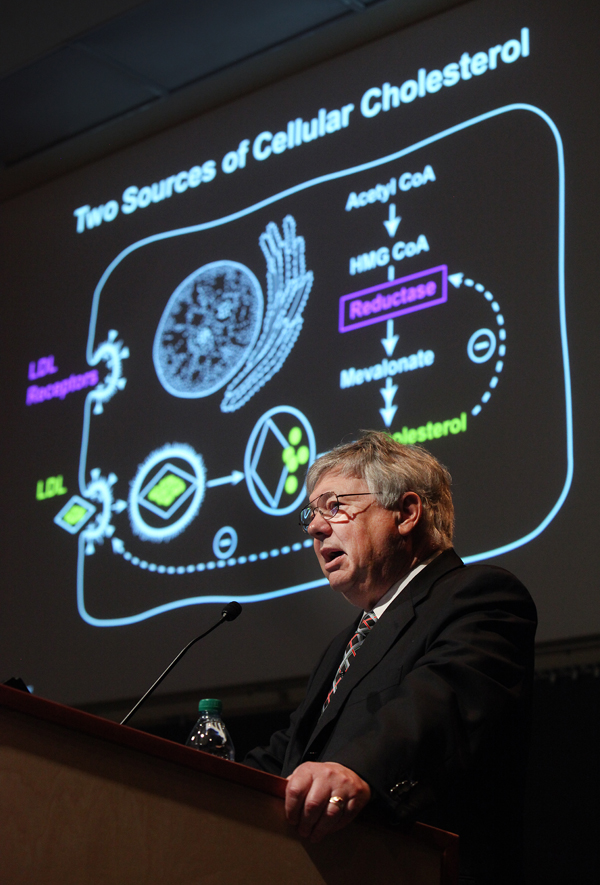
Nobel laureate describes decades-long pursuit of cholesterol regulation
Nobel laureate Michael Brown, M.D., describes his quest to understand cholesterol during the 2013 Earl W. Sutherland lecture. (Photo by Susan Urmy) Cholesterol is a tricky molecule to keep in balance. It’s a building block for the cell membrane and is required for cell growth and survival. Read MoreMay 2, 2013
-
HDL cholesterol impaired in kidney disease
HDL cholesterol is impaired in patients with chronic kidney disease – and may increase their cardiovascular disease risk. Read MoreJan 21, 2013
-
Genes, nutrients interact to shape traits
A new study identifies interactions between genes and nutrients that may participate in determining levels of cholesterol and triglycerides. Read MoreDec 12, 2012
-

Gene’s impact on ‘good’ cholesterol could affect heart disease risk
A genetic variant may help keep an individual’s “good” cholesterol in check. Read MoreJul 12, 2012
-
Alzheimer’s protein structure suggests new treatment directions
The molecular structure of a protein involved in Alzheimer’s disease – and the surprising discovery that it binds cholesterol – could lead to new therapeutics for the memory-robbing disease. Read MoreMay 31, 2012
-
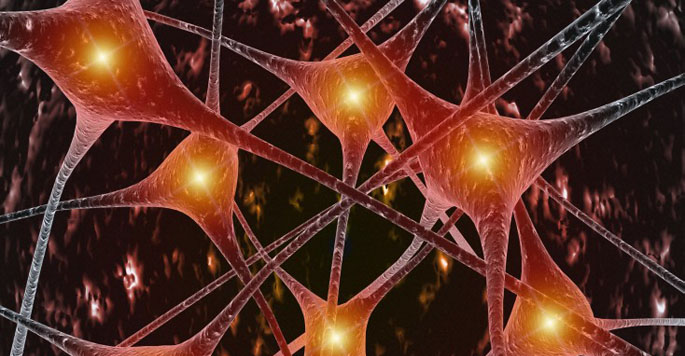
Neuronal clues to cholesterol-defect disorder
Antioxidants may be a beneficial treatment for an inherited genetic disorder. Read MoreApr 20, 2012
-
Obesity turns “good” cholesterol bad
Studies offer new insights into how obesity impairs the function of HDL, the “good” cholesterol. Read MoreMar 21, 2012
-
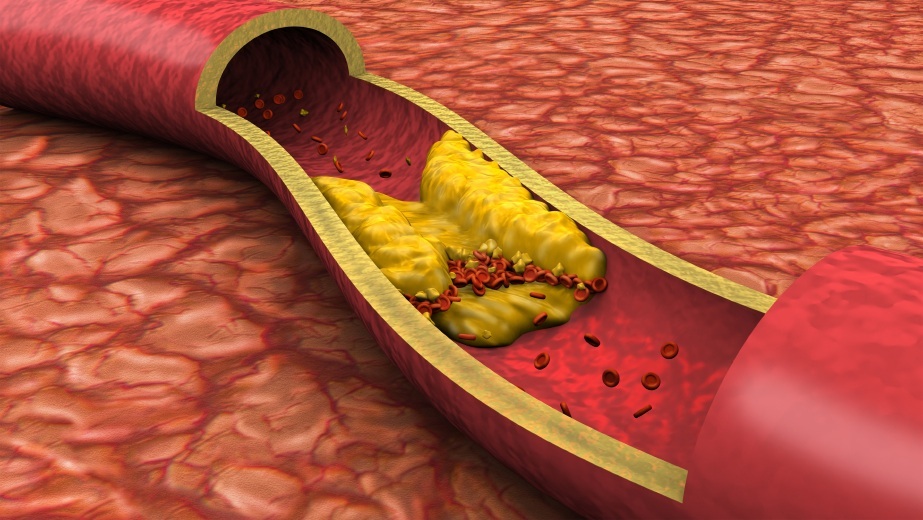
Move out, cholesterol
Compounds developed at Vanderbilt could offer a whole new way to treat atherosclerosis. Read MoreDec 8, 2011
-
Vanderbilt doctors to screen patients taking statins for genetic risk factors
Vanderbilt University Medical Center doctors announced today they will begin screening patients who take commonly prescribed statin drugs for a rare genetic variation that can increase risks for side effects from these drugs such as muscle aches, kidney damage and even death. Read MoreOct 28, 2011