Cancer
-
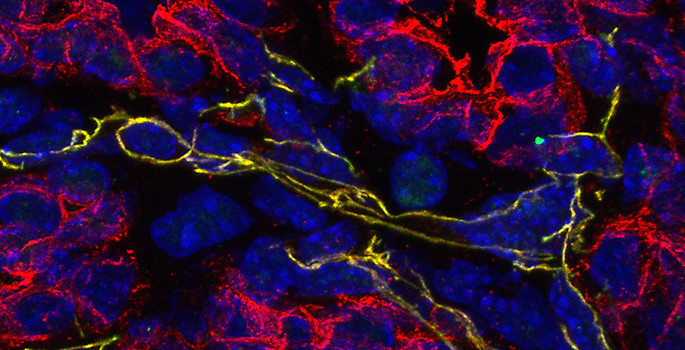
Softening tumor tissue could aid cancer treatments
Tumors cause the intracellular material surrounding them to stiffen. Softening this protective layer could make existing cancer treatments more effective, according to new research. Read MoreJan 16, 2017
-

Midgut neuroendocrine tumor prognosis
Vanderbilt investigators recommend that the presence of tumor deposits in the abdomen be included when staging midgut neuroendocrine tumors. Read MoreJan 6, 2017
-
Single-cell analysis of solid tumors
A new method will make it possible to study solid tumors and healthy tissues using mass cytometry. Read MoreDec 12, 2016
-

Protecting the blood-brain barrier
Vanderbilt investigators have discovered how a promising cancer immunotherapy causes brain swelling, findings that could lead to ways to protect brain function while fighting cancers. Read MoreDec 9, 2016
-
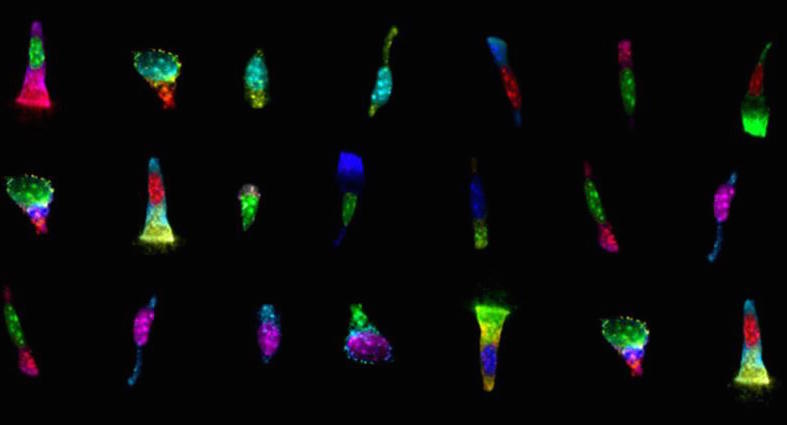
Single-cell study of tumor samples
A new method for analyzing cells in fixed biopsy tissues from patients by guide personalized treatment strategies for cancer. Read MoreOct 26, 2016
-

DNA damage response protein
Vanderbilt researchers have determined that a previously uncharacterized protein responds to DNA replication stress and has an essential role in maintaining the integrity of the genome. Read MoreOct 21, 2016
-
Restore T cells to fight leukemia
Modulation of T cell metabolism thus may represent a new therapeutic avenue for leukemia patients. Read MoreSep 14, 2016
-

In search of new cancer targets
Vanderbilt researchers developed a new algorithm to find clinically targetable gene rearrangements in cancers. Read MoreSep 9, 2016
-

Initiative set to raise funds for teen, young adult cancer care
Teen Cancer America and Monroe Carell Jr. Children’s Hospital at Vanderbilt this week announced the launch of a collaborative effort to raise $1 million to expand the Adolescent and Young Adult Cancer program in Nashville, Tennessee. Read MoreAug 4, 2016
-

Breast cancer: finding the smoking gun
A new method developed at Vanderbilt may help “inventory” all tumor-promoting genes. Read MoreJul 20, 2016
-

Superior scan for tumors
Imaging with a compound that binds to neuroendocrine cells is a safer and more effective way to detect rare neuroendocrine tumors. Read MoreJun 24, 2016
-
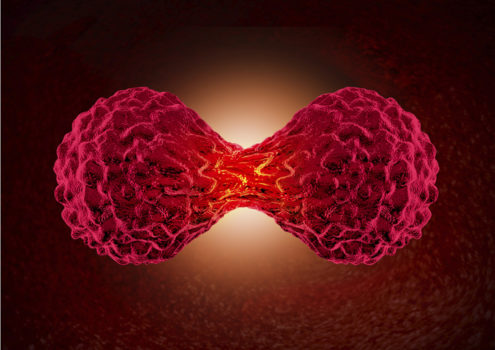
New software tracks cancer mutations, survival
A team at Vanderbilt University Medical Center (VUMC) has developed and tested software that scans electronic health records in real time to monitor cancer patient survival (from time of diagnosis) according to which genes, if any, are found to carry mutations. Read MoreJun 2, 2016
-

Drug combos for glioblastoma
Vanderbilt researchers have discovered that activation of a certain signaling pathway protects brain cancers from targeted therapies, suggesting that using therapeutics that block both pathways may be a promising treatment. Read MoreMay 3, 2016
-
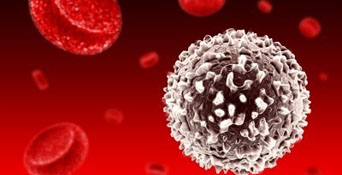
Improving natural killer cancer therapy
A newly discovered mechanism that helps cancer cells avoid destruction by immune system cells may improve immunotherapies. Read MoreApr 29, 2016
-

An Argonaute’s voyage to cancer
A genetic mutation that promotes cancer development blocks the normal sorting of a protein called “Argonaute 2.” Read MoreApr 28, 2016
-
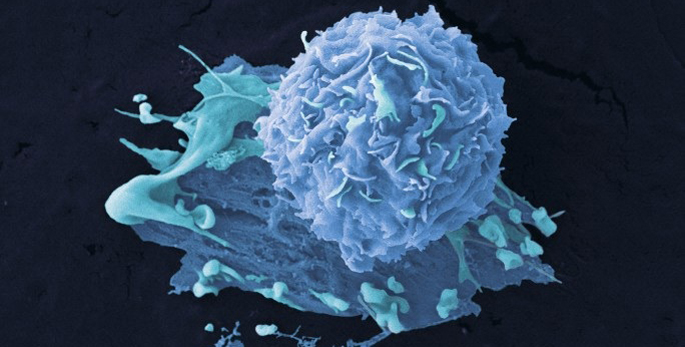
Switching breast cancer off
Signaling by a receptor that is overexpressed in aggressive forms of breast cancer has been linked to glutamine metabolism, suggesting new anti-cancer therapeutic targets. Read MoreApr 14, 2016
-

ROCKs and cancer invasion
The rigidity of the microenvironment around cancer cells drives invasive behavior through distinct ROCK signaling pathways, which could guide the development of specific anti-invasive therapies. Read MoreMar 17, 2016
-
A clue to cell cleavage
Actin and microtubule cytoskeletons are coordinated during cytokinesis – the process that separates one cell into two and is linked to events underlying cancer. Read MoreMar 7, 2016
-
Grant spurs research into how cancer cells spread
Aron Parekh, Ph.D., assistant professor of Otolaryngology, has received a four-year, $790,000 Research Scholar Grant from the American Cancer Society to further his research into the mechanical and biological properties of cancer cells and the methods by which they leave the initial tumor and spread or metastasize to other parts of the body. Read MoreMar 3, 2016
-

Combining treatments for melanoma
Combining therapies for melanoma that induce cell senescence and that activate the immune response may improve outcomes for patients. Read MoreFeb 18, 2016