Cancer Biology
-

Tools for exploring ‘omics’ data
The NetGestalt computing portal integrates vast amounts of data to aid users in finding biologically and clinically relevant information. Read MoreMay 18, 2015
-

Neurofibromin fine-tunes bone growth
The protein neurofibromin acts as a brake in a signaling pathway that is important in bone development, Vanderbilt researchers have discovered. Read MoreMay 6, 2015
-

New player in neuronal communication
Vanderbilt researchers have discovered a novel mechanism for the development of dendritic spines – sites of nerve cell communication. Read MoreMay 1, 2015
-
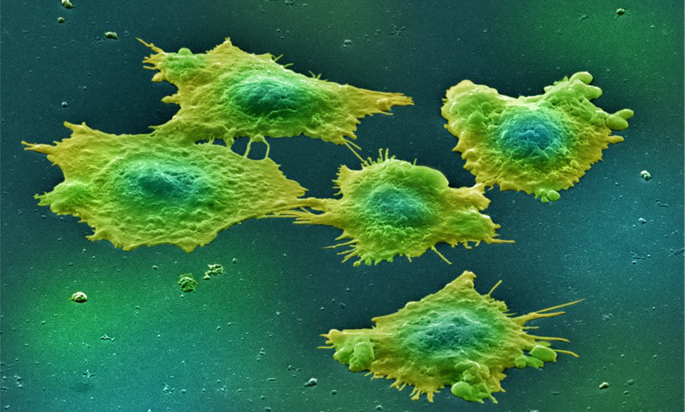
‘Stretched’ cells promote cancer
Mechanical stress appears to be a critical factor in activating normal tissue-associated fibroblasts to generate cancer-associated fibroblasts. Read MoreFeb 19, 2015
-
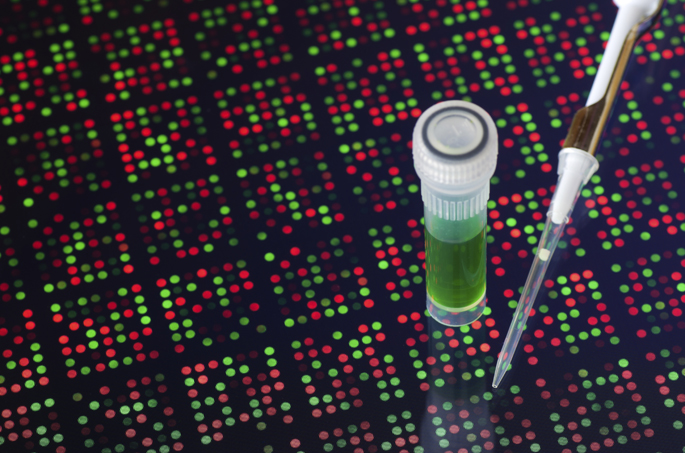
Gene profile predicts metastasis
A specific gene expression profile represents a novel, biologically relevant “signature” for identifying colon cancers with high risk of metastatic recurrence, Vanderbilt researchers have found. Read MoreFeb 9, 2015
-
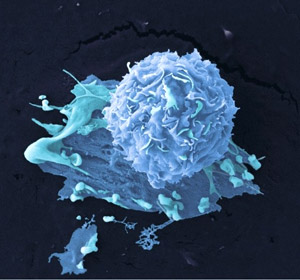
Enzyme affects tumor metastasis
A protein that degrades the “matrix” between cells participates in the development of lung metastases from primary breast cancer in mouse models and may be a good target for breast cancer treatment. Read MoreJan 8, 2015
-

New insight on oral cancer culprits
A new mouse model offers insight into the signaling pathways that control oral cancers – and a platform for testing anticancer therapeutics. Read MoreNov 12, 2014
-
Protein “pockets” help ID cancer genes
Vanderbilt investigators have used a computational biology approach to uncover new cancer drivers and biomarkers of anticancer drug response. Read MoreNov 11, 2014
-

Immune cell activity and melanoma
The activity of a certain factor in immune cells is essential for an anti-tumor response, emphasizing the need to consider the effects of anti-cancer therapies on immune cells. Read MoreNov 6, 2014
-

Potential therapy for postpartum breast cancer investigated
Nearly 25 percent of all breast cancers among premenopausal women occur within two to five years following a pregnancy. Read MoreOct 30, 2014
-
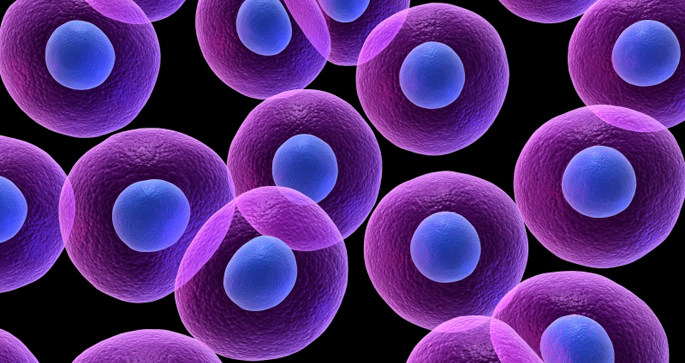
Long-range signaling to stem cells
The potential for long-range signaling factors – such as those identified in the current study – to regulate stem cell behaviors has implications in tumor progression and metastasis. Read MoreOct 9, 2014
-

VU study reveals shared pathways in psychiatric disorders
Schizophrenia and bipolar disorder share common genetic underpinnings. Vanderbilt researchers combined high-resolution gene expression studies with gene association data to reveal signaling pathways linked to schizophrenia and bipolar disorder. Read MoreSep 18, 2014
-

Bone healing therapy for NF1 fractures
A combination treatment delivered to the site of fractures may improve bone healing in patients with the genetic disease neurofibromatosis type-1. Read MoreSep 11, 2014
-
Limiting breast cancer metastasis
Vanderbilt researchers have identified a new target for blocking breast cancer metastasis. Read MoreAug 28, 2014
-
Growth factor blockade targets breast tumors
Inhibition of BMP growth factor signaling reduces breast tumor burden and metastasis. Read MoreAug 14, 2014
-
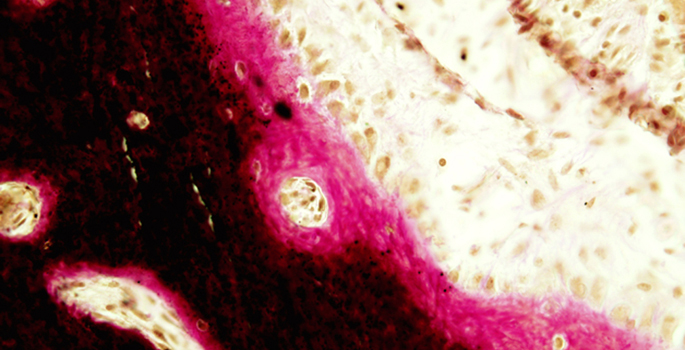
Novel treatment strengthens bones in genetic disease
An enzyme therapy may prevent skeletal abnormalities associated with the genetic disorder neurofibromatosis type-1, Vanderbilt investigators have discovered. Read MoreAug 7, 2014
-
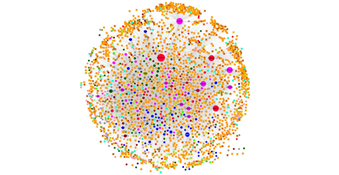
Drug discovery clues in network map
Vanderbilt investigators have constructed a network map that could guide the development of new targeted cancer therapies. Read MoreAug 5, 2014
-

Repair protein’s DNA recognition motif
Insights into the workings of DNA damage response proteins such as SMARCAL1 could suggest new ways to improve genome integrity and prevent cancer. Read MoreMay 23, 2014
-

Potential mechanism for myeloma drug’s variable toxicity
A genetic variant is associated with toxicity of the chemotherapy drug melphalan, and could guide individualized dosing for the medication. Read MoreApr 30, 2014
-
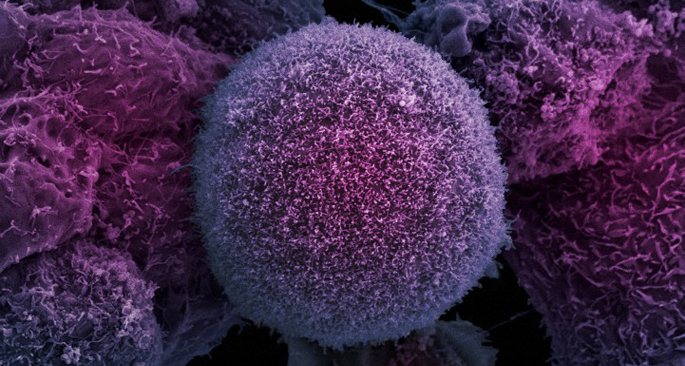
Study links stem cell gene to prostate cancer susceptibility
A gene on chromosome 8 — in a region of the genome linked to risk for many types of cancer — is particularly associated with prostate cancer susceptibility, Vanderbilt University researchers have found. Read MoreMar 27, 2014